




Japanese Export Porcelain Dish
A japanese export porcelain dish brings centuries of kiln craft and vibrant palette work directly to the table or wall.

Japanese Export Porcelain Dish
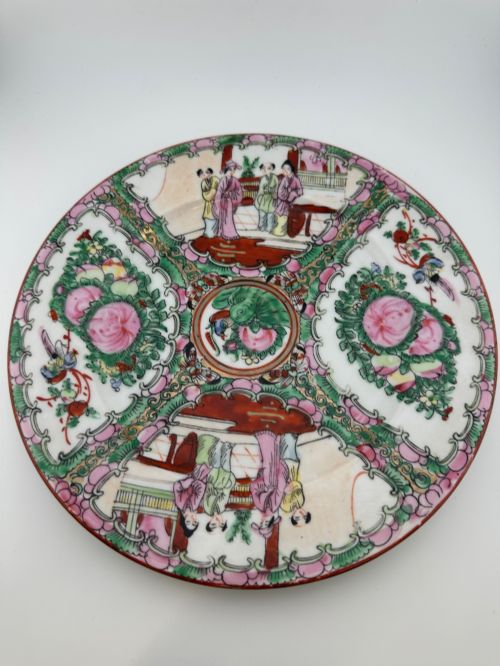
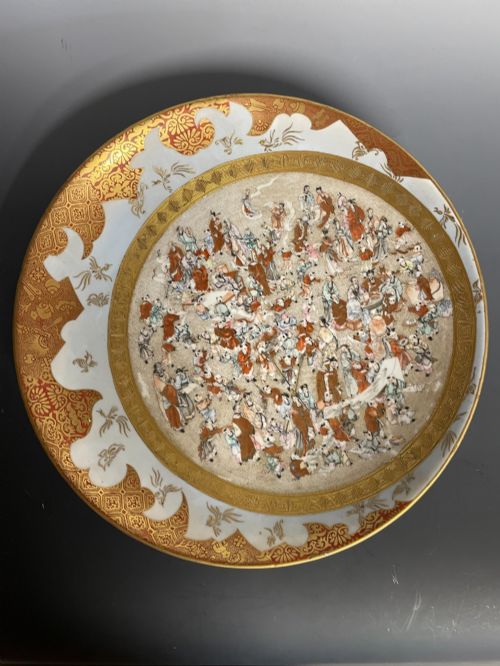
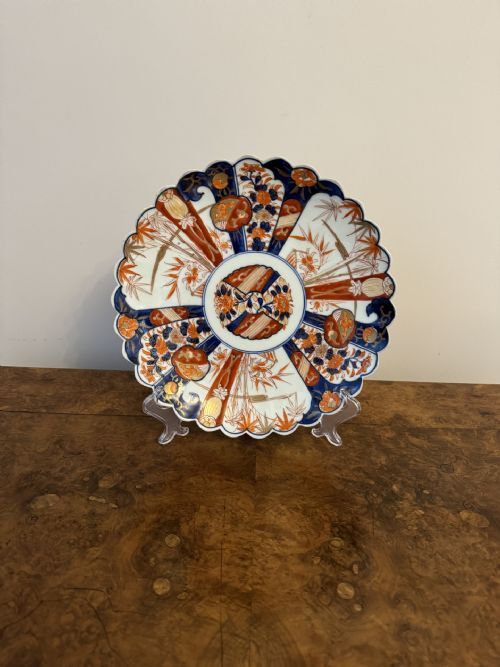
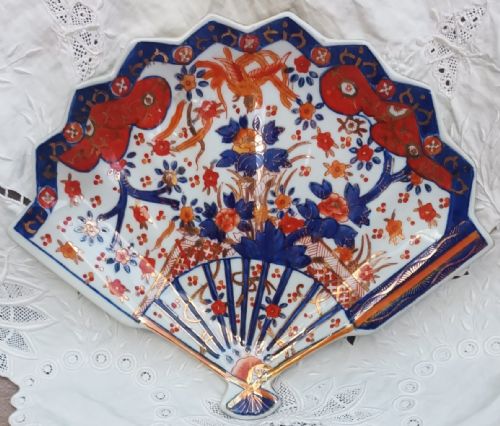
When you search for a japanese export porcelain dish, you encounter a variety of forms ranging from shallow plates and deep saucers to massive chargers and bowls. The majority of pieces available on this page belong to the Meiji period and the broader nineteenth century, reflecting robust trade and production eras.
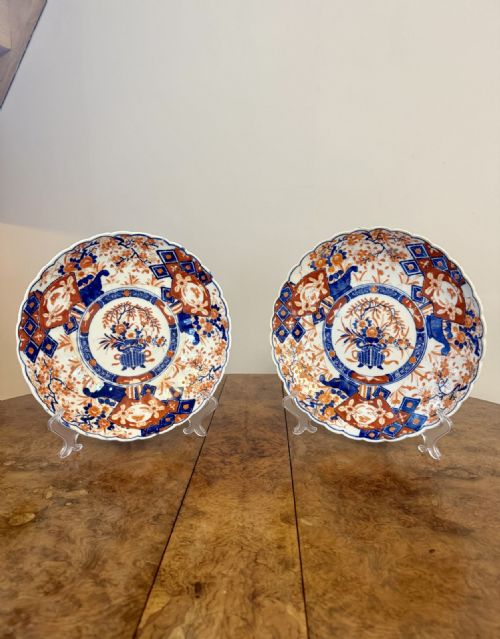
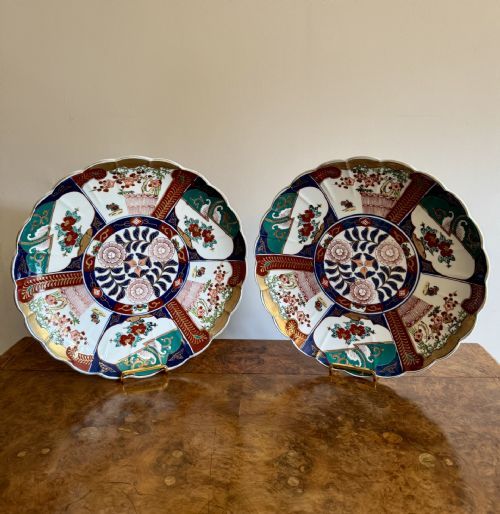
You will frequently find items decorated in the distinctive Japanese Imari palette, alongside wares attributed to centres such as Arita and Kutani. These pieces serve as functional tableware or decorative wall displays, shaped in circular, octagonal, scallop-edge, and ribbon formats.

Materials and methods
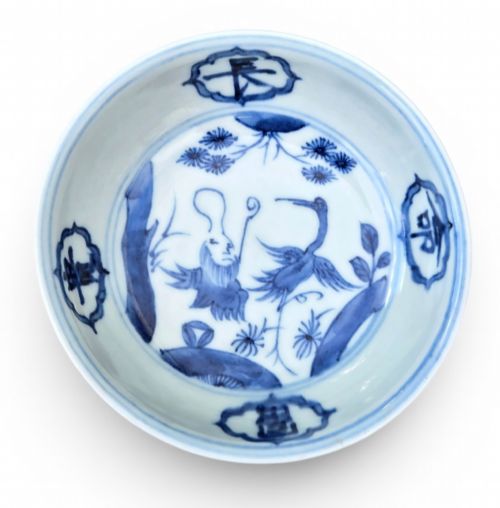
Potters shaped these objects from fine ceramic clay and fired them into durable porcelain, applying cobalt underglaze, enamel, and gold leaf or gilding for colour and detail. Artisans hand-painted complex motifs directly onto the glazed or biscuit surfaces before subsequent firings.
Production centres in Japan utilised specialised kilns to achieve the vitrification and glaze textures characteristic of Edo and Meiji period wares.
Japanese Export Porcelain Dish Retail Price Guide 2026
Typical asking prices for japanese export porcelain dish among the pieces listed under this phrase on Sellingantiques today, from the lower quarter to the upper quarter. They describe what is for sale here now, not the wider market.
Several plates feature Black Ship decoration, recording early maritime encounters between Japan and Western vessels in porcelain form.
Assessing quality
Quality rests upon the crispness of the hand-painted brushwork, the precision of the cobalt underglaze, and the preservation of enamel and gilding layers. Finer pieces demonstrate superior control during the glazing and firing stages, resulting in balanced forms and clean foot rings.
The complexity of the decorative scheme, such as detailed depictions of exotic birds or figural scenes, distinguishes standard production ware from exceptional examples.

The Japanese Export Porcelain Dish Glossary
- Imari palette
- A traditional decorative style utilising cobalt blue, iron red, and gold on a white porcelain ground. This scheme originated in Hizen province and gained widespread popularity in export wares.
- Aka-e
- Red-painted decoration used on Japanese ceramics, often combined with underglaze blue and gold. It defines much of the palette seen on early export dishes.
- Mukozuke
- A type of small dish traditionally used in Japanese dining for food presentation. These deep saucer-dishes appear in early export collections.
- Charger
- A large decorative plate or platter intended for display or service. These substantial vessels dominate many nineteenth-century collections.
- Underglaze
- Pigment applied to the ceramic body before the application of a clear glaze and subsequent firing. Cobalt is the most common underglaze colour found on these pieces.
Japanese Export Porcelain Dish: Frequently Asked Questions
How do I date a japanese export porcelain dish?
Dating relies on stylistic markers, potting techniques, and historical periods recorded in the evidence such as the Edo or Meiji eras. Examining the glaze characteristics and cobalt tones helps place a piece within its correct century.
Changes in trade patterns and export styles also provide chronological clues for items produced across the seventeenth to twentieth centuries.
Were these dishes meant for dining or display?
Many items functioned as practical tableware for dining, while larger chargers and wall plates were designed for interior decoration. The presence of foot rings and hanging rims indicates their dual utility in domestic settings.
Export wares accommodated both European dining customs and traditional Japanese presentation requirements.
What is the difference between Imari and Kutani?
Imari pieces typically feature a distinct palette of cobalt blue, iron red, and gold, often associated with Arita kilns. Kutani wares display a different range of enamel colours and brushwork styles originating from Kaga province.
Both categories represent major traditions within Japanese export ceramics found across various periods.
How should I care for antique porcelain?
Gentle handling and hand washing with mild soap preserve the delicate enamel and gold leaf decorations found on export pieces. Avoiding abrasive cleaners protects the historic glaze from wear.
Secure mounting is essential if you choose to display chargers and wall plates vertically.