





Cobalt Blue Imari Porcelain
Cobalt blue imari porcelain brings striking palette contrast to rooms through vibrant cobalt underglaze, enamel, and gold leaf on traditional forms.
What cobalt blue imari porcelain is
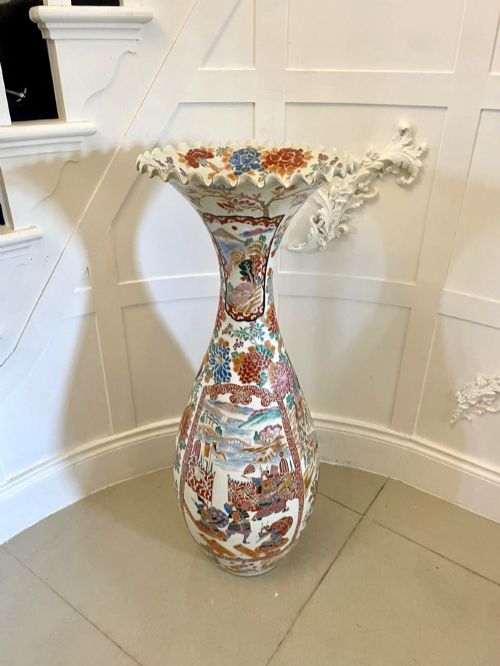
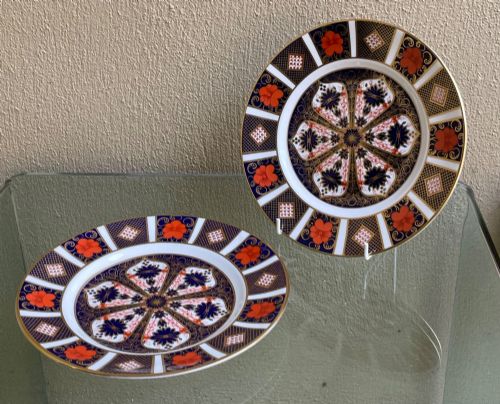
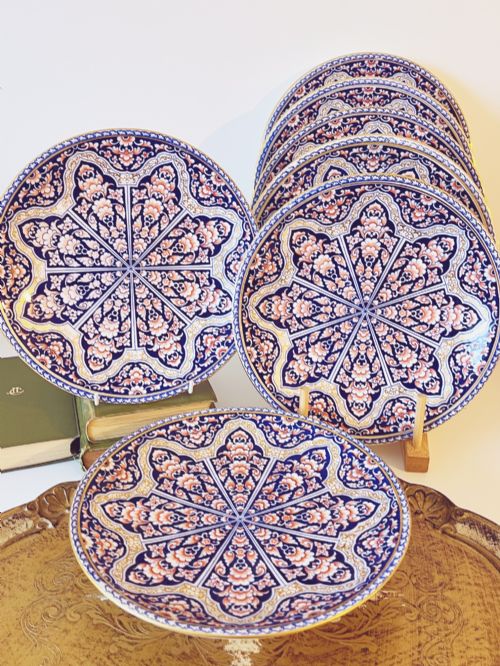
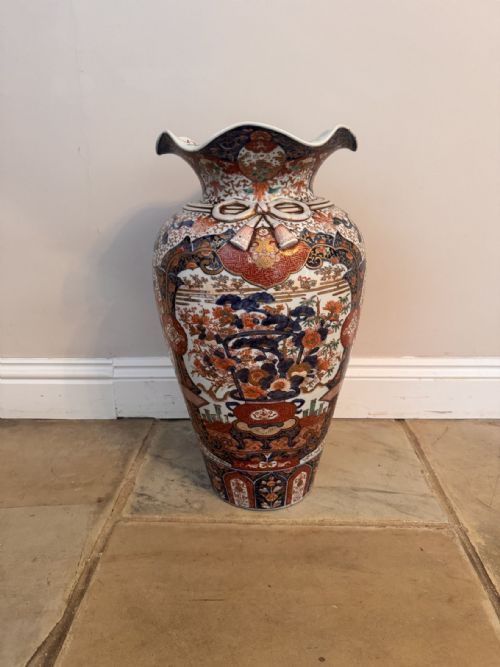
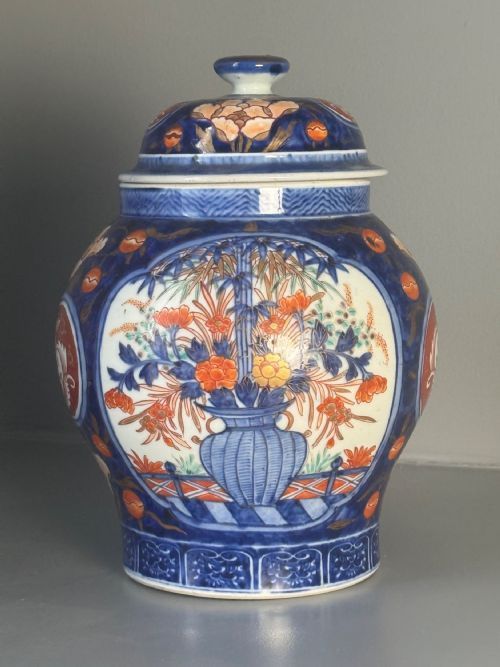
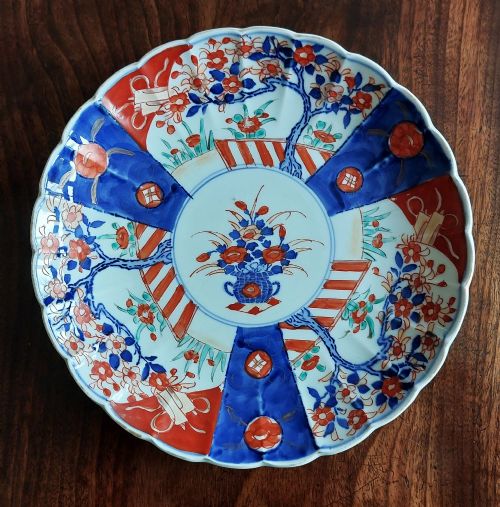
Cobalt blue imari porcelain encompasses decorative plates, chargers, bowls, vases, and shaving bowls designed with distinct Japanese Imari aesthetics. Pieces date across the eighteenth century, nineteenth century, and around nineteen hundred, showcasing enduring decorative appeal in domestic interiors.
Buyers frequently encounter nineteen hundred examples on this page, alongside earlier nineteenth century bowls and eighteenth century shaving vessels. These items arrive via Japanese production traditions and nineteenth century English adaptations, maintaining characteristic rich colour schemes.
How they were made
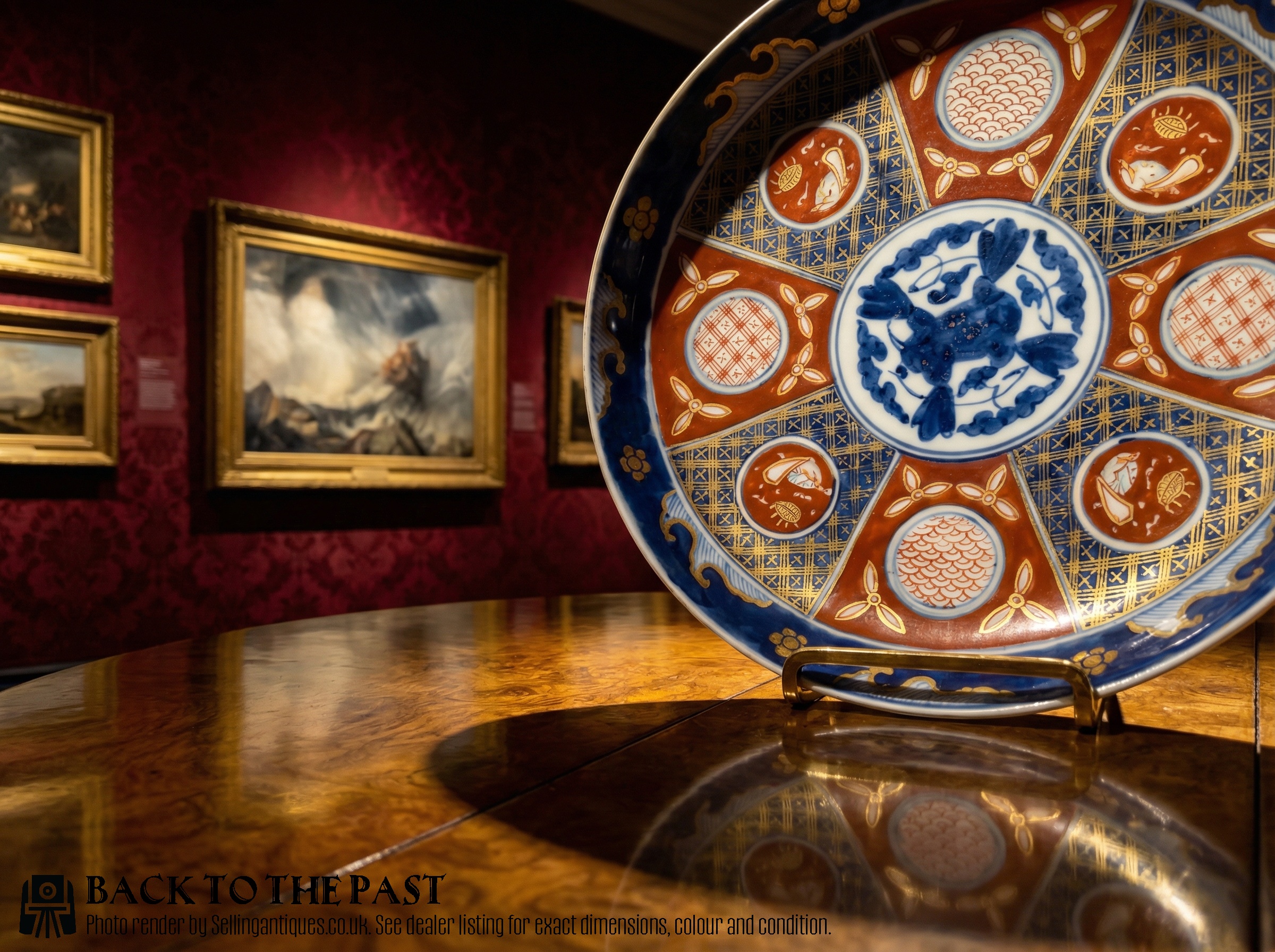
Makers shaped refined porcelain bodies before applying cobalt underglaze pigments to establish the deep blue foundation of each design. Artisans then added vibrant enamels and gold leaf highlights to complete the complex surface ornamentation.
Firing techniques fused the cobalt blue, enamels, and gold leaf into durable ceramic glazes across chargers, plates, vases, and bowls. Skilled hands executed intricate patterns onto Japanese imari wares and Victorian adaptations alike.
Retail Price Guide 2026
Typical UK retail prices for cobalt blue imari porcelain, calculated from the Sellingantiques database of over a million retail prices indexed since 2003. This retail price guide relies exclusively on Sellingantiques data; no external sources or auction records are used, so the figures do not describe the wider market.
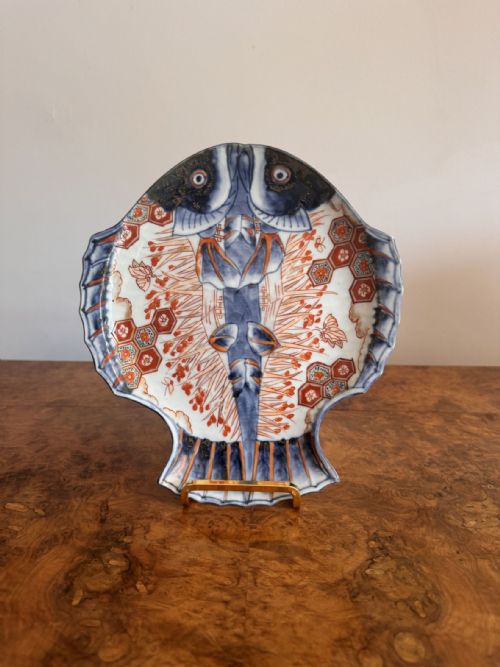
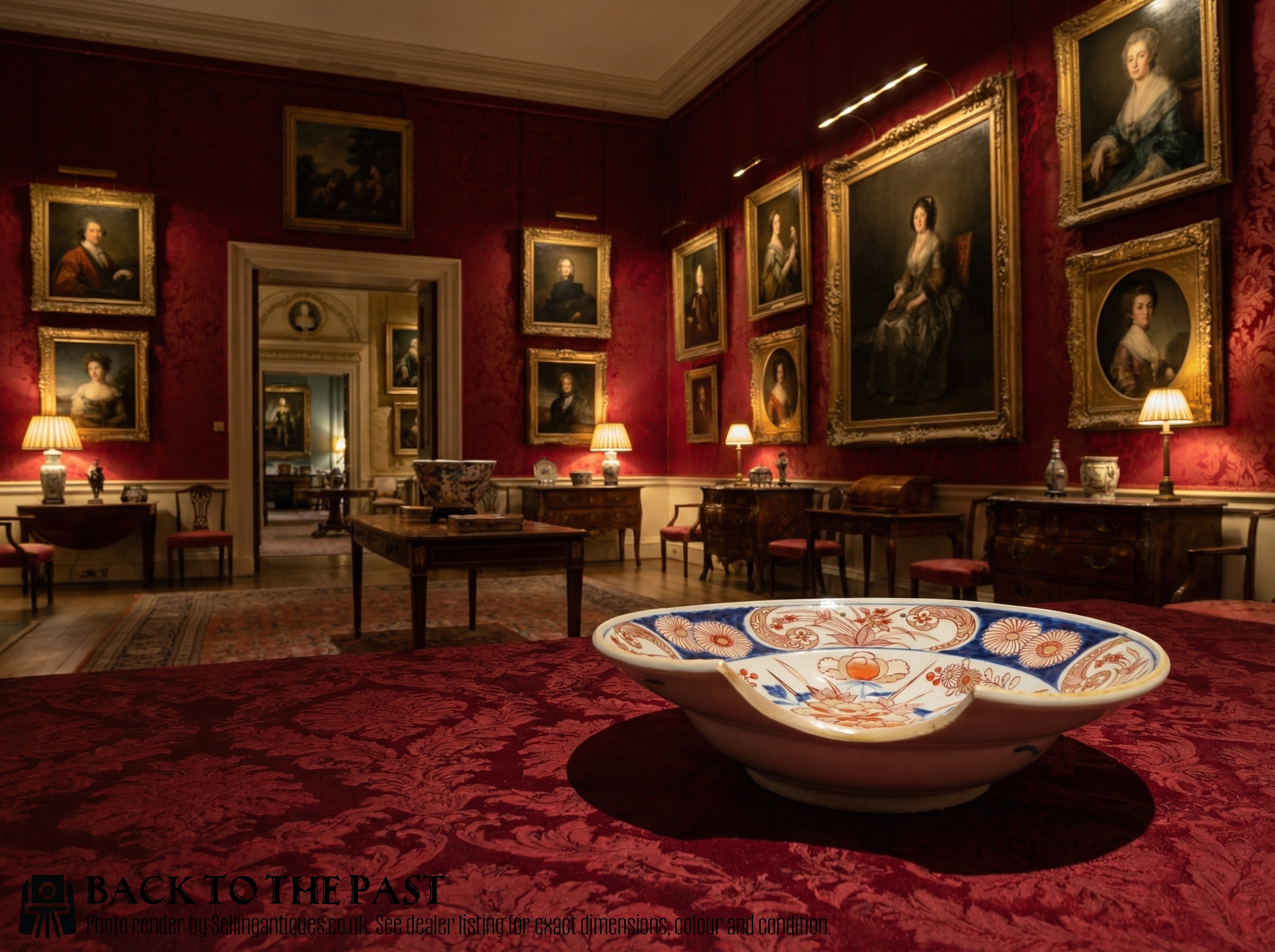
One unexpected eighteenth century shaving bowl proves that even morning grooming once demanded a rich palette of cobalt blue and gold leaf.
What varies in quality
Quality rests upon the precision of the cobalt underglaze painting and the richness of the applied gold leaf and enamel details. Superior examples exhibit balanced compositions and crisp execution across scalloped edges and baluster forms.
The sophistication of the porcelain body and the complexity of the decorative scheme separate standard production items from truly outstanding pieces. Earlier eighteenth century creations often demonstrate particular depth in their cobalt blue pigmentation.
The Cobalt Blue Imari Porcelain Glossary
- Cobalt underglaze
- A blue pigment applied to porcelain before glazing and firing, creating durable colour beneath the shiny surface. This technique forms the deep foundation characteristic of imari porcelain.
- Imari
- A style of ceramic decoration originating in Japan, featuring distinct palettes of cobalt blue, iron red, and gold leaf. The tradition influenced makers across subsequent centuries.
- Baluster
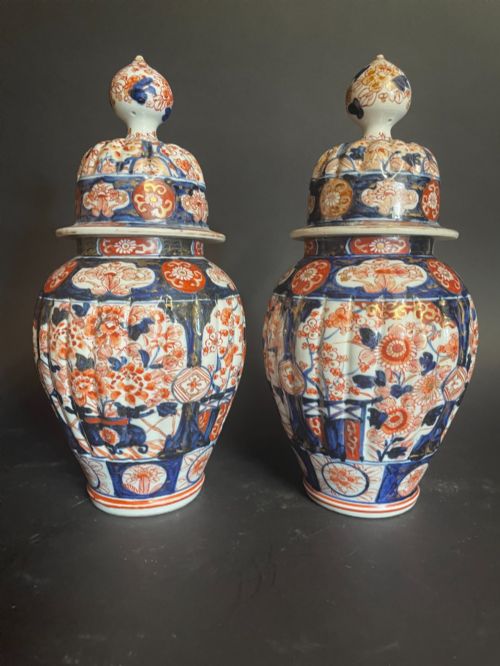
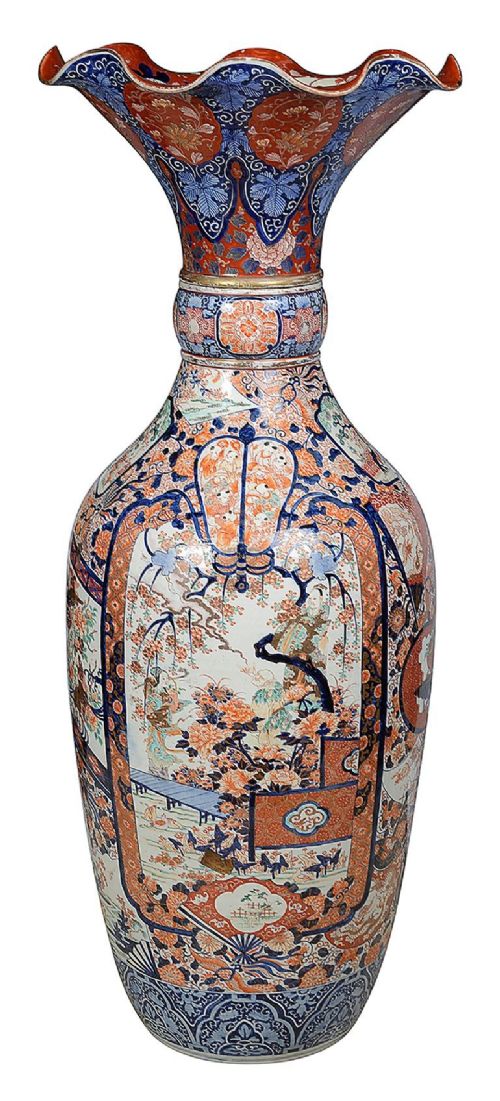
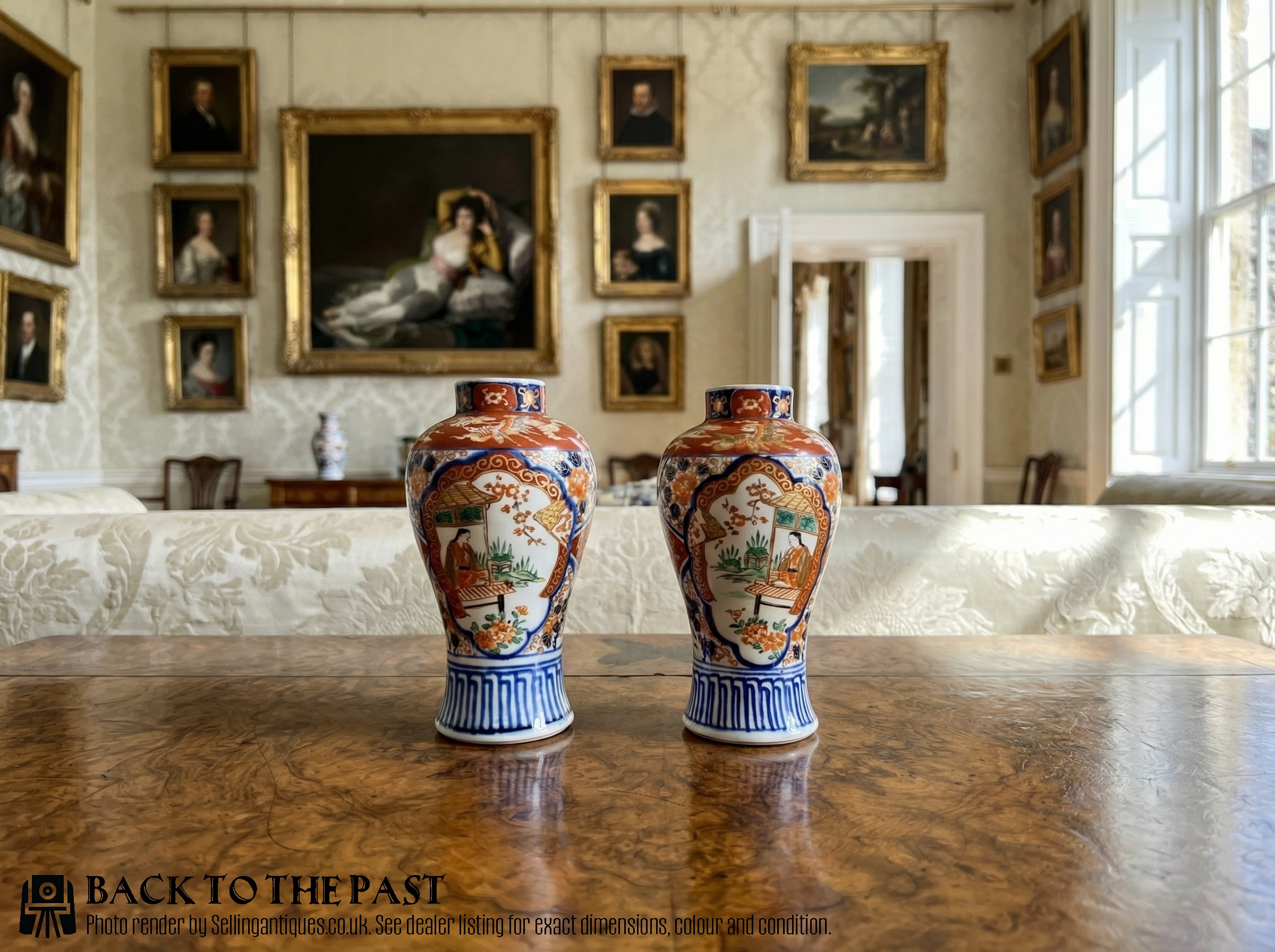
- A vertical vase form with a rounded lower body tapering to a narrow neck. This shape appears frequently among nineteenth century porcelain pairs.
- Charger
- A large decorative plate intended for display rather than dining service. These substantial vessels showcase complex pictorial schemes in cobalt blue and enamel.
- Cabaret tray
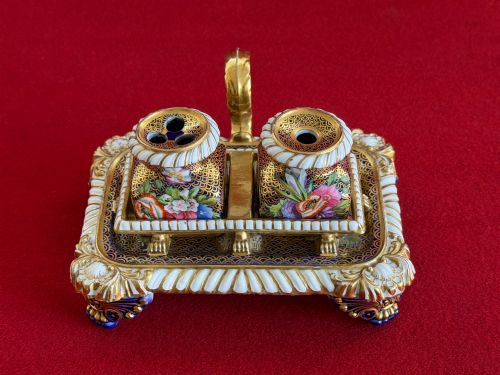
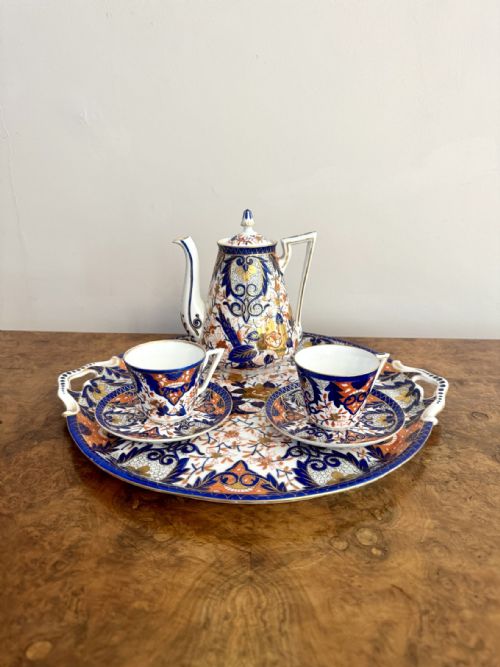
- A small serving tray designed for individual or intimate coffee service, often forming part of a matched set. Victorian examples incorporate traditional imari colour palettes.
Frequently Asked Questions
What is cobalt blue imari porcelain?
Cobalt blue imari porcelain comprises decorative ceramics adorned with deep cobalt underglaze, enamel, and gold leaf. These pieces originate from Japanese traditions and later European interpretations.
Items range from chargers and scalloped plates to baluster vases and shaving bowls across multiple centuries.
How were these pieces used?
These ceramics served primarily as decorative display items in domestic interiors, highlighting wealthy interiors through vibrant colour. Chargers and plates adorned walls or furniture surfaces.
Specific forms like shaving bowls fulfilled functional grooming roles while maintaining high aesthetic standards.
How do I style cobalt blue imari porcelain?
Display chargers and large plates on plate stands or mount them securely on walls to showcase their detailed patterns. Pairs of baluster vases anchor mantelpieces or side tables effectively.
The rich cobalt blue and gold leaf complement both traditional period rooms and contemporary spaces.