








Blue Red Porcelain Charger
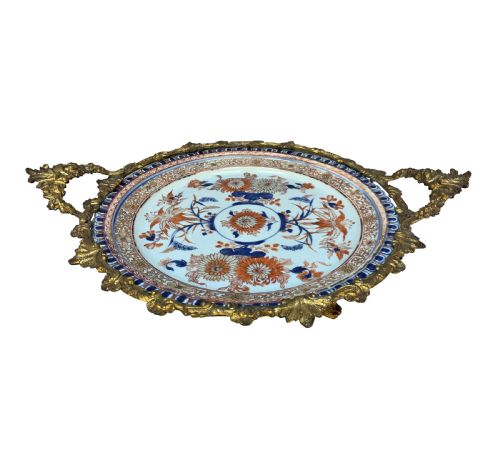
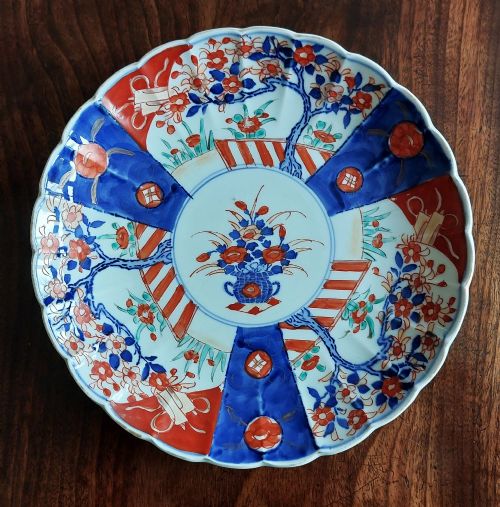
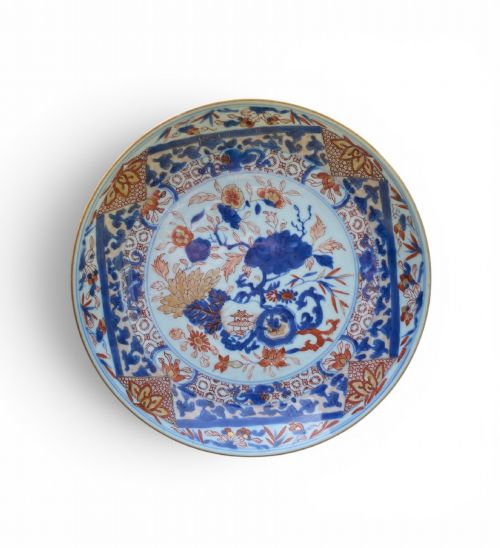
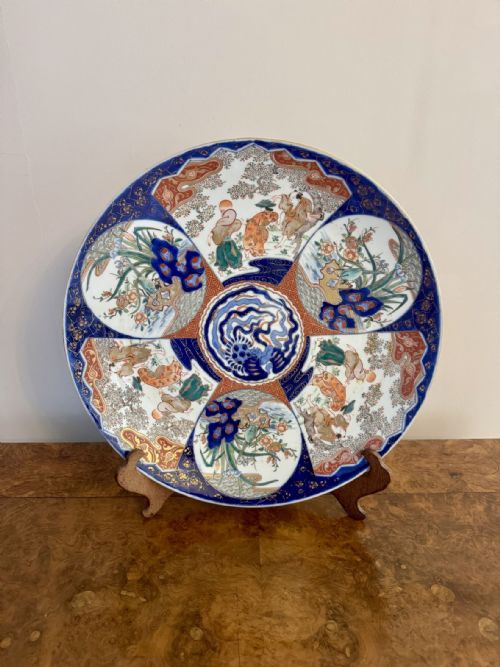
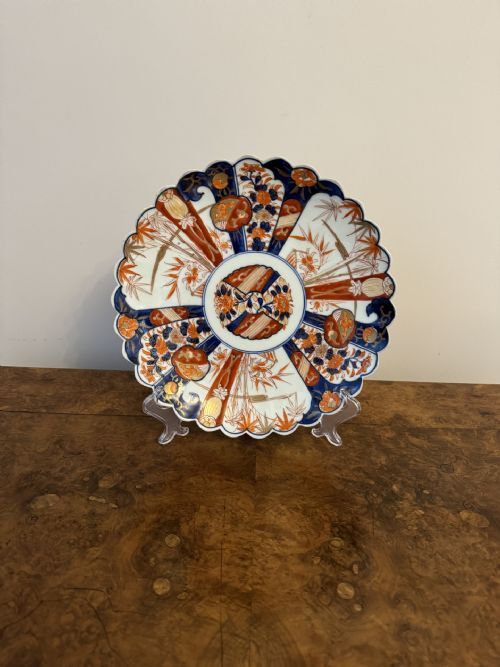
A blue red porcelain charger brings bold cobalt underglaze and iron red enamel decoration to a room, offering striking Japanese Imari presence.
What these pieces are
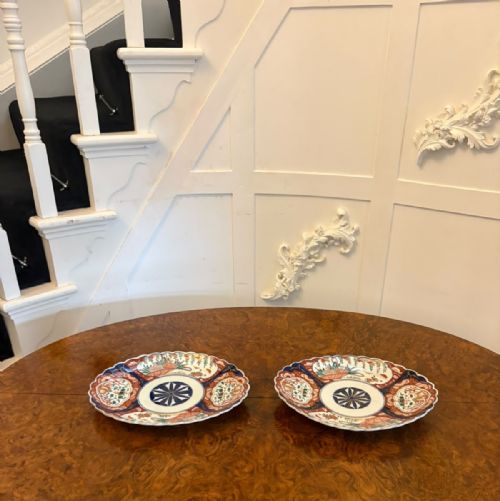
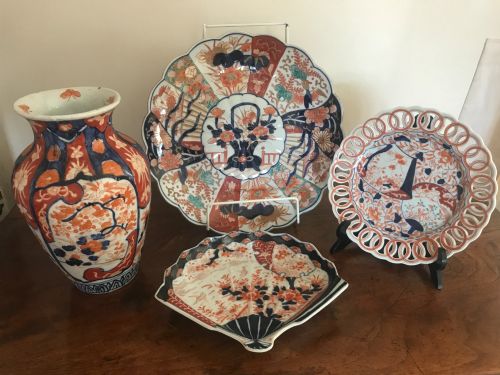
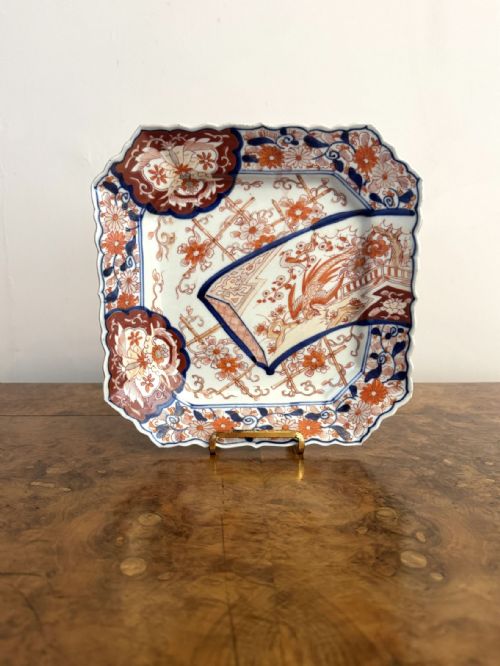
When you search for a blue red porcelain charger, you encounter decorative plates and chargers originating from the Meiji period around eighteen eighty and nineteen hundred. These substantial ceramic pieces take both round and square plate forms designed primarily for visual display rather than dining.
The aesthetic relies heavily on traditional Japanese Imari styles that combine deep cobalt blue underglaze with vibrant red enamel accents. Surviving examples demonstrate the enduring appeal of these contrasting colours on heavy porcelain bodies.
How they were made
Potters shaped durable porcelain before applying cobalt underglaze pigments directly to the raw clay body. Kiln firing fixed the deep blue patterns beneath a clear protective glaze.
Artisans added hand painted iron red enamel details over the primary glaze layer, often complemented by other colours and gilding. A secondary, lower temperature firing then bonded these upper enamel layers permanently to the surface.
Retail Price Guide 2026
Typical UK retail prices for blue red porcelain charger, calculated from the Sellingantiques database of over a million retail prices indexed since 2003. This retail price guide relies exclusively on Sellingantiques data; no external sources or auction records are used, so the figures do not describe the wider market.
Current listings feature porcelain chargers and plates spanning the eighteen eighties through to nineteen hundred, showcasing Japanese Imari styles.
What varies in quality
The distinction between standard examples and the finest work lies in the precision and complexity of the hand painted brushwork. Superior pieces display crisp cobalt definition and meticulously applied red enamel motifs that cover the porcelain surface with balanced composition.
Thicker, more substantial porcelain bodies and well potted forms indicate higher manufacturing standards. The richness of the glaze and the complexity of the Imari pattern integration separate everyday decorative plates from exceptional chargers.
The Blue Red Porcelain Charger Glossary
- Charger
- A large decorative plate traditionally used for ceremonial display or serving rather than daily dining. These substantial pieces dominate a wall or table setting.
- Imari
- A traditional style of Japanese porcelain originating from the port of Arita, characterised by a palette of cobalt underglaze blue and iron red enamel.
- Cobalt underglaze
- A blue pigment applied to the unglazed porcelain body before firing. This mineral colour withstands high kiln temperatures without fading.
- Enamel
- Opaque or translucent glass decoration applied over the fired glaze. It requires a gentler subsequent firing to fuse with the surface.
Frequently Asked Questions
What is a blue red porcelain charger?
It is a large decorative ceramic plate featuring traditional Japanese Imari decoration. The design relies on cobalt blue underglaze combined with iron red enamel.
These pieces were made for visual display rather than everyday use. Their substantial size and bold colours make them focal points in a room.
How do I date these chargers?
Dating relies on stylistic markers from periods like Meiji Imari around eighteen eighty to nineteen hundred. The quality of the porcelain and hand painting techniques offer further clues.
Examination of the foot ring, glaze consistency, and pigment application helps determine the age. Comparing known period pieces establishes a reliable chronology.
Where should I display a charger?
These large plates suit wall mounting using specialised hangers or placement on sturdy display stands. Their vibrant colours require neutral backgrounds to stand out properly.
Avoid placing them in areas of direct, harsh sunlight or heavy foot traffic. Proper placement protects the hand painted enamel surfaces from accidental damage.
Are square plates also chargers?
While traditional chargers are round, the category includes large square decorative plates sharing the same aesthetic. Both forms utilise heavy porcelain and similar Imari painting techniques.
Square variations provide an alternative geometric presence while maintaining the signature blue and red colour scheme. They serve the same decorative display function.