




Antique Oriental Charger
An antique oriental charger brings substantial decorative presence into a room, drawing the eye with rich hand-painted palettes and large scale.
Antique Oriental Charger
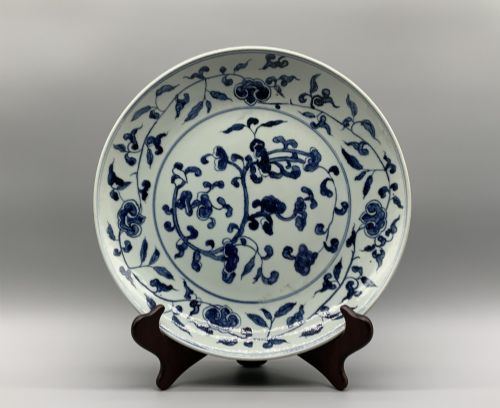
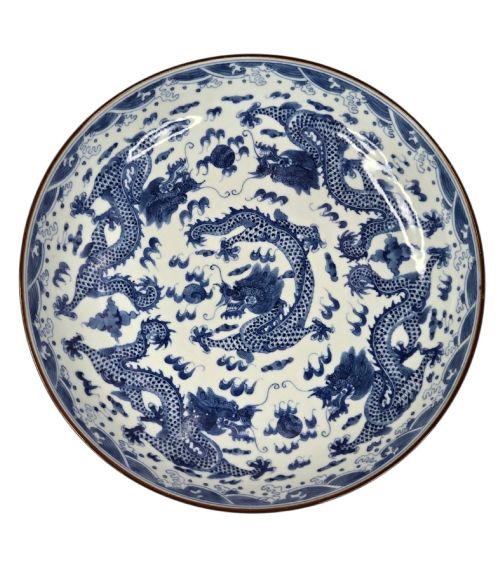
When you search for an antique oriental charger, you examine large decorative plates and platters originating from China and Japan. These pieces span centuries of production, from the Ming Dynasty and Kangxi Period through to the Meiji period and the early twentieth century.
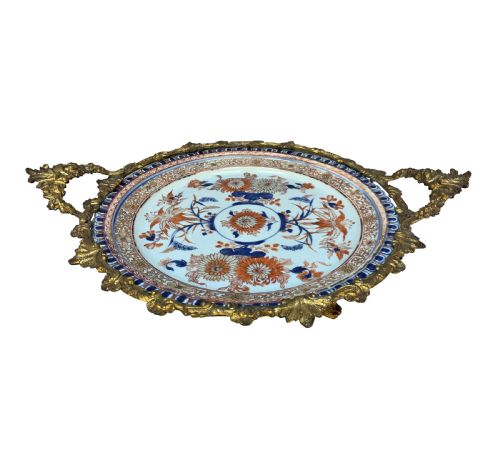
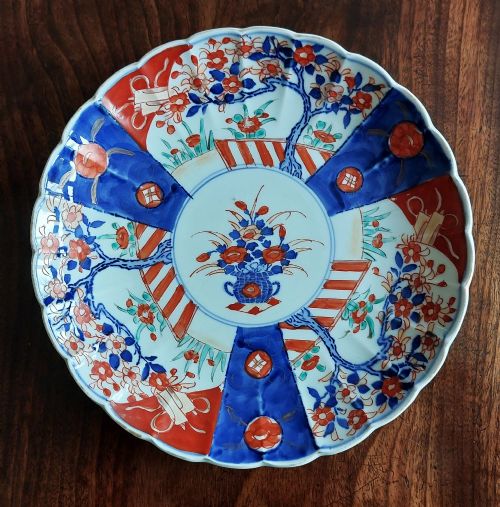
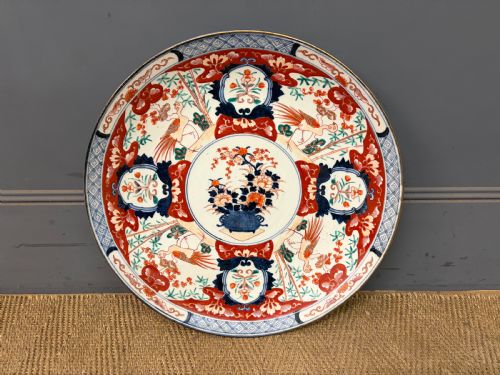
The version you meet most frequently on this page is the Japanese Imari charger dating from the late nineteenth century. These items display distinctive blue, iron-red and gilt decoration across wide ceramic surfaces designed for display.
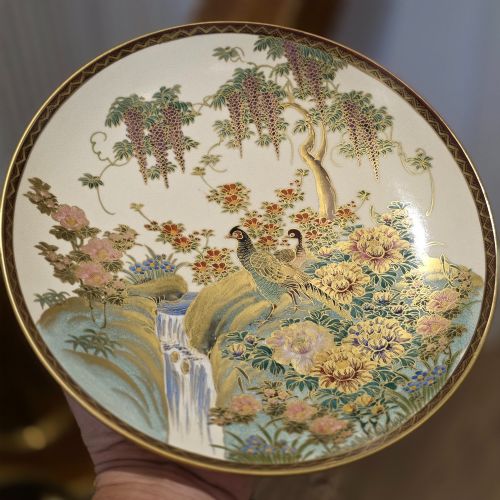
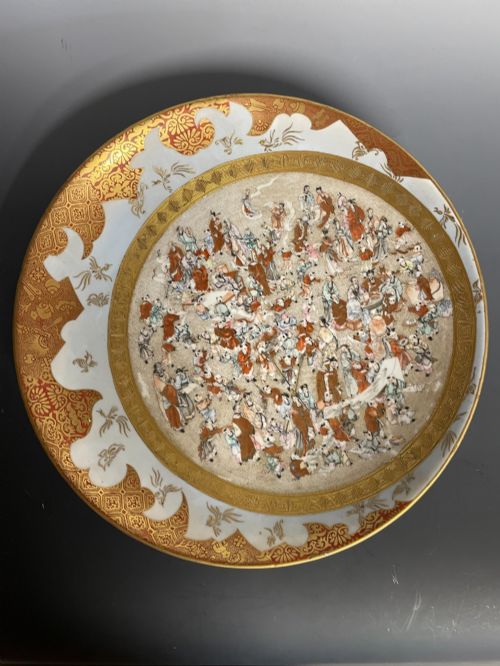
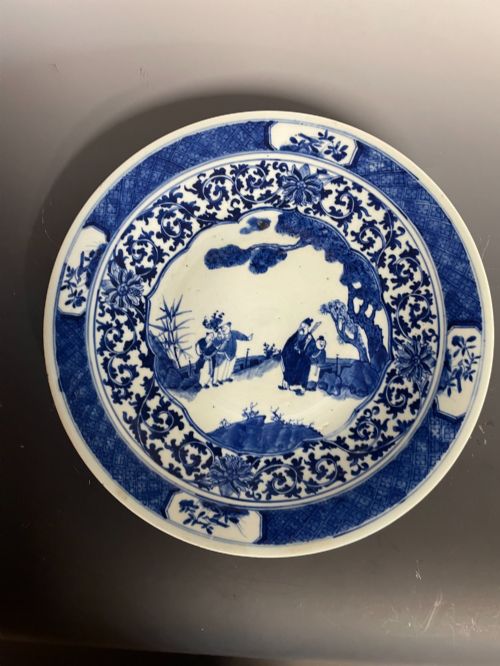
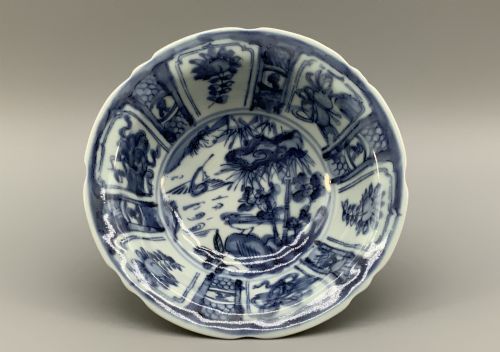
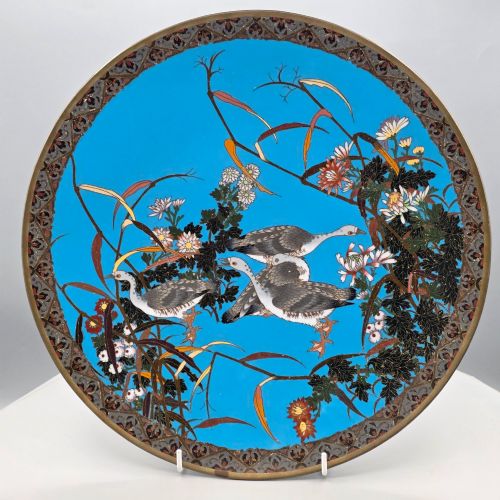
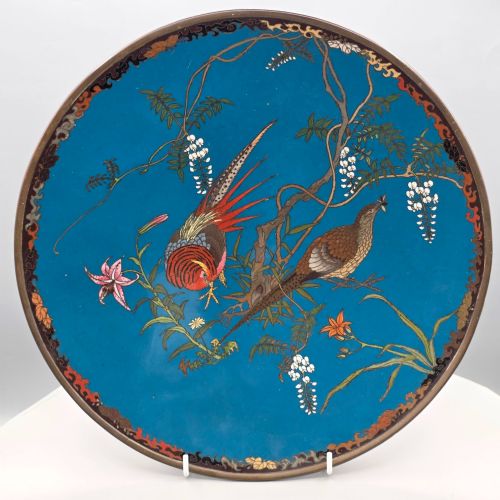
Alongside Imari wares, the selection encompasses Chinese blue and white porcelain, cloisonne enamel works, and Satsuma earthenware. Forms range from heavy circular platters to scalloped dishes and hexagonal plates.
Materials and construction methods
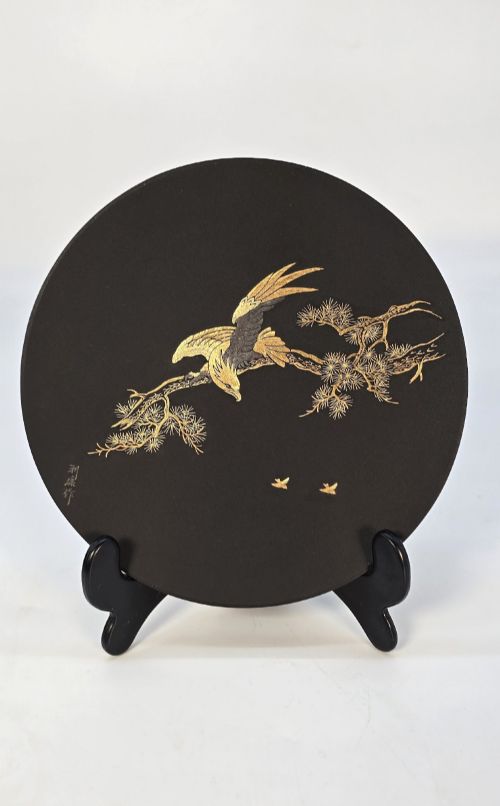
Potters built these chargers using porcelain or earthenware bodies, applying cobalt underglaze pigments or enamel colours before firing. Many incorporate copper wirework for cloisonne compartments or rely on brass, copper, and patinated iron for metal vessels.
Surface enrichment often includes gold leaf application, carved details, and inlaid silver or gold. Glazes provide a protective vitrified coating that preserves the painted bird, floral, and dragon motifs over generations.
A persistent Victorian transferware design on this page depicts an elephant, reminding us that global trade inspired curious interpretations of distant lands.
Distinctions in grade and execution
The standard of a charger rests upon the precision of the brushwork and the complexity of the composition. Master artisans executed intricate scenes with fine linework, whereas lesser examples display hurried repetition and thick, heavy pigment application.
Material selection also dictates the tier of the piece, with crisp, unblemished porcelain bodies and generous gilding separating superior examples from standard commercial production.
Koshida·John Rogers and Son
The Antique Oriental Charger Glossary
- Imari
- A style of Japanese porcelain decorated in underglaze blue, iron red, and gilt. It originated in Arita and gained popularity across Europe during the seventeenth and eighteenth centuries.
- Cloisonne
- A technique where metal wires form raised partitions on a base to hold enamel paste. After firing, the surface undergoes polishing to create a smooth decorative panel.
- Satsuma
- A type of earthenware featuring a crackled creamy glaze decorated with polychrome enamels and raised gold moriage work. It developed in the Satsuma province of Japan.
- Kangxi
- A period of the Qing Dynasty spanning the late seventeenth and early eighteenth centuries, celebrated for fine blue and white porcelain production.
- Underglaze
- A method of applying pigment to ceramic bodies before glazing and firing at high temperatures. This process protects the design beneath a glossy vitreous layer.
Antique Oriental Charger: Frequently Asked Questions
How were antique oriental chargers displayed?
These large plates served primarily for decorative display on walls, cabinets, or tables rather than regular dining use. Their substantial scale allowed households to showcase wealth and taste through intricate artistic motifs.
Cabinet stands or wall mounting wires held the heavy ceramic and metal platters securely in living spaces and dining rooms.
What is the difference between Chinese and Japanese chargers?
Chinese pieces often reflect dynastic traditions such as the Kangxi or Ming periods, utilising deep blue and white pigments or famille rose enamels. Their designs focus on classical symbolism, dragons, and floral arrangements.
Japanese examples, particularly from the Meiji period, frequently incorporate Imari palettes, Satsuma earthenware, or cloisonne metalwork. These items often feature densely packed natural scenes with birds, flowers, and asymmetric compositions.
How do I care for an enamel or porcelain charger?
Dust the surface regularly with a soft, dry cloth to prevent particulate buildup on the glaze or metalwork. Avoid using chemical cleaners, water immersion, or abrasive materials that could damage fragile gilding or enamel.
Display the charger away from direct sunlight and areas prone to sharp temperature fluctuations to protect the ceramic body and prevent metal corrosion.
Can I use these chargers for serving food?
Historic ceramic and metal chargers are intended for display and decorative presentation rather than contemporary culinary use. Age-related wear, old glaze imperfections, and lead content in historic glazes make them unsuitable for serving food.
Enjoy these objects as works of art that document historical manufacturing techniques across Asian and European trade routes.