







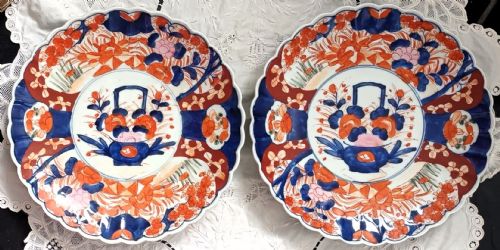
Japanese Porcelain Wall Plate
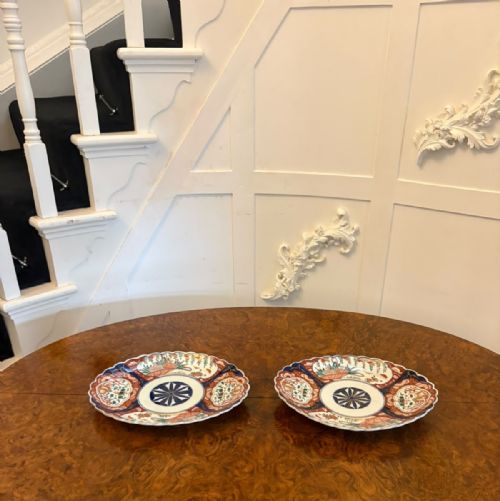
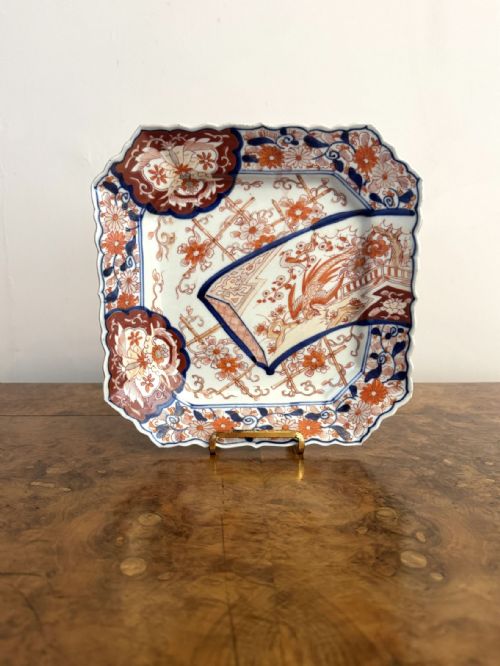
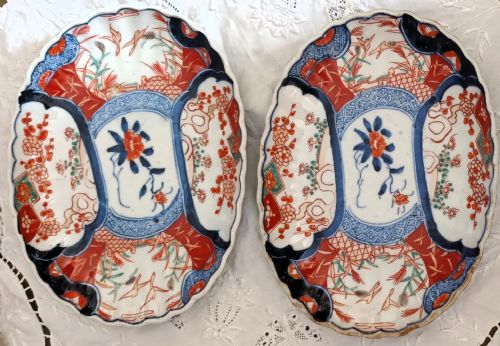
These Japanese porcelain wall plate examples bring vibrant Imari palettes and intricate Meiji period decoration directly to your interior walls.
Japanese Porcelain Wall Plate
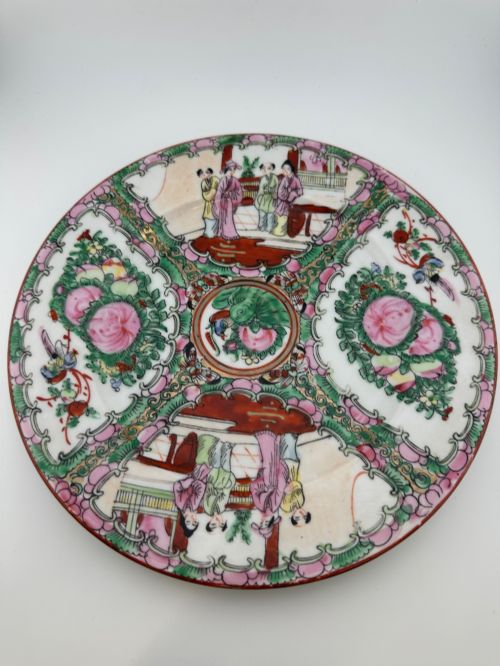
A Japanese porcelain wall plate brings traditional East Asian craftsmanship into a domestic interior, functioning primarily as a decorative display piece rather than everyday tableware. When searching for a Japanese porcelain wall plate, collectors typically encounter larger chargers and smaller display dishes originating from the nineteenth century and the early twentieth century.
How they were made
Potters shaped porcelain and ceramic bodies before applying cobalt underglaze and detailed enamel decoration by hand. Many pieces incorporate gold leaf and gilt work to accent the painted motifs.
Specialised techniques such as moriage application create raised surface textures, while Totai Shippo methods combine porcelain bases with cloisonne tree bark effects.
Japanese Porcelain Wall Plate Retail Price Guide 2026
Typical asking prices for japanese porcelain wall plate among the pieces listed under this phrase on Sellingantiques today, from the lower quarter to the upper quarter. They describe what is for sale here now, not the wider market.
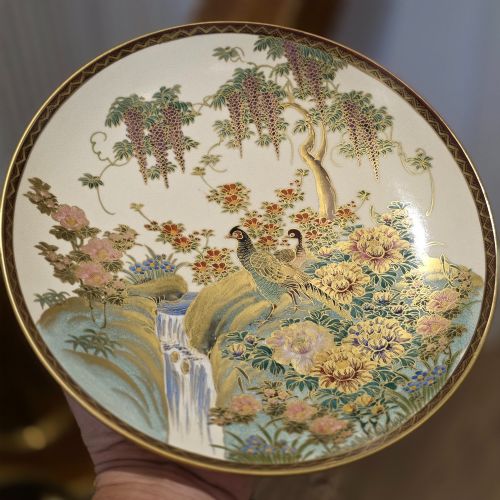
Several plates depict exotic birds perched near wisteria, seemingly judging your wall hanging skills.
What varies in quality
Quality depends on the crispness of the hand-painted cobalt underglaze and the precision of the enamel work across the surface. Pieces showing complex figural scenes, exotic birds, or elaborate floral motifs reflect higher artistic ambition.
The weight, symmetry of the porcelain body, and richness of the gilt or gold leaf application separate standard decorative items from superior examples.
Koshida
The Japanese Porcelain Wall Plate Glossary
- Imari
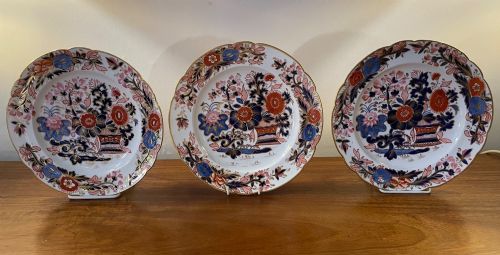
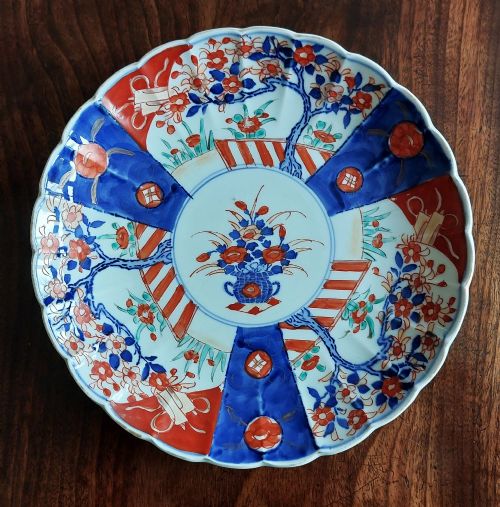
- A traditional Japanese style of porcelain decoration characterised by a palette of cobalt blue, iron red, and gold. This style originated in Arita and became widely exported during the Edo and Meiji periods.
- Meiji Period
- The era in Japanese history running from 1868 to 1912, known for intense artistic production and export of decorative arts to Western markets. Pieces from this era often display remarkable technical proficiency.
- Charger
- A large decorative plate traditionally used for display on a wall or sideboard rather than for serving food. These substantial items provide a larger canvas for intricate enamel and underglaze painting.
- Moriage
- A Japanese ceramic technique using piped slip to create raised, decorative relief patterns on the surface of the vessel. This adds a tactile, three-dimensional element to the painted design.
- Totai Shippo
- A technique where cloisonne enamel is applied directly onto a ceramic or porcelain body rather than metal. This unusual method creates textured surfaces resembling tree bark beneath the enamel.
Japanese Porcelain Wall Plate: Frequently Asked Questions
How do I hang a heavy charger safely?
Heavy chargers require specialised wall mounts that distribute the weight evenly across the base and rim without exerting pressure on a single point.
Spring-loaded brass hangers fitted with protective rubber tips allow secure display while safeguarding the antique porcelain edges.
Are these plates intended for food use?
These decorative plates and chargers serve primarily as visual ornaments rather than functional tableware for dining.
Historic enamel and gold leaf decorations on antique porcelain can degrade or contain trace minerals unsuitable for modern food contact.
What defines the Imari palette?
The traditional Imari palette relies heavily on deep cobalt blue underglaze paired with contrasting iron red enamel over the glaze.
Artisans frequently enhanced this foundational two-tone scheme with generous applications of gold leaf and gilt detailing.
How can I distinguish Meiji period pieces?
Meiji period items typically date between 1868 and 1912, aligning with an era of heightened international trade and sophisticated decorative techniques.
These pieces often feature dense compositions of exotic birds, peonies, and wisteria executed with exceptional precision.