





Iron Red Imari Plate
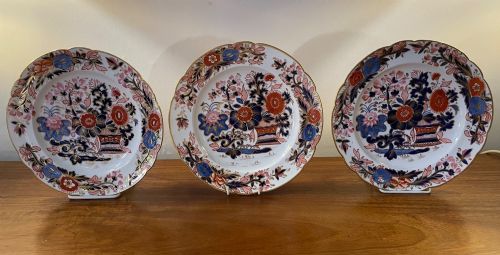
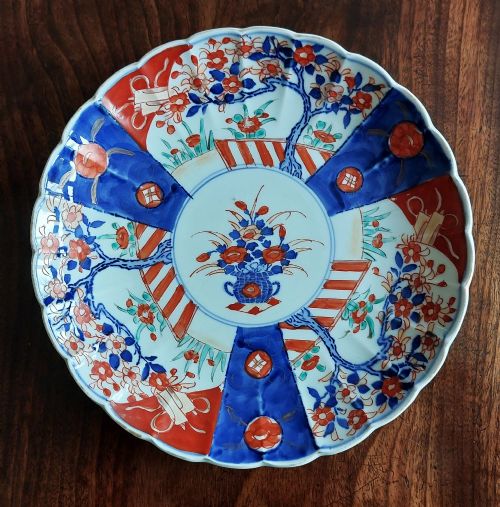
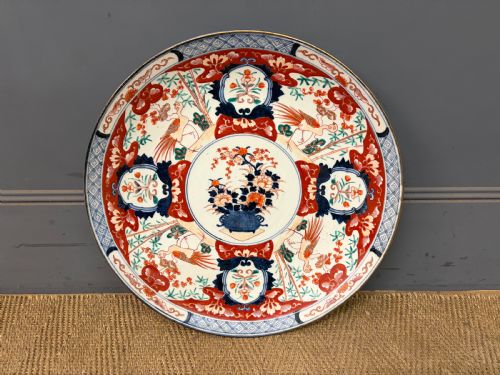
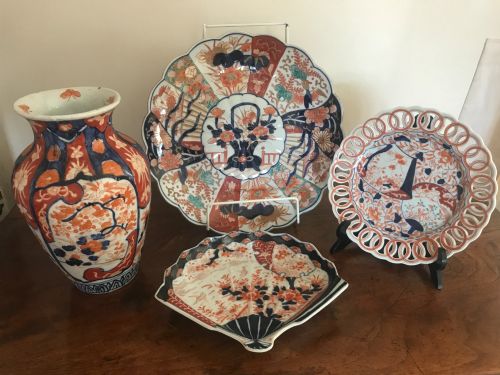
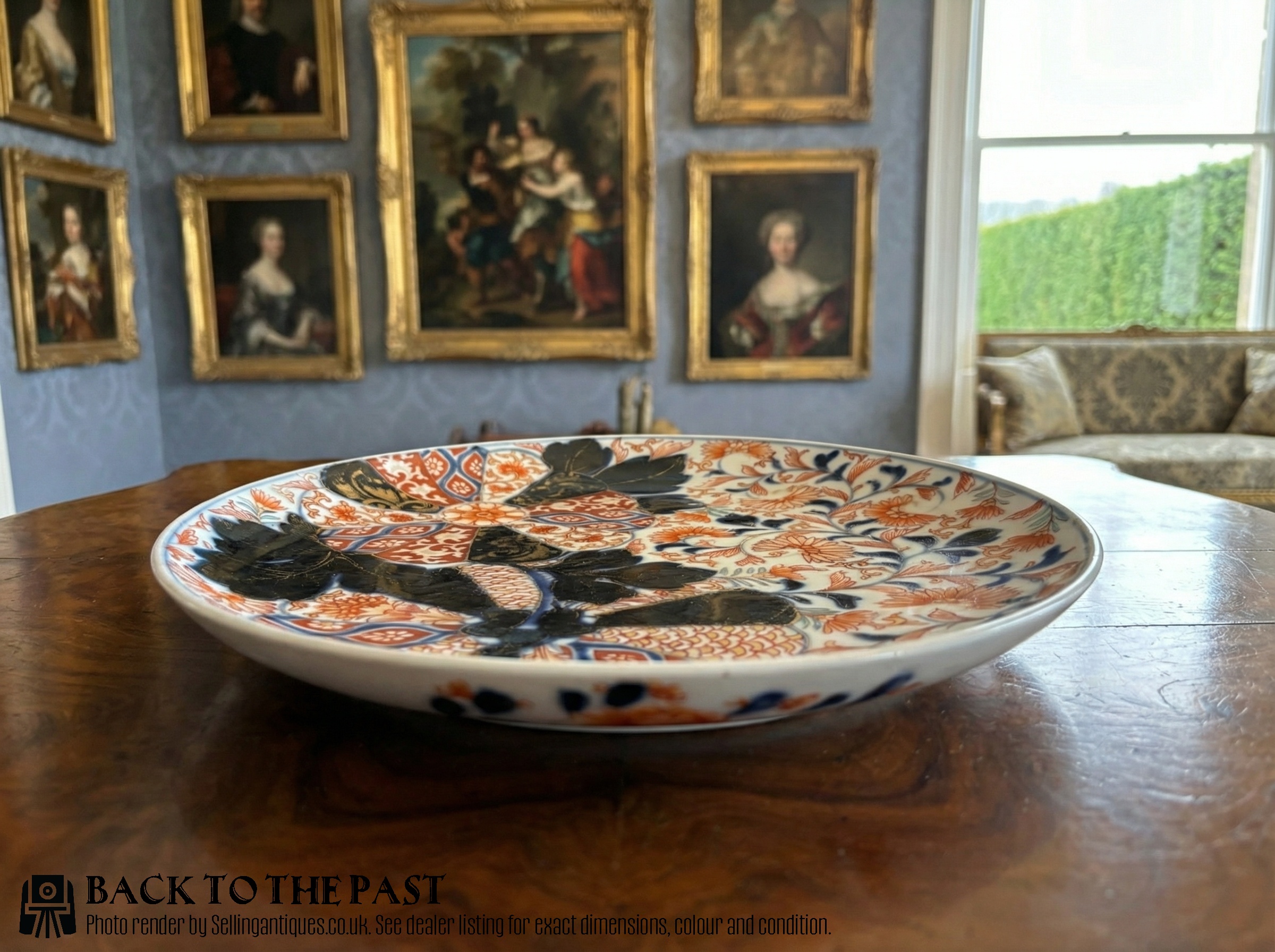
An iron red imari plate brings rich cobalt and striking crimson together, offering a traditional ceramic aesthetic that collectors prize for display.
What these pieces are
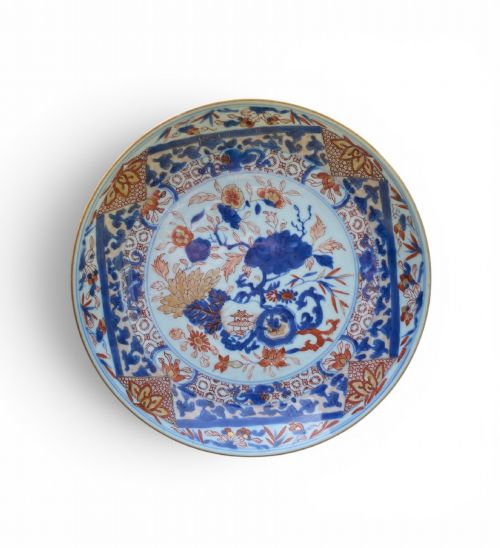
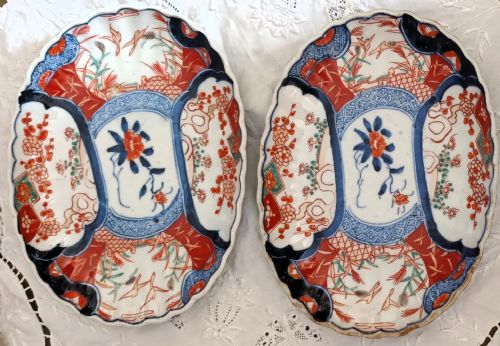
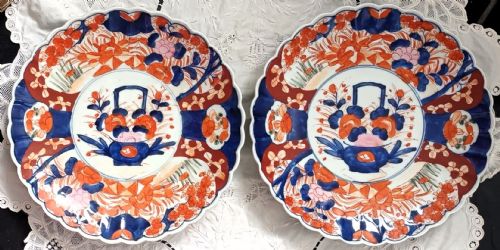
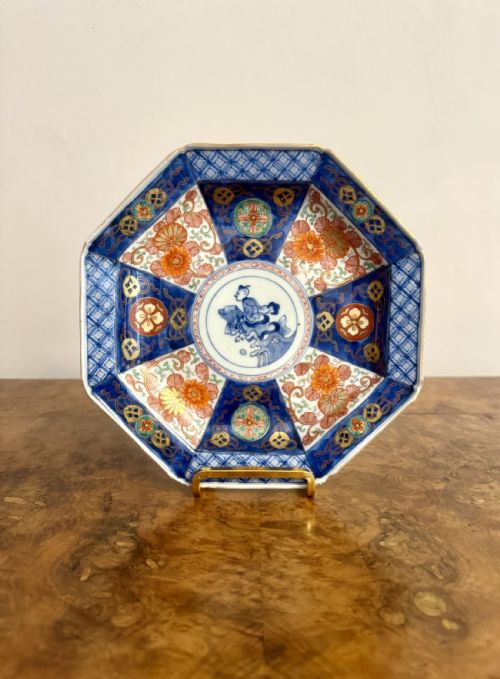
When you search for an iron red imari plate, you are looking at decorative porcelain pieces originating from Japanese and Chinese kilns. The listings on this page span the eighteenth century, the nineteenth century, and around nineteen hundred, featuring both charger sizes and standard decorative plates.
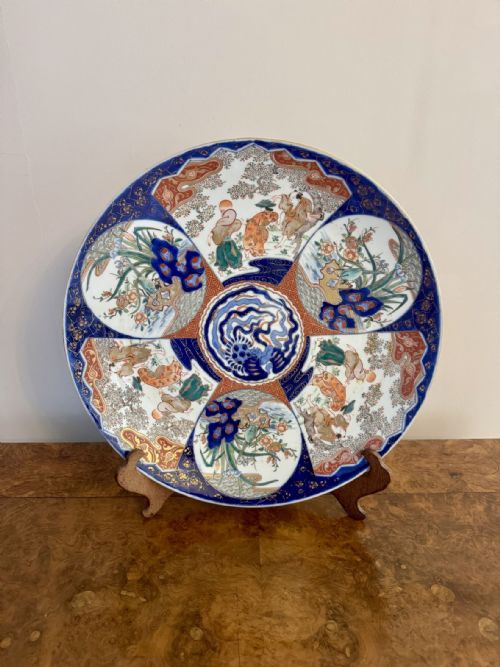
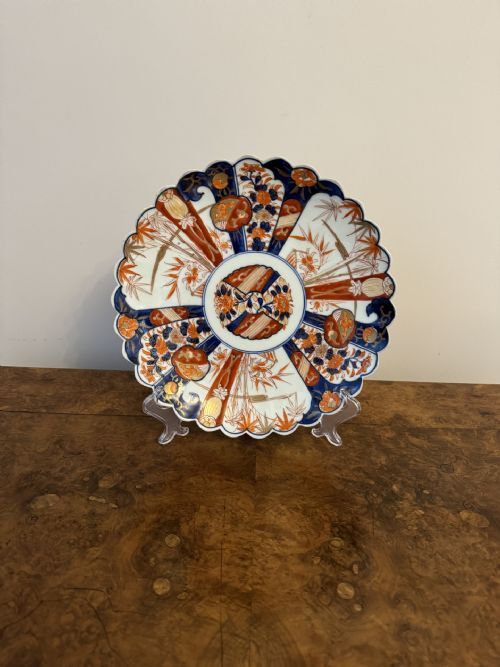
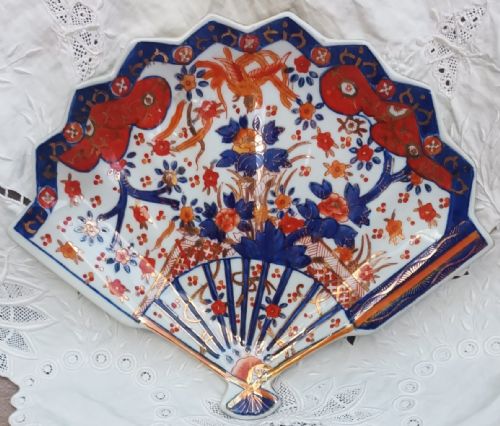
Most examples you will meet here are Japanese imari plates created during the Meiji period or late nineteenth century. These forms typically display hand-painted floral and bird designs in the characteristic palette.
You will also find Chinese export examples, specifically eighteenth-century scalloped dishes executed in the imari style. These diverse origins show how potters across Asia adapted the distinctive red, blue, and gold decorative scheme.

How they were made
Potters shaped hard-paste porcelain before applying underglaze cobalt blue to create the initial foundational patterns. Artisans then added iron red enamel and gold leaf or gilding over the glaze in subsequent firing stages.
Every piece recorded here relies on hand-painted execution rather than transfer printing. The combination of cobalt, iron red enamel, and gilding required precise control in the kiln to achieve the vibrant contrast seen on these plates and chargers.
Retail Price Guide 2026
Typical UK retail prices for iron red imari plate, calculated from the Sellingantiques database of over a million retail prices indexed since 2003. This retail price guide relies exclusively on Sellingantiques data; no external sources or auction records are used, so the figures do not describe the wider market.
Listings feature hard-paste porcelain plates and chargers spanning the eighteenth century to around nineteen hundred, executed in Japanese imari and Chinese export styles.
What varies in quality
The distinction between standard domestic wares and superior examples lies in the finesse of the hand painting. Finer plates display crisp execution in the floral and bird motifs, with precise application of iron red enamel and gold leaf.
Scale and proportion also define the upper tier, particularly in large chargers measuring over twenty inches in diameter. The depth of the cobalt blue and the richness of the gilding separate exceptional decorative dishes from simpler productions.
The Iron Red Imari Plate Glossary
- Imari
- A style of ceramic decoration originating in Japan, characterised by a palette of underglaze cobalt blue, iron red enamel, and supplementary gilding. This aesthetic was later adopted by Chinese export kilns.
- Charger
- A large decorative plate intended for display on a sideboard or wall rather than for dining use. These pieces often measure significantly wider than standard table plates.
- Hard-paste porcelain
- A dense, vitrified ceramic material fired at high temperatures. It forms the durable white body typical of antique Asian porcelain.
- Cobalt blue
- An intense mineral pigment applied under the glaze to create deep blue outlines and details. It provides the cool foundation for the warm iron red elements.
- Iron red enamel
- A bright red decorative pigment applied over the glaze and fired at a lower temperature. It stands out sharply against the white porcelain and cobalt elements.
Frequently Asked Questions
What is an iron red imari plate?
An iron red imari plate is a hand-painted porcelain decorative dish featuring the distinctive palette of cobalt blue, iron red enamel, and gilding. These pieces originate primarily from Japanese and Chinese kilns across the eighteenth and nineteenth centuries.
Collectors prize them for their vibrant floral and bird designs, which make them striking focal points for wall display or cabinet presentation.
How were these plates used historically?
Historically, many of these large plates and chargers served as decorative display items in elite European and Asian interiors rather than everyday tableware. Their intricate painting made them prized status symbols for wealthy households.
Smaller dishes saw occasional use in formal dining settings, while larger chargers remained on display on sideboards and dressers.
How do I date an antique imari plate?
Dating relies on examining the porcelain body, the characteristics of the cobalt blue, and the style of the hand-painted motifs. Eighteenth-century Chinese export pieces often show different potting techniques compared to late nineteenth-century Japanese Meiji examples.
Comparing the brightness of the iron red enamel and the wear on the gilding also helps determine the approximate age.
How should I display an antique charger?
Antique chargers require sturdy wall hangers specifically designed for heavy porcelain, or secure cabinet grooves that support the full diameter of the dish. Position them away from direct sunlight to protect the iron red enamel and gold leaf.
Ensuring the mount distributes the weight evenly prevents stress on the hard-paste body.