






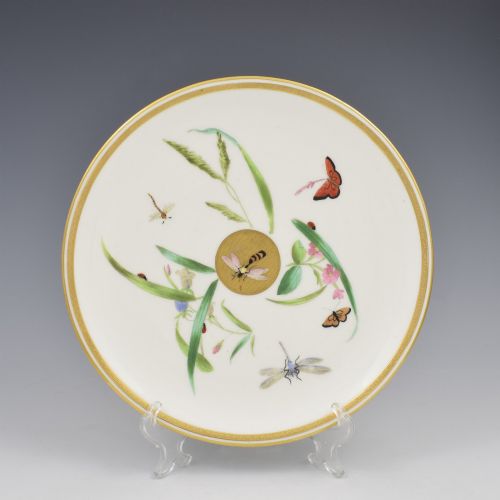
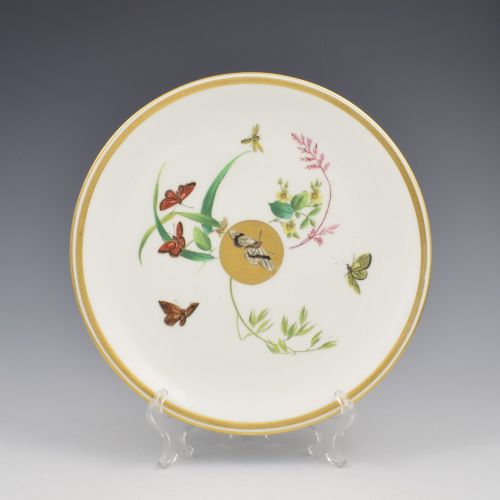

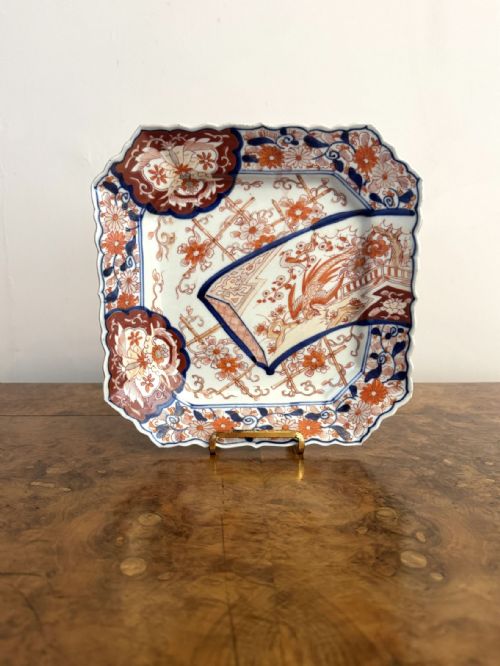




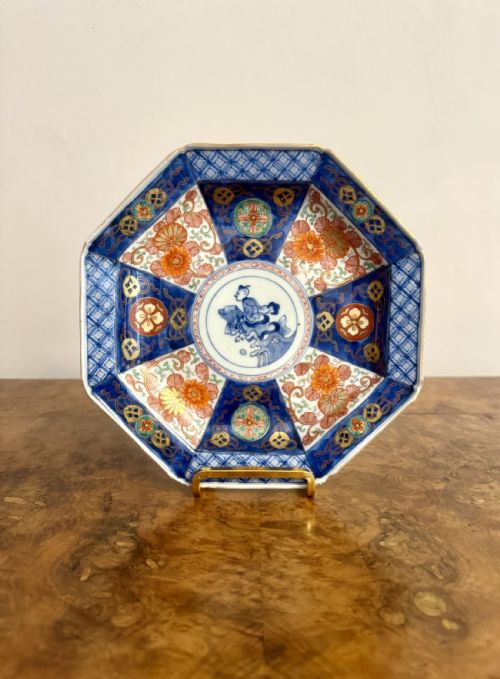
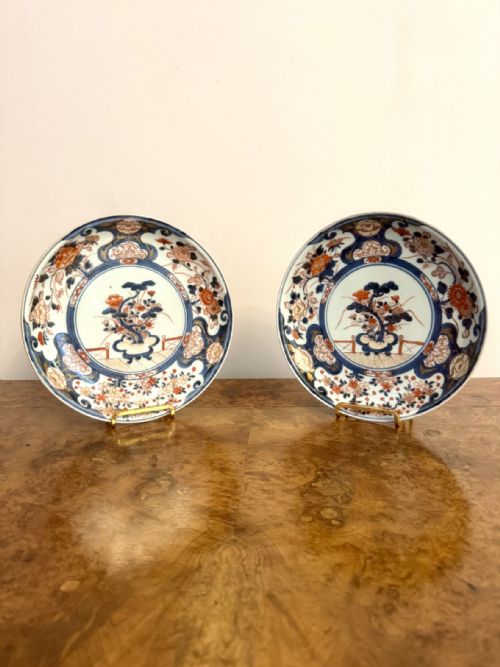
Japanese Porcelain Display Dish
A japanese porcelain display dish brings centuries of ceramic artistry into your home, offering vibrant decoration and rich cultural history.

What They Are
When you search for a japanese porcelain display dish, you encounter decorative plates, decorative bowls, and chargers and bowls produced in Japan during the nineteenth century and around nineteen hundred.
The selections on this page predominantly feature Japanese Imari styles, alongside Japanese Arita pieces and items from the Japanese Meiji period.
These vessels serve primarily as decorative objects, designed to be showcased on walls, tables, or display stands rather than for daily dining use.
How They Were Made
Maker workshops utilised porcelain clay as the base material, shaping them into plates and bowls before applying cobalt underglaze.
Artisans decorated the surfaces using colourful enamel paints and highlighted specific motifs with gold leaf and gilt details.
Retail Price Guide 2026
Typical UK retail prices for japanese porcelain display dish, calculated from the Sellingantiques database of over a million retail prices indexed since 2003. This retail price guide relies exclusively on Sellingantiques data; no external sources or auction records are used, so the figures do not describe the wider market.
Listings span the nineteenth century and nineteen hundred, featuring materials like porcelain, enamel, gold leaf, glaze, cobalt, and gilt.
What Varies in Quality
The refinement of the painted details and the precision of the cobalt underglaze work separate standard production pieces from finer examples.
The application of gold leaf and enamel adds depth and complexity, influencing the visual impact of the dish.
The Japanese Porcelain Display Dish Glossary
- Imari
- A traditional style of Japanese porcelain featuring distinctive blue, iron red, and gold decoration. It originated from the port town of Imari in Saga prefecture.
- Arita
- A Japanese town renowned for its ceramic production and the birthplace of Japanese porcelain. Arita wares form the foundation of many classical export styles.
- Meiji Period
- The era in Japanese history spanning from eighteen sixty-eight to nineteen twelve. This period saw significant growth in decorative arts exported overseas.
- Cobalt Underglaze
- A blue pigment applied to ceramic pieces before glazing and firing. This technique creates durable designs that resist fading over time.
Frequently Asked Questions
What is a Japanese porcelain display dish?
It is a decorative ceramic plate or bowl originating from Japan, typically created for visual appeal rather than practical serving use.
These pieces showcase traditional glazing and painting techniques developed over generations of pottery making.
How do I date these porcelain dishes?
Dating relies on stylistic markers, materials, and historical periods such as the nineteenth century or the Meiji era.
Examining the underside, glaze characteristics, and pigment application helps determine the age of the piece.
Where should I display my dish?
These decorative items suit placement on dedicated plate stands, inside glass cabinets, or mounted securely on walls.
Positioning them away from direct sunlight preserves the vibrancy of the enamel and gold leaf details.
What styles are most common?
Japanese Imari and Arita styles appear frequently, recognised by their rich colour palettes and intricate patterns.
Meiji period examples also feature prominently among these decorative plates and shallow bowls.