





Japanese Ceramic Plate
A Japanese ceramic plate brings striking patterns and historic craftsmanship to a wall or cabinet.
Japanese Ceramic Plate
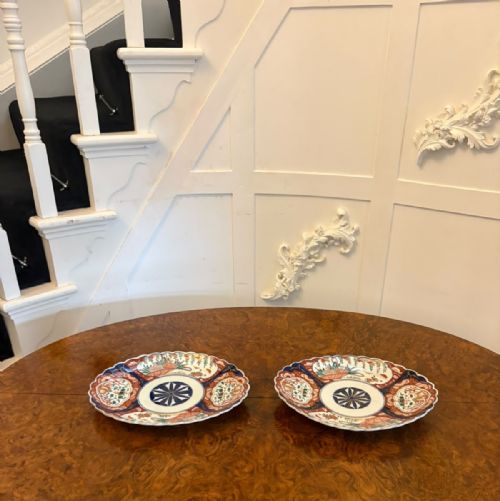
When searching for a japanese ceramic plate, collectors encounter a diverse array of decorative dishes, cabinet plates, and large chargers spanning the nineteenth century into the early twentieth century. The selection leans heavily toward Meiji period production alongside Victorian interpretations of Japanese styles.
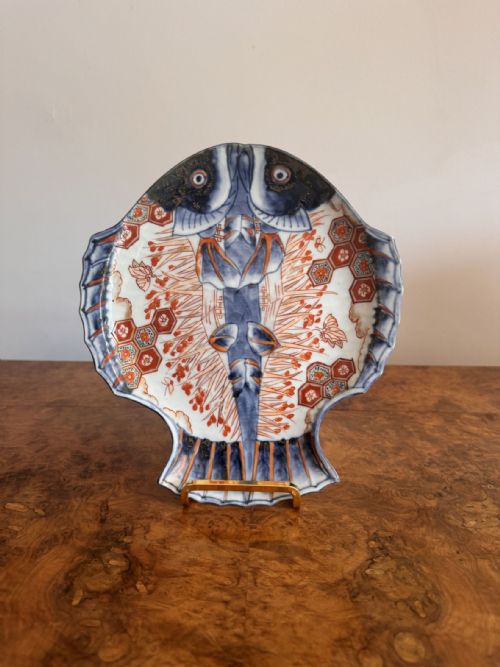
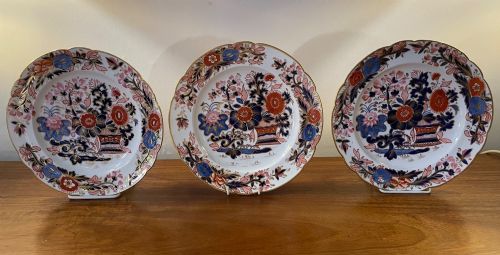
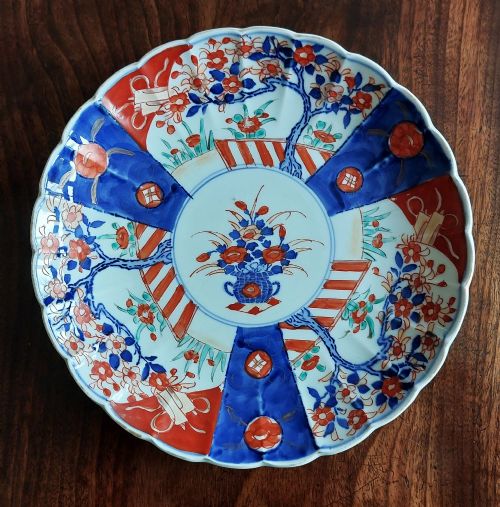
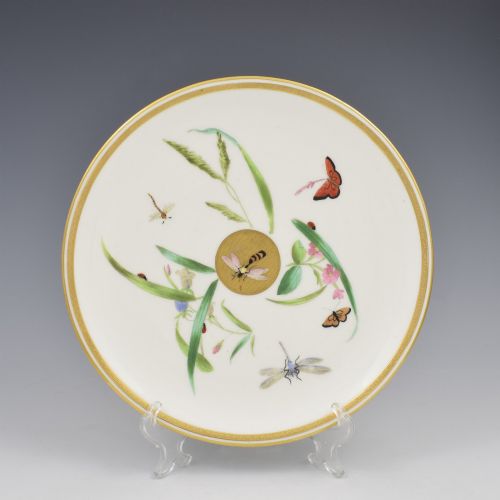
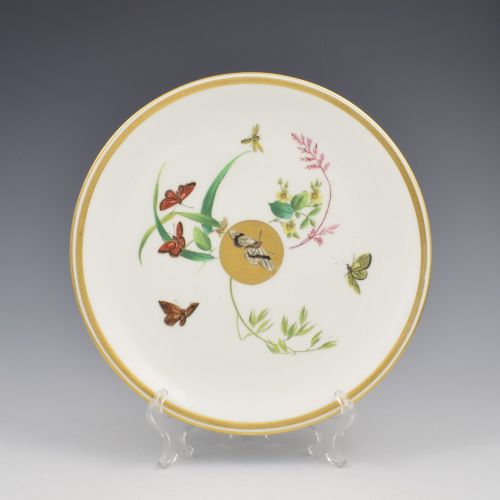
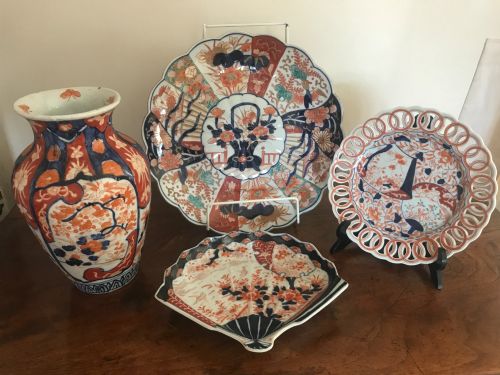
Most examples originate from traditional centres like Imari and Arita, presenting distinct forms such as scalloped edges, fish shapes, and hexagonal outlines. Alongside these imported pieces, the inventory contains English porcelain dessert plates created during the Aesthetic period under Japanese influence.
Materials and methods
Potters shaped these objects primarily from white porcelain and earthenware, applying cobalt underglaze pigments before the initial firing. Artisans then built up intricate surface details using enamel colours, gilding, and gold leaf.
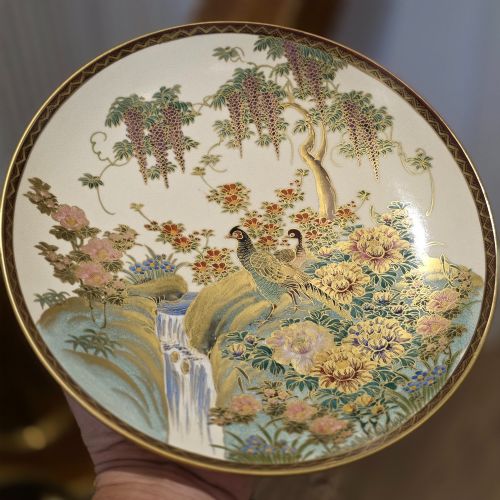
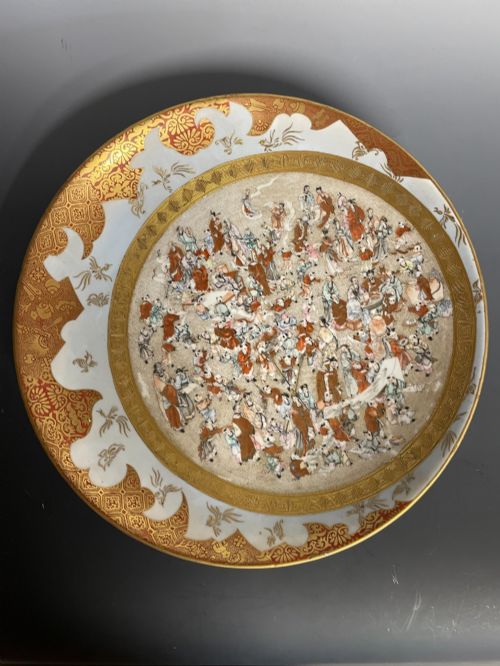
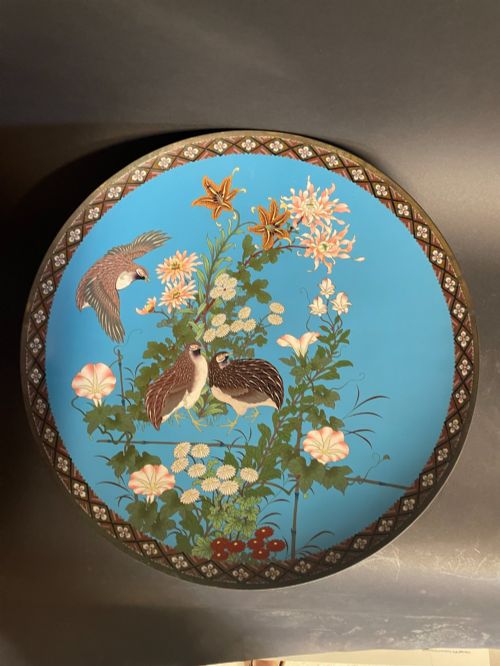
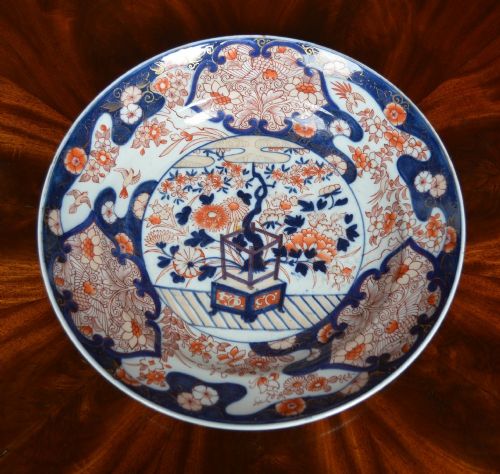
Certain decorative pieces incorporate cloisonné techniques or heavy moriage relief work to create raised floral and avian motifs. The combination of underglaze blue and overglaze iron red forms the bedrock of the classic Imari palette seen across the majority of items.
Among the formal round dishes and chargers, a sudden fish-shaped plate swims into view.
Judging the work
Quality rests upon the precision of the hand-painted brushwork and the crispness of the porcelain body. Pieces showing meticulous attention to detail in floral, bird, and geometric borders stand well above standard commercial output.
The richness and stability of the enamel work, alongside the generous application of gold leaf or gilt highlights, determine the visual strength of a charger or dish. Superior examples maintain clear, vibrant pigments without blurring or excessive wear to the glazed surface.
Koshida·Minton·Makuzu Kozan
The Japanese Ceramic Plate Glossary
- Imari
- A traditional Japanese style of porcelain decoration defined by a palette of cobalt blue, iron red, and gold. This aesthetic heavily influenced both export markets and European manufacturers.
- Charger
- A large decorative plate traditionally utilised for display on a sideboard or wall rather than for dining purposes. These substantial pieces often showcase the most ambitious artistic work.
- Meiji Period
- The era in Japanese history spanning from 1868 to 1912, noted for a massive surge in export ceramics tailored for Western collectors. Pieces from this time display extraordinary technical range.
- Moriage
- A type of ceramic decoration featuring raised slip applied to create a textured, three-dimensional surface effect. This technique frequently highlights foliage and feathers on Satsuma ware.
- Aesthetic Period
- A late nineteenth-century British design movement that championed Asian art influences, leading potteries to adopt Japanese compositional elements. Minton dessert plates represent this cross-cultural exchange.
Japanese Ceramic Plate: Frequently Asked Questions
How do I hang a heavy charger?
Large chargers require robust, coated wire wall hangers that distribute weight evenly across the rim without causing friction damage to the glaze.
Ensure the fixing is secured directly into wall studs or appropriate masonry anchors to support the porcelain safely.
Were these plates meant for dining?
The majority of large chargers and decorative dishes served purely ornamental functions within the home, displayed on walls or furniture.
Smaller plates occasionally saw functional use, but antique export wares are generally preserved today for display due to delicate overglaze enamels.
How do I clean antique porcelain?
Dust the surface gently with a soft, dry brush to remove particles without abrading the gilt highlights or enamel layers.
Avoid soaking pieces with gold leaf or metal mounts in water, wiping them instead with a barely damp cloth when necessary.
What defines the Meiji period style?
Meiji ceramics display an incredible ambition in design, combining traditional motifs like peacocks and wisteria with unprecedented technical skill in layering enamels.
Export wares from this era often feature densely packed geometric borders framing central pictorial scenes.