








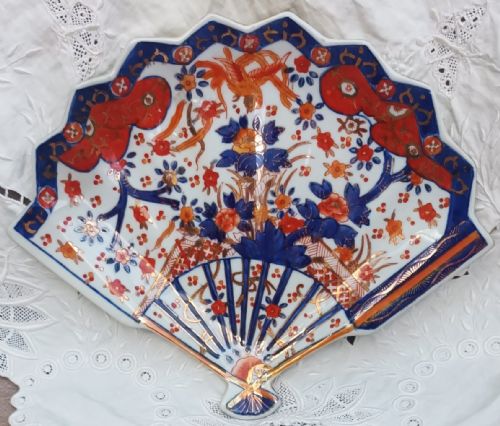
Imari Porcelain Platter
An imari porcelain platter brings together rich iron-red and cobalt hues on ceramic, offering striking displays for collectors of traditional wares.

Imari Porcelain Platter
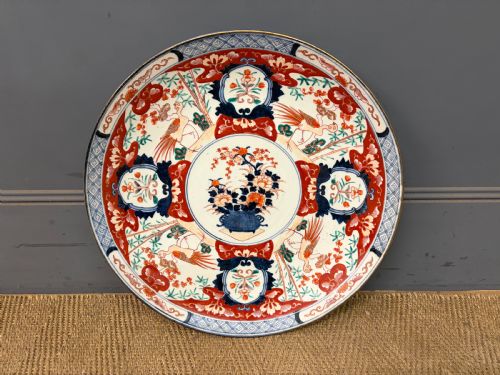
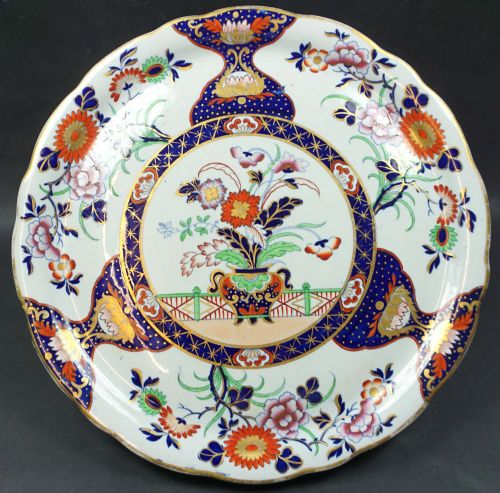
When you search for an imari porcelain platter, you encounter a range of decorative plates, chargers, and serving dishes spanning the eighteenth, nineteenth, and early twentieth centuries. These pieces cross cultural traditions, encompassing Japanese items from the Edo and Meiji periods alongside Chinese export wares and English interpretations.
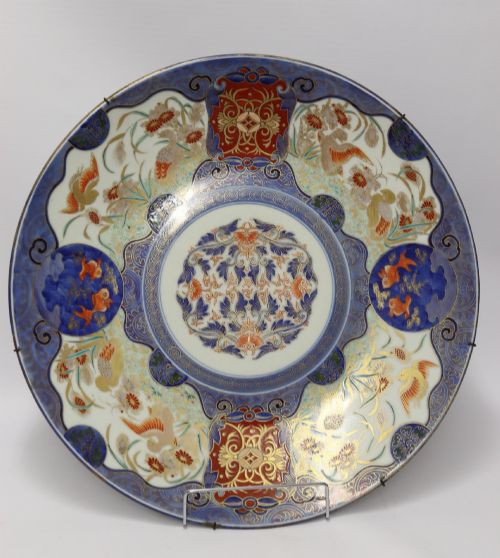
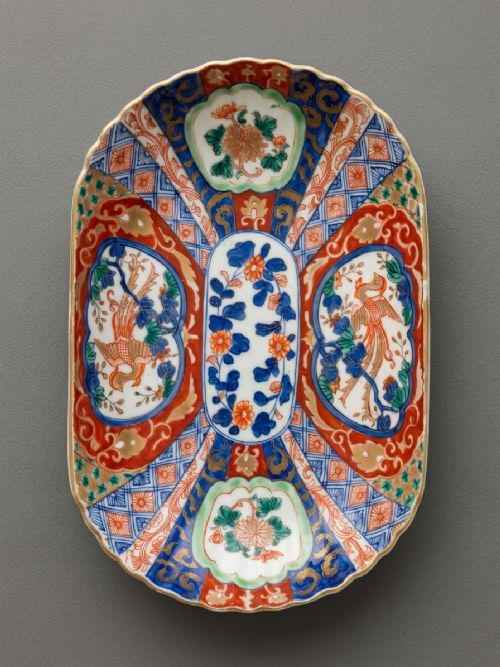
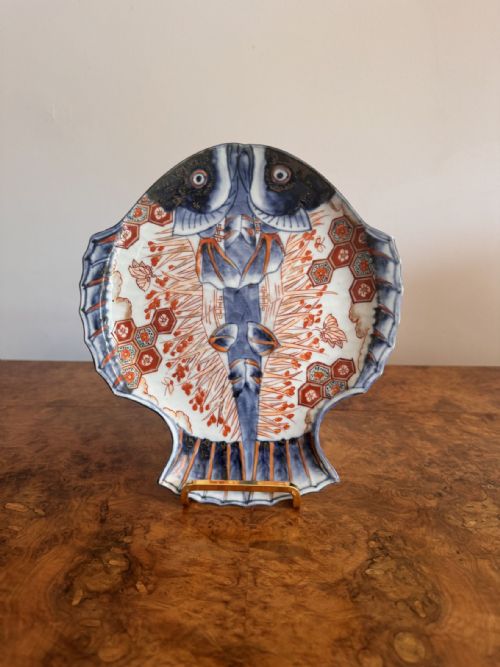
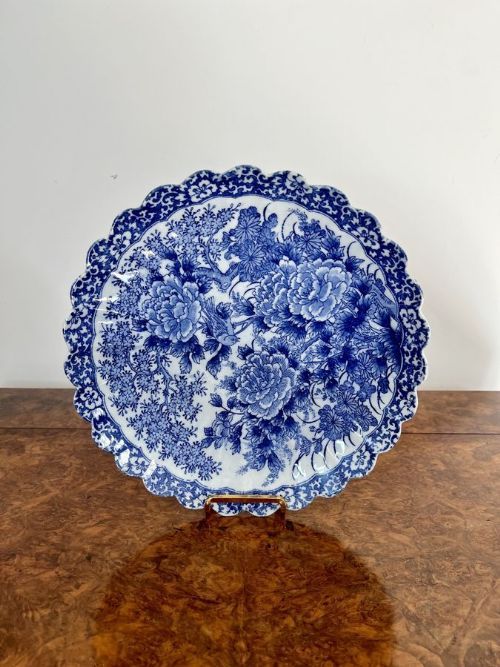
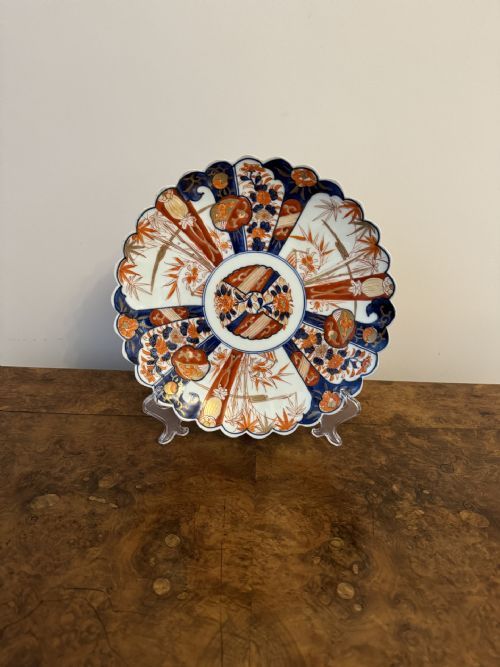
The most common formats on this page are large Japanese chargers and scalloped plates featuring traditional motifs such as birds, floral arrangements, and figurative scenes. Alongside these round charger plates, you also find unusual variations shaped like fish, fans, clamshells, and squares.
Originating from diverse production centres, these ceramics reflect historical trade routes and aesthetic exchanges between Asian kilns and European markets. English potteries also adopted the distinctive palette, producing ironstone and porcelain services decorated in the characteristic style.
Materials and construction methods
The foundation of an imari porcelain platter is hard-paste ceramic body or porcelain, fired at high temperatures to achieve a durable finish. Artisans applied cobalt underglaze details directly to the clay body before the initial firing.
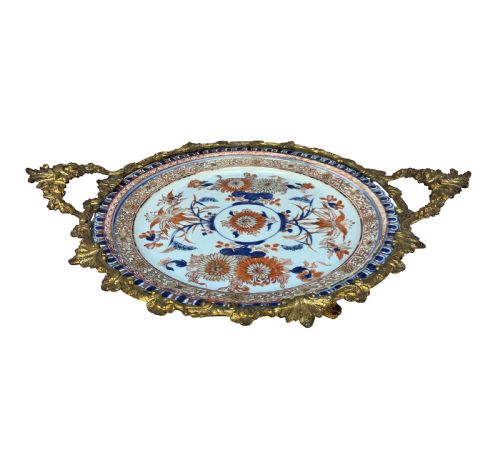
Overglaze enamels in iron-red and other colours were subsequently hand-painted onto the glazed surface, often accented with gold leaf or gilding. Some specialised English and European pieces incorporated ormolu mounts to frame and elevate the ceramic body.
Imari Porcelain Platter Retail Price Guide 2026
Typical asking prices for imari porcelain platter among the pieces listed under this phrase on Sellingantiques today, from the lower quarter to the upper quarter. They describe what is for sale here now, not the wider market.
The inventory spans the eighteenth, nineteenth, and early twentieth centuries, including Edo, Meiji, and Victorian periods.
Assessing quality and craftsmanship
Quality in an imari porcelain platter rests on the precision of the hand-painted brushwork and the vibrancy of the cobalt underglaze and iron-red enamel combination. Pieces displaying crisp details, carefully delineated floral and bird designs, and well-preserved gilding stand apart.
The weight, symmetry, and potting skill of the ceramic base also distinguish finer items, particularly in unusual forms such as fan-shaped or square plates. Early Edo period and eighteenth-century examples demonstrate distinct throwing and firing characteristics compared to later Victorian and Meiji period outputs.
Royal Crown Derby·Hicks and Meigh·John Davenport of Longport·Wedgwood
The Imari Porcelain Platter Glossary
- Imari palette
- A traditional decorative colour scheme dominated by cobalt blue underglaze and iron-red overglaze, frequently heightened with gold leaf. This distinct palette originated in Japanese kilns before influencing European ceramics.
- Charger
- A large decorative plate or dish utilised primarily for display or serving during formal meals. These substantial pieces often measure significantly wider than standard dinner plates.
- Meiji Period
- The era in Japanese history spanning from 1868 to 1912, noted for significant export pottery production. Items from this period often display intricate hand-painted floral and figurative designs.
- Edo Period
- The period in Japanese history lasting from 1603 to 1867, encompassing early developments in export ceramics. Surviving pieces from this time demonstrate traditional regional potting techniques.
- Cobalt Underglaze
- A blue pigment applied to raw ceramic pottery before glazing and high-temperature firing. This technique ensures the blue colour remains permanent and protected beneath the glassy surface.
Imari Porcelain Platter: Frequently Asked Questions
Can I use these platters for serving food?
While these ceramics were originally functional serving dishes, antique pieces require careful consideration before daily use. Historic overglazes and gold leaf can wear down with repeated contact with cutlery and acidic foods.
Many collectors prefer to display chargers on walls or stands to protect the hand-painted surfaces from modern wear and tear.
How do I distinguish Japanese imari from English copies?
Examine the paste, weight, and potting characteristics of the ceramic body alongside the style of the hand-painted motifs. Japanese pieces often utilise specific clays and traditional brushwork native to Arita kilns.
English makers such as Davenport and Wedgwood produced distinct ironstone or porcelain interpretations featuring similar palettes but marked with factory stamps or characteristic body compositions.
What is the difference between a plate and a charger?
A charger is substantially larger than a standard dining plate, traditionally designed for ceremonial service or as a decorative base beneath other dishes. These large platters provide an expansive canvas for elaborate painted scenes.
Standard plates tend to be smaller, shallower, and were made for individual dining portions rather than central table display.