






Japanese Decorative Ceramic Dish
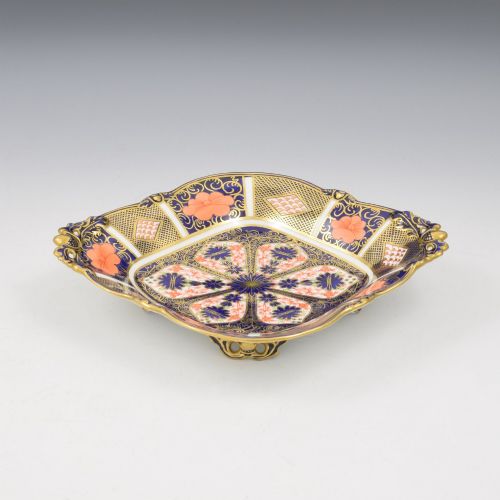
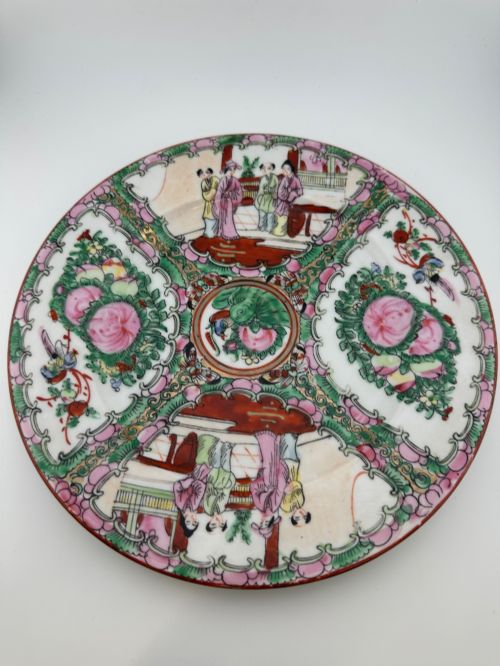
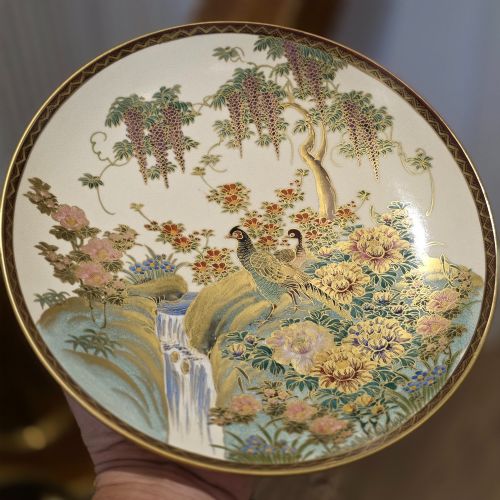
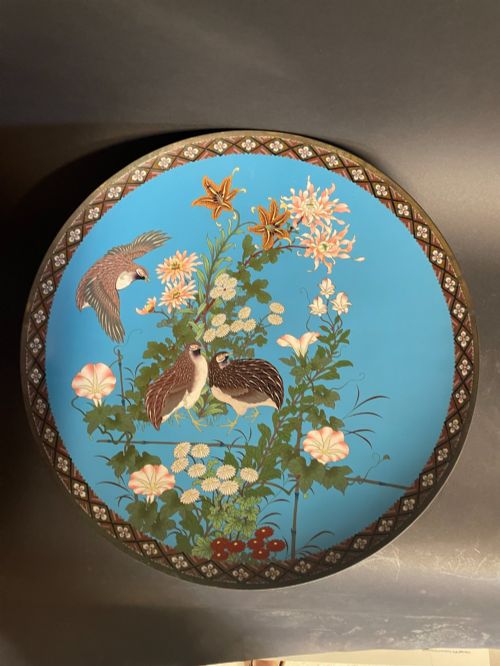
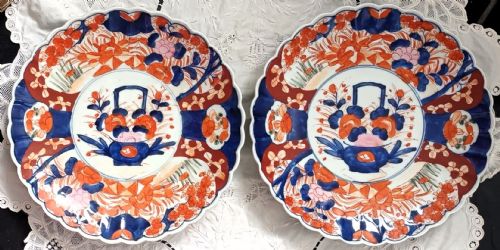
These Japanese decorative ceramic dish examples bring hand-painted porcelain and earthenware into your home through traditional Imari, Satsuma, and Kutani aesthetics.
Japanese Decorative Ceramic Dish
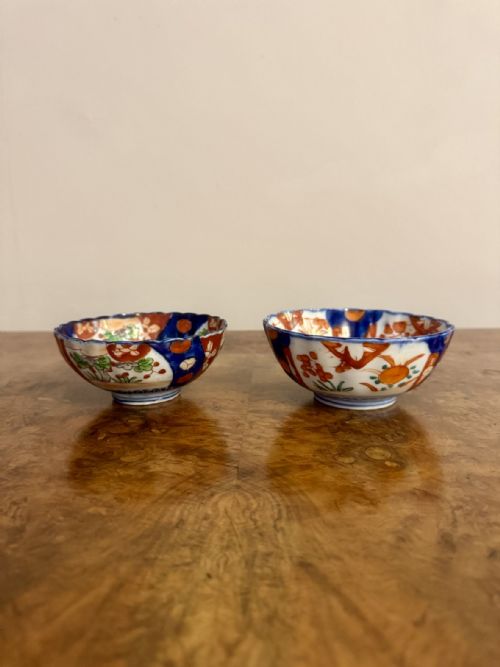
When you search for a japanese decorative ceramic dish, you encounter plates, bowls, chargers, and trays originating primarily from the late nineteenth century and the Meiji period. These items encompass large display pieces and smaller serving forms designed with distinct regional motifs.
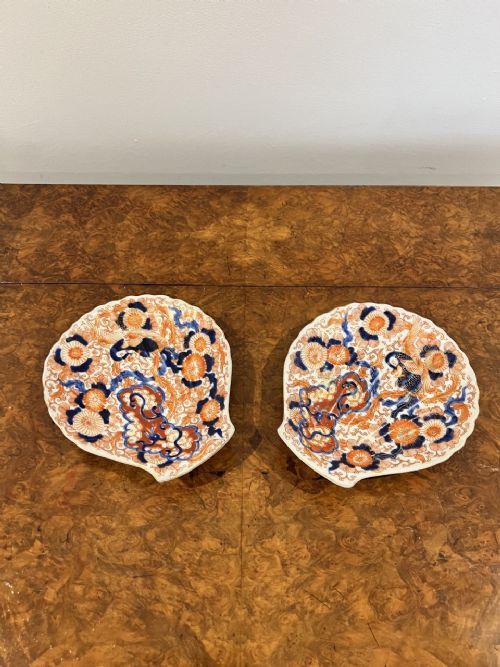
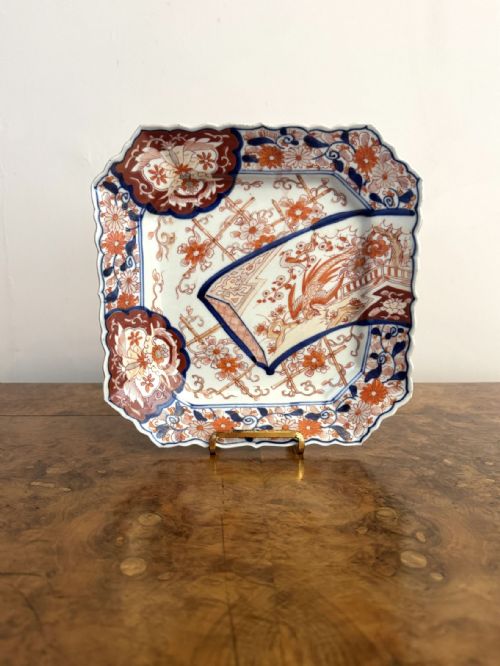
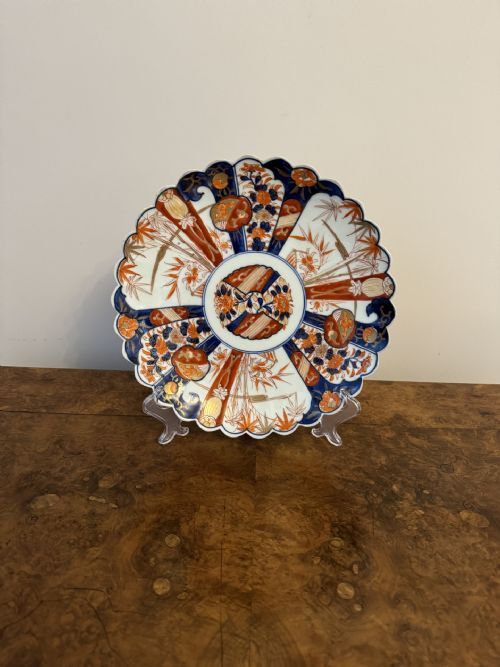
The most common examples on this page belong to the Japanese Imari tradition, alongside Satsuma earthenware and Kutani porcelain. Formats range from scalloped and square plates to deep chargers and shell-shaped dishes created for visual display.
How they were made
Potters utilised porcelain and earthenware bodies, shaping them into plates, bowls, and chargers with scalloped, square, or shell outlines. These substrates provided a stable base for detailed hand painting.
Decorators applied cobalt blue, enamel, glaze, and gold leaf to the ceramic surfaces. Kiln firing fixed the mineral colours and metallic leaf, creating durable ornamental finishes.
Divine figures make an appearance: one pair of chargers depicts the Seven Lucky Gods.
What varies in quality
The sophistication of the hand-painted design separates standard production from finer examples. Artisans who executed intricate floral, bird, or figural motifs with precision achieved greater visual depth.
The application of glaze and gold leaf influences the finish of each piece. Controlled brushwork and consistent surface lustre distinguish superior items within the range.
Koshida·Gyokkō·Kozan·Toshozan
The Japanese Decorative Ceramic Dish Glossary
- Imari
- A style of Japanese porcelain featuring a palette of cobalt blue and iron red, frequently accented with gold leaf. This tradition originated in Hizen province and gained widespread popularity for decorative display.
- Satsuma
- An earthenware ceramic type characterised by a fine crackle-glaze finish. Artisans typically decorated these pieces with polychrome enamels and gilding depicting figures and natural scenes.
- Kutani
- A category of Japanese porcelain known for bold pictorial designs and vibrant enamel colours. Pieces often incorporate gold highlights across traditional motifs.
- Charger
- A large decorative plate utilised for display rather than dining. These substantial objects showcase expansive painted compositions across their central wells and borders.
- Meiji Period
- The historical era spanning from 1868 to 1912 in Japan. Objects from this time display advanced technical skill in ceramics, enamel, and metalwork.
Japanese Decorative Ceramic Dish: Frequently Asked Questions
How do I display a charger safely?
Large chargers require sturdy plate hangers or dedicated display stands that distribute weight evenly across the rim and base. Placing them on a stable surface prevents tipping.
Keep display locations away from direct sunlight and areas subject to sudden temperature shifts to protect the glaze and enamel work.
What is the difference between Imari and Satsuma?
Imari pieces consist of hard-paste porcelain decorated in cobalt blue, red, and gold. They feature smooth glazed surfaces and resonant ceramic bodies.
Satsuma items utilise an earthenware body covered in a distinctive cream-coloured crackle glaze, painted with detailed enamel pigments.
Can I use these dishes for serving food?
Antique decorative dishes are intended for display and visual appreciation rather than daily culinary use. Historic glazes and mineral pigments are best preserved by avoiding contact with moisture and acidic foods.
Gentle dusting with a dry cloth maintains the surface without risking abrasion to the enamel or gold leaf.
How do I identify the Meiji period?
Meiji period ceramics align with the dates of the Japanese imperial reign from 1868 to 1912. Many pieces from this time bear painted or impressed maker signatures on the underside.
The style combines traditional decorative motifs with refined hand-painting techniques developed during this era of increased artistic production.