



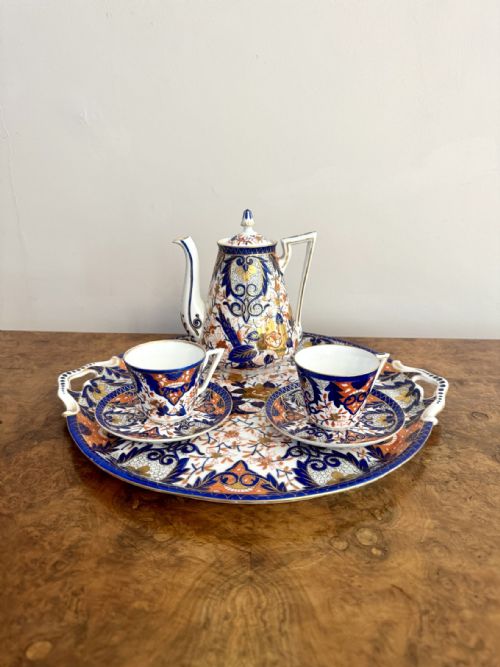
Hand Painted Japanese Ceramic
These hand painted japanese ceramic pieces bring dense polychrome palettes and intricate decorative brushwork into domestic interiors.
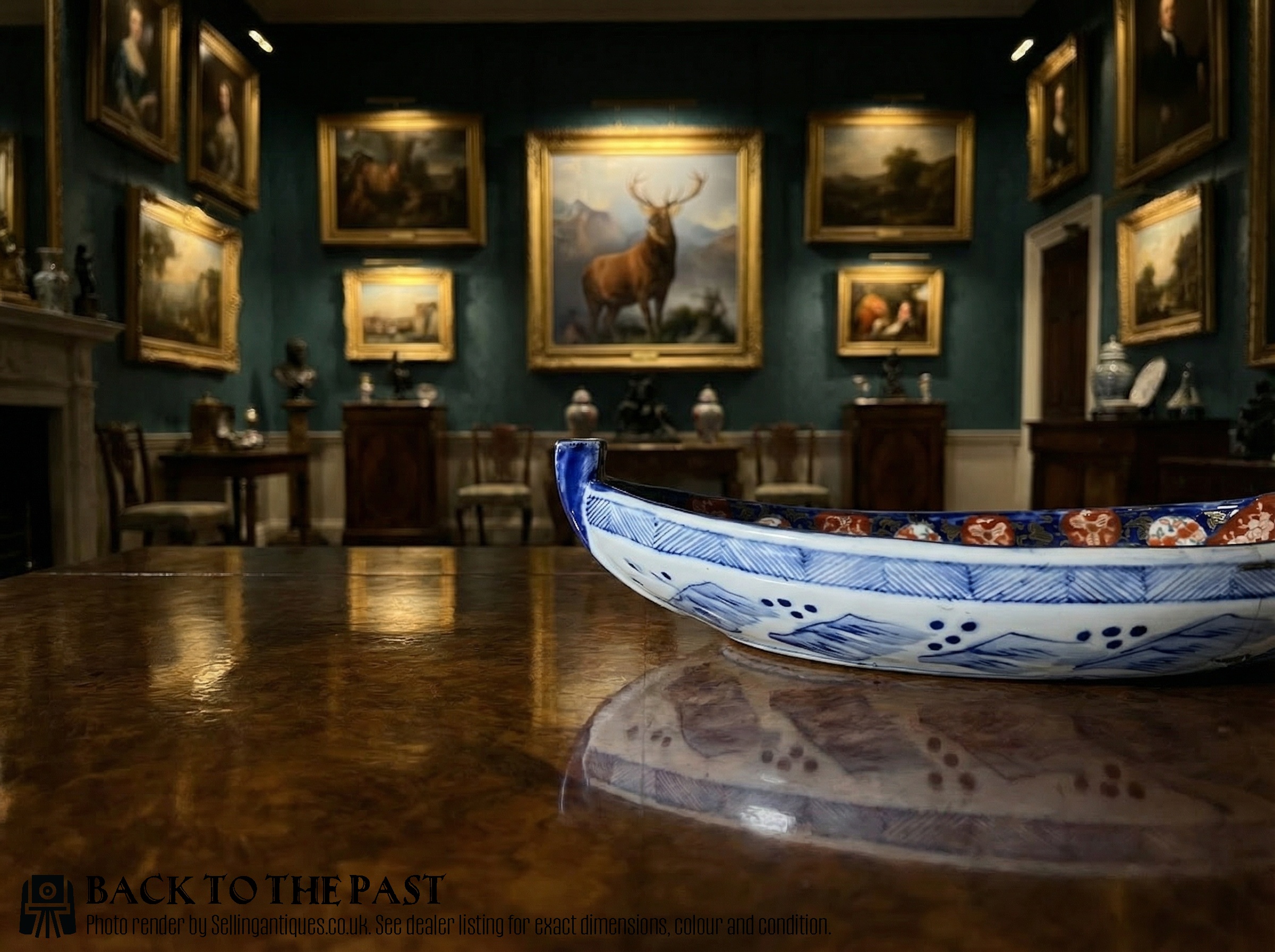
Hand Painted Japanese Ceramic
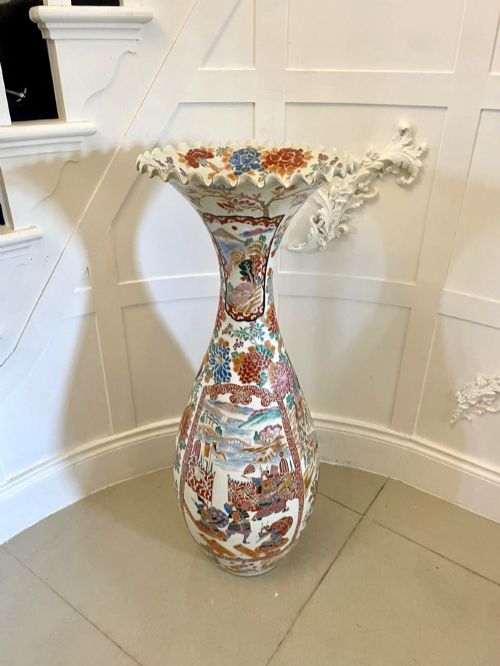
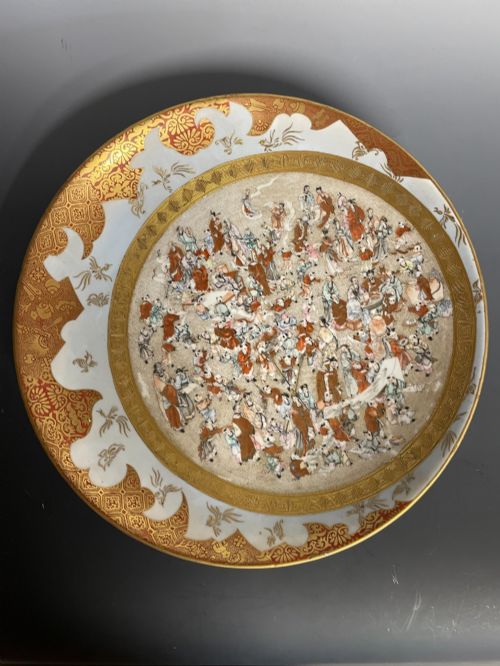
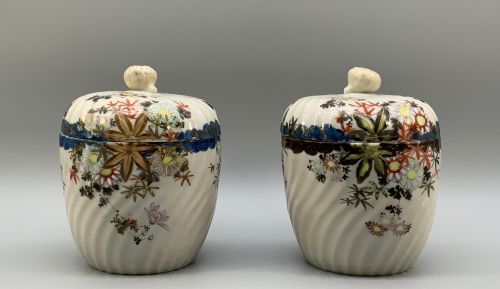
When searching for hand painted japanese ceramic objects, collectors encounter a diverse range of forms including large floor standing vases, chargers, lidded jars, and delicate tea wares. These pieces span multiple production periods, with notable representation from the Meiji and Taisho eras alongside nineteenth-century examples.
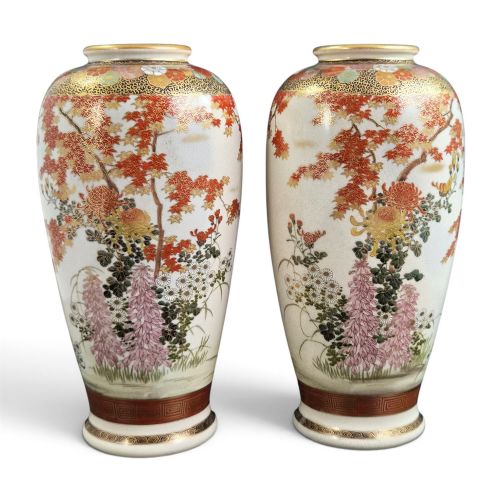
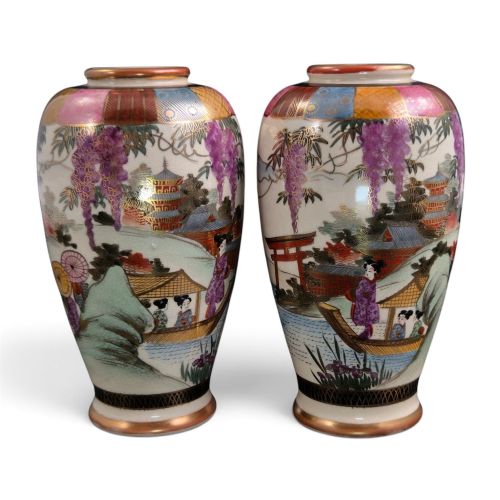
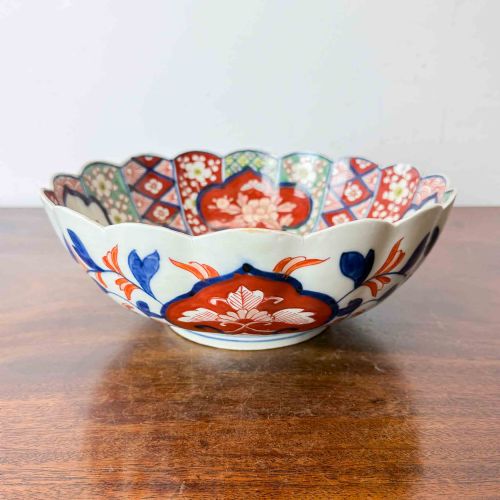
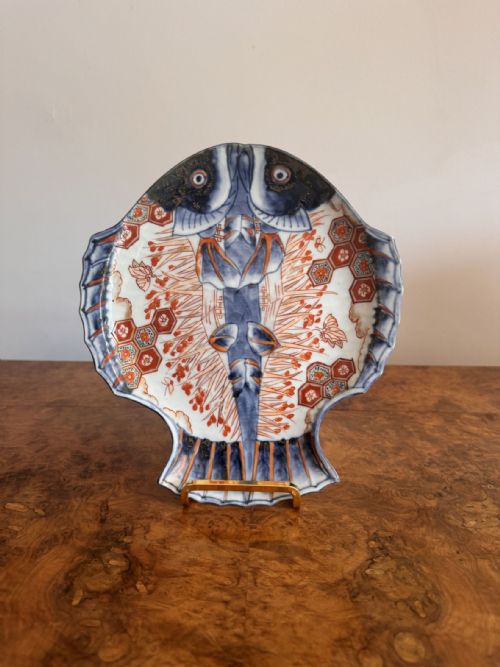
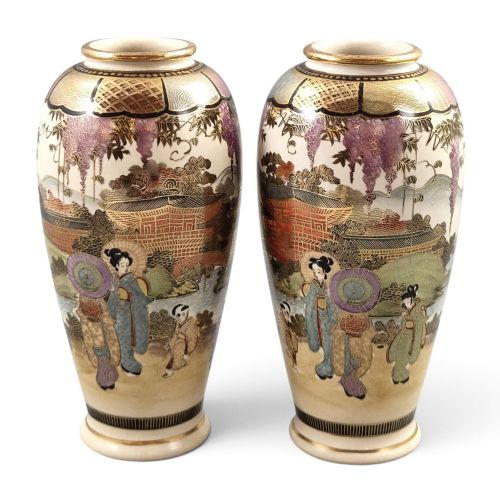
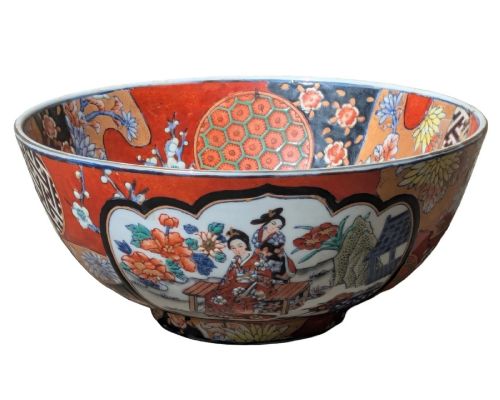
Vessels take many shapes, from standard bowls and plates to figural okimono sculptures, incense burners, and fish-shaped dishes. Satsuma ware and Imari porcelain dominate the selection, offering distinct decorative vocabularies ranging from cobalt blues and iron reds to heavily gilt Satsuma enamels.
Origins trace across traditional Japanese production centres such as Arita, Kutani, and Kobe, reflecting specific regional specialisms in earthenware and porcelain bodies. British adaptations from the Victorian period also appear, demonstrating the nineteenth-century European interest in Japanese aesthetic styles.
How they were made
Potters shaped both earthenware and porcelain bodies by hand or on the wheel before applying initial underglaze pigments such as cobalt blue. Artisans then built up complex surface designs using enamel colours and gold leaf applied over the glaze.
Kiln firing fixed the vitrified ceramic bodies and the subsequent layers of polychrome enamel decoration. Many Satsuma earthenware pieces received a fine crackle glaze beneath detailed pictorial scenes painted with micro-fine brushes.
Hand Painted Japanese Ceramic Retail Price Guide 2026
Typical asking prices for hand painted japanese ceramic among the pieces listed under this phrase on Sellingantiques today, from the lower quarter to the upper quarter. They describe what is for sale here now, not the wider market.
Fish-shaped plates swim alongside fierce temple guardians and miniature tea caddies.
What varies in quality
The precision and density of the brushwork separate standard production wares from superior examples, particularly in the rendering of figures, flora, and fauna. Master workshops executed finer line work and more deliberate compositional balance across chargers and vessels.
The application and preservation of the gilding and enamels dictate overall visual strength. Superior pieces maintain crisp, intact metal leaf highlights and vivid mineral pigments without excessive rubbing or loss from centuries of handling.
Maruni Kobe·Shozan·Kizan·Kinkozan·Ginshōtei Gyokushi
The Hand Painted Japanese Ceramic Glossary
- Imari
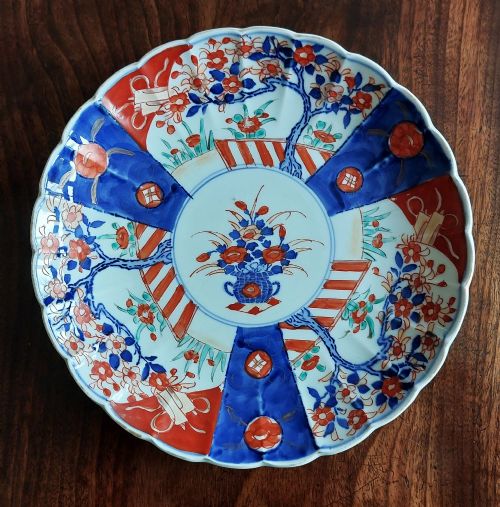
- A style of Japanese porcelain featuring a characteristic palette of cobalt blue underglaze, iron red, and gilt overglaze. The tradition originated in Arita and was widely exported through the port of Imari.
- Satsuma
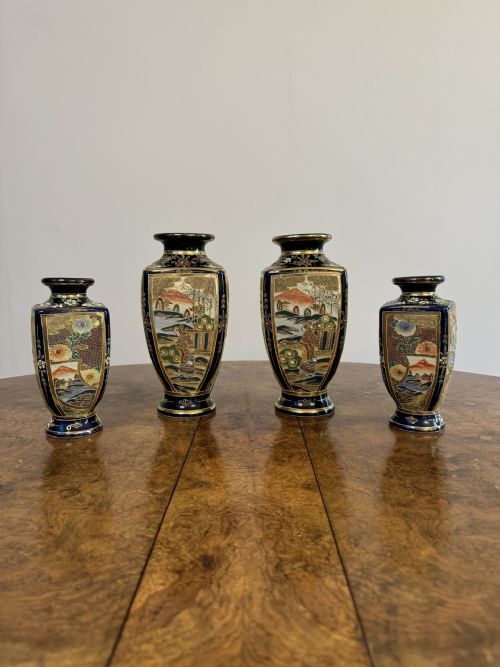
- An earthenware ceramic type originating from Satsuma Province, featuring a crackled ivory glaze decorated with polychrome enamels and raised gold. Pieces often depict figures, landscapes, and floral motifs.
- Kutani
- A style of Japanese porcelain and pottery known for bold colour schemes, predominantly featuring deep greens, blues, yellows, and purples. Wares frequently incorporate intricate geometric patterns alongside pictorial subjects.
- Koro
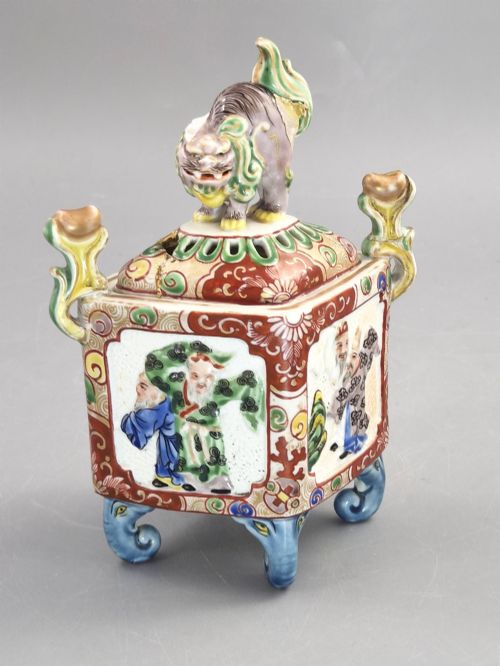
- A traditional Japanese incense burner typically supported on three or more feet and fitted with a pierced cover. These ceramic vessels allowed scented smoke to drift from the interior.
- Okimono
- A small decorative Japanese carving or ceramic figure intended for display in an alcove or on a shelf. Subjects range from mythological figures to notable historical personalities.
Hand Painted Japanese Ceramic: Frequently Asked Questions
How do I identify Satsuma ware?
Satsuma ceramics display an ivory-coloured earthenware body covered in a fine network of microscopic glaze cracks. They are heavily decorated with enamel colours and raised gold leaf.
Designs typically show dense pictorial scenes featuring human figures, birds, flowers, and landscapes. Many pieces bear maker marks or workshop signatures on the underside.
What is the difference between Imari and Kutani?
Imari wares rely on a distinct palette dominated by underglaze cobalt blue and iron red, frequently accented with gold leaf on porcelain bodies. The patterns tend to feature symmetrical panels of brocade and floral arrangements.
Kutani ceramics utilise a broader, more vibrant spectrum of greens, purples, yellows, and blues. The brushwork focuses heavily on pictorial narrative scenes and intricate geometric borders.
Can I use antique incense burners?
Historic koro incense burners are designed primarily as decorative display objects rather than functional items for frequent burning. Heat from modern incense cones can stress antique ceramic bodies and residual glazes.
If utilised, place dry aromatic materials carefully inside without direct contact with vulnerable interior surfaces. Ensure the pierced lid remains stable on its seating.