





Imari Porcelain Serving Dish
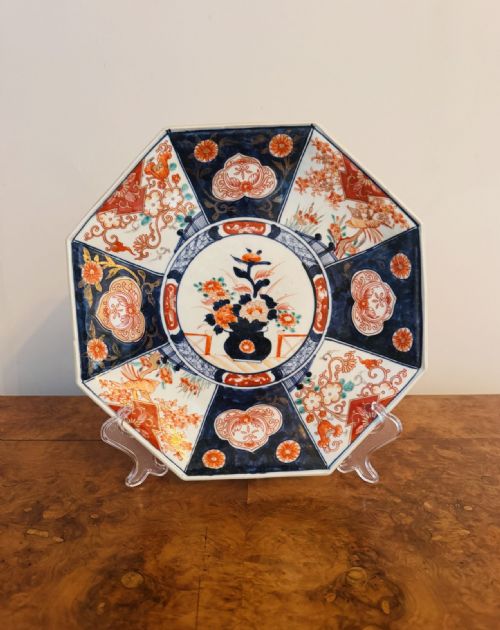
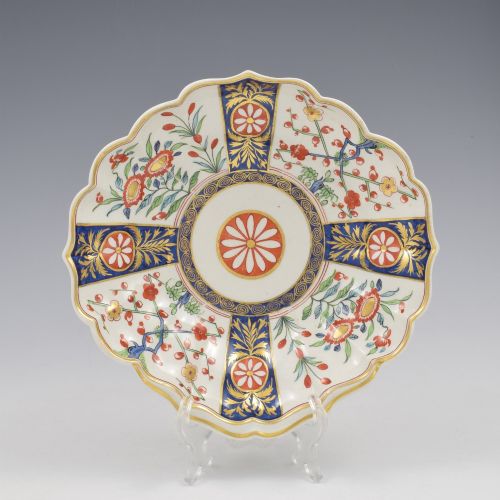
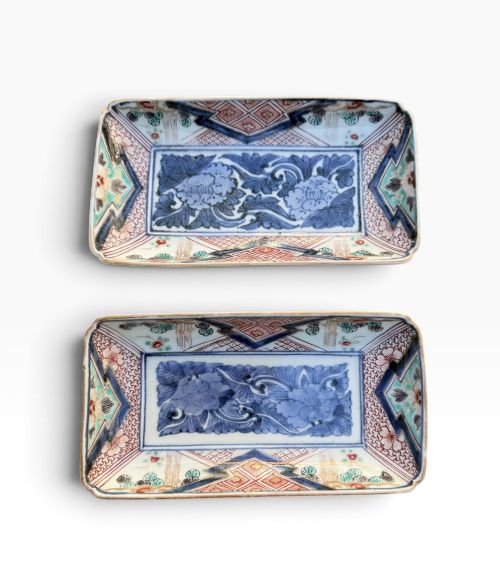
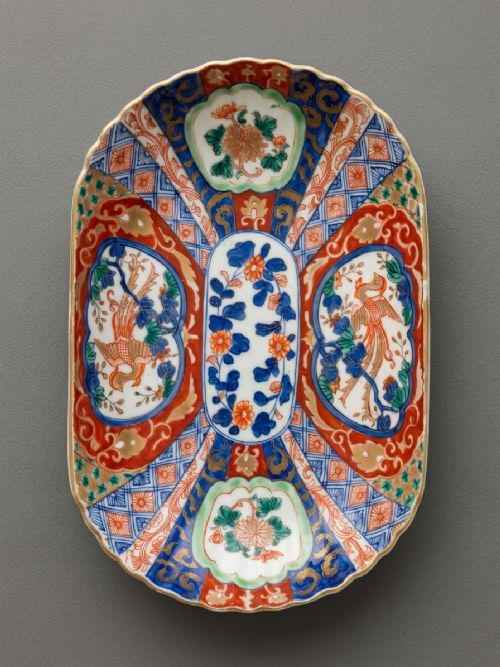
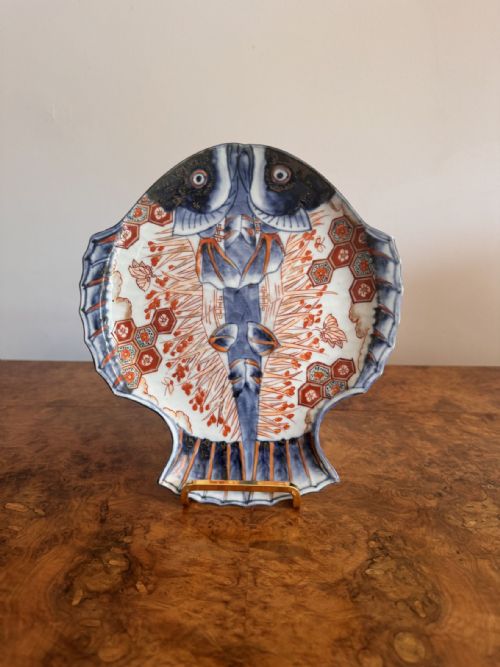
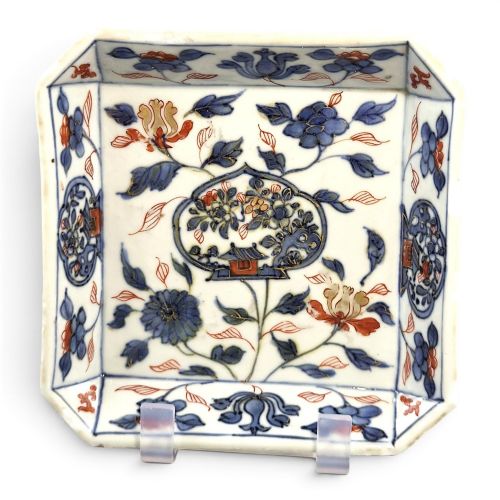
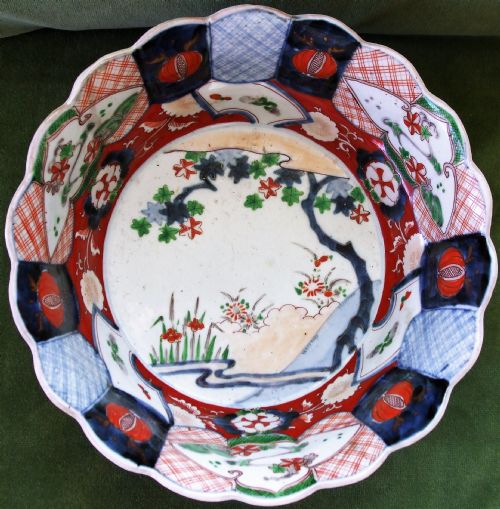
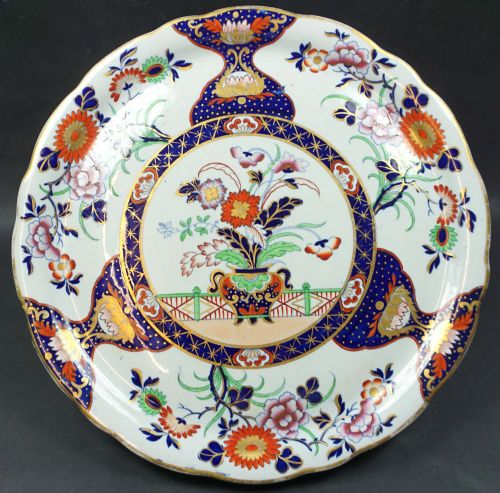
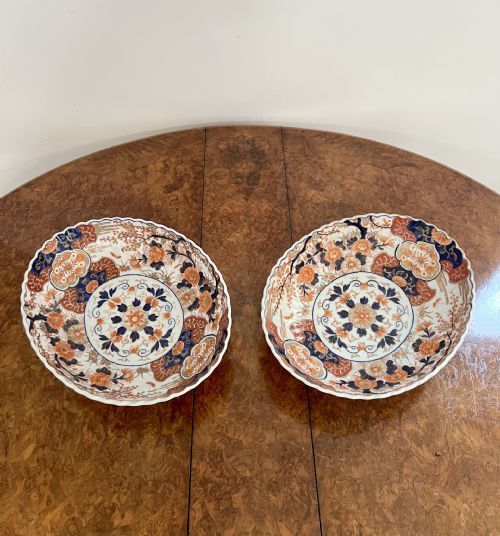
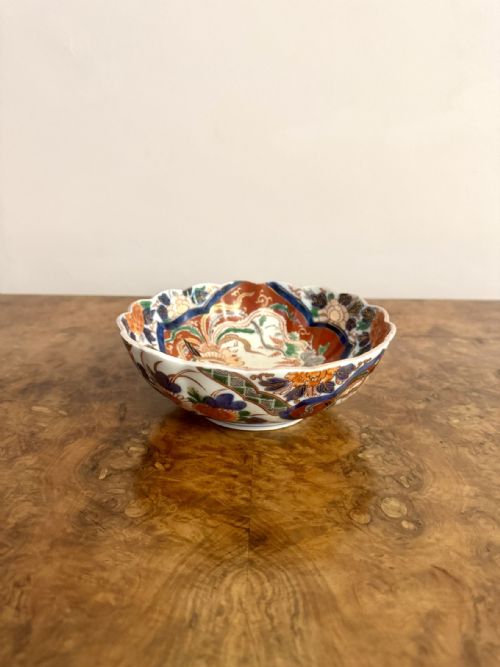
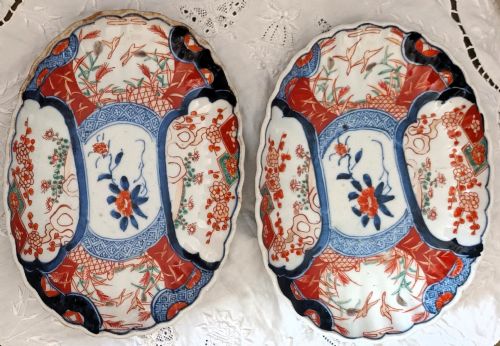
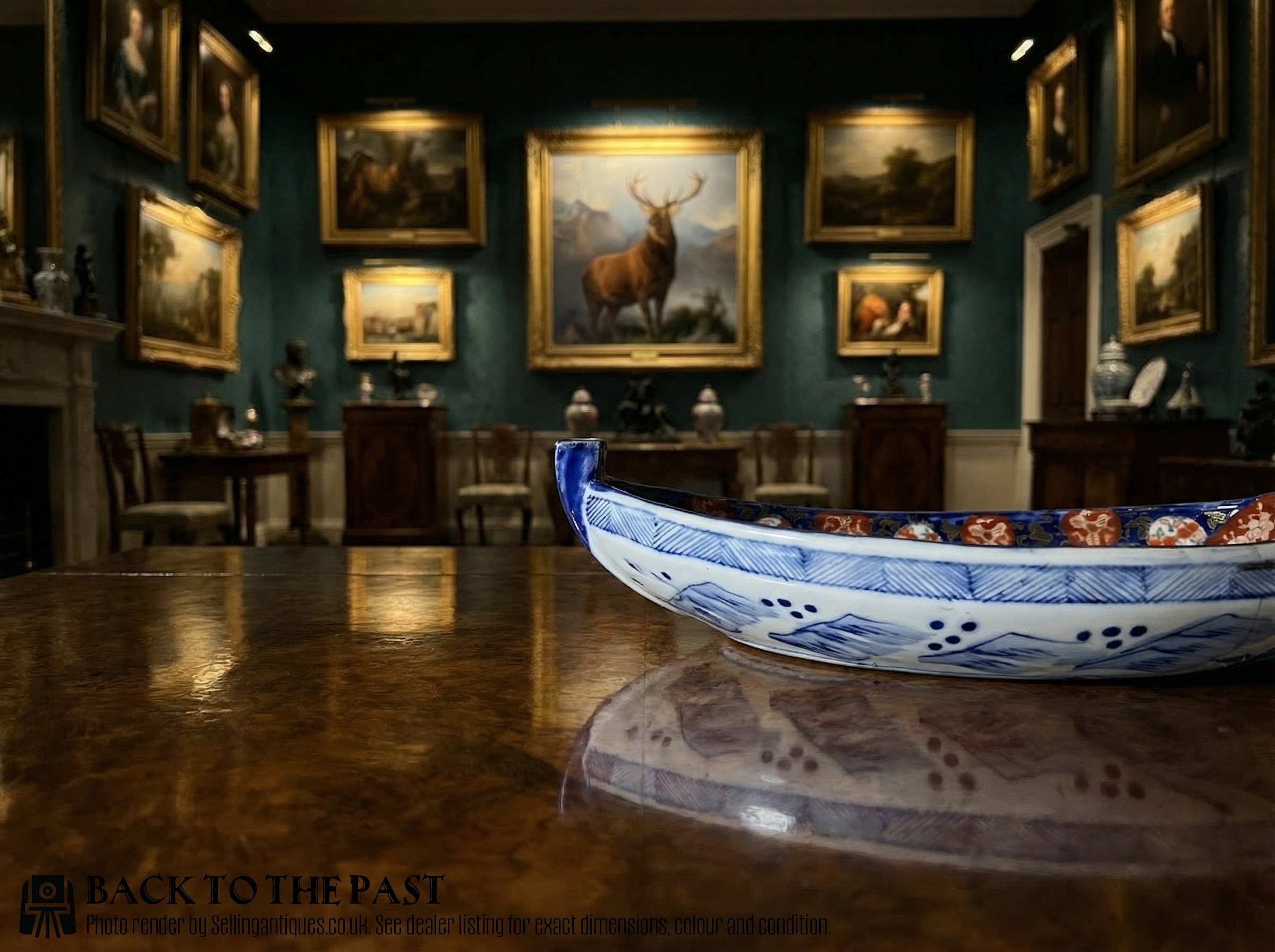
Imari porcelain serving dish pieces bring together traditional ceramic forms and the distinctive palette of iron red, underglaze blue and gold leaf.
Imari Porcelain Serving Dish
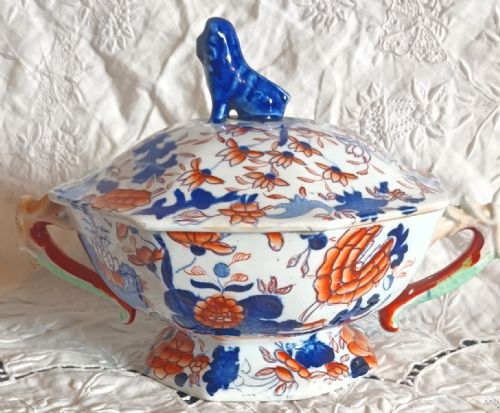
An imari porcelain serving dish takes many forms across different origins, including Japanese Meiji period bowls, Chinese export pieces, and English interpretations from the Georgian and Victorian eras. The selection on this page centres on Japanese Imari and English ironstone or porcelain serving pieces.
The objects range from large chargers and square plates to boat-shaped dishes, scallop-edge bowls and covered tureens. Japanese Meiji period examples and English ironstone wares dominate the selection.
Buyers encounter items originating from Japanese workshops as well as English factories such as Mason's, Royal Crown Derby and Chamberlain Worcester, spanning the seventeenth century through to the early twentieth century.
Materials and technique
Potters shaped porcelain, ironstone and earthenware into forms like square plates, round chargers and tureens using wheel-throwing and moulding techniques.
Decoration relied on underglaze blue pigment combined with overglaze enamel colours, often finished with gold leaf or gilding applied by hand.
Imari Porcelain Serving Dish Retail Price Guide 2026
Typical asking prices for imari porcelain serving dish among the pieces listed under this phrase on Sellingantiques today, from the lower quarter to the upper quarter. They describe what is for sale here now, not the wider market.
Listings span Japanese Arita wares from the seventeen hundreds through to early twentieth century English ironstone tureens.
What varies in quality
Quality rests on the crispness of the hand-painted brushwork, the richness of the enamel colours and the precision of the gilding.
The delicacy of moulded edges, such as scallop shells and chamfered corners, distinguishes finer decorative plates and serving dishes from simpler wares.
Royal Crown Derby·Hicks and Meigh·Mason's Ironstone·Chamberlain Worcester·Coalbrookdale
The Imari Porcelain Serving Dish Glossary
- Imari
- A style of ceramic decoration originating in Japan, characterised by a palette of underglaze blue, iron red and gold. It was later imitated by European potteries.
- Ironstone
- A type of durable earthenware patented in the nineteenth century by English manufacturers like Mason's. It resists chipping and mimics porcelain.
- Charger
- A large decorative plate used for serving food or as a centrepiece on a table. These pieces often feature elaborate painted floral and bird designs.
- Tureen
- A deep covered serving dish designed for soup, sauce or vegetables. Examples appear in both ironstone and porcelain across the Georgian and Victorian periods.
- Meiji Period
- A Japanese historical era lasting from 1868 to 1912, known for prolific porcelain production intended for both domestic use and export.
Imari Porcelain Serving Dish: Frequently Asked Questions
How do I date an imari porcelain serving dish?
Dating relies on the paste, the manufacturing technique and the decorative style. Japanese pieces often align with the Meiji period, while English examples correspond to Georgian or Victorian periods.
Maker marks on the underside also provide specific production dates when present.
What is the difference between Japanese and English imari?
Japanese imari porcelain uses traditional motifs like floral and bird designs on a fine ceramic body with distinctive iron red and blue pigments.
English imari adapts this aesthetic onto ironstone or porcelain bodies at factories like Royal Crown Derby and Mason's.
Were these dishes used for daily dining?
Many serving dishes, tureens and chargers saw practical use on formal dining tables during the eighteenth and nineteenth centuries.
Larger chargers and decorated plates often served a decorative function as centrepieces or wall displays.
How should I care for antique porcelain serving dishes?
Wash antique porcelain and ironstone by hand in warm water using a mild detergent, avoiding dishwashers entirely.
Protect overglaze enamels and gold leaf gilding from abrasive sponges and harsh cleaning chemicals.