




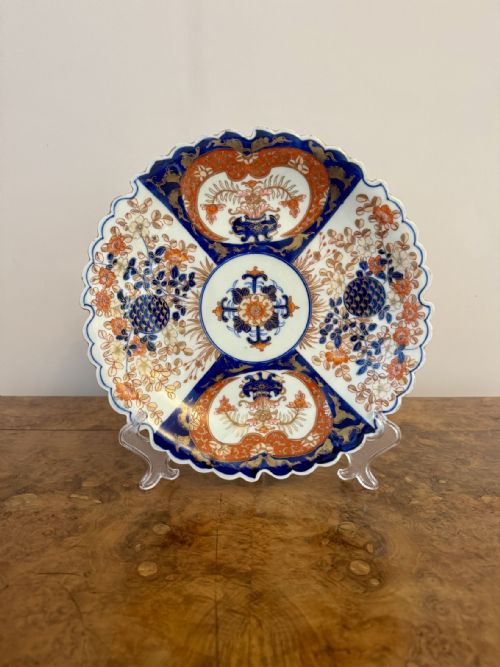
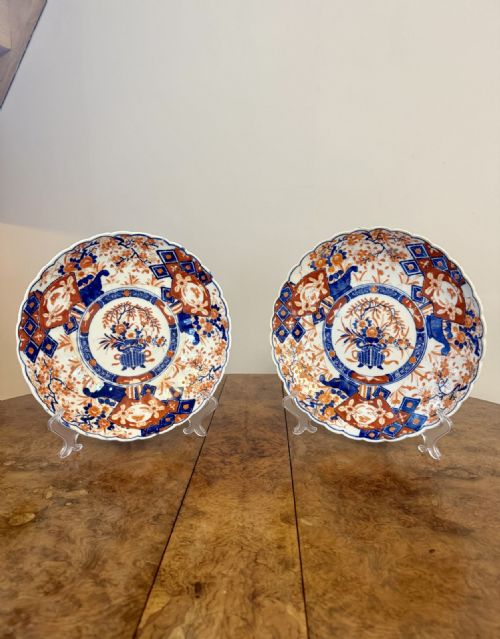


Asian Ceramic Charger Plate
An asian ceramic charger plate brings weight, colour and centuries of kiln tradition directly to a wall or table.
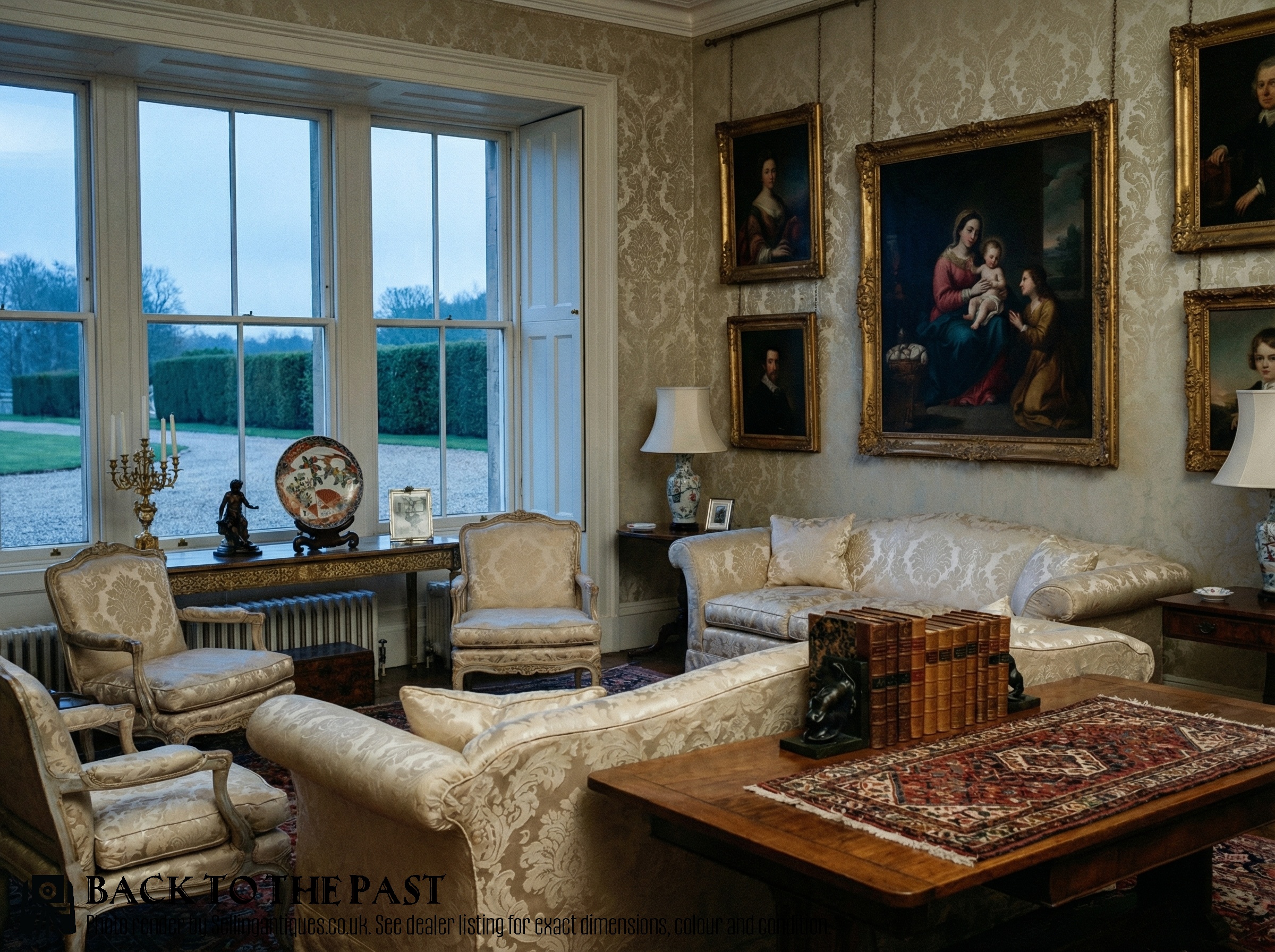
Asian Ceramic Charger Plate
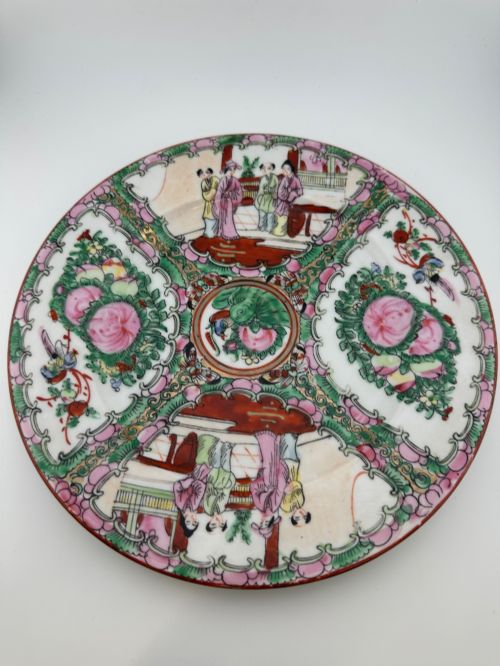
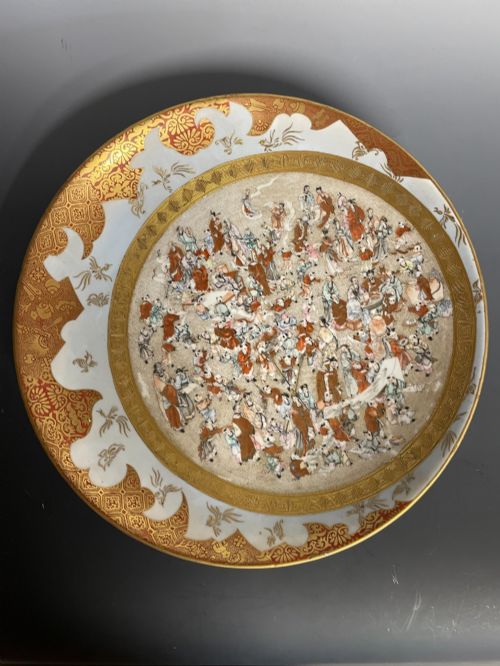
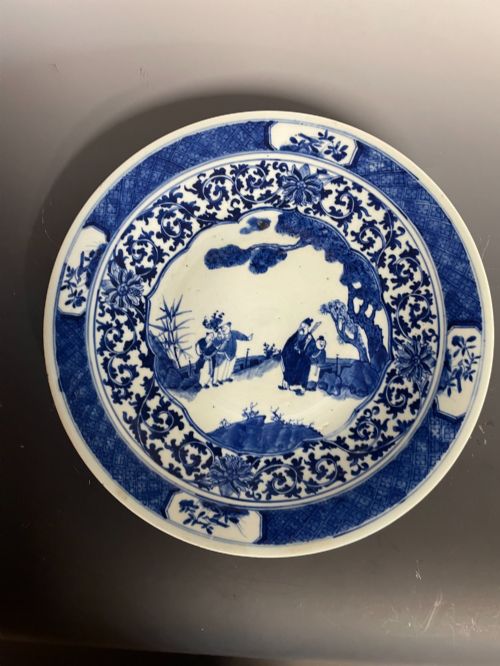
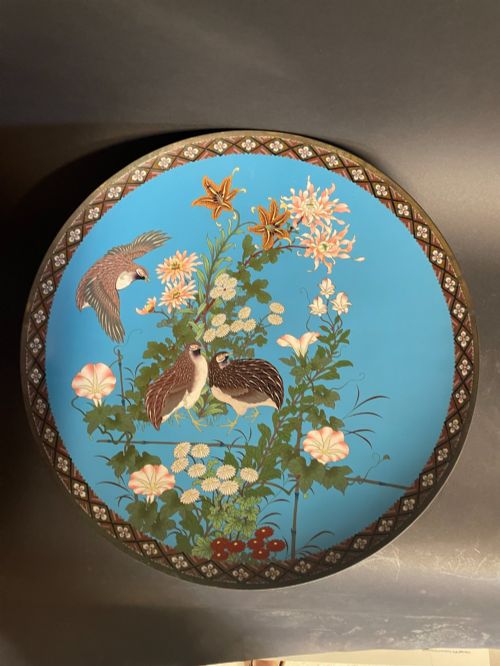
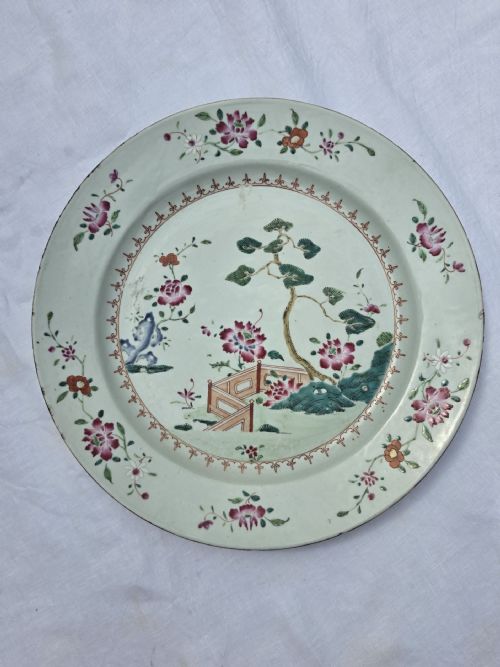
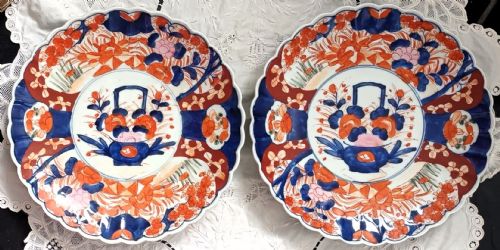
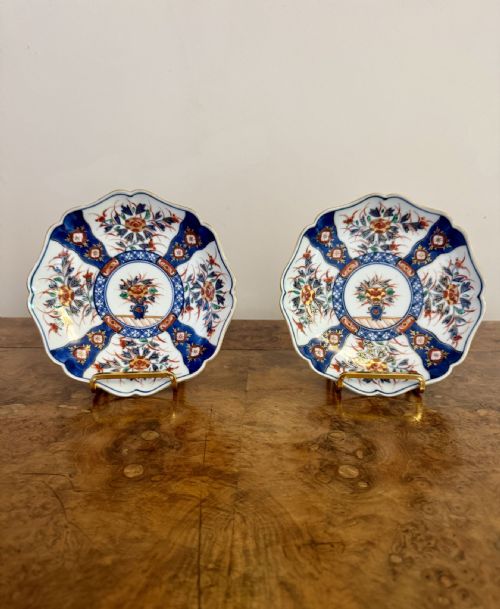
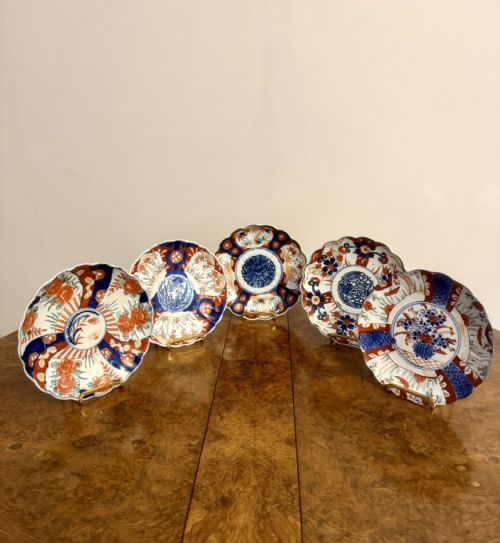
An asian ceramic charger plate spans wide decorative platters and large serving dishes originating from Japanese and Chinese kilns. The selection on this page centres heavily on Japanese Imari porcelain from the Meiji period alongside Kutani, Satsuma, and earlier Chinese export wares.
Forms range from scalloped edge plates and square dishes to large round chargers depicting traditional motifs like the Seven Lucky Gods or exotic birds. Periods stretch from fourteenth century celadon and seventeenth century Arita pieces through to nineteenth century Victorian and Edwardian imports.
Buyers encounter everything from individual cabinet pieces to pairs and larger collections, spanning earthenware and porcelain bodies decorated with hand painted cobalt glaze, enamel and gilt.
How they were made
Potters shaped porcelain and earthenware bodies on the wheel or pressed them into moulds, such as the moulded floral scrolls seen on early celadon dishes. Kiln workers then applied underglaze cobalt blue before firing.
Overglaze enamel colours, gold leaf and gilt work were added during subsequent low temperature firings to create the intricate polychrome palettes characteristic of Imari and Kutani pieces.
Listings feature porcelain, earthenware, enamel, glaze, gilt and gold leaf across multiple centuries.
What varies in quality
The precision of the hand painting dictates much of the visual success, distinguishing freely executed brushwork and detailed multi-figure scenes from simpler production. The crispness of moulded edges and the vibrancy of surviving enamel and gold leaf also shape the character of each piece.
Dating plays a role in distinction, as earlier Edo period examples and seventeenth century Arita wares carry historical weight that differs from late nineteenth or early twentieth century Meiji production.
Koshida·Meizan
The Asian Ceramic Charger Plate Glossary
- Imari
- A style of Japanese porcelain featuring a distinctive palette of underglaze blue, iron red, and gilt. This style dominated export markets during the Edo and Meiji periods.
- Kutani
- A style of Japanese coloured porcelain known for bold pictorial designs and rich enamel pigments. It often incorporates dense geometric borders alongside figurative panels.
- Celadon
- A type of ceramic featuring a pale green jade-like glaze resulting from iron oxide in the kiln reduction atmosphere. Early examples often display carved or moulded floral decoration.
- Mejl period
- A historical epoch in Japan spanning from 1868 to 1912, marked by a surge in decorative ceramic exports tailored for Western tastes. Pieces from this era show exceptional technical refinement.
Asian Ceramic Charger Plate: Frequently Asked Questions
How do I hang a heavy charger plate safely?
Large chargers require robust wall mountings that distribute weight evenly across the base and rim without exerting pressure on the ceramic body. Spring loaded brass hangers with protective rubber tips securely grip the perimeter.
Ensure the fixture anchors directly into wall studs or uses appropriate wall plugs rather than relying on standard plaster hooks. Check the mounting periodically to keep the plate secure.
Were these plates used for food?
Many large charger plates served primarily as centrepieces or display platters on European tables rather than for everyday dining. Their substantial size and rich overglaze enamel or gilt decoration made them suited for visual presentation.
Earlier kiln wares and robust blue and white pieces sometimes saw service at feasts, but delicate Meiji export items generally remained decorative objects.
How do I distinguish Imari from Kutani?
Imari relies on a strict colour triad of underglaze cobalt blue, iron red enamel, and gold leaf, often arranged in formal panel designs. The porcelain body feels dense and crisp.
Kutani employs a broader, more painterly palette featuring greens, purples, and yellows, frequently depicting dense narrative scenes or nature studies across the entire surface of the dish.