





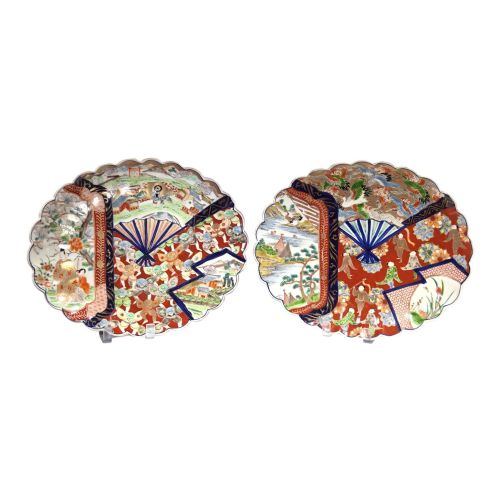


Japanese Hand Painted Platter
These japanese hand painted platter items combine traditional ceramic artistry with intricate painted scenes, offering striking decorative presence for any home.
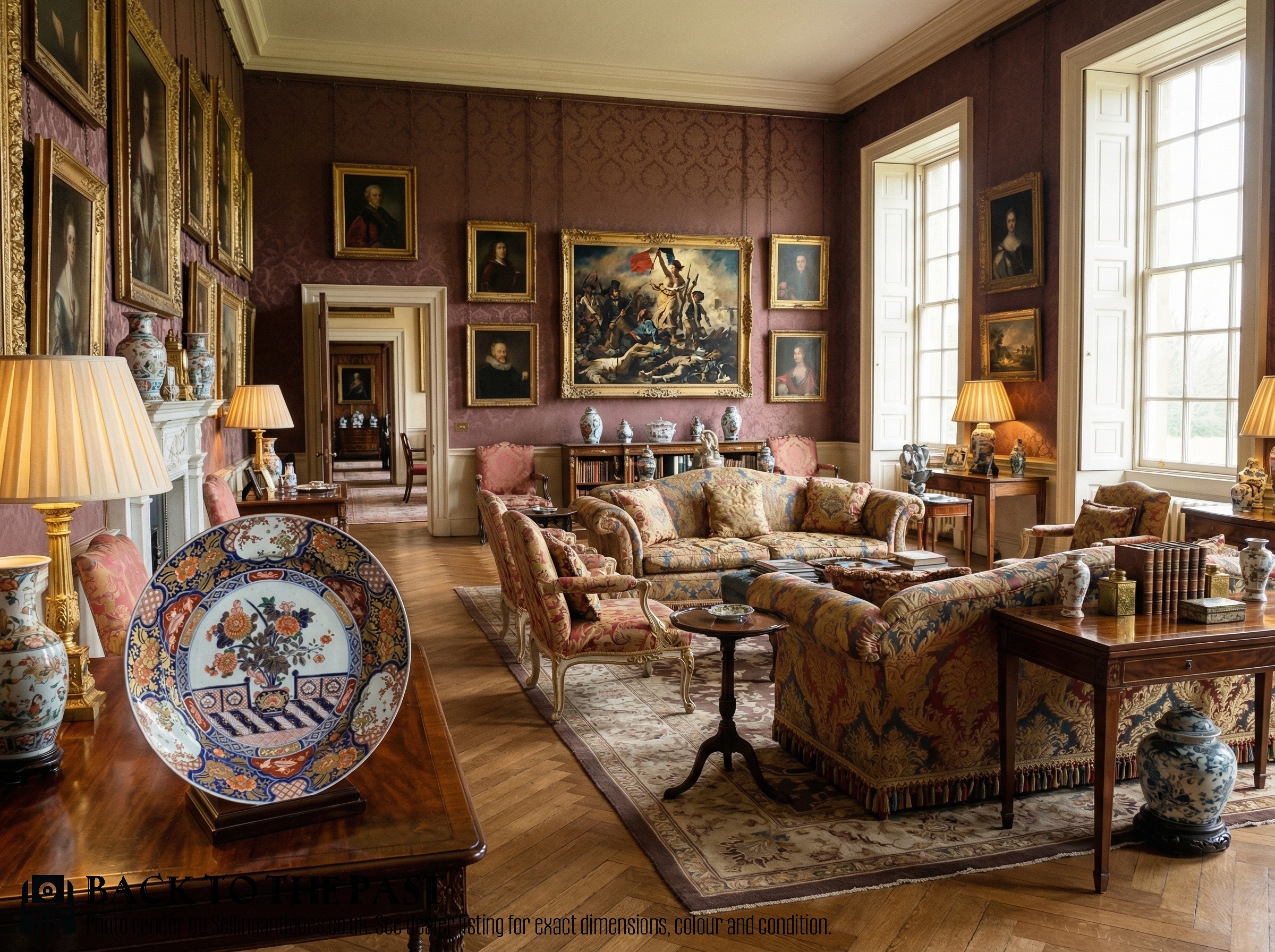
Japanese Hand Painted Platter
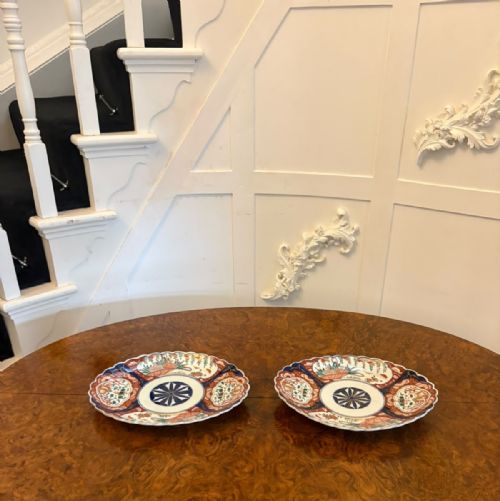
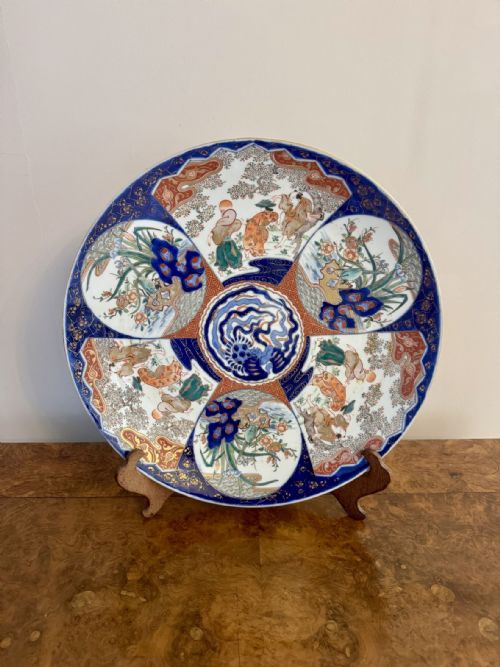
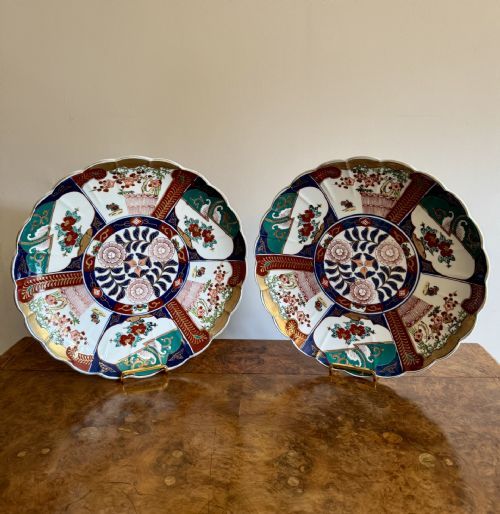
When searching for a japanese hand painted platter, buyers encounter a diverse selection of decorative plates, chargers, and dishes originating from historic periods such as the Meiji era, the Edo period, and the nineteenth century. The most common pieces met on this page are large Imari chargers and decorative plates displaying traditional floral, bird, or figural motifs.
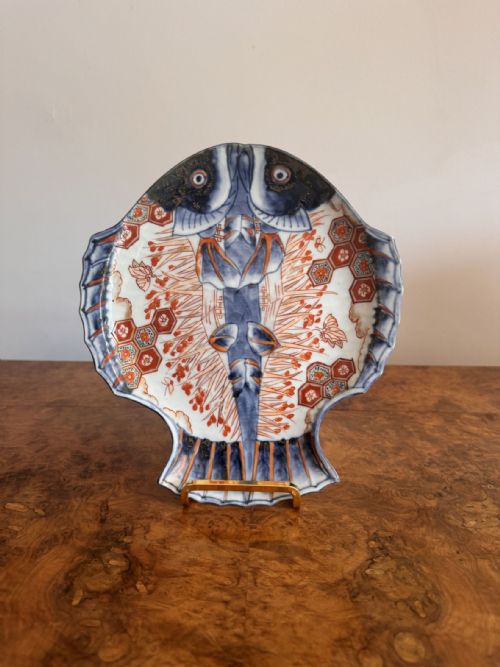
These items range from round and scalloped charger plates to square, oval, octagonal, and fan-shaped dishes. Production spans across notable styles including Imari, Kutani, Arita, and Satsuma, reflecting centuries of skilled Japanese ceramic traditions.
How They Were Made
Potters shaped porcelain bodies by hand or on a wheel before applying mineral pigments and glaze. Cobalt underglaze provided deep blue tones, while enamel colours added vibrant detail to the ceramic surface.
Many examples incorporated gold leaf, gilding, or gold gilt applied over the glaze to highlight specific motifs. Firing in kilns set the colours and vitrified the porcelain, producing durable decorative chargers and dishes.
Listings feature porcelain pieces spanning from the eighteenth century through the Victorian era up to the nineteen twenties.
What Varies in Quality
Quality depends upon the precision of the hand painting and the complexity of the design. Pieces featuring detailed depictions of subjects such as the Seven Lucky Gods, koi carp, or cranes display superior artistic execution compared to simpler repetitive patterns.
The sophistication of the glaze work and the richness of the gilding also distinguish finer examples. Form influences desirability, with unusual shapes like fish, fan, or square formats demonstrating higher levels of artisan craftsmanship than standard round plates.
The Japanese Hand Painted Platter Glossary
- Imari
- A traditional style of Japanese porcelain characterised by a palette of cobalt blue, iron red, and gold on a white ground. This style originated in Arita and became widely exported during the Edo and Meiji periods.
- Charger
- A large decorative plate traditionally used for ceremonial display rather than dining. These substantial pieces provide a wide surface area for complex painted narratives and floral compositions.
- Kutani
- A distinct type of Japanese porcelain known for bold pictorial designs and rich polychrome enamels. Pieces often incorporate heavy gold highlights alongside earthy reds, greens, and purples.
- Meiji Period
- The historical era spanning from eighteen sixty-eight to nineteen twelve, marked by extensive opening of international trade. Ceramics from this period frequently exhibit high technical mastery and detailed brushwork.
- Arita
- The Japanese town and surrounding region renowned as the birthplace of porcelain production in the seventeenth century. Kilns here produced vast quantities of blue and white and Imari wares.
Japanese Hand Painted Platter: Frequently Asked Questions
What is a japanese hand painted platter?
A japanese hand painted platter is a decorative ceramic dish or charger featuring hand-applied pigments, enamel, and sometimes gold leaf. These items were produced primarily in historic kilns across Japan for both domestic use and export.
They encompass various styles such as Imari and Kutani, serving traditionally as ornamental display pieces rather than functional tableware.
How were these platters used?
Historically, large chargers and decorative plates were displayed on walls, sideboards, or tables to showcase wealth and taste. Their intricate hand-painted designs made them centrepieces for interior decoration.
Today, collectors use them in similar ways, mounting them on walls with appropriate brackets or displaying them on stands to appreciate the artistry.
How do I live with antique porcelain?
Living with antique Japanese porcelain involves placing pieces away from direct sunlight to preserve the enamel colours and gold gilding. Stable indoor environments prevent thermal shock to the ceramic body.
Secure hanging methods or stable plate stands ensure these heavy chargers remain safe from accidental knocks during daily life.
How do I tell periods apart?
Differentiating periods relies on observing stylistic traits, motifs, and the quality of the porcelain body and glaze. Edo period pieces often display restrained traditional aesthetics, while Meiji examples frequently show intricate, densely packed compositions.
Reference to regional styles like Arita or Kutani alongside specific decorative subjects helps narrow down the likely decade of manufacture.