








Porcelain Imari Wall Dish
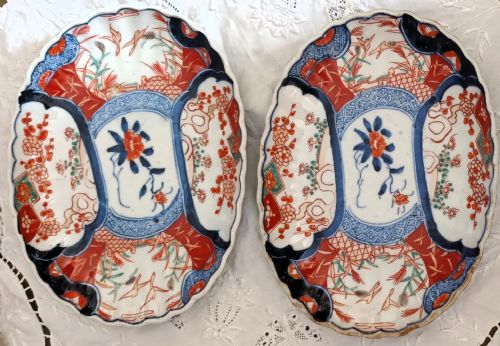
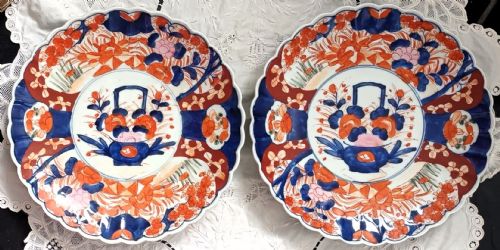
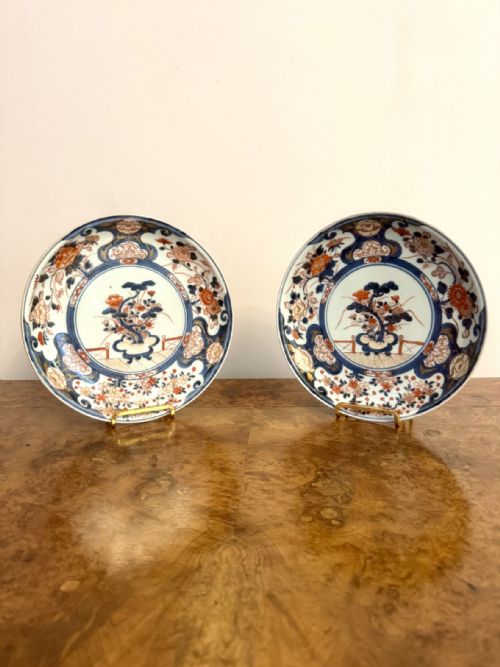
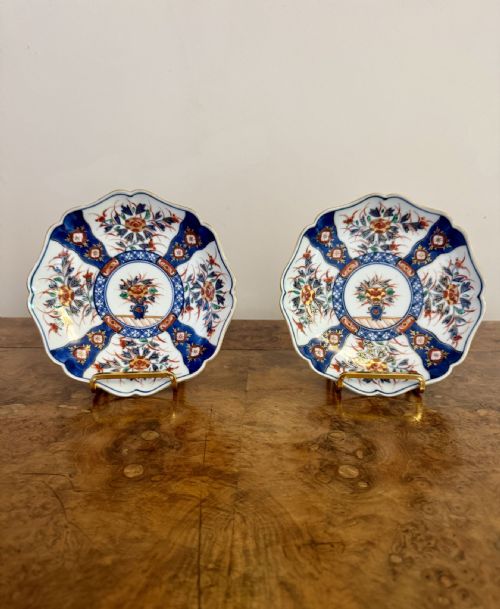
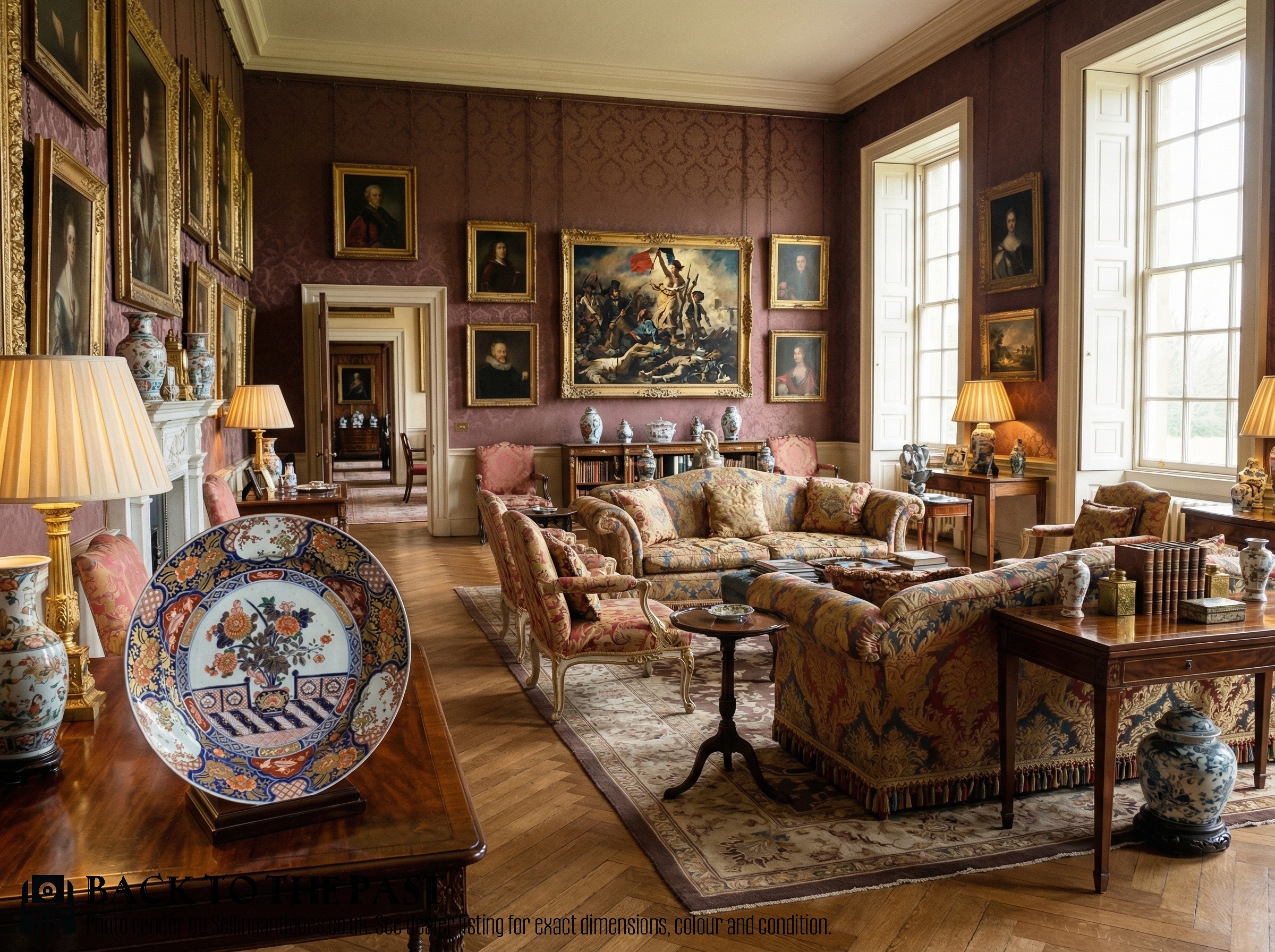
A porcelain imari wall dish brings intense iron-red and cobalt decoration to a room, drawing the eye with centuries of craft.
Porcelain Imari Wall Dish
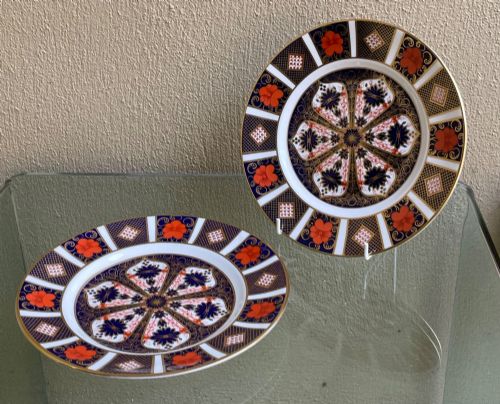
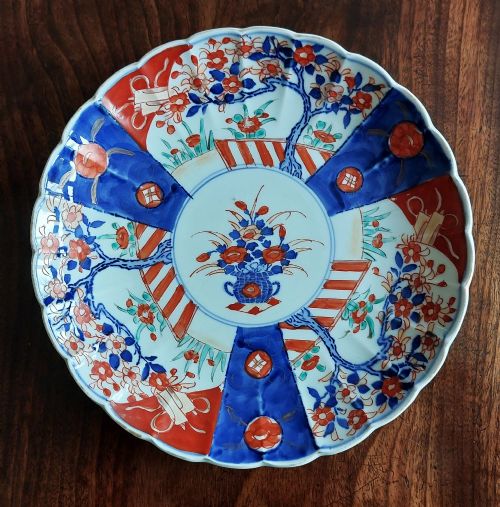
When you search for a porcelain imari wall dish, you encounter decorative plates and chargers originating mainly from Japan during the Meiji period, alongside Chinese export wares and English interpretations. These round, oval, square, and scalloped pieces were made to be displayed on walls or surfaces, featuring rich visual depth.
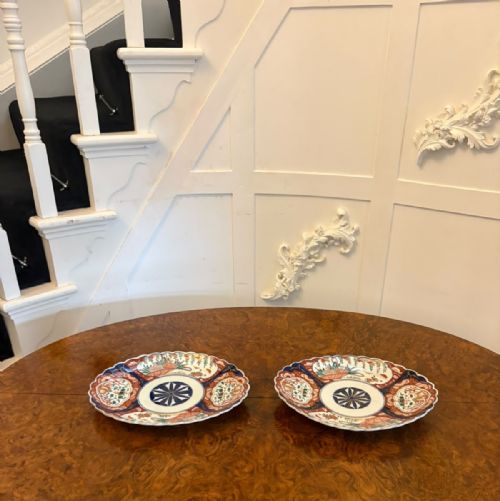
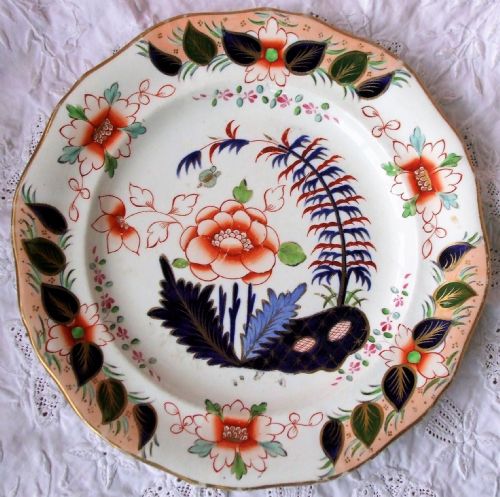
The selections available include single items, matched pairs, and larger sets spanning the eighteenth century through the Victorian era and into the mid-twentieth century. Japanese Arita works and English ironstone variations sit side by side, offering diverse interpretations of the distinct palette.
How they were made
Potters shaped ceramic bodies from fine porcelain and ironstone, applying cobalt underglaze before the initial firing to fix deep blue tones. Enamel colours and gold leaf or gilt were then added by hand on top of the glaze, requiring subsequent lower-temperature firings to bond the surface details.
The distinct aesthetic relies on the combination of cobalt underglaze, iron-red enamel, and gold gilt, creating high-contrast motifs of exotic birds, floral arrangements, and traditional figures like the Seven Lucky Gods.
The listings show imari pieces spanning the eighteenth-century Qing Dynasty and Georgian periods through to Victorian and mid-twentieth-century examples.
What varies in quality
The distinction between standard domestic wares and exceptional examples rests upon the precision of the hand-painting and the complexity of the design layout. Finer pieces demonstrate crisp cobalt brushwork, meticulously applied gold leaf, and balanced compositions across challenging forms like square or scalloped edges.
The clarity of the glaze and the richness of the enamel colours separate ordinary items from superior works. Pieces depicting intricate narratives, such as detailed figures or exotic birds, show the high skill of the decorator.
John Davenport of Longport·Royal Crown Derby·Flight Barr and Barr
The Porcelain Imari Wall Dish Glossary
- Imari style
- A decorative scheme originating in Japan and copied in Europe, defined by a palette of cobalt blue, iron-red, and gilt highlights. English factories such as Royal Crown Derby and Worcester later adopted this aesthetic.
- Charger
- A large decorative plate intended primarily for display on a wall or dresser rather than for dining use. These substantial vessels provide a wide canvas for complex painted narratives.
- Meiji period
- The era of Japanese history spanning from 1868 to 1912, known for prolific porcelain production intended for both domestic use and export to Western markets. Pieces from this time often feature scalloped edges and detailed bird or deity motifs.
- Cobalt underglaze
- A blue pigment applied to the raw ceramic body before glazing and firing, capable of withstanding extreme kiln temperatures without fading. It forms the stable dark foundation of traditional imari designs.
- Ironstone
- A type of durable heavy earthenware developed in nineteenth-century England as a robust alternative to true porcelain. Factories like John Davenport utilised it for imari pattern tableware.
Porcelain Imari Wall Dish: Frequently Asked Questions
How do I hang a wall dish safely?
Displaying these pieces requires a specialised spring-loaded plate hanger that grips the rim securely without applying undue pressure to the ceramic body. Ensure the wall fixing is anchored into solid masonry or a stud.
Verify that the wire or hook supporting the hanger is rated well above the weight of the porcelain charger. Period plates vary in thickness, so select a hanger sized precisely to the rim depth.
Were these plates made for dining?
Larger chargers and specific wall plates served primarily as decorative display items in domestic interiors rather than functional tableware. Their heavy gilding and enamel work were vulnerable to cutlery wear.
Smaller plates within sets could see occasional table use, but the delicate overglaze enamel decoration on imari pieces is best preserved through careful handling and visual display.
How do I tell Japanese imari from English copies?
Japanese export pieces from the Meiji period or earlier often feature distinct foot rings, varying porcelain bodies, and spontaneous brushwork characteristic of Arita kilns. The clay and glaze textures reveal regional production methods.
English interpretations from factories like Worcester or Davenport typically utilise ironstone or refined bone china bodies, sometimes accompanied by maker marks or specific British pattern numbers stamped into the base.
What subjects appear on imari patterns?
Common motifs include stylised floral arrangements, vases, and exotic birds rendered in dense layers of cobalt and iron-red. More narrative designs depict cultural figures, such as the Seven Lucky Gods.
Border patterns often incorporate brocade designs or geometric panels that frame the central scene, creating a rich tapestry of contrasting textures and colours.