





Qing Dynasty Charger
A qing dynasty charger is a large, historically significant ceramic disc made for display or service, combining imperial artistry with robust export trade.
Qing Dynasty Charger
A qing dynasty charger represents a broad category of large, circular ceramic vessels produced across multiple centuries of imperial rule. Buyers exploring this page encounter substantial platters and decorative dishes that typically originate from the eighteenth and nineteenth centuries.
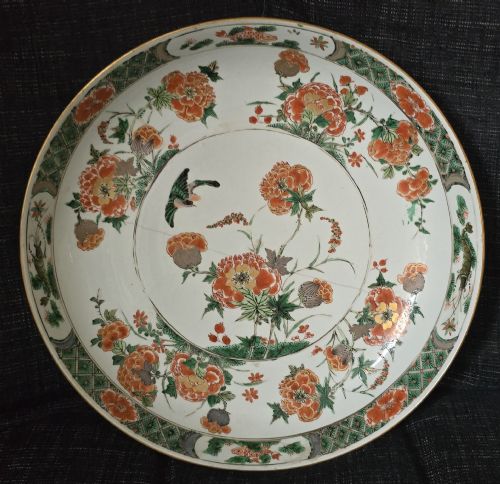
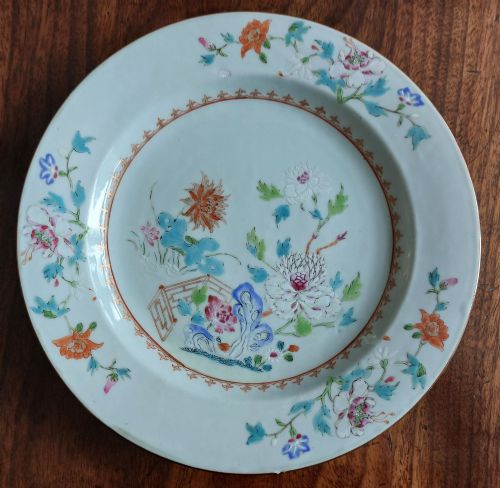
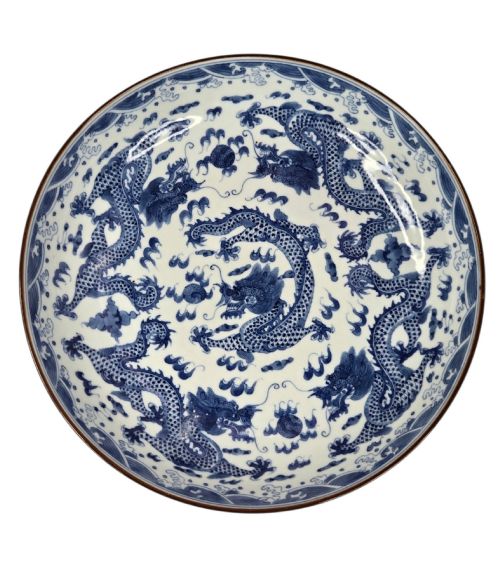
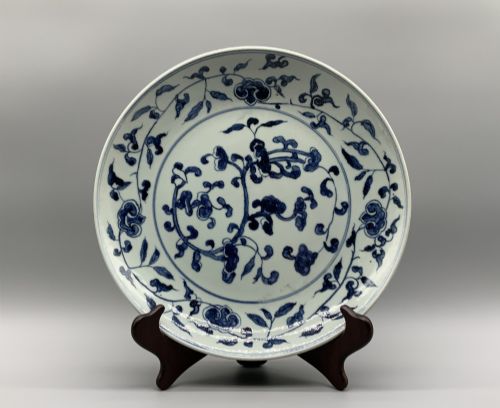
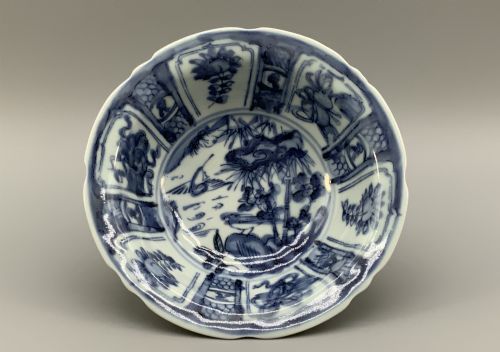
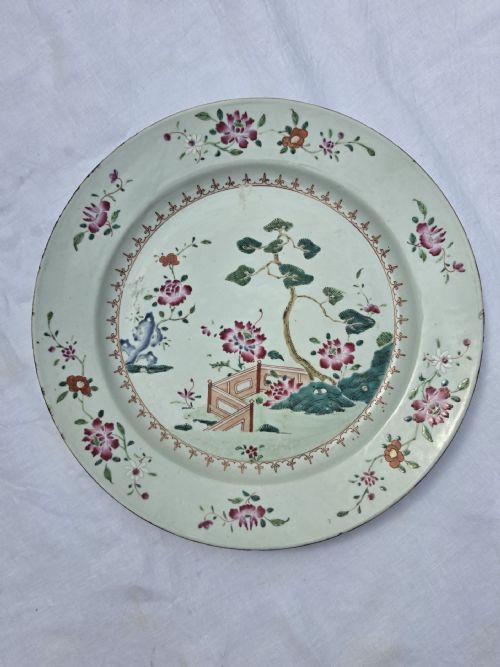
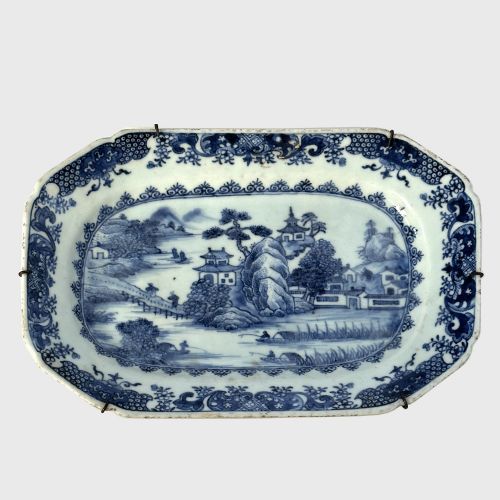
The selection ranges from robust blue and white porcelain platters bearing Kangxi period marks to brightly enamelled famille rose chargers from the Qianlong era. Alongside porcelain, collectors find occasional works in cloisonné enamel and brass, reflecting diverse material traditions within the Qing empire.
Most examples function primarily as decorative centrepieces rather than everyday tableware, owing to their generous scale and intricate hand-painted surfaces. The forms vary from standard circular dishes to lobed bowls and barbed rim platters produced for both domestic patronage and export markets.
How they were made
Makers utilised hard-paste porcelain as the primary body, shaping the clay on the wheel or pressing it into moulds before applying mineral pigments. Cobalt underglaze provided the deep blue tones found in early pieces, while subsequent eras introduced rich enamel palettes fixed by secondary firings.
Surface ornamentation often incorporated gold leaf details and iron-red pigments to accentuate intricate motifs such as dragons, floral sprays and court scenes. Skilled artisans also produced cloisonné pieces by soldering metal wires onto brass bases to form cellular compartments filled with coloured enamel.
Qing Dynasty Charger Retail Price Guide 2026
Typical asking prices for qing dynasty charger among the pieces listed under this phrase on Sellingantiques today, from the lower quarter to the upper quarter. They describe what is for sale here now, not the wider market.
Listings feature hard-paste porcelain, brass, and cloisonné enamel across eighteenth and nineteenth-century periods.
What varies in quality
The standard of a qing dynasty charger rests heavily on the precision of the brushwork and the clarity of the underlying glaze. Superior pieces exhibit confident, fluid painting executed by accomplished hands, whereas lesser examples display hurried execution and muddy pigment transfer.
Material refinement also divides the range, distinguishing thin, resonant porcelain bodies with smooth, unblemished surfaces from heavier, coarse ceramics. Additionally, the presence of crisp imperial marks and well-preserved gilt or enamel highlights elevates the visual authority of a piece.
Bluett and Sons
The Qing Dynasty Charger Glossary
- Cobalt underglaze
- A blue pigment applied directly to the unglazed ceramic body before a transparent glaze is applied and fired at high temperature. This technique ensures the colour remains permanently sealed beneath the glossy surface.
- Famille rose
- A prominent palette of opaque enamel colours introduced during the Qing dynasty, characterised by distinctive pink and rose hues mixed from gold chloride. It allowed artisans to render complex floral and figural compositions with subtle tonal gradations.
- Hard-paste porcelain
- A dense, vitrified ceramic composed of petuntse and kaolin fired at exceptionally high temperatures. It produces a resonant, impermeable white body that resists scratching and absorbs no moisture.
- Kangxi period
- The era spanning the reign of the Kangxi Emperor, associated with exceptional achievements in blue and white porcelain production. Pieces from this time frequently display brilliant cobalt tones and meticulous potting.
- Cloisonné enamel
- A metalworking technique where flat wire is soldered to a brass or bronze foundation to create raised partitions. These enclosed spaces are subsequently packed with coloured glass paste and fired.
Qing Dynasty Charger: Frequently Asked Questions
How do I identify a Kangxi period piece?
Look for deep cobalt blue decoration beneath a lustrous glaze, often accompanied by six-character apocryphal or period marks on the reverse.
The potting tends to be robust yet refined, with crisp painting depicting dragons, landscapes or formal floral borders.
What is the difference between porcelain and cloisonne?
Porcelain is a fired ceramic material made from white clay and stone, prized for its resonant body and smooth glazed finish.
Cloisonné involves metal wire soldered onto a brass or bronze base to hold colourful vitreous enamels fired in flat or dimensional patterns.
How should I clean my antique charger?
Dust the surface gently with a soft, dry feather duster or microfiber cloth to remove everyday particles safely without applying moisture.
Avoid using water, chemical cleaners or abrasive cloths, particularly on pieces featuring delicate gold leaf or overglaze enamels.