



Kangxi Porcelain Dish
A genuine kangxi porcelain dish brings vibrant cobalt and intricate hand-painted detail from the Qing Dynasty directly to a modern room.
Kangxi Porcelain Dish
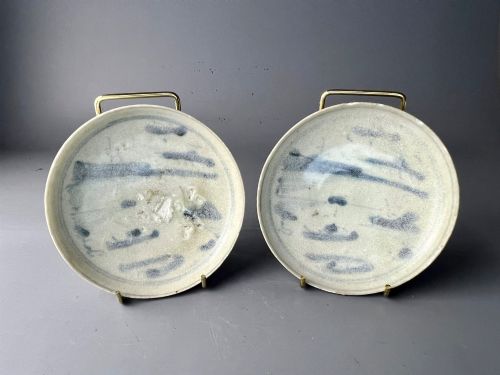
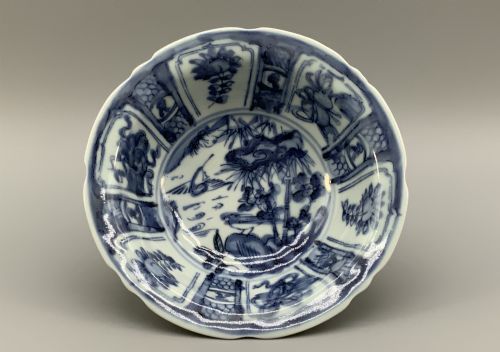
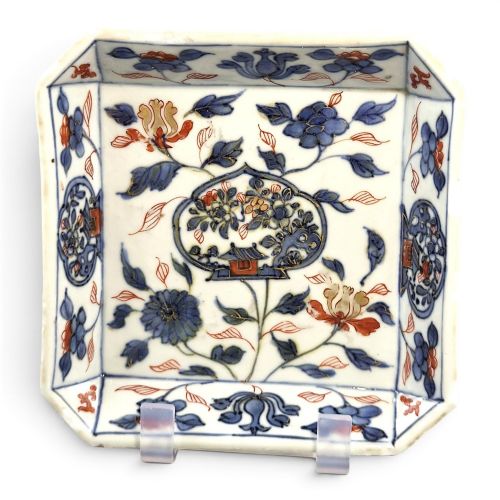
When you search for a kangxi porcelain dish, you enter a world of blue and white chargers, lobed bowls, and barbed-rim plates originating from late seventeenth and early eighteenth-century China. These vessels span from large decorative wall chargers to smaller domestic dishes and chamfered square bowls.
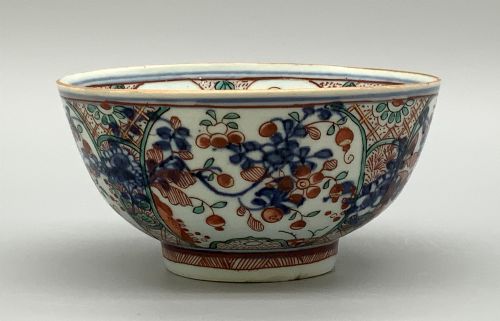
The selections available here reflect the rich export trade and imperial output of the period, frequently featuring cobalt blue underglaze or characteristic Imari palettes. Buyers encounter pieces bearing reign marks alongside English interpretations such as Georgian Chinoiserie ceramics produced later in the eighteenth century.
How they were made
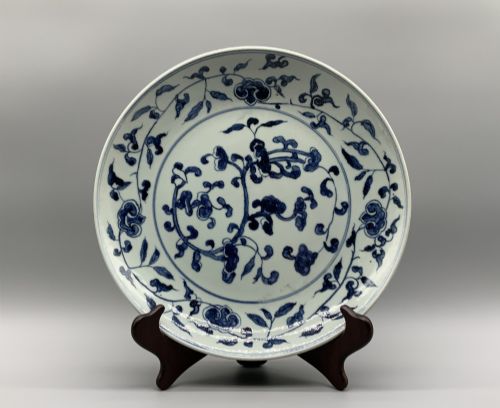
Potters utilised fine porcelain clay shaped into plates, chargers, and bowls, applying mineral cobalt glaze beneath a clear topcoat before high-temperature firing. This underglaze technique produced deep, luminous blue tones that stayed crisp against the white porcelain body.
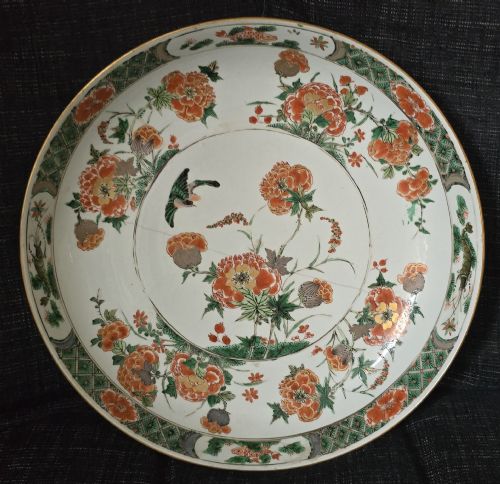
Overglaze enamels were added in workshops for polychrome designs, introducing iron red and gilt highlights seen on Imari and Famille Verte pieces. Moulding techniques created textured surfaces like floral reliefs and barbed rims before the final glaze application.
Kangxi Porcelain Dish Retail Price Guide 2026
Typical asking prices for kangxi porcelain dish among the pieces listed under this phrase on Sellingantiques today, from the lower quarter to the upper quarter. They describe what is for sale here now, not the wider market.
Listings feature porcelain forms from the Kangxi period alongside eighteenth-century Georgian adaptations and nineteenth-century interpretations.
What varies in quality
The refinement of the painted brushwork dictates the tier of a piece, separating hasty export production from masterwork court ceramics. Crispness in cobalt underglaze lines and precise rendering of narrative scenes, such as court life or the hundred antiques, signal superior artistic input.
Form and potting weight establish further distinction, where evenly potted bodies, balanced rims, and clear six-character reign marks denote high studio standards. The depth and brilliance of the glaze finish without excessive firing blemishes separate average vessels from exceptional survivals.
The Kangxi Porcelain Dish Glossary
- Cobalt Underglaze
- A blue pigment applied to raw porcelain pottery before glazing and firing. This method ensures the pigment fuses permanently beneath the glossy surface.
- Imari
- A decorative style combining underglaze blue with overglaze iron red, green, and gold. It originated in Japan and was closely imitated by Chinese kilns for export.
- Famille Verte
- A porcelain palette dominated by green enamel colours introduced during the Kangxi reign. It often depicts elaborate narrative scenes of court life.
- Charger
- A large decorative plate utilised historically for display on sideboards or dining tables. These substantial pieces show the finest work of the period.
- Barbed Rim
- An indented or scalloped edge shaping the perimeter of a dish or plate. This decorative contour is frequently paired with moulded floral designs.
Kangxi Porcelain Dish: Frequently Asked Questions
How do I identify a Kangxi mark?
Kangxi marks typically consist of six blue characters arranged in vertical columns within a double circle on the base. They denote the reign period between sixteen sixty-one and seventeen twenty-two.
Copies and revival pieces from later centuries also bear these marks as a tribute. One must examine the style of the script and the surrounding cobalt tone to determine age.
Can I display these chargers on walls?
Large chargers and dishes were often made with heavy potting suitable for vertical display using secure wire hangers. Placing them away from direct sunlight protects the overglaze enamels.
Ensure any hanging hardware supports the full weight of the porcelain safely. Regular dusting with a soft cloth keeps the glaze bright.
What is the difference between Imari and blue and white?
Traditional blue and white pieces rely solely on cobalt oxide painted beneath a transparent glaze. They offer high contrast monochrome aesthetics.
Imari pieces incorporate vibrant iron red and gold overglaze enamels alongside the blue. This adds a warm, multicoloured palette derived from Japanese export traditions.