



Chinese Cobalt Blue Platters
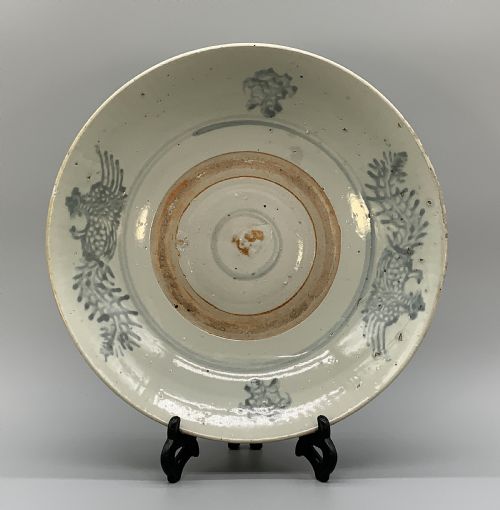
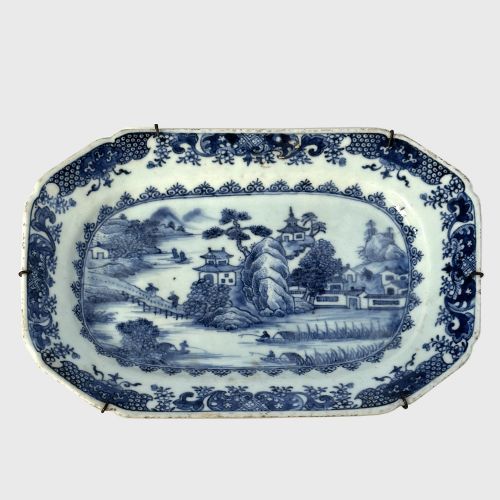
These Chinese cobalt blue platters bring rich underglaze pigment and grand scale to a table or wall, offering centuries of ceramic history.
Chinese Cobalt Blue Platters
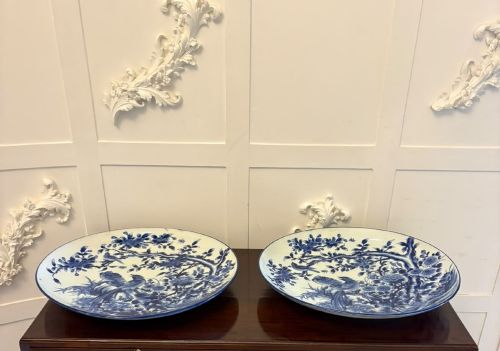
Chinese cobalt blue platters span several significant historical eras, featuring prominently across the seventeenth, eighteenth, and nineteenth centuries. These pieces encompass large chargers, serving platters, and decorative dishes created for both domestic use and export markets.
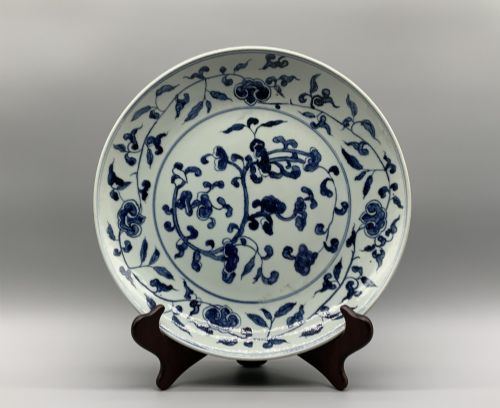
The selections on this page most frequently showcase traditional forms from the Kangxi period, alongside Qing Dynasty examples and Chinese Export pieces. Buyers encounter robust hard-paste porcelain surfaces painted with deep blue mineral pigments under a clear glaze.
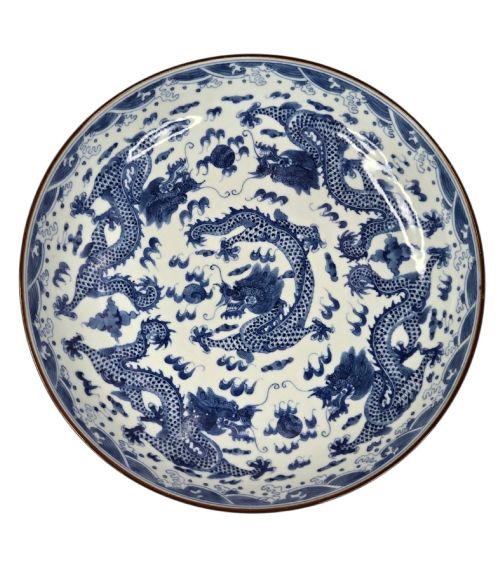
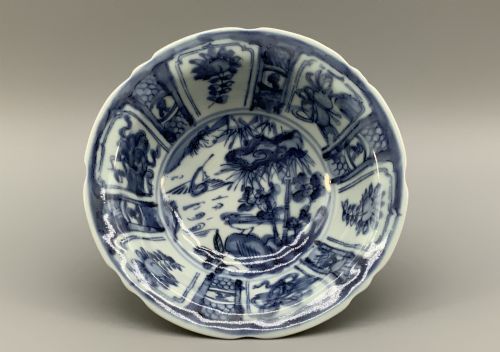
Makers shaped these items into expansive circular formats and lobed bowls with barbed rims, designed to display complex botanical and dragon motifs. Each platter represents the distinct kiln traditions and stylistic shifts of its respective dynasty or period.
Materials and technique
Potters relied on hard-paste porcelain and ceramic bodies formed into large serving platters and chargers. Artisans painted designs directly onto the unglazed clay using cobalt pigment before applying a transparent glaze.
Firing took place at high temperatures in traditional kilns, allowing the cobalt underglaze to fuse permanently with the ceramic body. This technique produced durable surfaces with characteristic deep blue tones beneath a glossy finish.
Chinese Cobalt Blue Platters Retail Price Guide 2026
Typical asking prices for chinese cobalt blue platters among the pieces listed under this phrase on Sellingantiques today, from the lower quarter to the upper quarter. They describe what is for sale here now, not the wider market.
Listings feature hard-paste porcelain and ceramic objects spanning the seventeenth century through to the nineteenth century, including Ming Dynasty and Qing Dynasty pieces.
Qualities of distinction
The clarity and depth of the cobalt underglaze pigment separate finer examples from standard production wares. Master painters achieved nuanced shading and sharp outlines that remain crisp beneath the glossy surface glaze.
Structural scale and proportion also define the higher tier of these pieces, particularly on large chargers and serving platters. Well-balanced forms with intact moulded rims and precise Kangxi marks demonstrate superior workshop standards.
The Chinese Cobalt Blue Platters Glossary
- Charger
- A large decorative plate or platter traditionally used for serving food or display on a sideboard. These substantial pieces provide an expansive surface for complex cobalt blue painting.
- Underglaze Cobalt
- A blue pigment applied to pottery before the final glaze application and kiln firing. This method protects the painted design beneath a durable glass-like layer.
- Kangxi Period
- An era spanning the late seventeenth and early eighteenth centuries known for exceptional porcelain production. Pieces from this time often display brilliant blue tones and refined floral or figurative motifs.
- Chinese Export
- Ceramics manufactured in China specifically for international markets in Europe and the West. These items frequently blend traditional Asian forms with motifs requested by foreign buyers.
- Hard-paste Porcelain
- A dense, vitrified ceramic composed of kaolin and petuntse fired at very high temperatures. This material yields a ringing tone when struck and resists scratching.
Chinese Cobalt Blue Platters: Frequently Asked Questions
How were these platters used originally?
Many of these large pieces functioned as serving platters for substantial meals at court or among wealthy merchant families. Large chargers also served as decorative display items on walls and sideboards.
Over time, grander formats became status symbols used to showcase wealth and an appreciation for imported Asian ceramics. Their robust construction allowed them to withstand active dining environments while retaining their decorative appeal.
How can I tell the Kangxi period apart?
Kangxi period pieces typically exhibit brilliant cobalt blue tones applied with remarkable depth and shading beneath a clear glaze. Many feature characteristic botanical motifs, moulded floral shapes, or specific reign marks on the reverse.
Examining the foot ring and body reveals the refined texture of the hard-paste porcelain typical of late seventeenth and early eighteenth-century kilns. Comparing these physical traits with known period examples helps clarify the dating.
What is Chinese export porcelain?
Chinese export porcelain refers to wares made in China expressly for trade with European and Western markets. These items often combined traditional Chinese painting techniques with shapes or patterns requested by foreign merchant companies.
This exchange created a distinct cross-cultural aesthetic visible in many eighteenth-century platters and dishes. The resulting wares document centuries of global trade networks and artistic collaboration.