



Chinese Porcelain Display Plates
Chinese porcelain display plates bring vibrant enamels and deep cobalt blues to a room, offering centuries of decorative artistry for your walls and cabinets.
Chinese Porcelain Display Plates
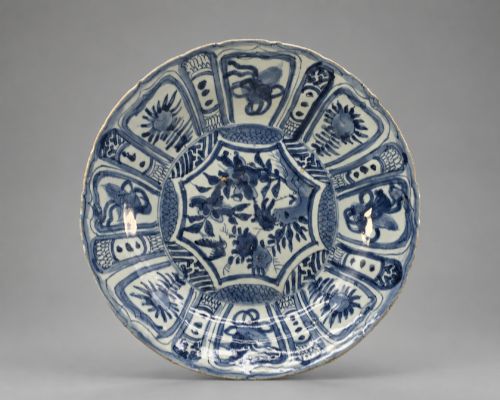
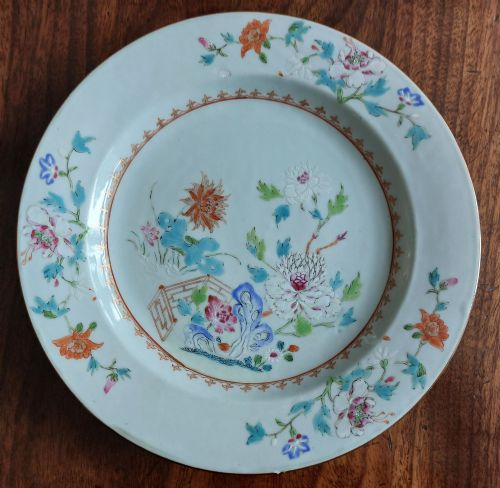
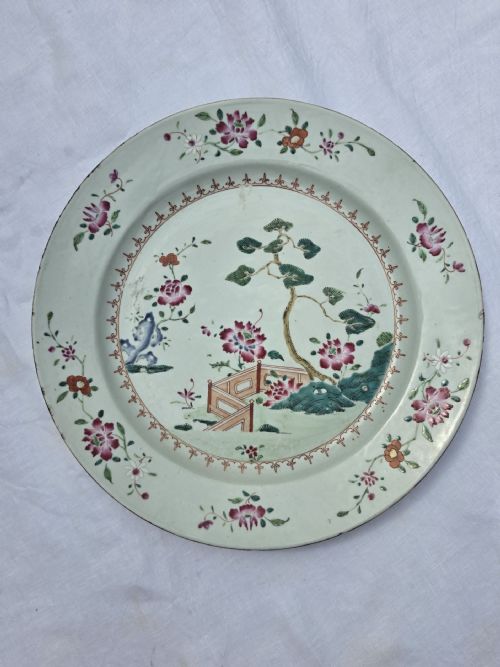
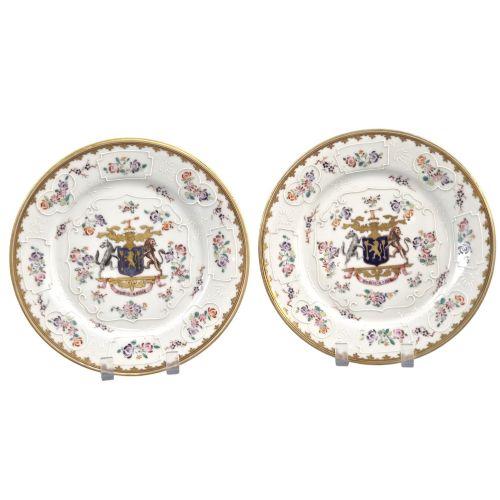
When you search for chinese porcelain display plates, you enter a world of decorative chargers, dishes, and platters spanning several centuries. The pieces available range from early Yuan Dynasty celadons to later Qing Dynasty Canton and Famille Rose productions.
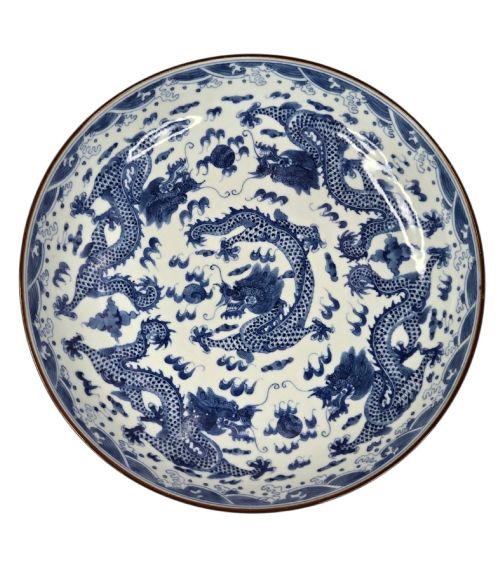
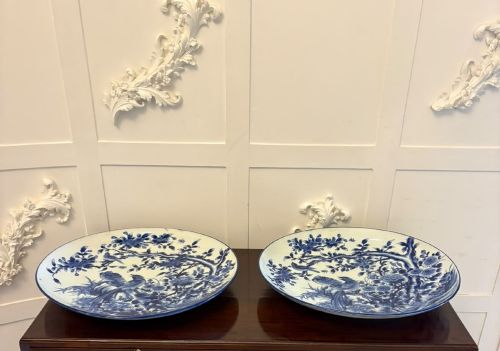
You are most likely to encounter 19th-century blue and white chargers alongside 18th-century export pieces featuring intricate hand-painted motifs. These items served primarily for display or export trade rather than everyday domestic dining.
The forms vary from standard dinner-sized plates to large chargers and barbed dishes with moulded floral scrolls. Each object reflects the specific stylistic preferences of its period, from Kangxi marks to Qianlong period aesthetics.
Materials and methods
Potters shaped hard-paste porcelain and standard ceramic bodies before applying cobalt underglaze pigments or vibrant enamel colours. Many surfaces incorporated gold leaf details alongside meticulous hand painting.
Techniques included underglaze blue painting, overglaze enamel decoration, and moulded relief work such as floral scrolls on celadon dishes. Firing took place in high-temperature kilns to vitrify the porcelain and fix the glaze.
Chinese Porcelain Display Plates Retail Price Guide 2026
Typical asking prices for chinese porcelain display plates among the pieces listed under this phrase on Sellingantiques today, from the lower quarter to the upper quarter. They describe what is for sale here now, not the wider market.
Listings feature hard-paste porcelain and ceramic forms decorated with cobalt underglaze, enamel, and gold leaf.
Assessing quality
Quality rests upon the precision of the hand painting, the clarity of the cobalt glaze, and the vibrancy of the famille rose or famille verte enamels. Finer examples display disciplined brushwork and balanced compositions across the surface.
The sophistication of the potting, the presence of well-executed marks, and the crispness of moulded details like barbed rims further distinguish superior pieces from standard production work.
Edmé Samson & Cie·Bluett & Sons
The Chinese Porcelain Display Plates Glossary
- Charger
- A large decorative plate or platter traditionally used for display rather than service. These substantial vessels provide a wider canvas for complex painted scenes.
- Famille rose
- A ceramic palette introduced in the Qing Dynasty featuring an opaque pink or rose enamel derived from colloidal gold. This palette allowed for nuanced shading in floral and figural designs.
- Celadon
- A type of green-glazed pottery that mimics the appearance of jade. The subtle glaze colour results from iron oxides reacting in a reduction kiln atmosphere.
- Underglaze
- A decoration applied to the ceramic body before the glaze is added and fired. This technique protects the pigment beneath a glossy glass layer.
Chinese Porcelain Display Plates: Frequently Asked Questions
How do I hang a display plate safely?
Use spring-loaded brass plate hangers that distribute weight evenly across the rim. Ensure the wall fixing is secure before mounting any charger.
Avoid adhesive discs that attach directly to the base, as old glazes can be delicate.
Are these plates meant for dining?
Most of these pieces are intended for decorative display rather than daily culinary use. Historic export wares and large chargers serve primarily as visual art.
Using them for food service risks damaging fragile hand-painted enamels and historic glazes.
How do I identify the period?
Examine the painting style, glaze characteristics, and any reign marks on the reverse. Qing Dynasty pieces often feature specific six-character marks or stylistic traits unique to their decade.
Comparing potting weight and footrim finish helps distinguish 18th-century export porcelain from later 19th-century items.
What is the difference between a plate and a charger?
Chargers are significantly larger plates, typically exceeding thirty centimetres in diameter. They were designed to stand out on buffets or walls rather than sit at individual table settings.
Plates are smaller and often came in matched pairs or larger service sets.