



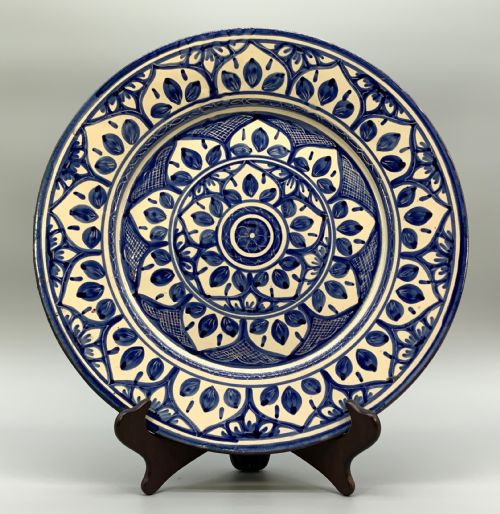
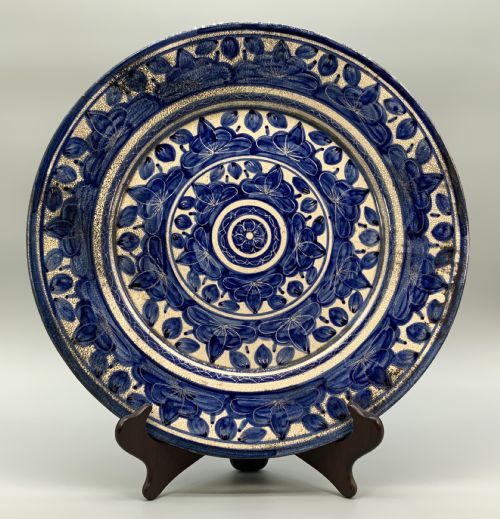
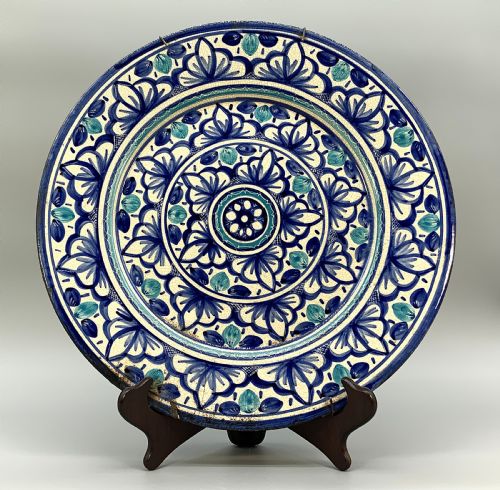
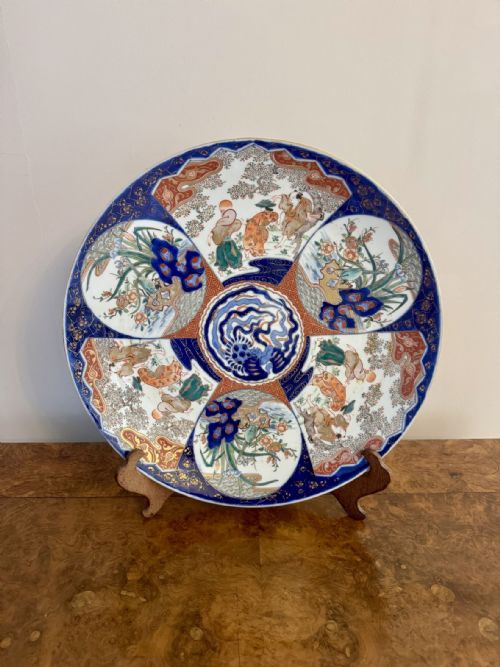


Large Blue Ceramic Platters
Large blue ceramic platters arrive in homes as substantial serving dishes and wall chargers carrying centuries of pigment.
Large Blue Ceramic Platters
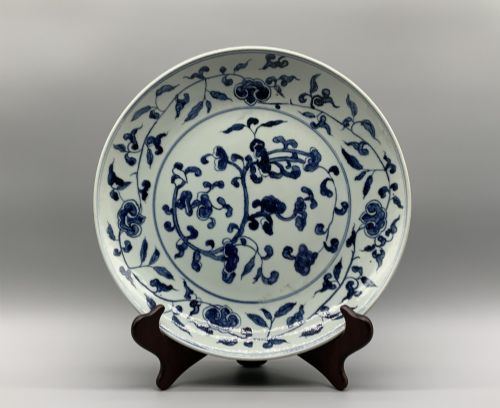
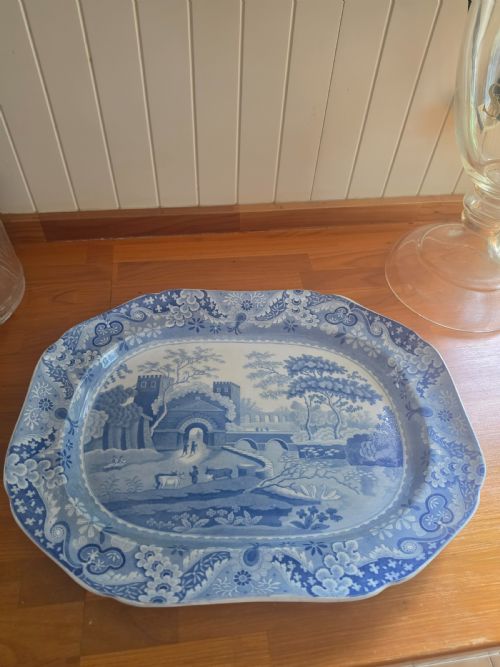
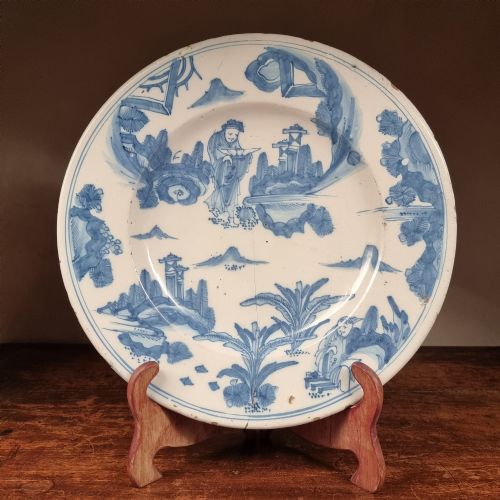
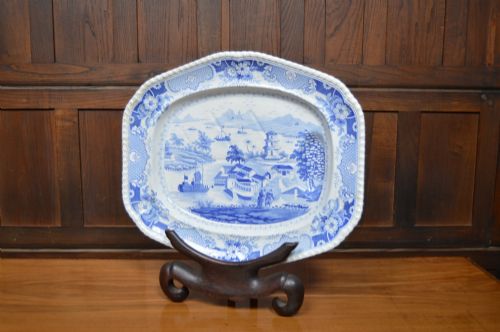
Large blue ceramic platters encompass decorative chargers, meat plates, and serving dishes produced across diverse global traditions. When searching for large blue ceramic platters, buyers encounter objects spanning the seventeenth century to the early twentieth century.
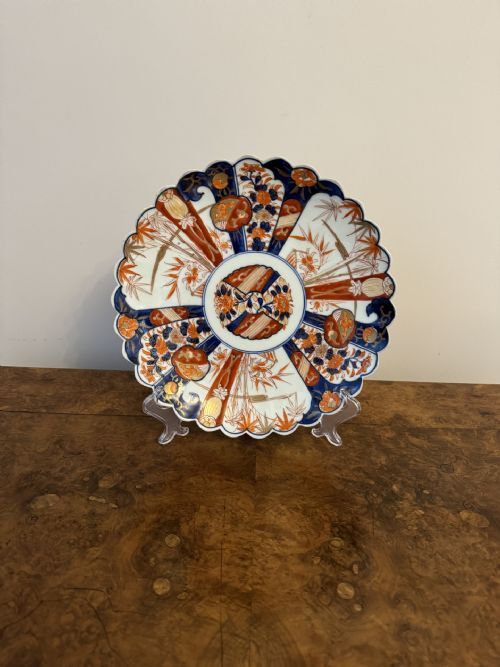
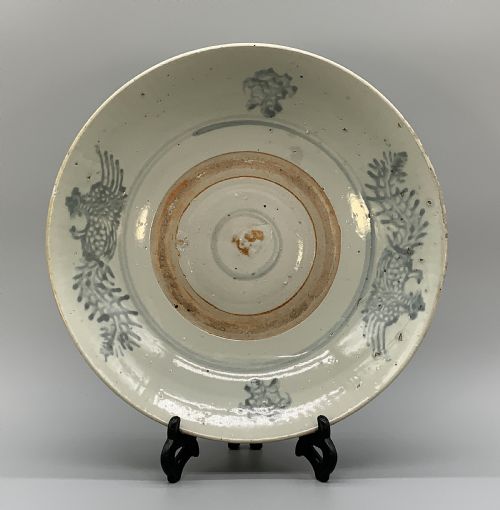
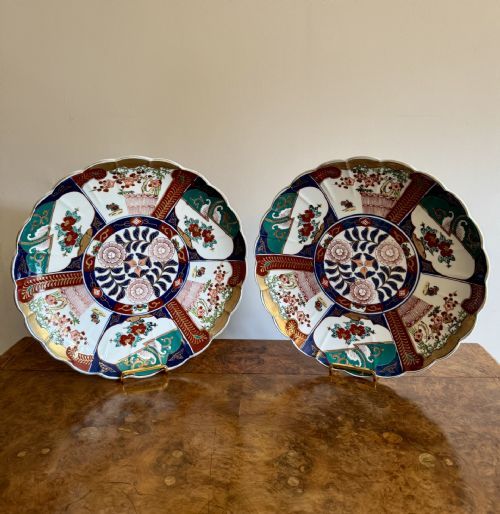
The selection ranges from English transferware meat platters and Delft chargers to Japanese Imari porcelain and Chinese export porcelain. These forms served utilitarian dining purposes or functioned as ornamental display items in period interiors.
Continental faience and Italian Maiolica also contribute to this category, demonstrating the widespread adoption of cobalt blue decoration on ceramic bodies. Each geographic origin brings distinct potting traditions and pictorial themes to the plate surface.
How they were made
Potters shaped earthenware, stoneware, and porcelain bodies by hand or on the wheel before applying mineral pigments. Cobalt glaze provided the durable blue pigment capable of withstanding high kiln temperatures without losing definition.
Transfer printing allowed English factories to apply intricate landscape and narrative patterns onto earthenware meat plates efficiently. Hand painting characterised Chinese, Japanese, and European delftware, where artisans brushed cobalt directly onto the raw clay or tin glaze.
Listings span seventeenth-century Chinese export porcelain, Victorian transferware meat plates, and nineteenth-century Japanese Imari chargers.
What varies in quality
The precision of the cobalt brushwork and the clarity of the underlying glaze dictate the visual impact of each piece. Crisp transfer details or confident hand-painted brushstrokes separate finer examples from standard production wares.
The condition of the ceramic body and the stability of the glaze influence the standing of a charger or platter. Balanced proportions and minimal kiln distortion indicate superior craftsmanship during the firing process.
J.W.R.
The Large Blue Ceramic Platters Glossary
- Charger
- A large decorative plate intended for display on a wall or sideboard rather than daily dining use. These pieces often measure significantly wider than standard dinner plates.
- Transferware
- Earthenware or porcelain decorated by applying a printed paper design from an engraved copper plate onto the ceramic surface. This technique flourished in nineteenth-century English potteries.
- Tin Glaze
- An opaque white glaze containing tin oxide that provides a smooth surface for painting in blue and other colours. It forms the basis of European delftware and Maiolica.
- Imari
- A style of Japanese porcelain featuring underglaze blue combined with iron red and gold leaf accents. These wares were widely exported to Europe from the Edo period onwards.
- Maiolica
- Italian tin-glazed earthenware decorated with historical or classical painted scenes. Pesaro schools produced notable examples of this pigmented pottery.
Large Blue Ceramic Platters: Frequently Asked Questions
How were large blue ceramic platters used?
Large blue ceramic platters served functional roles on dining tables for presenting joints of meat and poultry during large meals. Chargers were also hung on walls or displayed on dressers to showcase wealth and taste.
Over time, many of these utilitarian dishes transitioned entirely into decorative objects. Their generous surface area made them ideal canvases for intricate blue and white ornamentation.
Are these platters safe for serving food?
While many antique platters were originally designed for meat and poultry, modern use depends on the stability of the glaze and ceramic body. Older earthenware and soft paste porcelain can absorb liquids or harbour bacteria through hairline cracks.
Displaying them as wall chargers or decorative table centerpieces preserves the historic surface without risking further wear. Gentle cleaning with lukewarm water suits antique surfaces better than automated dishwashers.
What is the difference between delft and imari?
Delft refers to European tin-glazed earthenware typically decorated in blue and white, inspired by Chinese imports. Imari describes Japanese porcelain featuring a distinct palette of underglaze blue, iron red, and sometimes gold leaf.
Delft production centres in England and the Continent focused on opaque white backgrounds with pictorial scenes. Japanese Imari wares utilised porcelain bodies with dense geometric and floral compositions.