



Blue White Bird Plates
These blue white bird plates combine painted avian subjects with cobalt pigments across centuries of ceramic history, offering collectors striking decorative impact.
Blue White Bird Plates
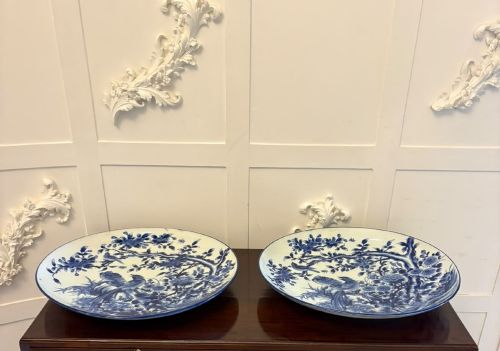
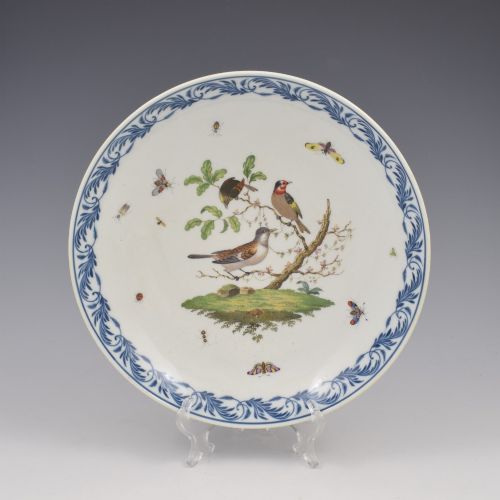
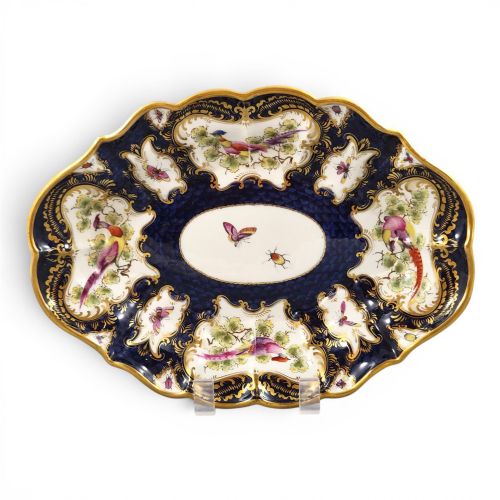
When you search for blue white bird plates, you encounter an array of decorative plates, chargers, and dessert dishes spanning multiple global traditions. The examples shown here range from 18th Century English Delft and pearlware to Japanese Imari and European porcelain manufactories.
You are most likely to meet Chinese and Japanese export porcelains alongside English earthenware and continental porcelain dessert dishes. These pieces showcase diverse bird subjects, from hand-painted peafowl and fancy birds to traditional ornithological studies.
The forms vary from large decorative wall chargers and platters to soup dishes and smaller dessert plates. Each period brings its own characteristic weight, body, and pigment application to the avian theme.
Materials and construction
Makers utilised porcelain, earthenware, and pearlware as the primary ceramic bodies for these wares. Hard-paste porcelain and soft-paste bodies provided smooth grounds for detailed painting.
Cobalt pigment under the glaze formed the foundational blue decoration on many items, occasionally enhanced with overglaze enamel, gilding, and colourful glazes. Hand painting required steady brushwork to delineate plumage and foliage accurately across curved surfaces.
Glazing techniques sealed the porous earthenware and delicate porcelain bodies, while specialised kilns fired the cobalt pigment to achieve deep blues.
Blue White Bird Plates Retail Price Guide 2026
Typical asking prices for blue white bird plates among the pieces listed under this phrase on Sellingantiques today, from the lower quarter to the upper quarter. They describe what is for sale here now, not the wider market.
Current listings feature porcelain and earthenware materials decorated with cobalt pigment, enamel, and gilding.
Assessing quality and execution
The finesse of the hand painting separates the finest examples from standard production. Superior pieces display precise brush control in the rendering of feathers, beaks, and surrounding natural motifs.
The purity of the ceramic body and the consistency of the glaze application influence the overall visual success. Subtle variations in cobalt tone and the integration of supplementary gilding or enamel colours contribute to a more accomplished piece.
Grainger and Co Royal Worcester·Bassano pottery works
The Blue White Bird Plates Glossary
- Cobalt Pigment
- A metallic oxide used under the glaze to produce a stable blue colour during high-temperature firing. It forms the primary hue in traditional blue and white ceramics.
- Pearlware
- A refined earthenware developed in the late 18th century featuring a thin glaze with a faint bluish tint in puddings. It served as a popular canvas for blue transfer-printed and hand-painted designs.
- Hard-paste Porcelain
- A dense, vitrified ceramic composition fired at high temperatures using kaolin and petuntse. It yields a durable, translucent body common in continental and Asian wares.
- Overglaze Enamel
- Coloured glass decoration applied on top of a fired glaze and fixed with a lower temperature second firing. It allows for vibrant supplementary hues like those found on Imari wares.
- Charger
- A large decorative plate or platter typically displayed on a wall or sideboard rather than used for dining. These substantial pieces offer wide expanses for pictorial bird scenes.
Blue White Bird Plates: Frequently Asked Questions
How do I date blue white bird plates?
Dating relies on examining the ceramic body, glaze characteristics, and the style of the painted avian subject. Examining the foot ring and any visible underglaze marks provides further clues to the period of manufacture.
Changes in ceramic technology, such as the shift from Delftware to refined pearlware and hard-paste porcelain, help narrow down the decade of production.
Were these plates used for dining?
Many smaller dessert dishes and plates saw active use at the table for serving sweets or courses. Larger chargers and platters were primarily intended for display on walls or sideboards.
The presence of hanging holes on the reverse or delicate enamel work often indicates a purely decorative purpose.
How should I display wall chargers?
Wall chargers require secure mounting hardware designed to support the weight of heavy earthenware or porcelain bodies without putting pressure on the rim. Proper wall brackets or coated wire hangers distribute the load evenly.
Keep display locations away from direct sunlight and areas of high temperature fluctuation to protect the glaze and enamel.