




Chinese Floral Porcelain Platter
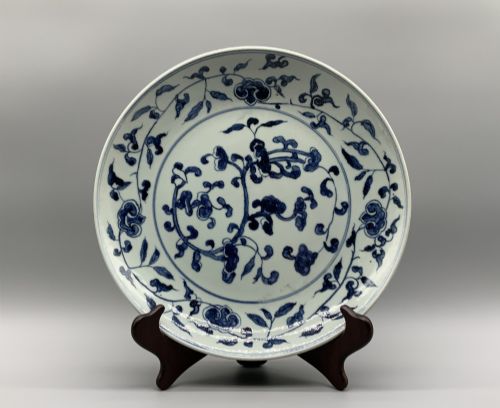
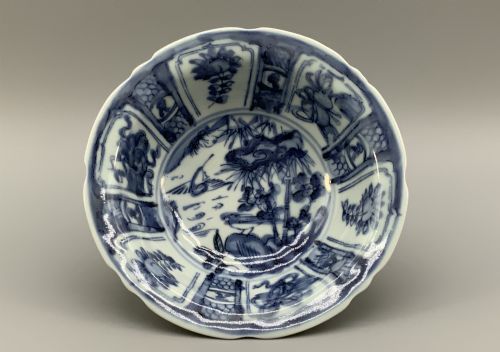
These Chinese floral porcelain platter pieces offer traditional painted and moulded botanical motifs spanning centuries of ceramic craft.
Chinese Floral Porcelain Platter
When you search for chinese floral porcelain platter, you encounter large chargers, dishes, and serving trays produced in ceramic and porcelain. The selection ranges from early Yuan Dynasty celadon dishes to Kangxi period blue and white pieces and later Qing Dynasty Famille Rose examples.
The forms vary from lobed and barbed rims to rectangular trays and deep chargers. Makers across different periods utilised botanical scrolls and floral patterns as the primary decorative vocabulary.
You also find related forms such as decorative bowls and Victorian interpretations like the Minton Chinese Tree pattern. Each piece demonstrates distinct regional approaches to ceramic body preparation and glaze application.
Materials and construction methods
The underlying body consists of porcelain, ceramic, or stoneware, shaped either by throwing or moulding. Potters applied cobalt pigment beneath the glaze to create classic blue and white designs.
Overglaze enamel colours appear on Famille Rose pieces, fixed through subsequent firing stages. Celadon items rely on iron-bearing glaze compositions fired in reduction atmospheres to achieve their distinct green tone.
Chinese Floral Porcelain Platter Retail Price Guide 2026
Typical asking prices for chinese floral porcelain platter among the pieces listed under this phrase on Sellingantiques today, from the lower quarter to the upper quarter. They describe what is for sale here now, not the wider market.
Some platters bear Kangxi six-character marks on the reverse, offering a polite historical nod to an earlier emperor.
Distinctions in execution and refinement
The clarity and precision of the cobalt glaze or enamel work dictate visual appeal. Crisp underglaze painting and well-defined moulded floral scrolls separate finer works from simpler commercial production.
The condition of the porcelain body, glaze integrity, and the crispness of foot rims and barbed edges indicate the level of care taken during manufacture.
The Chinese Floral Porcelain Platter Glossary
- Celadon
- A traditional green glaze applied to stoneware or porcelain. It originates from iron pigments reacting in a reduction kiln.
- Famille Rose
- A palette of opaque enamel colours dominated by pink, introduced during the Qing Dynasty. This technique allows for nuanced floral painting.
- Kangxi Period
- The era spanning the late seventeenth and early eighteenth centuries, noted for vibrant cobalt glaze and refined porcelain bodies.
- Underglaze
- Pigment applied directly to the ceramic body before the transparent glaze coating and firing. Cobalt is the most common mineral used for this method.
- Charger
- A large decorative plate or platter used historically for presentation or serving at table. These pieces frequently feature elaborate floral motifs.
Chinese Floral Porcelain Platter: Frequently Asked Questions
How do I date an antique platter?
Dating relies on stylistic markers, potting techniques, and any reign marks present on the base. Comparing the cobalt tone and floral painting style to established period examples provides a reliable timeframe.
Material analysis of the paste and glaze also helps distinguish early pieces from later nineteenth-century or modern interpretations.
Are these platters safe for food?
While historically intended for domestic or ceremonial use, antique porcelain can develop microscopic hairline cracks over centuries. Using them for serving food requires careful consideration of their age and structural integrity.
Most collectors prefer to display these items on plate stands or wall mounts to protect the glaze from modern dishwasher detergents and cutlery.
What is the difference between blue and white and Famille Rose?
Blue and white ceramics use cobalt pigment painted directly onto the clay body before a clear glaze is applied and fired at high temperature. This creates a durable, integrated surface.
Famille Rose pieces incorporate opaque enamel colours painted over the fired glaze, requiring a lower temperature second firing to fix the palette.
How should I clean porcelain platters?
Cleaning should be restricted to gentle hand washing with lukewarm water and mild soap when strictly necessary. A soft cloth prevents scratching the old glaze.
Avoid soaking pieces with historical repairs or unglazed base rims, as moisture absorption can compromise fragile historic materials.