



Nineteenth Century Imari Dish
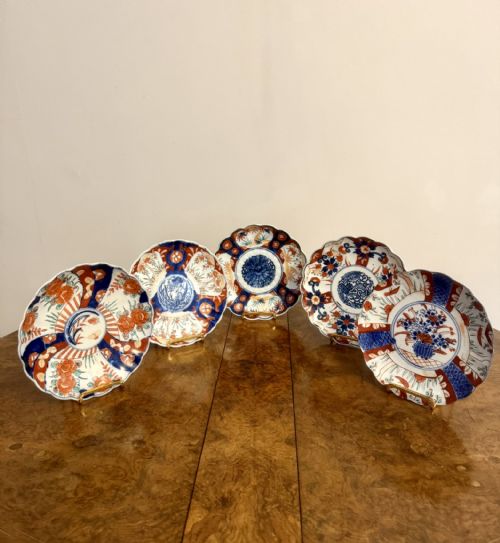
These nineteenth century imari dish pieces bring vibrant palettes and traditional motifs to your table, combining Japanese and English interpretations from the 19th century.
Nineteenth Century Imari Dish
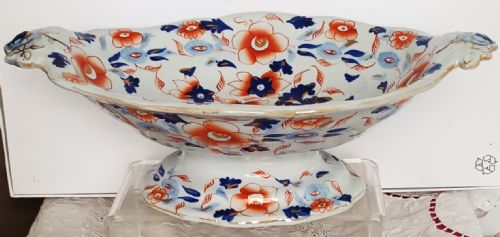
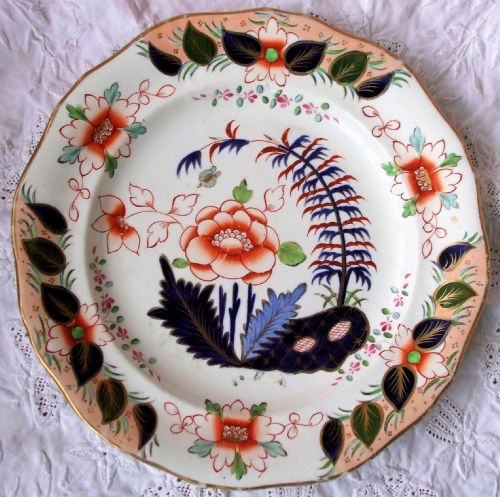
A nineteenth century imari dish covers both imported Japanese porcelain from the Edo and Meiji periods and English ironstone copies by makers such as John Davenport and Mason's. You will encounter chargers, decorative plates, comports, soup tureens, and serving dishes displaying distinctive patterns.
The Japanese examples feature hand-painted porcelain from the Meiji and Edo periods, while English makers adopted the palette on ironstone china and porcelain bodies. These items served functional roles on country house dining tables as well as purely decorative display functions.
Forms range from large chargers and oval dishes to footed comports and specialised pieces like soap dishes and butter dishes. The visual language bridges Eastern aesthetics and Victorian or Georgian dining traditions.
How they were made
Potters shaped porcelain and ironstone bodies before applying underglaze blue and overglaze enamel colours, often supplemented by gold leaf or gilt highlights. Artisans painted motifs by hand onto the ceramic surface.
Firing techniques in both Japan and English potteries fixed the ironstone and porcelain bodies, followed by subsequent kiln firings for the enamel decoration. Kiln temperatures determined the durability of the glaze and the vibrancy of the pigments.
Nineteenth Century Imari Dish Retail Price Guide 2026
Typical asking prices for nineteenth century imari dish among the pieces listed under this phrase on Sellingantiques today, from the lower quarter to the upper quarter. They describe what is for sale here now, not the wider market.
Keep an eye out for the Black Ship imari plates, recording maritime trade history on ceramic.
What varies in quality
The precision of the hand-painted brushwork distinguishes superior examples from standard production, particularly in the delineation of complex floral and geometric motifs. Hand-painted porcelain carries a different level of detail compared to transfer-printed ironstone variations.
The application of gold leaf and gilt detailing contributes to the visual richness, with thicker, more intact gilding marking better preservation. The crispness of the porcelain or ironstone moulding also defines the finer items in this group.
John Davenport of Longport·Mason’s Ironstone China·Old Derby
The Nineteenth Century Imari Dish Glossary
- Imari
- A style of Japanese export porcelain originating from Arita, characterised by a palette of underglaze blue, iron red, and gilt. English potteries later copied this aesthetic.
- Ironstone
- A patented ceramic body developed in England, prized for its durability and heavy weight. It served as a sturdy alternative to porcelain.
- Charger
- A large decorative plate or platter used primarily for display or as a base plate during formal meals. They often feature intricate hand-painted designs.
- Comport
- A raised dish or bowl used for serving fruit or sweets on a dining table. They frequently stand on a central foot.
- Kakiemon
- An asymmetric Japanese ceramic style featuring fine porcelain painted with delicate enamel designs of birds and flowers. Old Derby adopted this aesthetic on butter dishes.
Nineteenth Century Imari Dish: Frequently Asked Questions
How do I tell Japanese imari from English ironstone?
Examine the body and weight of the ceramic to determine its origin. Japanese pieces generally use a lighter, more translucent porcelain, whereas English examples employ dense, heavy ironstone.
Look closely at the underside and footring for factory marks. English pieces often bear stamps or printed names like Mason's or Davenport, while Japanese items rely on hand-painted pictorial or character marks.
Were these dishes used for dining or display?
Many items served practical functions in nineteenth-century households, including soup tureens, soap dishes, and serving dishes for country houses. Footed comports held fruit and sweetmeats during formal dining services.
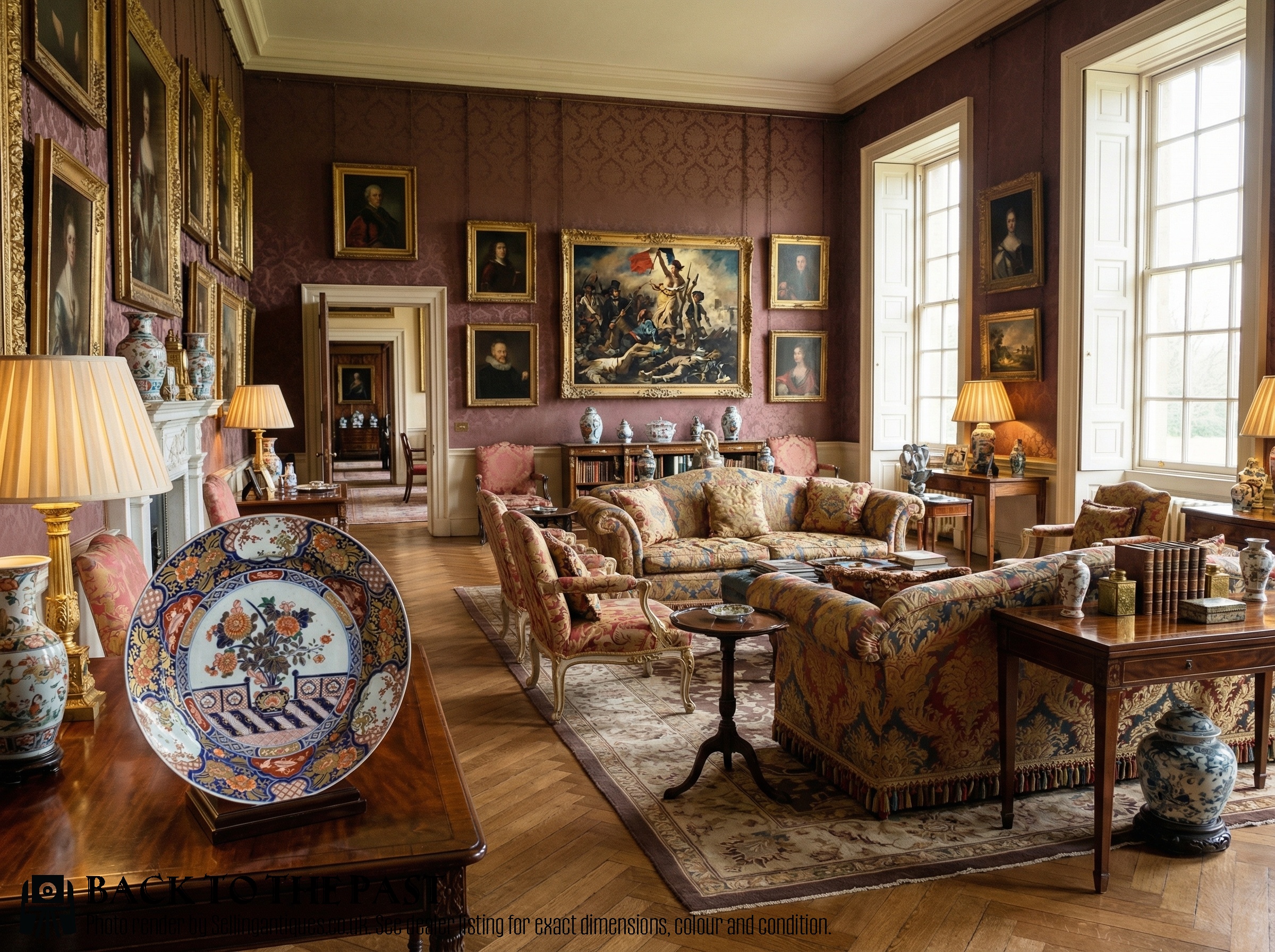
Larger chargers and decorative plates were frequently hung on walls or placed on sideboard displays. Their bright enamel palettes made them popular focal points in Victorian and Georgian interiors.
How do I care for a nineteenth century imari dish?
Wash these ceramics gently by hand in lukewarm water using mild soap. Avoid soaking pieces with gilt or gold leaf, as moisture and harsh detergents degrade metallic highlights over time.
Keep them away from modern dishwashers and sudden temperature changes. Display chargers securely on stable plate stands or wall mounts designed for heavy ceramics.
What periods do these pieces date from?
The listings encompass items spanning the Georgian, Regency, and Victorian eras in Britain. This corresponds to the early to late nineteenth century, around eighteen-twenty through the end of the Victorian period.
Japanese pieces originate from the Edo period and the Meiji period, particularly the late nineteenth century up to nineteen-ten. Both traditions heavily influenced one another during this timeframe.