





Imari Floral Display Plate
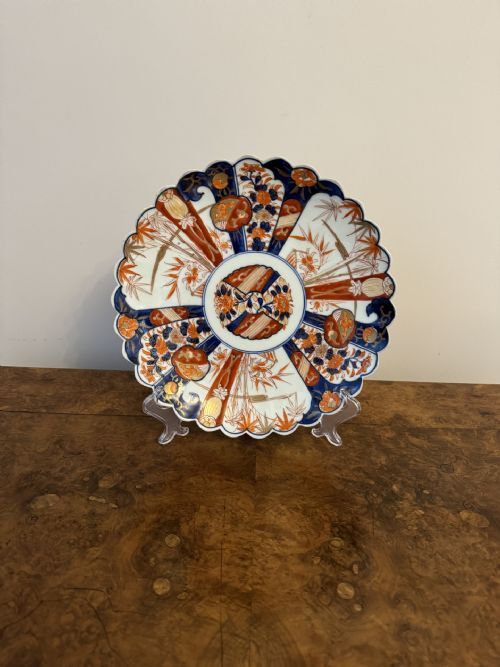
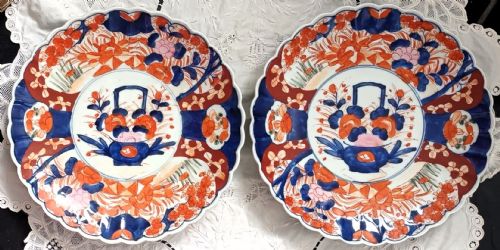
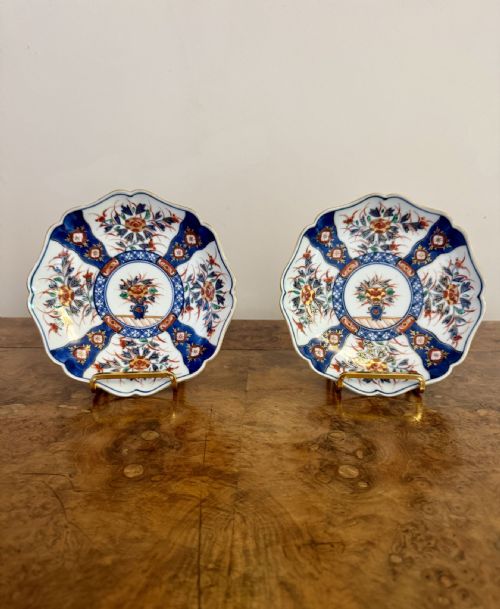
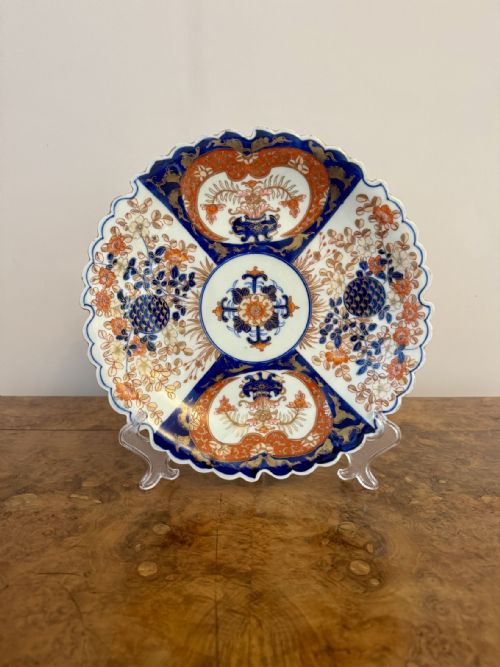
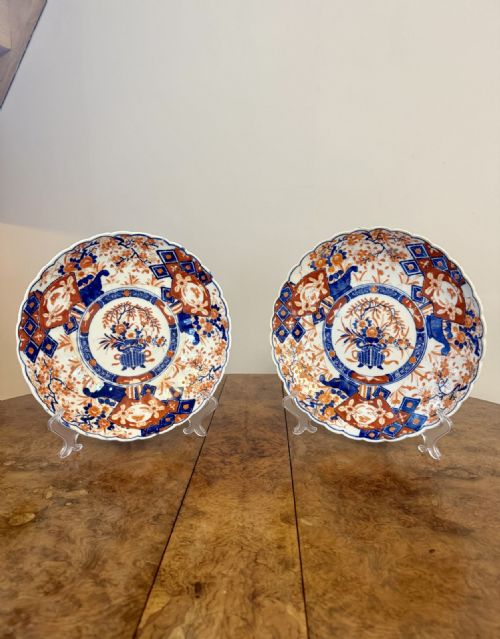
An imari floral display plate brings together rich cobalt underglaze, enamel, and gold leaf in patterns designed for wall hanging or surface display.
Imari Floral Display Plate
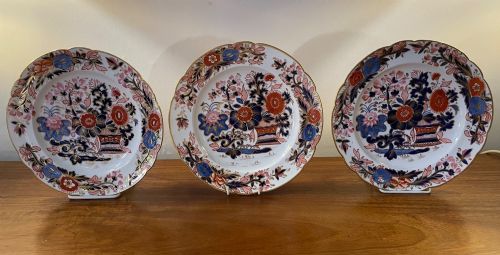
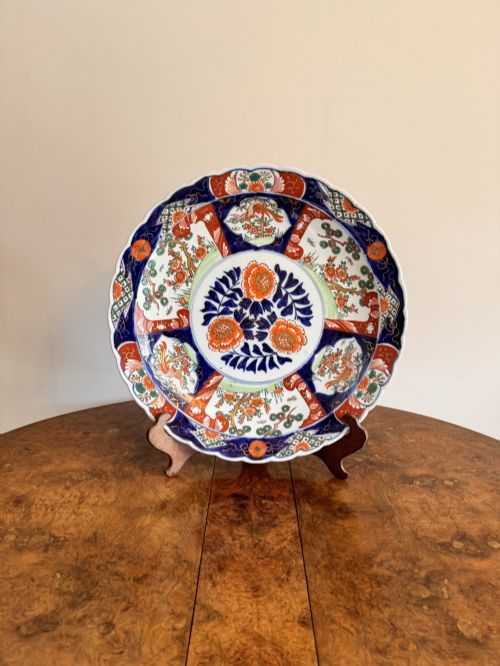
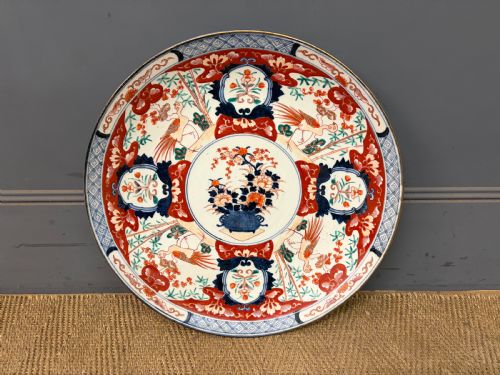
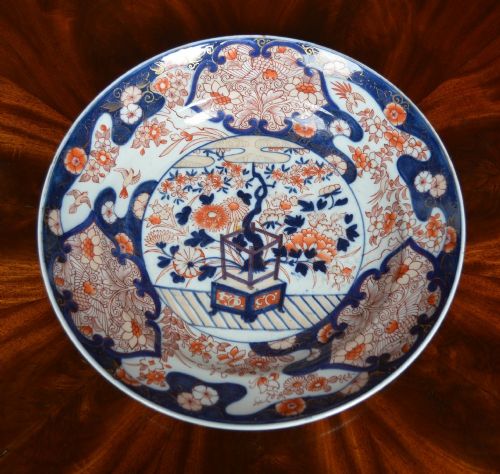
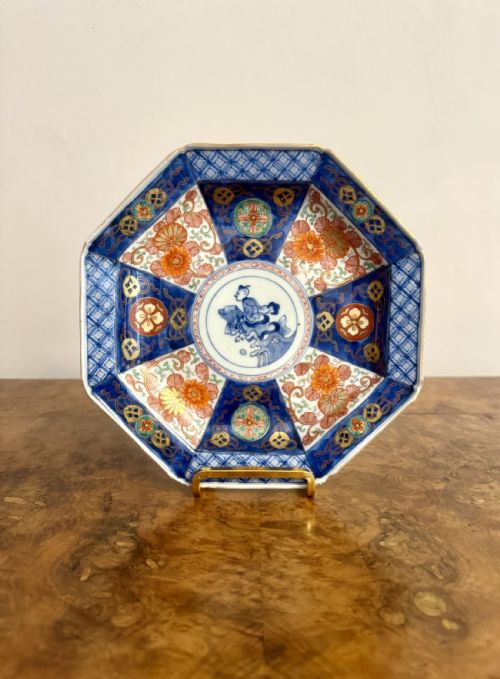
When you search for an imari floral display plate, you are looking at decorative ceramics created primarily in Japan during the Edo and Meiji periods, alongside adaptations made by English potteries during the nineteenth century. The examples you are most likely to meet on this page take the form of chargers, round plates, and scalloped or hexagonal dishes intended for visual display rather than dining.
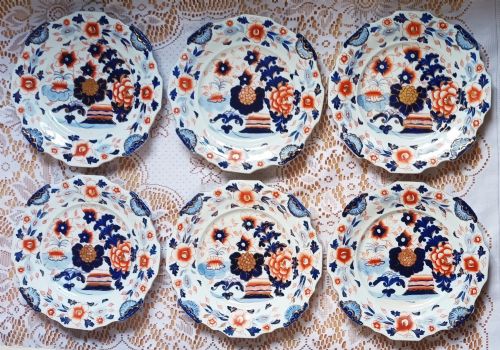
The aesthetic bridges Japanese Arita traditions and Chinese export wares, featuring complex compositions of floral and bird motifs executed in the distinctive palette of iron red, cobalt blue, and gilt. English makers such as Mason's and Staffordshire potteries interpreted this visual language onto ironstone and earthenware substrates during the Georgian and Victorian eras.
How they were made
The makers formed these ceramic plates and chargers using porcelain, ironstone, or stoneware, often shaping them with scalloped or multi-sided edges before firing. Artisans applied cobalt blue decoration under the glaze alongside iron red enamel and gold leaf or gilding over the glaze to build the characteristic layered patterns.
Hand painting governed the surface design of floral and bird motifs, requiring multiple kiln firings to set the underglaze blues and overglaze enamel colours safely. The combination of glaze and metallic leaf created the reflective surface quality seen across Japanese and English interpretations.
Birds frequently share the branches with blossoms, keeping watch over centuries of tea rooms and dining parlours.
What varies in quality
The distinction between standard production and finer examples rests upon the precision of the hand painting and the complexity of the floral or avian composition. Better pieces exhibit crisp separation between the cobalt underglaze and the overglaze enamels, paired with generous application of gold leaf.
Form also dictates standing, with uncommon shapes such as hexagonal or square plates commanding attention alongside standard circular chargers. The clarity of the porcelain body and the preservation of the enamel pigments over decades of handling determine the overall desirability of an imari floral display plate.
John Ridgway
The Imari Floral Display Plate Glossary
- Imari
- A style of ceramic originating from the port of Imari in Japan, defined by a palette of cobalt blue, iron red, and gold. English potteries frequently copied these designs during the nineteenth century under the label Japan pattern.
- Charger
- A large decorative plate intended for wall hanging or display on a sideboard rather than for service at the dining table. These pieces often measure twelve inches or more in diameter.
- Cobalt Underglaze
- A blue pigment applied to the raw ceramic body before glazing and high-temperature firing, ensuring the colour remains stable and permanent beneath the glossy surface.
- Ironstone
- A durable type of heavy earthenware patented in England during the nineteenth century, used by factories to imitate Chinese and Japanese porcelain bodies.
- Enamel
- Opaque glass-like pigments applied over the fired glaze and subjected to a lower temperature kiln firing to bond decorative colours to the plate.
Imari Floral Display Plate: Frequently Asked Questions
How do I hang an imari charger on the wall?
Display plates require specialised spring-loaded brass hangers that grip the rim securely without causing abrasion to the ceramic edge.
Ensure the wall fixing supports the full weight of the porcelain or ironstone charger before committing it to permanent display.
Were these plates used for daily dining?
Most examples listed as display plates or chargers were created primarily for visual ornamentation rather than functional service.
Their heavy gilding and overglaze enamels would suffer wear from standard cutlery use during meals.
How do I tell Japanese imari from English copies?
Japanese production typically utilises a true porcelain body with characteristic potting traits, whereas nineteenth-century English versions often employ dense ironstone or stoneware.
Examining the foot ring and the weight of the ceramic helps reveal whether a piece originates from Arita or a Staffordshire pottery.
Can I clean my imari display plate with water?
Dusting with a dry, soft microfiber cloth is usually sufficient for removing routine surface particles from the glaze.
Avoid immersion in water if the piece exhibits fragile overglaze enamels or delicate gold leaf that might lift from the surface.