




Late 19th Century Imari
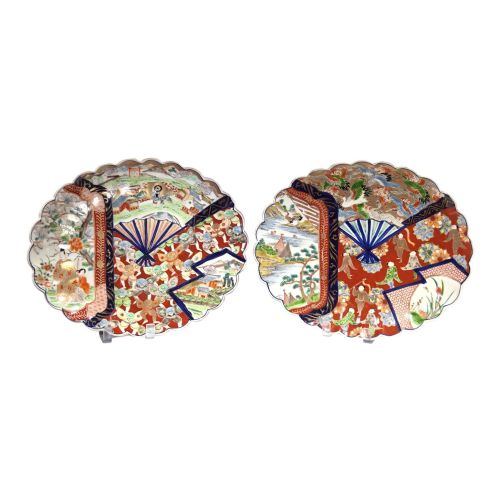
Late 19th century imari pieces are robust porcelain decorative items carrying distinctive palettes that bring strong colour to any interior.
Late 19th Century Imari
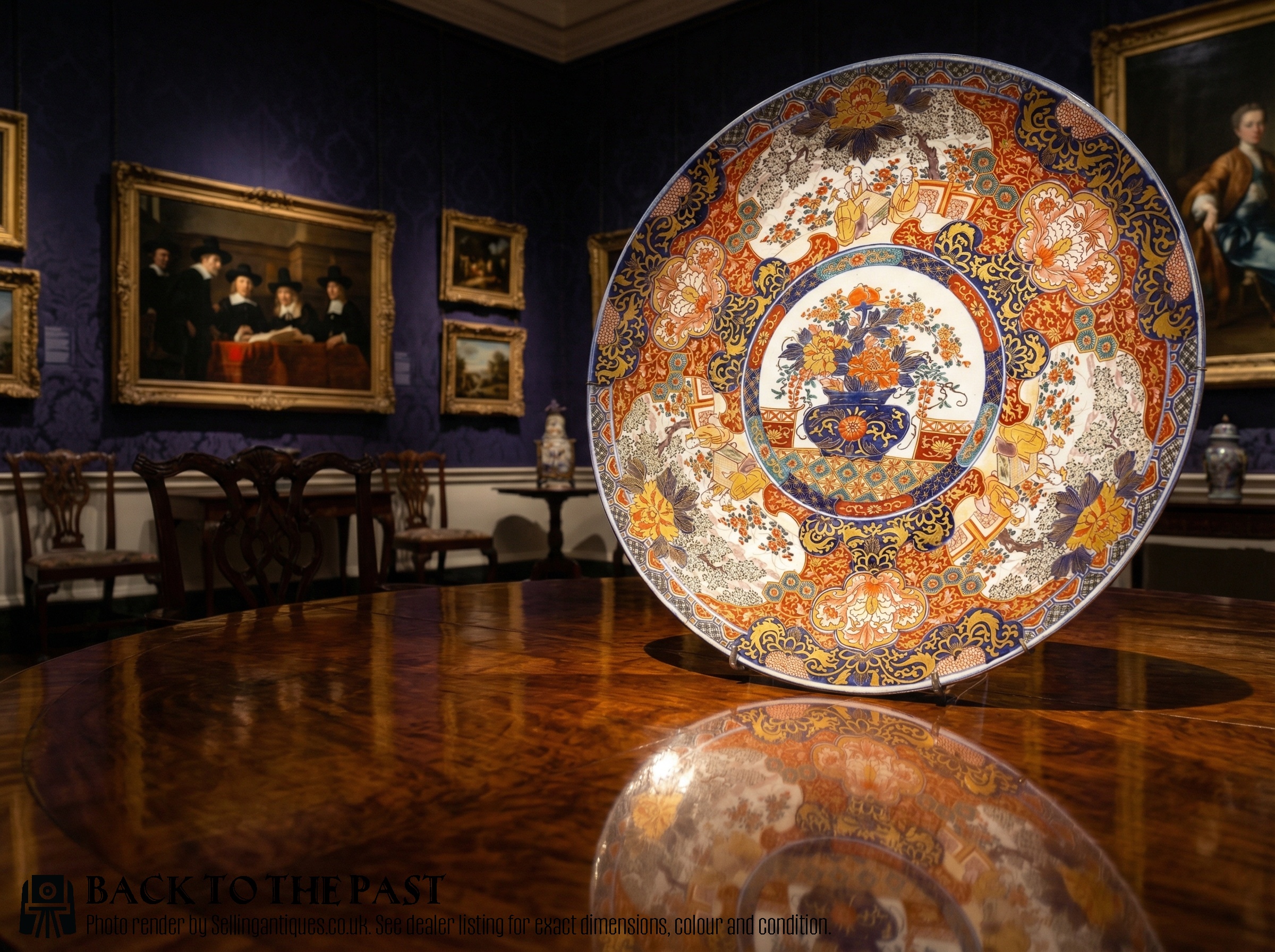
When searching for late 19th century imari, collectors encounter robust ceramic items originating from Japanese and British workshops during the Victorian and Meiji eras. The most common survivals on this page are decorative plates, wall chargers, and vases displaying traditional motifs.
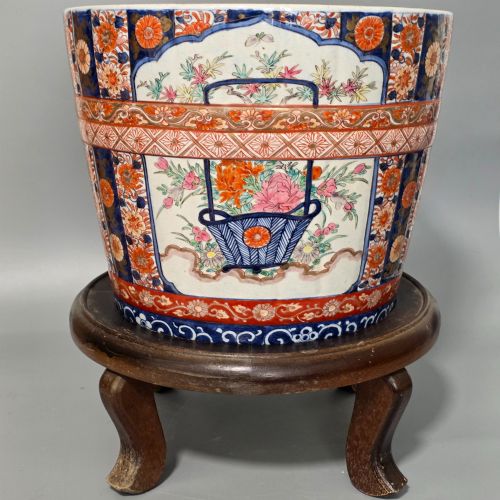
The inventory includes various utilitarian and decorative forms such as ginger jars, jardinieres, planters, bowls, and tablewares. Pieces also appear as converted lamps complete with shades, reflecting Victorian and later domestic adaptations.
Originating predominantly from Arita kilns and Japanese Meiji period makers, these items range from cabinet plates to large scale planters and garnitures. British potteries such as Ridgways also produced ironstone pieces adopting the imari pattern during the same decades.

How they were made
Production relied upon porcelain and ironstone bodies shaped into chargers, jars, and vases, sometimes paired with hardwood stands. Potters formed the ceramic foundations before applying underglaze blue and overglaze enamel colours.
Decoration typically utilised cobalt blue beneath the glaze, complemented by iron red and gold leaf or gilding applied over the glaze. Firing in kilns set the base pigments, followed by subsequent firings for enamels and gold details.
Late 19th Century Imari Retail Price Guide 2026
Typical asking prices for late 19th century imari among the pieces listed under this phrase on Sellingantiques today, from the lower quarter to the upper quarter. They describe what is for sale here now, not the wider market.
Victorian households loved these patterns so much they eagerly turned symmetrical vases into asymmetrical lamps.
What varies in quality
Quality rests upon the crispness of the underglaze blue painting and the precision of the overglaze enamel and gold leaf detailing. Superior examples exhibit tightly controlled brushwork and balanced compositions across the porcelain surface.
Scale and ambition dictate distinction, moving from small cabinet plates to large chargers, large vases, and massive planters with fitted stands. The integrity of the ceramic body and the richness of the palette separate standard production from exceptional output.
Ridgways China·Fukagawa
The Late 19th Century Imari Glossary
- Imari
- A style of Japanese porcelain decorated in underglaze blue, iron red, and gold, originating in Arita and widely emulated in the West. The palette relies on contrasting primary tones.
- Charger
- A large decorative plate intended for display on walls or sideboards rather than dining use. These pieces often feature complex central medallions.
- Garniture
- A set of three or more matching vases or jars designed to be displayed together on a mantelpiece or cabinet. They form a balanced decorative scheme.
- Meiji Period
- The era in Japanese history spanning from 1868 to 1912, corresponding with significant export ceramic production. Pieces from this time often bear distinct kiln marks.
Late 19th Century Imari: Frequently Asked Questions
How do I identify imari porcelain?
Imari porcelain is readily identified by its distinctive palette combining underglaze cobalt blue with vibrant iron red and supplementary gilding. The patterns frequently incorporate floral and geometric panels arranged in radial designs.
Items often originate from the Arita kilns or follow Japanese aesthetic traditions established during the Meiji period. British equivalents, such as ironstone pieces by Ridgways, adopt the same characteristic colour scheme.
Were these chargers meant for dining?
Large chargers and wall chargers were produced primarily for display on walls, sideboards, or decorative stands rather than functional dining use. Their generous diameters and detailed centre motifs suit vertical or prominent horizontal placement.
Smaller plates and tableware items saw practical domestic service, whereas large chargers functioned as decorative focal points within Victorian and Meiji interiors.
Why are some vases converted to lamps?
Many vases and ginger jars were adapted into electric lamps during the twentieth century to suit changing domestic lighting requirements. This conversion process often involved drilling the base or mounting fittings to the neck.
Such alterations reflect the enduring appeal of the imari palette and demonstrate how decorative ceramics were repurposed for modern functional living spaces.
How do I care for gilt porcelain?
Gilt porcelain and enamel decorated pieces require gentle cleaning with a soft, dry cloth to remove dust without abrasive contact. Avoid using chemical cleaners or immersing items with gold leaf in water for extended periods.
Displaying pieces away from direct sunlight protects the overglaze enamels and preserves the metallic lustre of the gold leaf and gilding over time.