



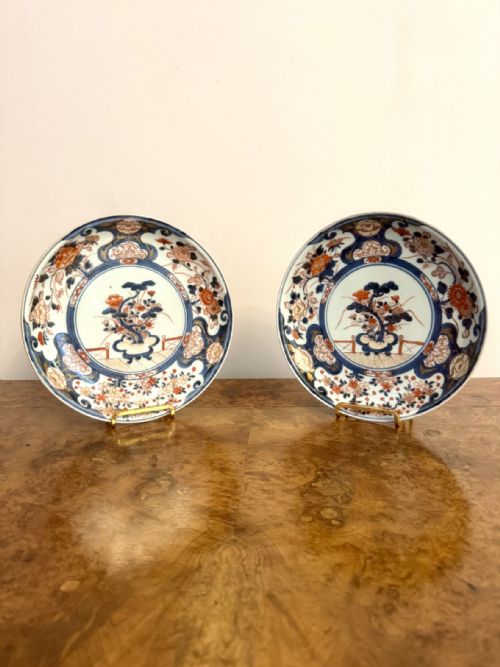
19th Century Japanese Ceramics
These 19th century japanese ceramics bring hand-painted porcelain and intricate cloisonné directly into a modern room.
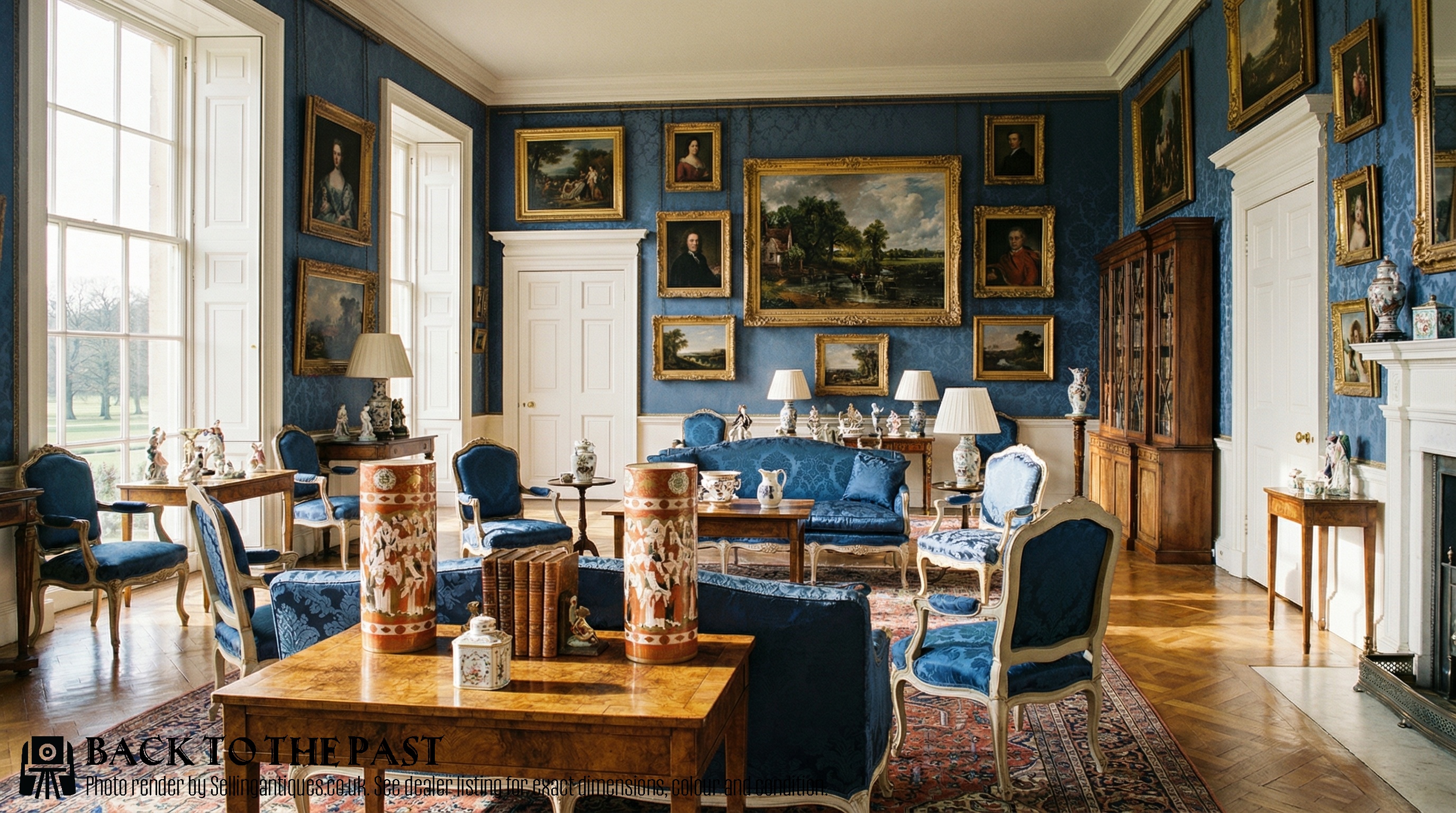
What 19th Century Japanese Ceramics Are
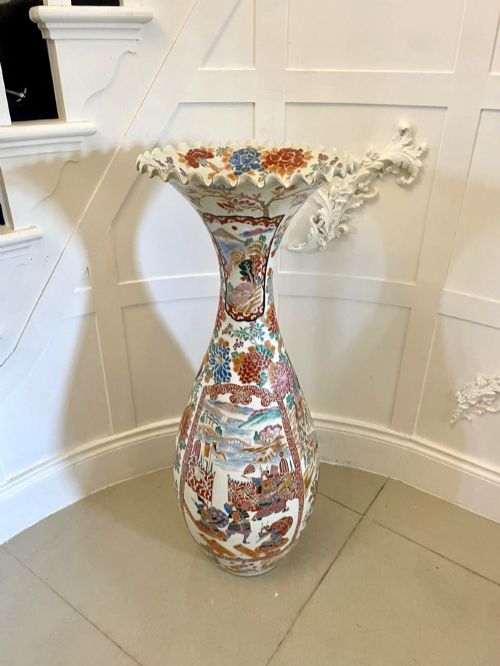
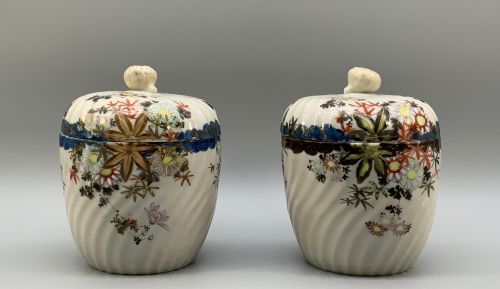
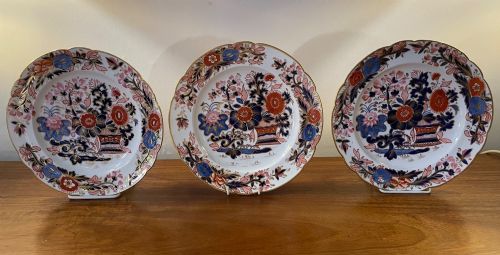
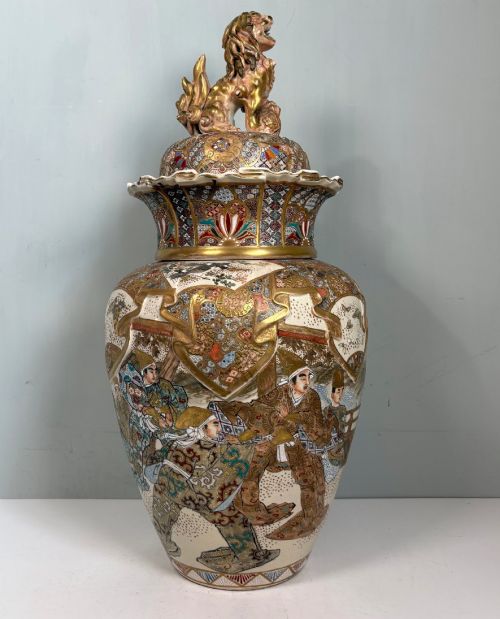
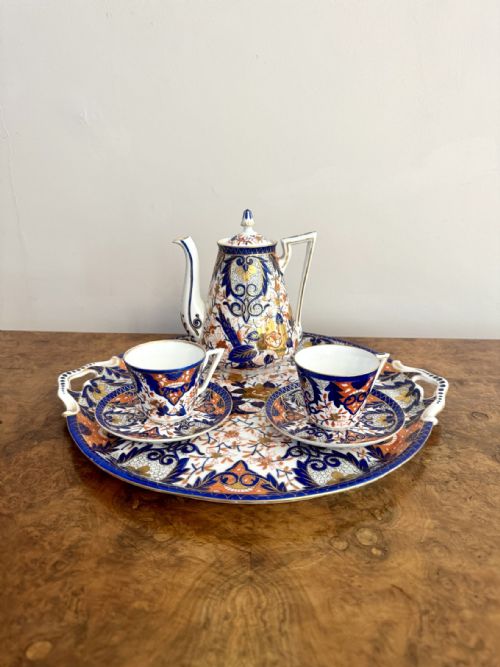
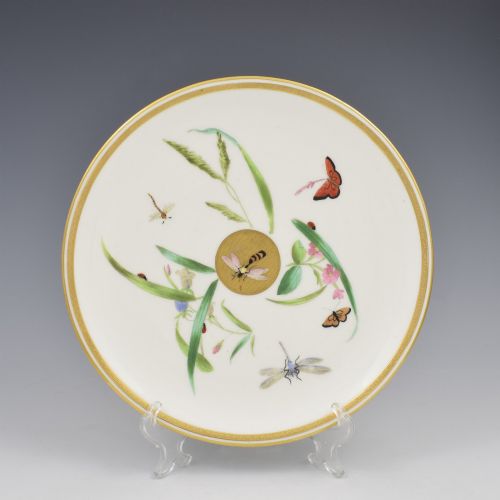
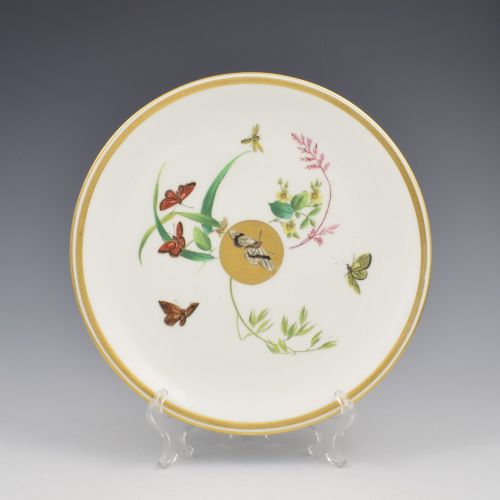
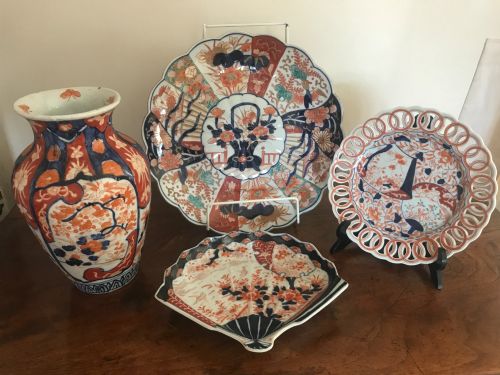
When you search for 19th century japanese ceramics, you are looking at functional vessels and decorative display pieces produced during the Meiji period and the Victorian era. The selection centres on porcelain items, including sugar bowls, cylindrical vases, double gourde vases, decorative plates, and large wall chargers.
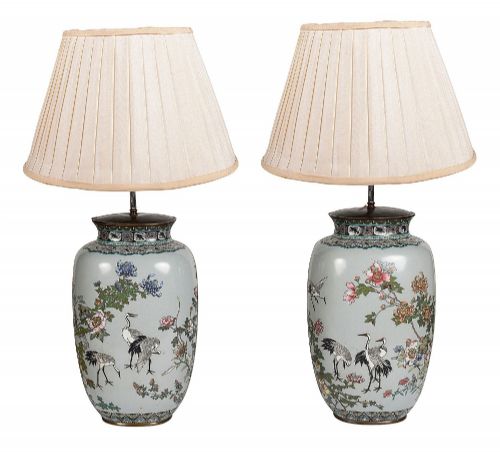
The most common forms you will encounter on this page are chargers and platters adorned with rich surface decoration, alongside pairs of vases designed for symmetrical display. These objects reflect the output of Japanese kilns during a period of intense artistic refinement and international export.

How They Were Made
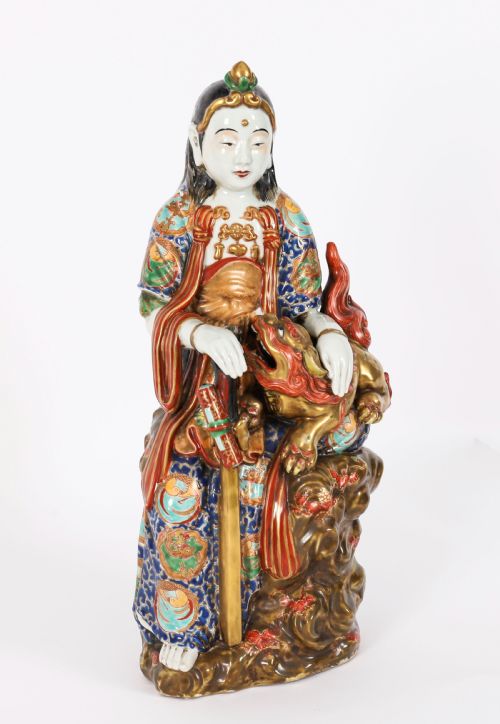
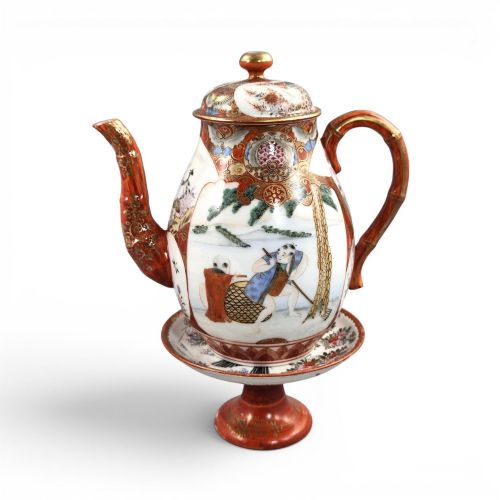
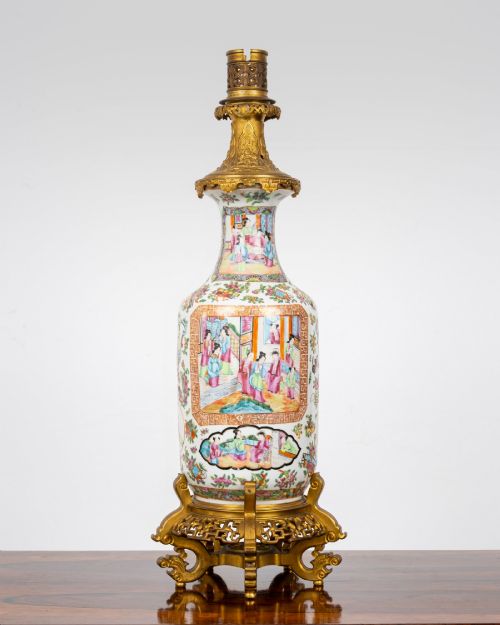
The pieces listed on this page are formed from porcelain, serving as a bright white canvas for detailed painting. Artisans applied enamel colours alongside gold leaf to build up complex pictorial scenes featuring figures, birds, and botanical motifs.
Specialised techniques include Totai work, where porcelain is combined with cinnabar lacquer and mother of pearl to create textured, layered surfaces. Skilled hands executed every brushstroke and glaze application before firing in the kiln.
Retail Price Guide 2026
Typical UK retail prices for 19th century japanese ceramics, calculated from the Sellingantiques database of over a million retail prices indexed since 2003. This retail price guide relies exclusively on Sellingantiques data; no external sources or auction records are used, so the figures do not describe the wider market.
The listings here include porcelain items embellished with enamel, gold leaf, cinnabar lacquer, and mother of pearl.
What Varies in Quality
Quality in these ceramics rests on the precision of the brushwork and the ambition of the composition. Finer examples display meticulous control in fine gold leaf detailing and complex multi-figure scenes, whereas simpler pieces rely on standard repeating patterns.
The scale and ambition of the object also dictate its standing, with massive chargers and unusual forms like double gourde vases or totại lacquer combinations representing the upper tier of the maker's art.
Fukagawa Mark
The 19th Century Japanese Ceramics Glossary
- Meiji Period
- The era in Japanese history spanning from 1868 to 1912, characterised by opening trade with the West and high technical achievement in the decorative arts.
- Totai
- A technique involving cloisonné-style effects on a porcelain body, often incorporating carved lacquer and mother of pearl elements.
- Imari
- A traditional style of Japanese porcelain featuring a distinct palette of underglaze blue, iron red, and gilt, highly popular for export during the nineteenth century.
- Kutani
- A style of Japanese pottery and porcelain known for bold colours and intricate pictorial designs, frequently depicting birds, flowers, and figures.
- Charger
- A large decorative plate intended for display on a wall or dresser rather than for serving food at the table.
Frequently Asked Questions
What are 19th century japanese ceramics?
These pieces are decorative and functional porcelain items made in Japan during the nineteenth century, largely for export to Western markets.
They encompass items such as large wall chargers, pairs of vases, decorative plates, and sugar bowls featuring detailed enamel and gilt painting.
How were these ceramics used originally?
Many of these objects served as high-status display pieces in Victorian homes, reflecting the period's intense fascination with Japanese aesthetics and design.
Large chargers were hung on walls or set on stands, while vases and bowls added exotic colour and craftsmanship to drawing rooms.
How do I style these ceramics at home?
You can display large chargers on sturdy plate stands or wall mounts to highlight their intricate pictorial scenes and rich colours.
Pairs of vases look striking on mantelpieces or sideboards, where their symmetrical forms and gold leaf details catch the light.
How do I tell Kutani and Imari apart?
Imari wares typically rely on a specific palette combining deep underglaze blue with fiery iron red and gold highlights.
Kutani pieces often feature a broader, bolder range of enamel colours with detailed narrative scenes or depictions of birds like the house sparrow.