



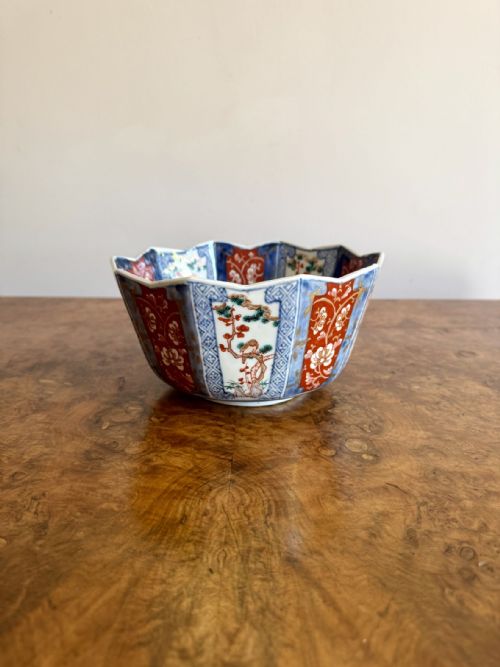


Iron Red Porcelain Bowl
An iron red porcelain bowl brings striking rust-red tones and intricate patterning into a room, spanning Chinese export and Japanese Imari traditions.
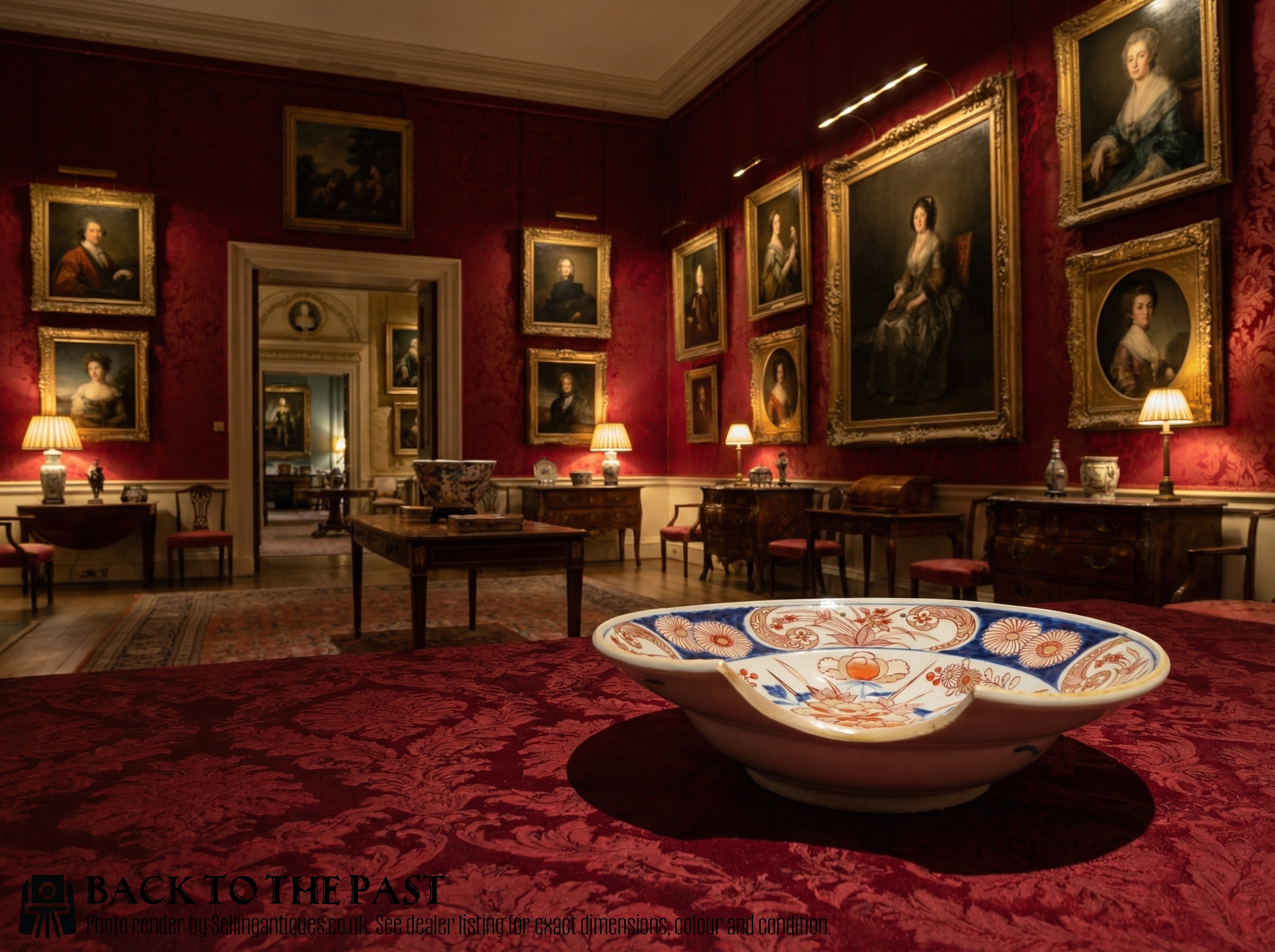
Iron Red Porcelain Bowl
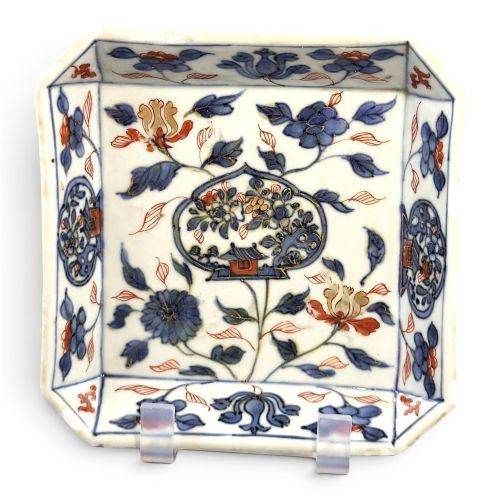
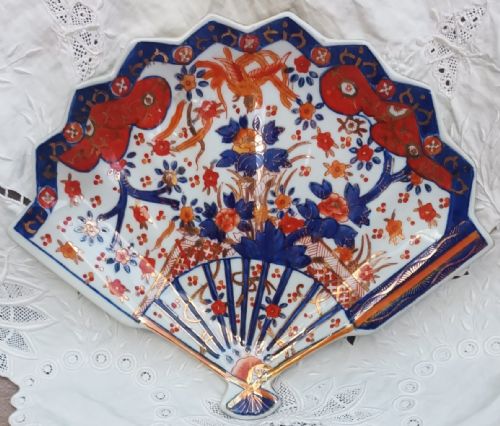
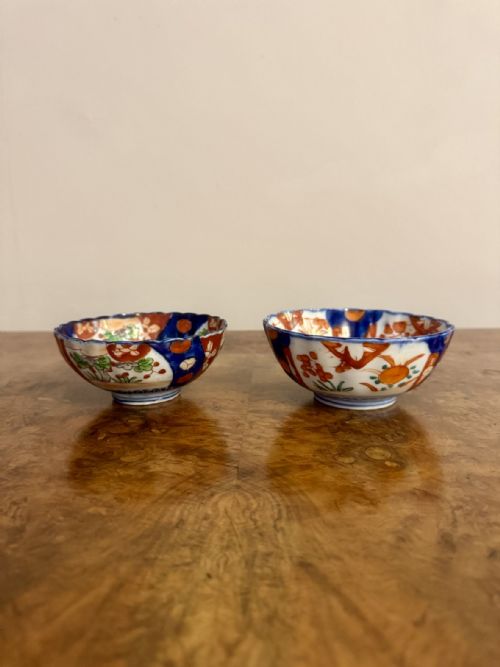
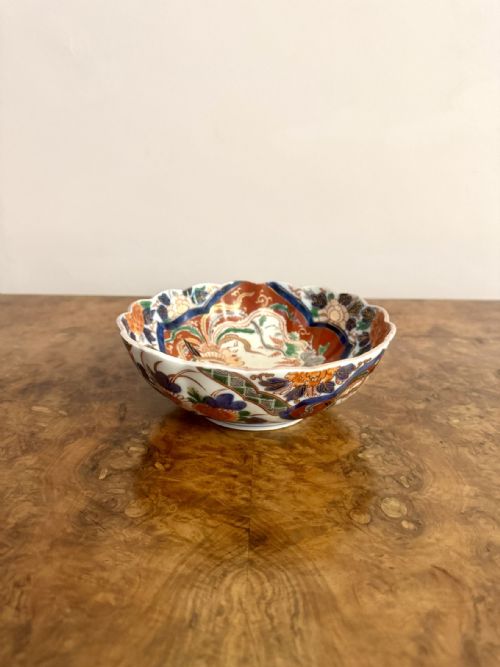
When buyers search for an iron red porcelain bowl, they encounter vibrant vessels originating from Chinese export workshops and Japanese kilns, spanning the eighteenth century to the early twentieth century. The selection ranges from circular bowls and scalloped dishes to hexagonal forms and larger jardinieres.
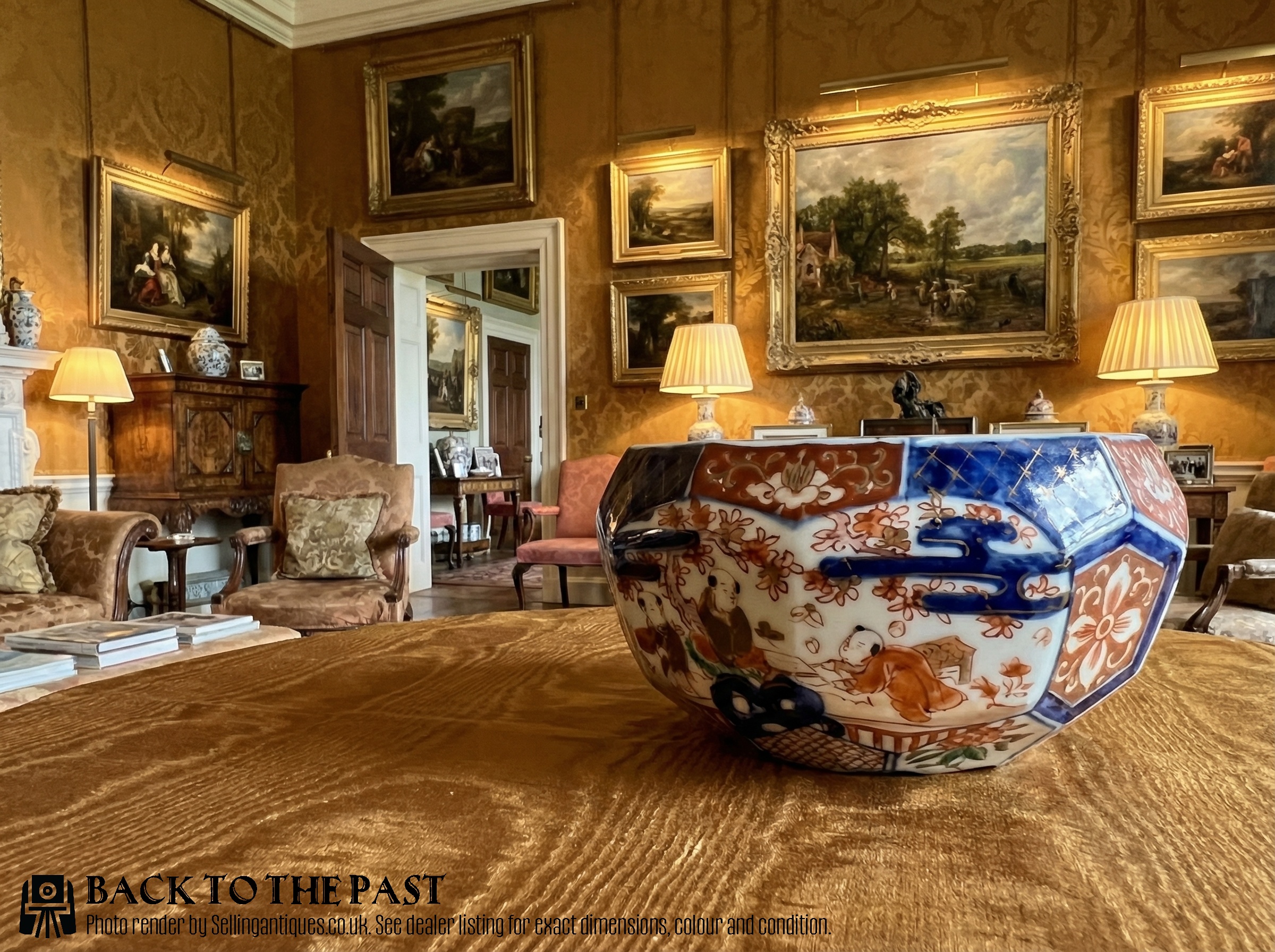
How they were made
Potters shaped porcelain clay before applying cobalt blue glaze, overglaze enamel, and iron red pigment, often finishing the pieces with gold leaf or gilding. Kiln firing fixed these colours onto the ceramic body, creating durable surfaces with rich metallic and enamel contrasts.
Workshops utilised hand-painted techniques across Arita kilns and Chinese centres to produce detailed geometric and floral patterns, sometimes incorporating moulded scallop edges, chamfered corners, or tripod feet.
Iron Red Porcelain Bowl Retail Price Guide 2026
Typical asking prices for iron red porcelain bowl among the pieces listed under this phrase on Sellingantiques today, from the lower quarter to the upper quarter. They describe what is for sale here now, not the wider market.
Listings feature porcelain, enamel, gold leaf, and cobalt blue glaze across periods ranging from the eighteenth century to the Edwardian era.
What varies in quality
The sophistication of the hand-painted brushwork separates standard production items from finer studio or imperial outputs. Crisp lines, well-preserved gilding, and controlled application of iron red and enamel pigments define the better examples.
Form and design complexity also determine distinction, with unusual shapes like hexagonal bodies, boat-shaped dishes, and chamfered squares demanding greater technical skill from the potter than simple circular bowls.
The Iron Red Porcelain Bowl Glossary
- Imari
- A style of Japanese porcelain decorated in underglaze blue, iron red, and gold, named after the port from which the wares were shipped.
- Overglaze enamel
- A decorative technique where coloured glass pigments are applied on top of the fired glaze and fixed in a second, lower-temperature kiln firing.
- Jardiniere
- A large ornamental pot or bowl designed to hold plants or flowers, often displayed on tables or stands.
- Chamfered
- Having a sharp edge cut away to form a symmetrical bevel, commonly seen on square or rectangular bowls.
Iron Red Porcelain Bowl: Frequently Asked Questions
How do I display an iron red porcelain bowl?
These bowls sit well on sideboards, tables, or within display cabinets where their bold red and gilt palettes catch the light. Because many pieces are shallow or decorative, they are best kept as standalone visual objects rather than used for heavy daily service.
Pairing them with neutral backgrounds allows the intricate iron red and cobalt details to stand out clearly in a room.
Are these bowls Chinese or Japanese?
The pieces span both traditions, encompassing eighteenth-century Chinese export and Kangxi period wares alongside nineteenth-century and Meiji period Japanese Imari.
Checking the motifs, form, and glazing style helps determine whether a piece originates from Chinese kilns or Japanese centres like Arita.
How do I clean antique porcelain?
Dusting gently with a soft, dry cloth is usually sufficient to maintain the surface of these glazed and enamelled vessels. Avoid harsh chemical cleaners or abrasive scrubbers, which can damage the delicate overglaze enamels and gold leaf.
If washing is necessary, use lukewarm water and mild soap, then dry immediately with a lint-free cloth.
What does iron red mean?
Iron red refers to an orange-red enamel colour derived from iron oxide, applied over the fired glaze and fixed during a secondary firing. It provides a distinct rust-red tone that contrasts with cobalt blue and gilt detailing.
This pigment became a hallmark of decorative Asian ceramics traded widely in Europe.