




Meiji Period Ceramic Dish
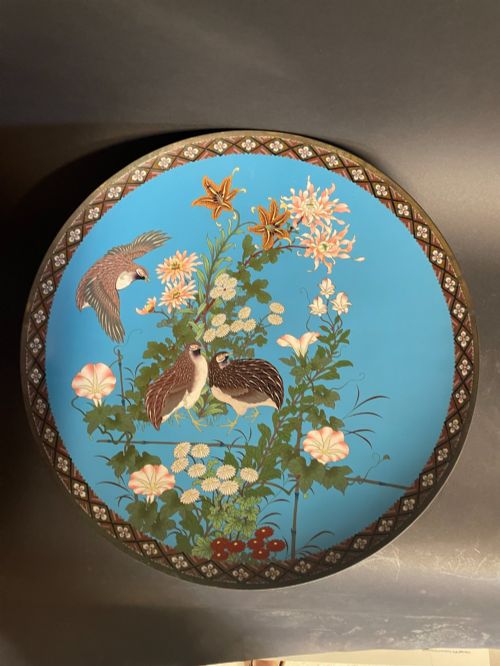
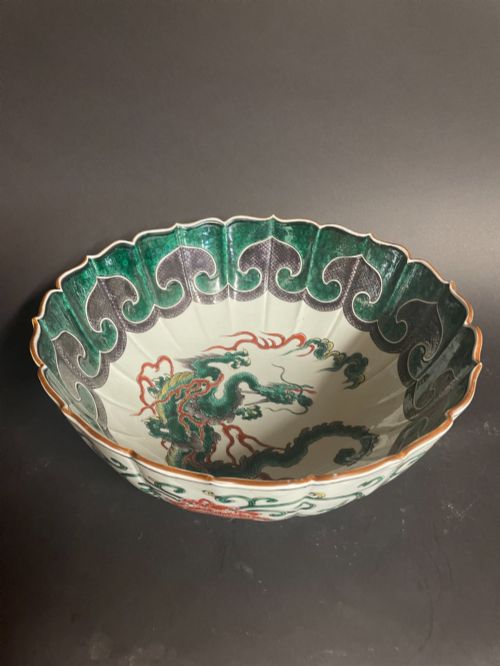
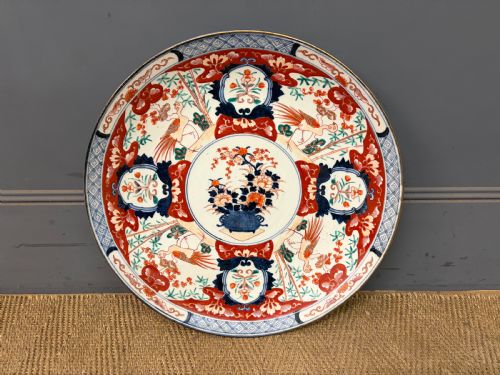
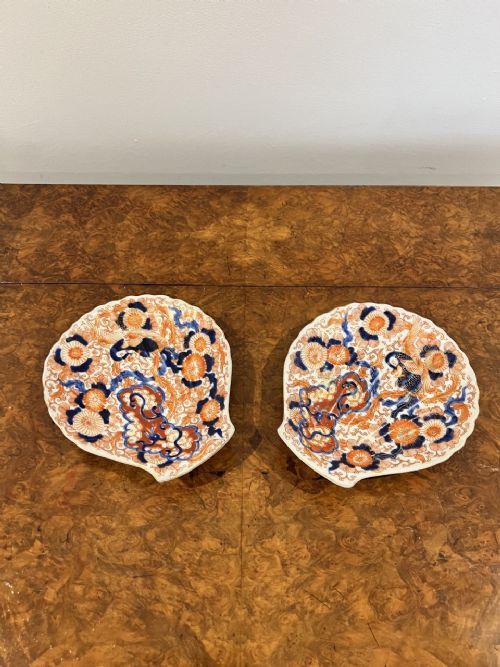
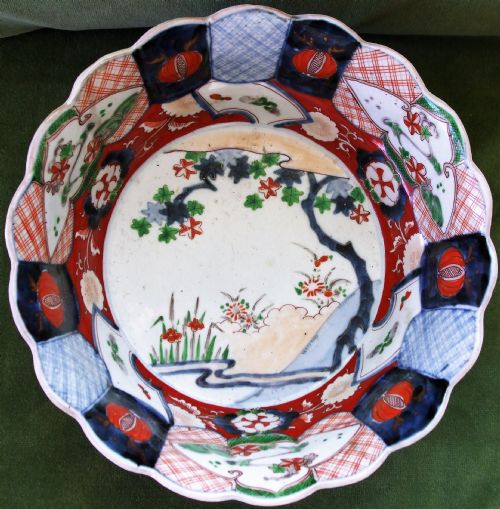
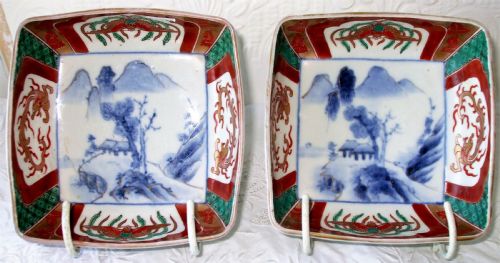
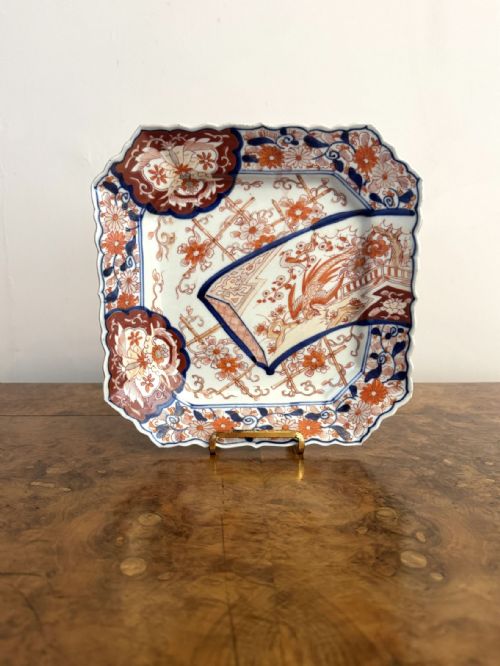
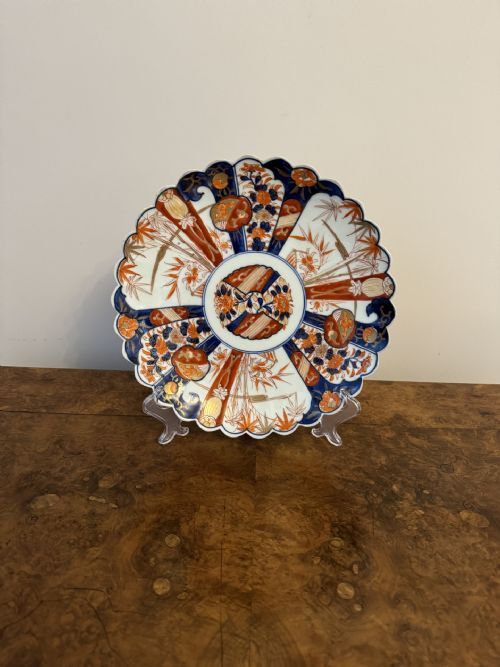
These pieces of a meiji period ceramic dish bring intricate hand painted patterns and traditional forms directly from late nineteenth and early twentieth century Japanese kilns.
Meiji Period Ceramic Dish
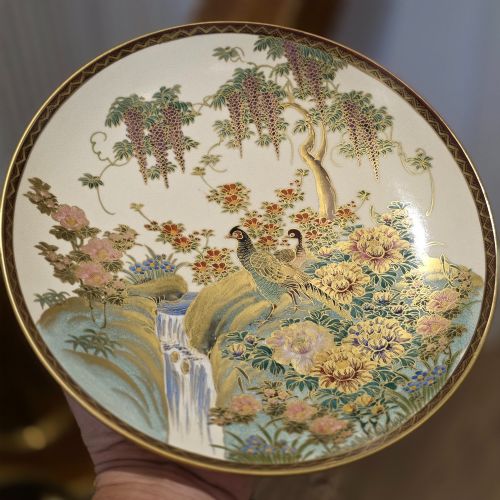
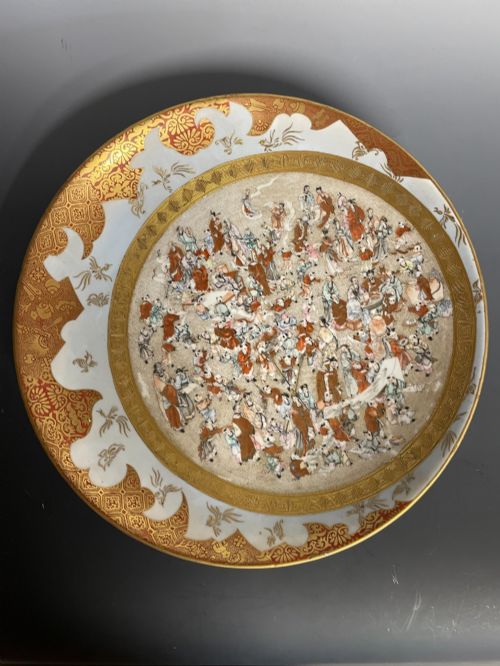
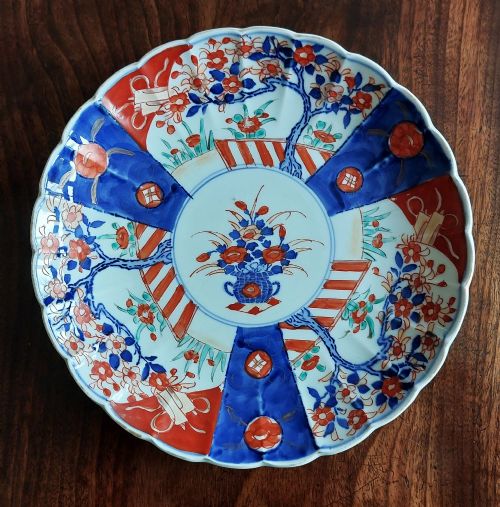
A meiji period ceramic dish encompasses decorative plates, bowls, and chargers originating from Japan during the nineteenth and early twentieth centuries. These vessels display distinct regional styles including Imari, Satsuma, and Arita traditions.
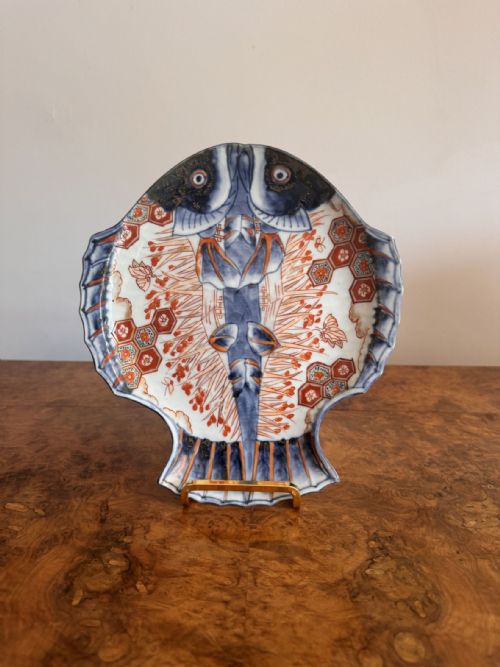
Most examples found on this page date from the late nineteenth century and feature traditional motifs such as exotic birds, floral arrangements, and geometric borders. Forms range from standard circular plates to scalloped edges, square shapes, and fish outlines.
How they were made
Potters shaped porcelain and earthenware bodies by hand or mould before applying detailed underglaze and overglaze colours. Artisans utilised enamel, glaze, and occasionally gilding or gold leaf to highlight intricate painted scenes.
Specialised techniques such as moriage created raised enamel patterns on Satsuma wares, while traditional kilns fired blue and white Imari pieces to achieve deep cobalt tones.
Materials recorded across current inventory include porcelain, earthenware, enamel, gold leaf, and wood.
What varies in quality
The precision of the hand painted brushwork dictates the overall refinement of each vessel, separating standard production items from finer collector pieces. Crisp details in floral and avian motifs show greater artistic skill.
The complexity of the form also influences the standard, with unusual shapes like fish outlines or deep scalloped edges requiring advanced moulding and firing expertise.
Koshida·Kozan
The Meiji Period Ceramic Dish Glossary
- Imari
- A traditional style of Japanese porcelain featuring a distinctive palette of cobalt blue, iron red, and gilt highlights. These wares were widely exported during the Meiji period.
- Satsuma
- An earthenware pottery type with a fine crackle glaze, typically decorated with elaborate polychrome enamels and raised moriage details. Many pieces include figural or floral scenes.
- Arita
- The historic centre of Japanese porcelain production in Saga Prefecture, where skilled artisans fired durable white ceramic bodies. Arita wares form the foundation of many classic export styles.
- Charger
- A large decorative plate primarily intended for display on walls or sideboards rather than dining use. These substantial dishes often showcase the most ambitious painted compositions.
- Moriage
- A decorative ceramic technique using piped clay or thick enamel to create raised, textured relief patterns on the surface. This method adds tangible depth to Satsuma vessels.
Meiji Period Ceramic Dish: Frequently Asked Questions
How do I identify a Meiji dish?
Look for characteristic Japanese Imari or Satsuma decorative styles combined with late nineteenth or early twentieth century production methods.
Examine the base and glaze characteristics to confirm the period of origin.
Were these dishes used for dining?
Many larger chargers and decorative plates served primarily for display on walls or tables rather than everyday food service.
Smaller bowls and dishes accommodated practical domestic functions in traditional Japanese settings.
What is the difference between Imari and Satsuma?
Imari pieces consist of hard porcelain decorated with blue, red, and gilt pigments in striking symmetrical patterns.
Satsuma items utilise earthenware with a warm crackle glaze and dense polychrome enamel painting.
How should I display antique ceramic dishes?
Use stable plate stands or secure wall hangers designed specifically for heavy porcelain and earthenware chargers.
Keep pieces away from direct sunlight to protect enamel colours and gold leaf accents.