





Antique Porcelain Display Plate
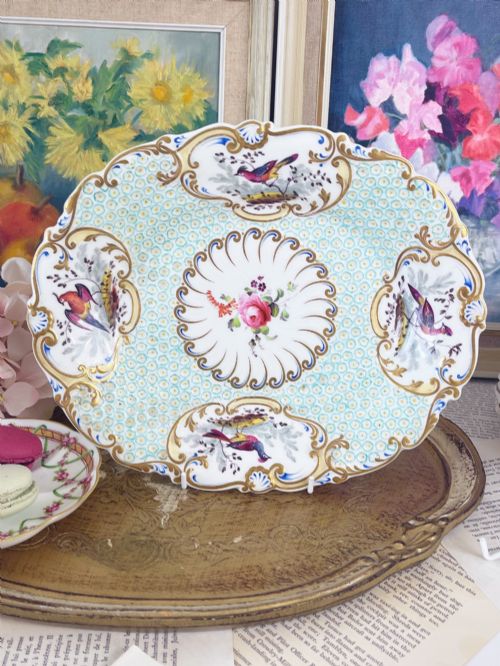
An antique porcelain display plate brings painted birds, gilded borders, and centuries of ceramic artistry directly onto the wall or cabinet.
Antique Porcelain Display Plate
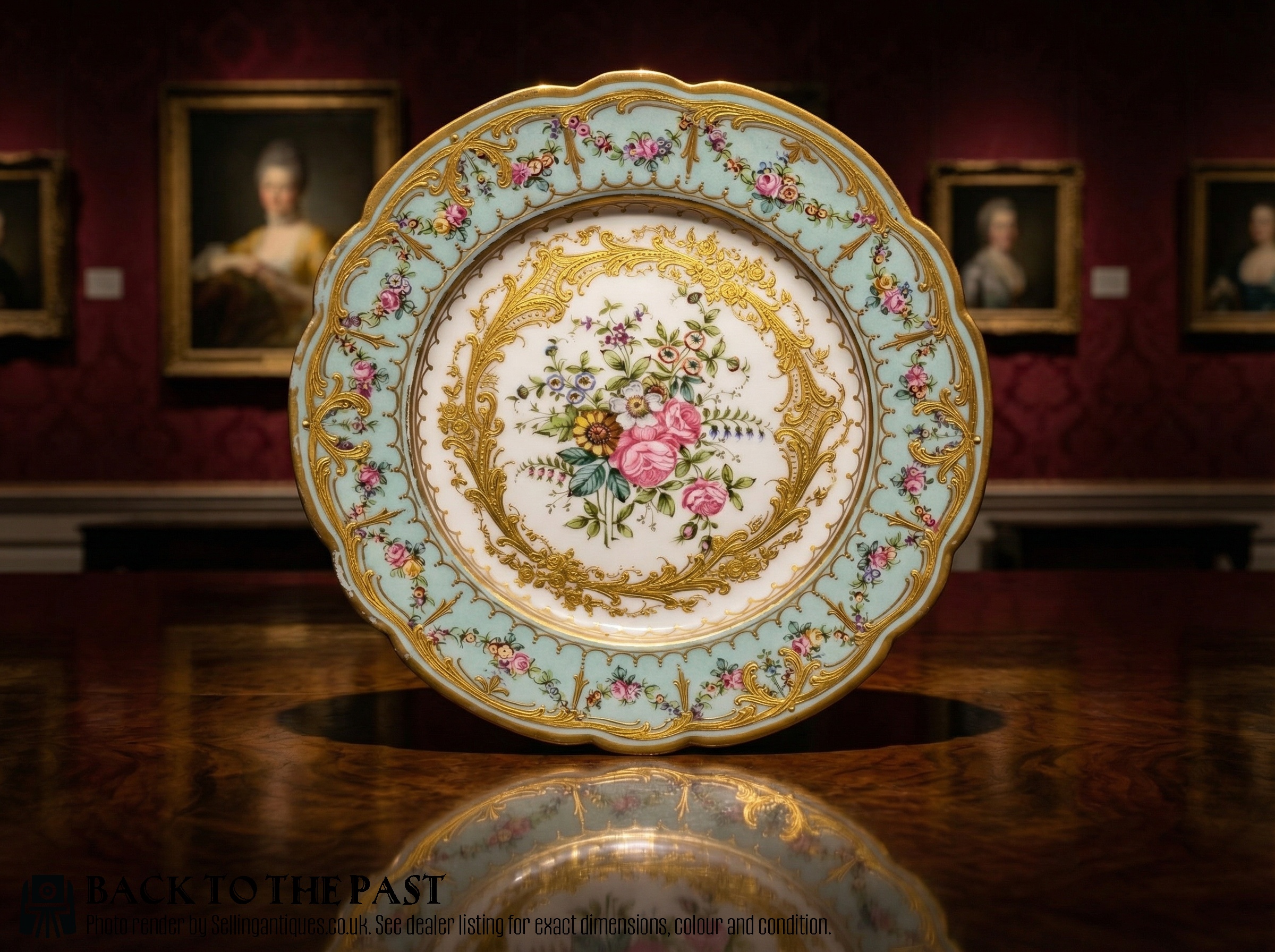
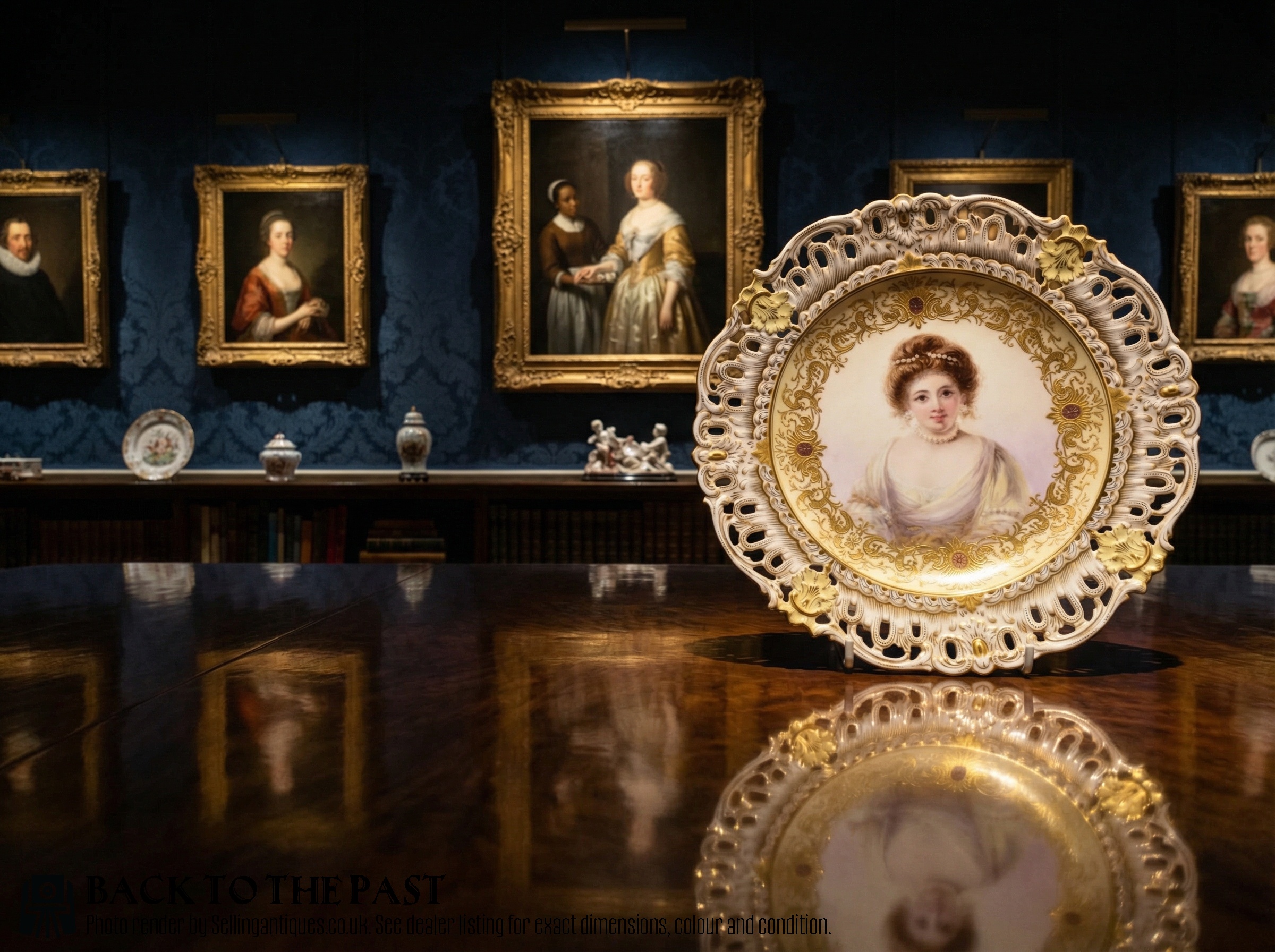
An antique porcelain display plate encompasses ornamental cabinet plates, decorative chargers, and dessert service dishes produced across the eighteenth, nineteenth, and early twentieth centuries. These vessels were created primarily for visual appreciation rather than daily dining, often exhibited on dressers or mounted within formal rooms.
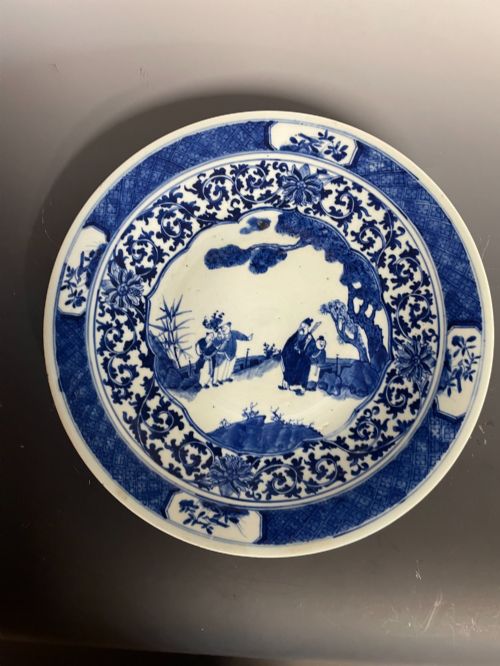
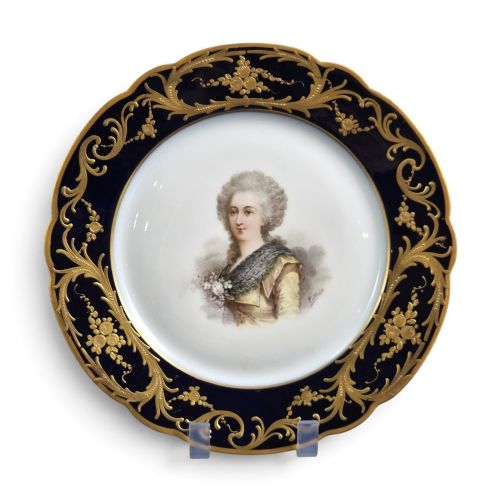
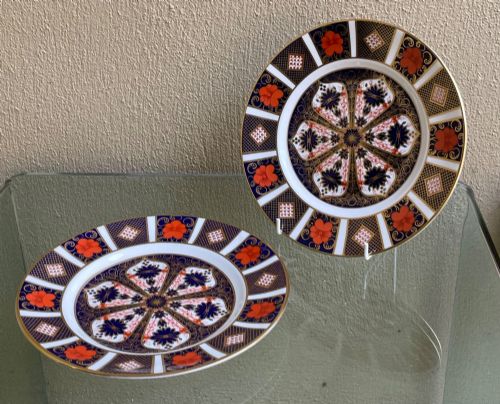
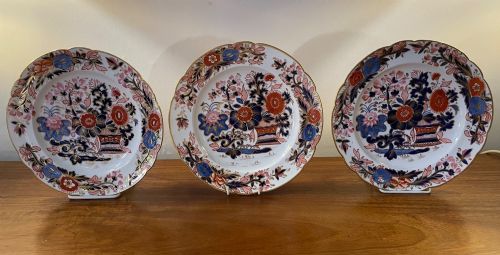
The selection on this page ranges from English bone china and French porcelain to Japanese Imari wares, Delft chargers, and Chinese export ceramics. Pieces span diverse periods including the Georgian, Victorian, and Edwardian eras, reflecting shifting tastes towards botanical studies, birds, and Orientalist motifs.
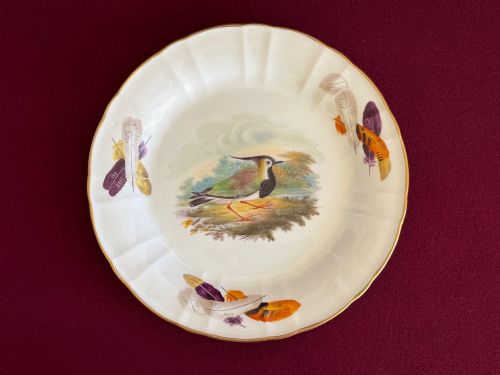
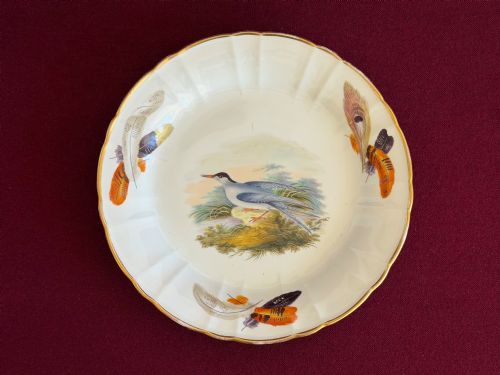
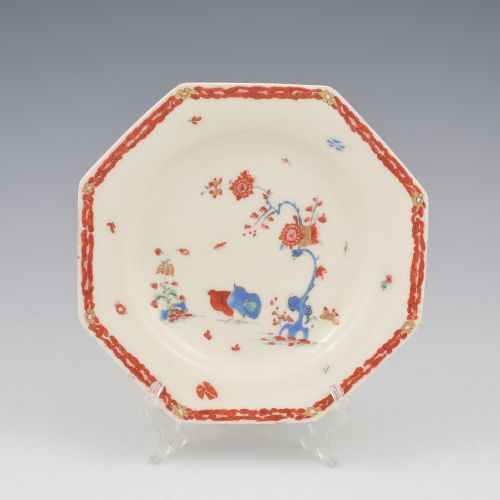
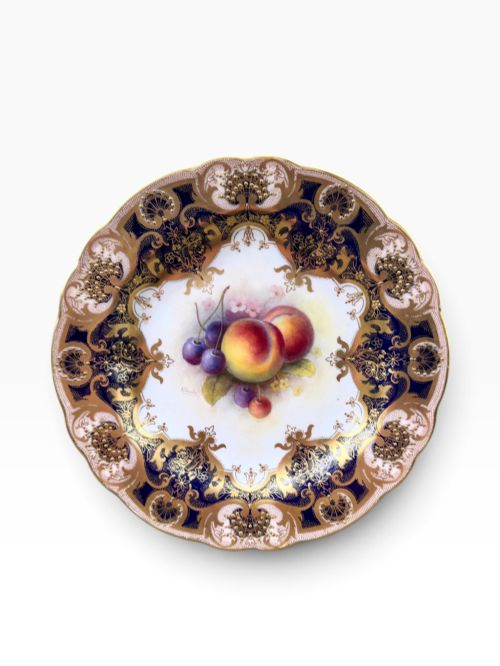
Buyers will encounter heavily painted cabinet plates from makers like Royal Worcester alongside earlier Delft dishes and Imari chargers. These forms vary from round chargers to octagonal dessert plates, united by their decorative intent and ceramic composition.
How they were made
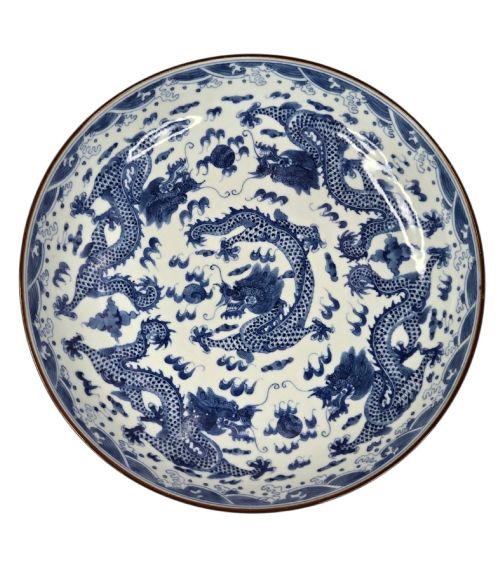
Makers utilised fine porcelain, bone china, and stone china bodies, shaping them into plates and chargers before applying underglaze cobalt or handpainted enamel pigments. Many examples incorporate raised gilding, gold leaf, and intricate enamel work fired at high temperatures to secure the colours.
Decoration relied heavily on skilled handpainting, from botanical bird studies to detailed Japanese Imari palettes and Chinoiserie scenes. Potters frequently integrated pierced borders or moulded rims, combining structural moulding with meticulous brushwork.
Antique Porcelain Display Plate Retail Price Guide 2026
Typical asking prices for porcelain display plate among the pieces listed under this phrase on Sellingantiques today, from the lower quarter to the upper quarter. They describe what is for sale here now, not the wider market.
Listings feature porcelain forms spanning the 18th century, the Victorian era, and the 1930s, utilising glaze, gold leaf, and enamel.
What varies in quality
Quality rests primarily in the precision and ambition of the handpainting, distinguishing factory-standard transfer prints from bespoke artist-signed cabinet pieces. Works featuring detailed ornithological studies or named botanical subjects by recognised painters command greater attention.
The crispness of the porcelain body, the depth of the glaze, and the richness of the applied gilding also separate standard wares from exceptional examples. Furthermore, the complexity of the form - such as pierced borders or octagonal moulding - elevates the standing of a dish.
Royal Crown Derby·Royal Worcester·Edmé Samson & Cie·H & R Daniel
The Antique Porcelain Display Plate Glossary
- Cabinet plate
- A decorative ceramic plate intended for display in a cabinet or on a wall rather than for practical table use. These pieces often feature elaborate painted scenes and gilding.
- Charger
- A large ornamental plate or dish, traditionally used as a base setting or hung for display. They provide a broad canvas for complex painted patterns.
- Imari
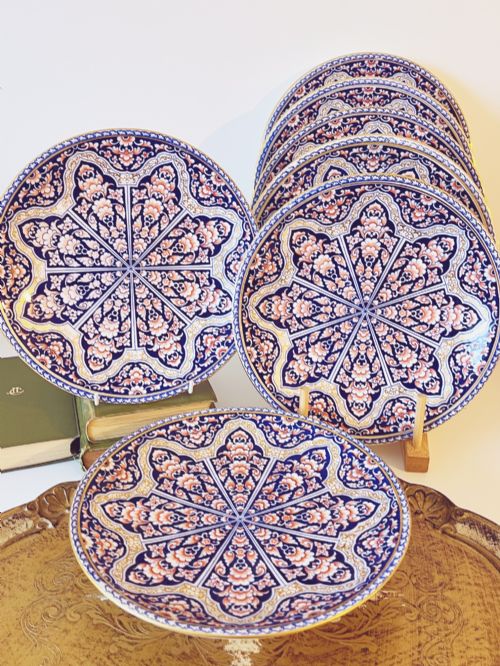
- A style of Japanese porcelain exported to Europe, characterised by a palette of cobalt blue, iron red, and gilt. British factories frequently imitated these distinctive patterns.
- Bone china
- A type of soft-paste porcelain containing bone ash, developed in England to create a durable, translucent body. It forms the basis of many nineteenth-century display plates.
- Underglaze
- A method of decorating pottery in which pigments are applied to the ceramic body before the glaze is fired. This technique protects the painted design beneath a glassy coating.
Antique Porcelain Display Plate: Frequently Asked Questions
How were display plates used?
These pieces served primarily as decorative objects for formal interiors, often shown in glass-fronted cabinets or mounted on walls. Wealthy households utilised them to demonstrate taste and sophistication.
Unlike everyday dinner services, they were spared regular use, preserving their delicate painted surfaces and gilded details for later generations.
How do I hang a display plate safely?
Hanging antique plates requires properly fitted spring-loaded brass hangers that distribute pressure evenly across the rim. Ensure the wall fixing is secure before mounting any heavy charger.
Avoid wire clips that lack protective rubber tips, as bare metal can scratch the glaze or chip the porcelain body over time.
How do I distinguish eighteenth-century pieces?
Eighteenth-century examples often exhibit heavier potting, characteristic foot rims, and softer porcelain bodies compared to later Victorian output. Handpainted motifs from this era frequently reflect early trade patterns and Chinese export styles.
Examining the base and the glaze pooling under magnification helps reveal the earlier firing techniques characteristic of the period.
What is the difference between Imari and Chinoiserie?
Imari describes a specific Japanese aesthetic featuring a strict palette of cobalt blue, iron red, and gold, which European factories widely copied. Chinoiserie encompasses European interpretations of general Chinese artistic motifs and landscapes.
While both draw from Asian design traditions, Imari relies on distinct geometric and floral panel layouts rather than narrative Chinese scenes.