



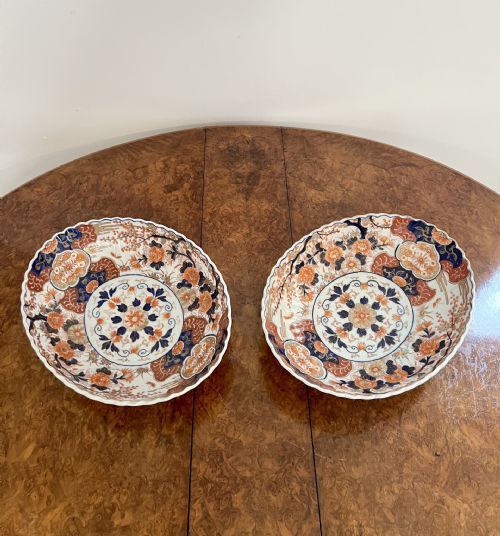


Scalloped Edge Porcelain Bowl
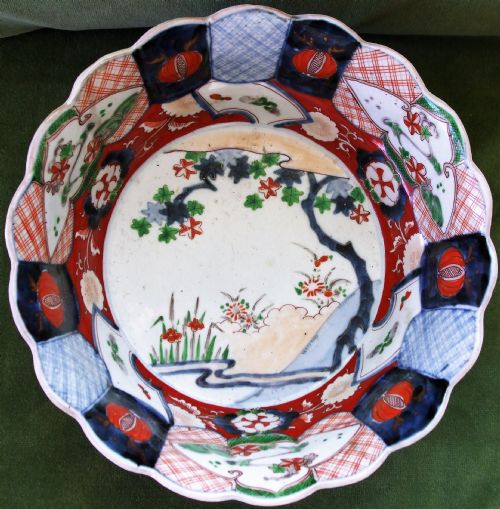
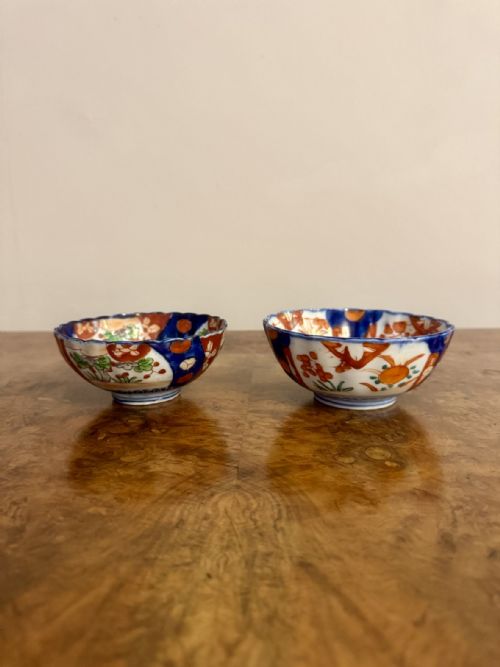
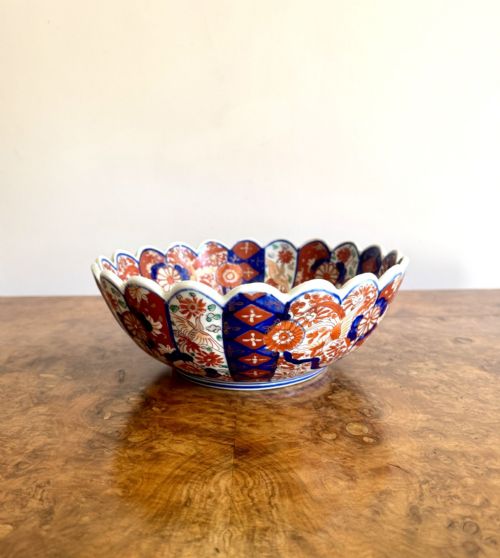
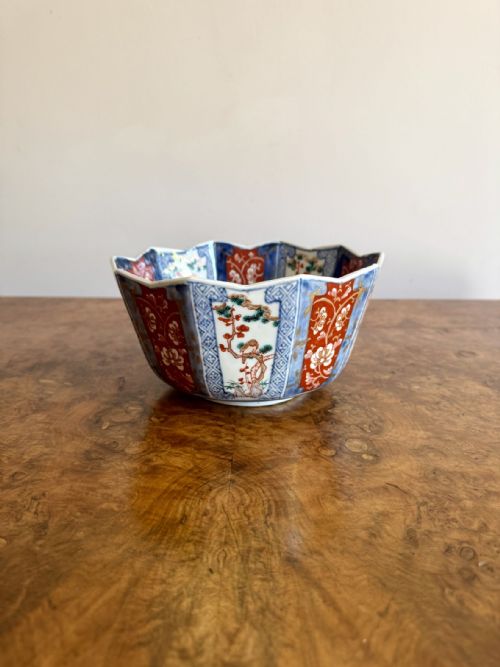
These scalloped edge porcelain bowl examples bring traditional form and painted palette straight to the table.
Scalloped Edge Porcelain Bowl
A scalloped edge porcelain bowl is a decorative vessel defined by its undulating rim and ceramic body. When you search for this phrase, you find pieces designed for display, including decorative bowls, decorative plates, and cabinet plates.
The versions you are most likely to meet on this page hail predominantly from the nineteenth century and the year nineteen hundred. Japanese Imari works strongly dominate the selection, alongside traditional English pieces and Qing Dynasty examples.
How they were made
Makers shaped porcelain and ceramic bodies into lobbed and scalloped profiles before applying detailed enamel decoration. Firing set the mineral colours beneath or above the glaze.
Many items incorporate gold leaf and gilding to highlight the rim and surface patterns. Artisans used these metallic accents to add depth to the traditional palette.
Listings feature porcelain and ceramic vessels spanning the nineteenth century, eighteen eighty, nineteen hundred, and nineteen sixty.
What varies in quality
The crispness of the scalloped shaping and the precision of the hand-painted enamel distinguish superior vessels from simpler production. Better pieces display controlled brushwork and balanced compositions across the curved surface.
The application of gilding and gold leaf also marks the range, with finer bowls showing richer metallic retention and cleaner lines. Material weight and the translucency of the porcelain further separate standard examples from exceptional ones.
Royal Worcester
The Scalloped Edge Porcelain Bowl Glossary
- Imari
- A style of Japanese porcelain featuring a distinct palette of underglaze blue, iron red, and gold. This aesthetic heavily influences nineteenth-century decorative bowls.
- Meiji Period
- The era in Japanese history spanning from eighteen sixty-eight to nineteen twelve. Pieces from this time often exhibit intricate enamel work.
- Qing Dynasty
- The final imperial dynasty of China, lasting from sixteen forty-four to nineteen twelve. Objects from this period include lobbed rectangular bowls.
- Gilding
- The application of gold leaf or gilt powder to a ceramic surface. This technique adds reflective highlights to the rim.
- Cabinet Plate
- A decorative plate intended for display in a cabinet rather than for dining use. These items often feature fine painting.
Scalloped Edge Porcelain Bowl: Frequently Asked Questions
What is a scalloped edge porcelain bowl?
A scalloped edge porcelain bowl is a ceramic vessel featuring an indented or lobbed rim shape. These items serve primarily as decorative bowls and cabinet plates.
Most examples found here date from the nineteenth century or around nineteen hundred. They frequently showcase traditional Japanese Imari patterns and enamel painting.
How were these bowls used?
These pieces function chiefly as decorative display items rather than utilitarian tableware. Their shaped rims and painted surfaces suit placement on cabinets or tables.
Plates and bowls of this type often form part of matched pairs or larger decorative displays. Collectors value them for their visual impact in domestic settings.
How do I care for antique porcelain?
Dust these porcelain vessels gently with a soft, dry cloth to protect the enamel and gilding. Avoid using abrasive cleaning agents or immersing gilded items in water.
Display the bowls away from direct sunlight and areas prone to sudden temperature changes. Stable environmental conditions help preserve the ceramic body and surface decoration.
How do I distinguish periods?
Differentiating periods relies on examining the painting style, palette, and overall form of the ceramic. Japanese Meiji period and Imari pieces display specific characteristic enamel tones.
Later twentieth-century English pieces, such as those from Royal Worcester, exhibit different marks and stylistic conventions. Comparing the potting technique and glaze helps clarify the age.