



Victorian Wedgwood Jasperware
Victorian Wedgwood jasperware pieces are fine ceramic vessels and decorative objects prized for their contrasting classical reliefs.
Victorian Wedgwood Jasperware
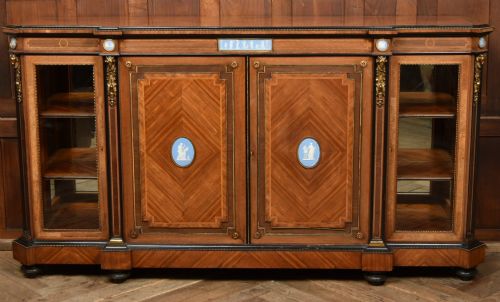
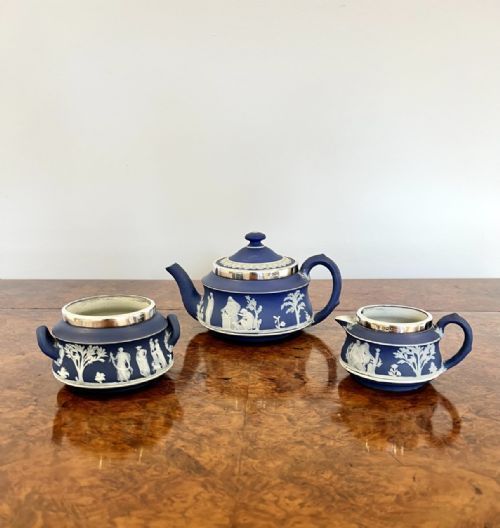
Victorian Wedgwood jasperware pieces represent a distinctive intersection of nineteenth-century ceramic production and classical revival taste. Buyers seeking this phrase encounter items ranging from utilitarian tea sets and biscuit barrels to small trinket boxes and brooches. The selection draws heavily upon items produced across the Victorian period, frequently showing specific dates in the eighteen-eighties.
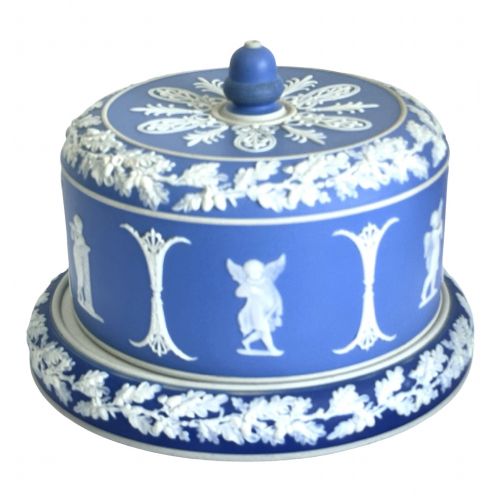
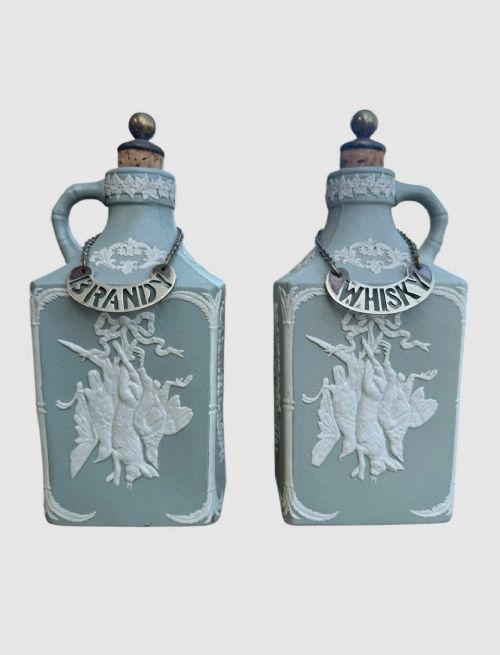
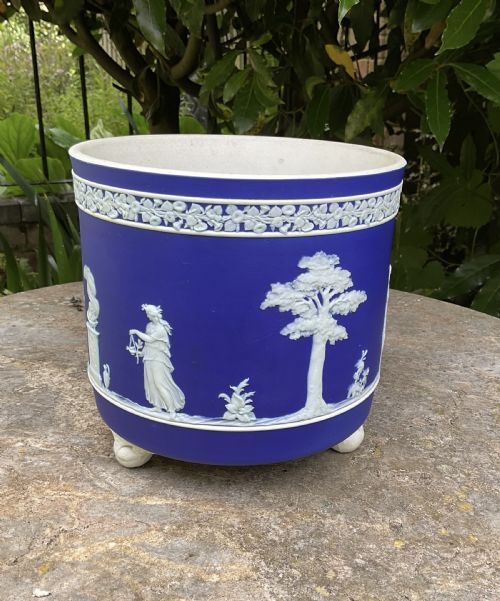
The forms span domestic serveware and ornamental objects, with cheese domes, spirit flagons, campana urns, and jardinières appearing alongside miniature teapots and patch boxes. Many pieces incorporate functional mounts of silver plate or brass, integrating ceramic bodies with metalwork. These objects illustrate the broad domestic utility and decorative appeal of jasperware during the nineteenth century.
How they were made
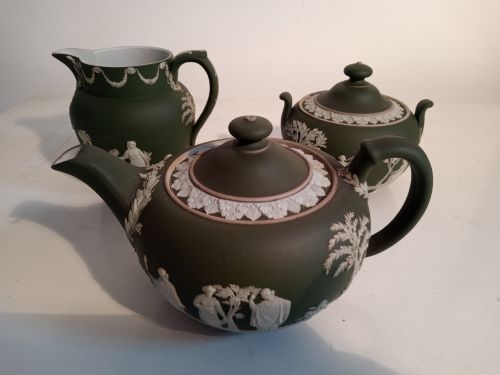
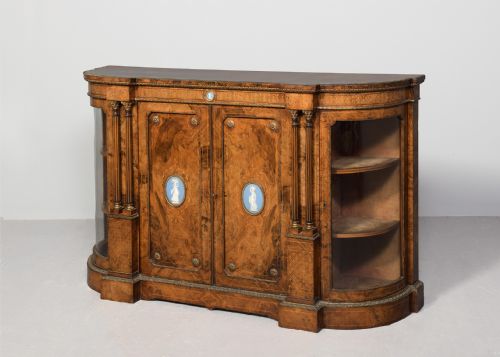
These pieces utilise fine stoneware and ceramic bodies, most notably the characteristic unglazed fine-grained jasperware developed by Wedgwood. The distinctive colour palette relies on distinct body colours, including blue, dark blue, and olive green, paired with contrasting white applied reliefs. This technique involves shaping the main vessel before carefully applying moulded white clay figures, plant motifs, and classical scenes to the surface.
Many items incorporate secondary materials to complete their form, utilising silver plate, brass, or ormolu for mounts, rims, and hinged lids. These metal additions require precise engineering to fit the fired ceramic components securely. The combination of coloured stoneware and applied white bas-reliefs defines the primary manufacturing technique of the period.
Victorian Wedgwood Jasperware Retail Price Guide 2026
Typical asking prices for victorian wedgwood jasperware among the pieces listed under this phrase on Sellingantiques today, from the lower quarter to the upper quarter. They describe what is for sale here now, not the wider market.
What varies in quality
The sophistication of the applied bas-reliefs separates standard items from the finest examples. Crispness in the modelling of classical figures and botanical details indicates superior craftsmanship during the moulding and application process. Additionally, the subtlety of the colour saturation in the jasper body influences the overall visual balance of the piece.
The integration of metal mounts also defines gradation within the medium. Superior items feature substantial silver plate or brass mounts that complement the ceramic body without overwhelming the delicate surface decoration. The harmony between the stoneware vessel and its functional hardware marks the distinction at the upper end of production.
Wedgwood
The Victorian Wedgwood Jasperware Glossary
- Jasperware
- A fine-grained, unglazed stoneware developed by Josiah Wedgwood. It is characterised by its matte finish and suitability for coloured staining.
- Bas-relief
- Low-relief sculptural decoration where figures project slightly from a flat background. In these pieces, white ceramic motifs stand out against a coloured stoneware ground.
- Campana urn
- A bell-shaped vessel with a footed base and flared rim, often produced in pairs for decorative display. These forms reflect the neoclassical taste of the nineteenth century.
- Biscuit barrel
- A covered container designed for storing dry biscuits or crackers at the dining table. Victorian examples frequently feature ceramic bodies with silver-plated mounts and swing handles.
Victorian Wedgwood Jasperware: Frequently Asked Questions
What is Victorian jasperware?
Victorian jasperware is a type of fine stoneware ceramic produced during the nineteenth century, known for its unglazed matte surface and contrasting coloured bodies. These pieces typically display white classical relief ornamentation applied to blue, dark blue, or olive green grounds.
The tradition stems from earlier eighteenth-century developments but took on specific nineteenth-century forms ranging from tea sets and biscuit barrels to small decorative boxes and brooches. The material combines durability with intricate sculptural detail.
How were biscuit barrels used?
Biscuit barrels served as practical dining table containers for holding dry sweet or savoury biscuits during the Victorian period. They usually included a fitted lid and a metal swing handle for ease of passing.
Many examples combined ceramic bodies with silver-plated or brass mounts to protect the edges and add a decorative gleam. They formed part of the elaborate tableware arrangements characteristic of nineteenth-century entertaining.
How do I identify a cheese dome?
A cheese dome consists of a large, domed cover designed to fit over a matching base or stand, keeping cheese fresh on the dining table. These pieces often feature substantial proportions and significant weight.
The domed cover typically incorporates a handle or finial at the top for lifting, while the ceramic body displays characteristic classical reliefs or plain jasper surfaces suited to nineteenth-century dining rooms.
Can I use these teasets today?
While these antique teasets and serveware items remain structurally sound, many collectors prefer to display them rather than use them for daily dining. The delicate nature of nineteenth-century ceramics and silver-plated mounts requires careful handling and gentle cleaning.
Using them occasionally for display or formal tea service is possible, provided they are washed by hand without harsh detergents. Proper care ensures the preservation of the delicate applied reliefs and metal components.