


Antique Blue Ceramics
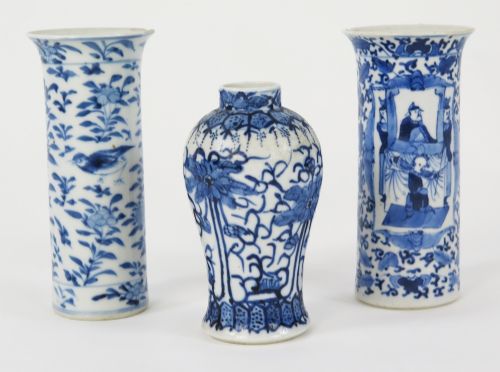
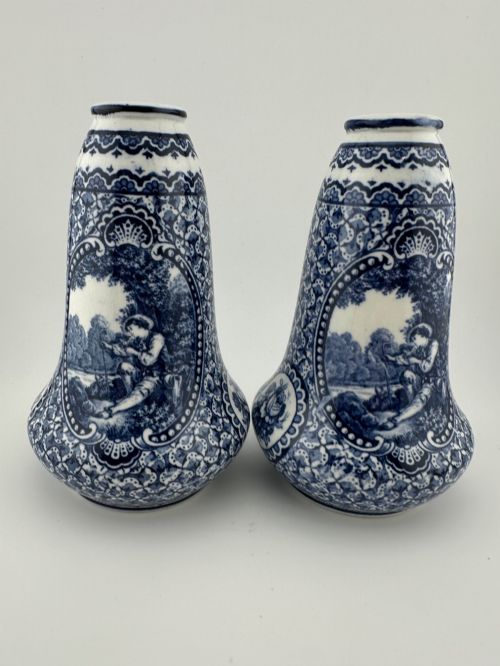
These antique blue ceramics bring together centuries of global kiln traditions, offering collectors painted porcelain, delftware, and earthenware vessels with rich cobalt pigment.
Antique Blue Ceramics
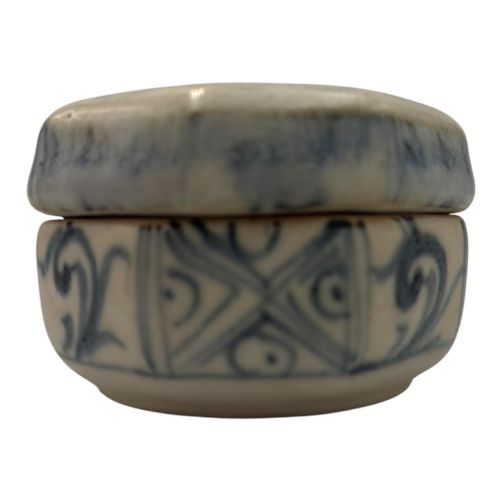
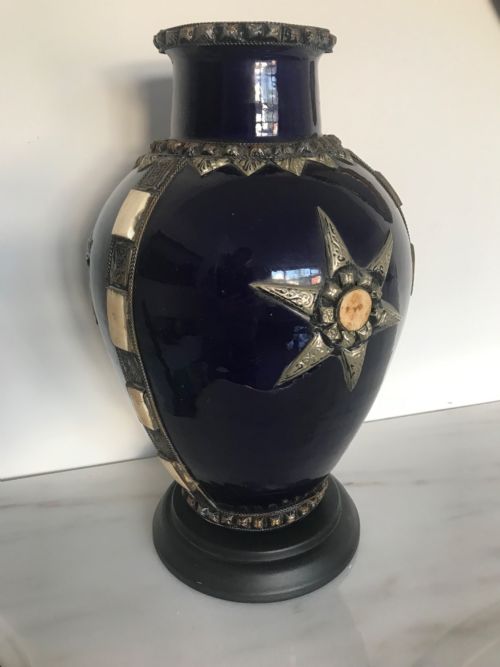
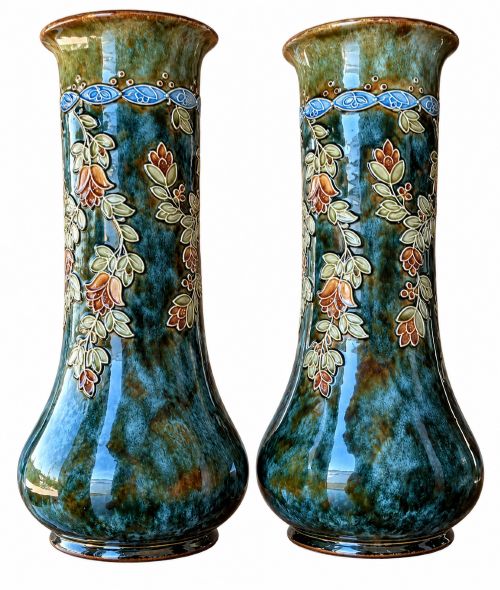
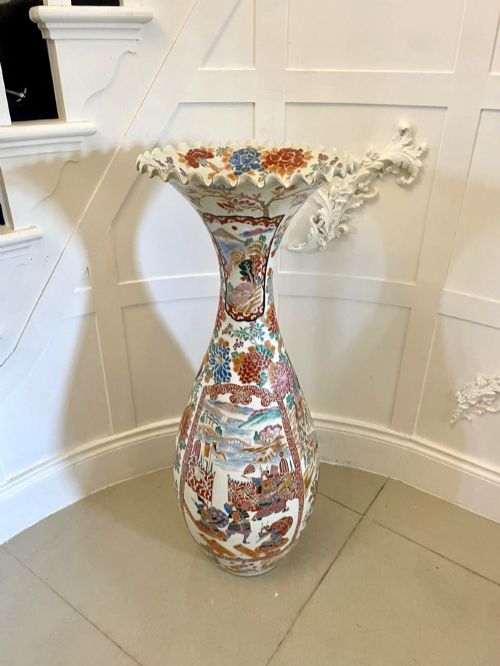
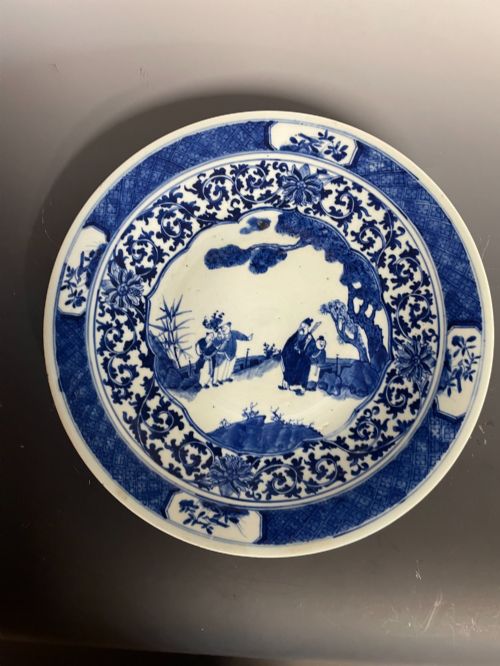
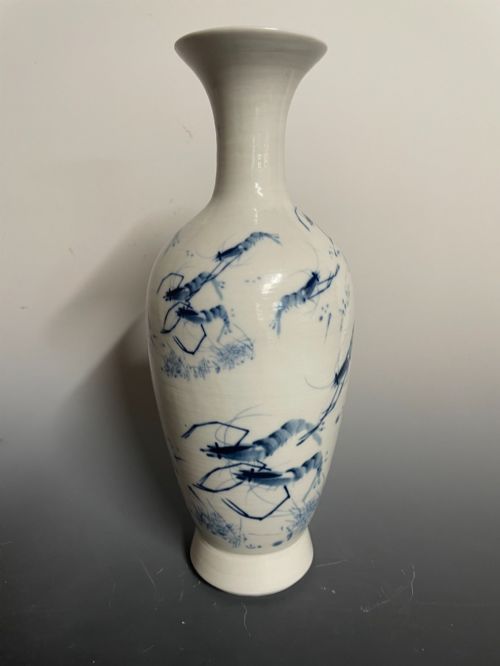
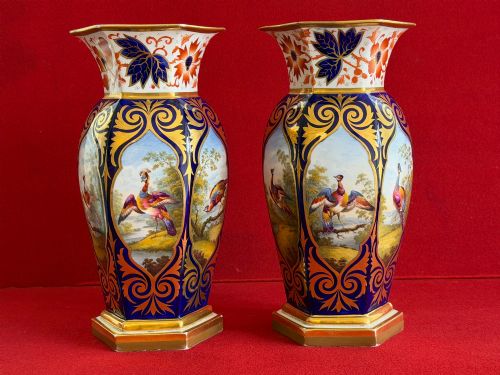
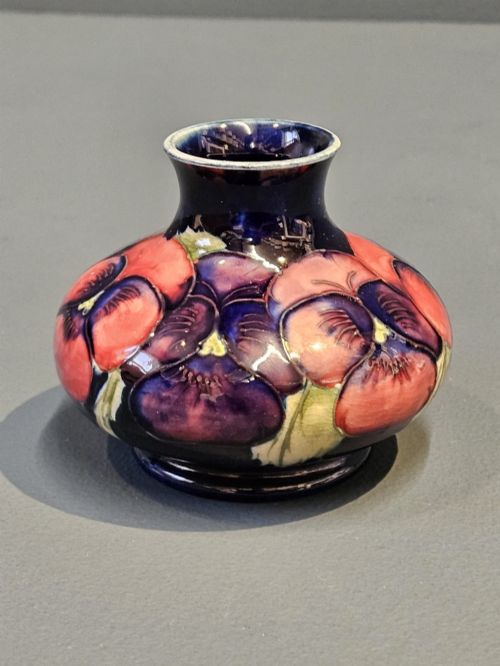
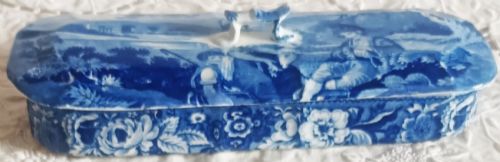
Forms vary from utilitarian items like apothecary jars and toothbrush boxes to large floor-standing vases and decorative plates. European factories such as Worcester, Spode, and Royal Doulton sit alongside Asian porcelain traditions and earthenware from Dutch and Moroccan kilns. Pieces range in date from the early eighteenth century through the art nouveau and arts and crafts periods of the twentieth century.
How they were made
Makers utilised porcelain, earthenware, stoneware, and terracotta bodies, shaping them on the wheel or pressing them into moulds. Cobalt oxide served as the primary pigment for the characteristic blue decoration, applied by hand under or over the glaze before firing.
Glazes included tin enamel, clear porcelain glaze, and specialised salt or cobalt washes. Additional decorative elements on select items incorporate gold leaf, gilding, or silver mounts and cabochons.
What varies in quality
The precision and fluidity of the hand-painted cobalt decoration separate standard utility wares from exceptional artistic output. Crispness in moulded details, the depth and consistency of the blue glaze, and the refinement of the ceramic body dictate the grade of each piece.
Provenance and factory reputation further elevate certain examples, particularly where named makers or specific period marks are present. The integration of metal mounts, such as ormolu or silver, adds another layer of craftsmanship that influences the overall standing of an object.
Royal Bonn Franz Anton Mehlem·Royal Crown Derby·Royal Doulton Lambeth·Flight Barr And Barr Worcester·Moorcroft·Cantagalli
The Antique Blue Ceramics Glossary
- Charger
- A large decorative plate intended for display rather than dining. These pieces often feature intricate cobalt painting across a wide surface.
- Delftware
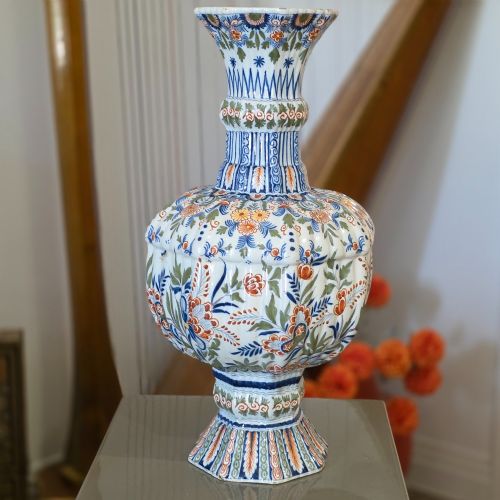
- Tin-glazed earthenware produced in the Netherlands and England, known for its opaque white background and blue painted designs. It mimics the aesthetic of imported Chinese porcelain.
- Imari
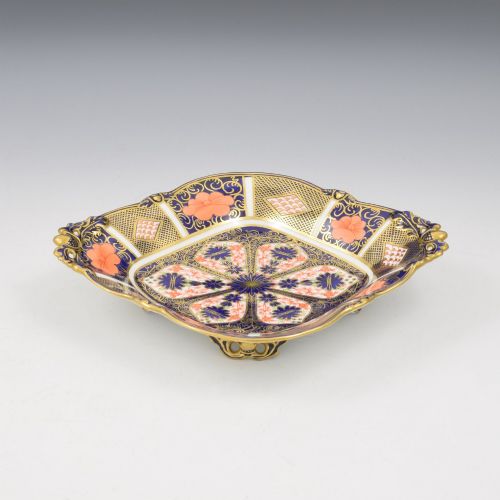
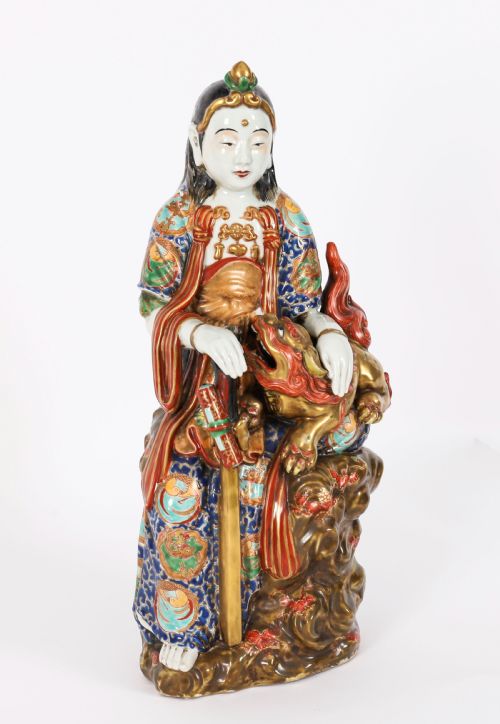
- Japanese export porcelain decorated in underglaze blue, iron red, and gilt. The style originated in the Edo period and heavily influenced European potteries.
- Underglaze
- A decorating technique where pigments are applied directly to the unfired or biscuit ceramic body before the glaze is applied and fired. This protects the painted design beneath a glossy vitreous layer.
- Polychrome
- Decoration utilising multiple colours alongside the dominant blue pigment. It appears frequently on eighteenth-century serving dishes and export porcelain.
Antique Blue Ceramics: Frequently Asked Questions
How do I identify Delftware?
Delftware typically presents a tin-glazed earthenware body with a slightly porous texture visible on unglazed rims or bases. The blue pigment often sits softly within the opaque white glaze.
Evolving from Dutch and English kilns during the seventeenth and eighteenth centuries, these pieces display characteristic European interpretations of Asian motifs alongside local domestic scenes.
What is Japanese Imari porcelain?
Japanese Imari porcelain is recognised by its dense decoration combining underglaze blue with iron red and gilt accents. These wares were heavily exported to Europe during the Edo period.
The palette remains vibrant, often featuring floral and panel designs spread across chargers, bowls, and large vases.
How should I display heavy chargers?
Large chargers require secure wall mounting brackets designed specifically for heavy earthenware or porcelain edges. Alternatively, sturdy plate stands with adequate depth support the weight safely on flat surfaces.
Placing them away from direct foot traffic and vibrations ensures the security of these wide, fragile pieces.
Are all blue ceramics porcelain?
Ceramics in this group encompass porcelain, earthenware, stoneware, and terracotta. Porcelain offers a vitrified, translucent body, while earthenware and terracotta remain opaque and softer in composition.
Each material responds differently to glaze absorption and cobalt painting, creating distinct visual weights across periods and regions.