
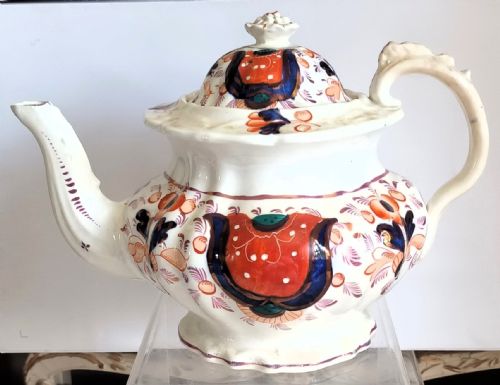
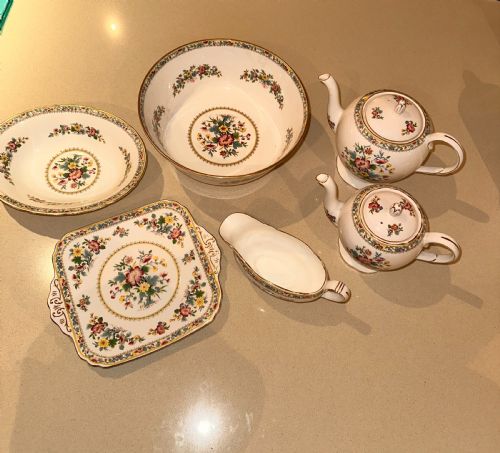
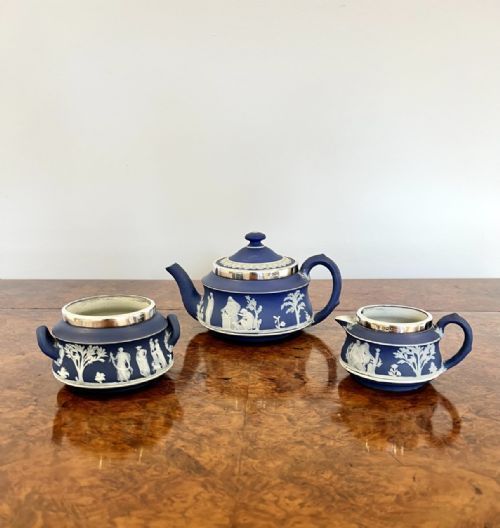

Antique English Tea Set
When you search for an antique english tea set, you encounter porcelain, bone china and silver services shaped by centuries of domestic tradition.
Antique English Tea Set
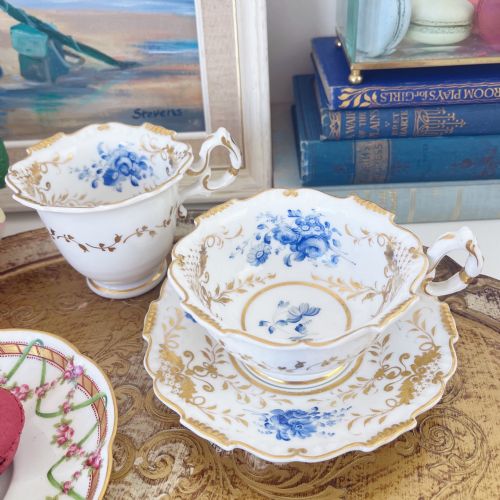
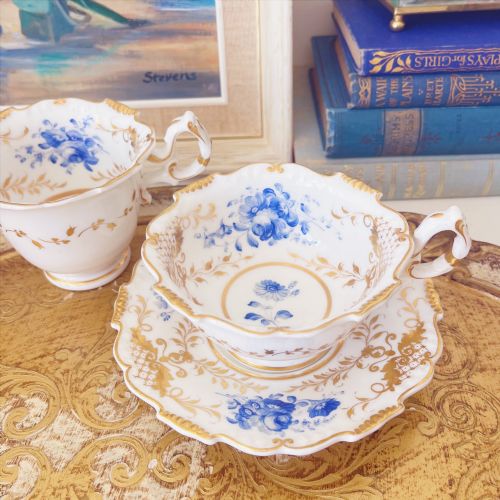
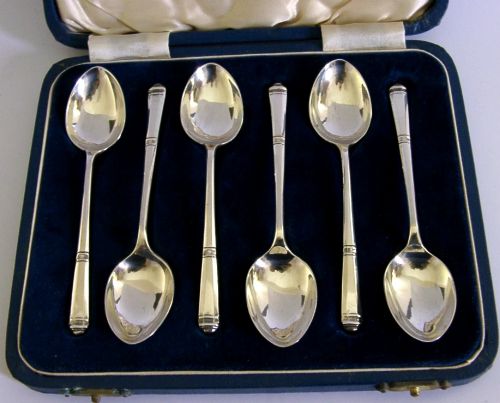
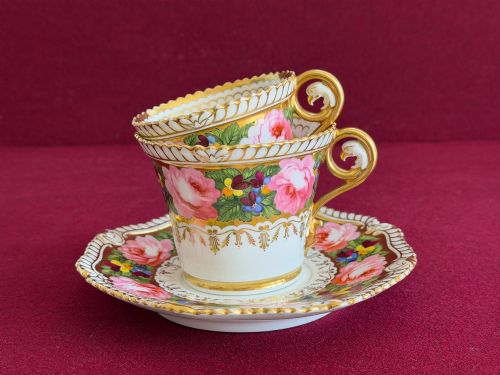
An antique english tea set encompasses diverse forms ranging from complete multi-piece porcelain services to silver pots, trios and individual cased sets. The examples found here span the Georgian, Regency, Victorian and later eras, reflecting changing social habits around the table.
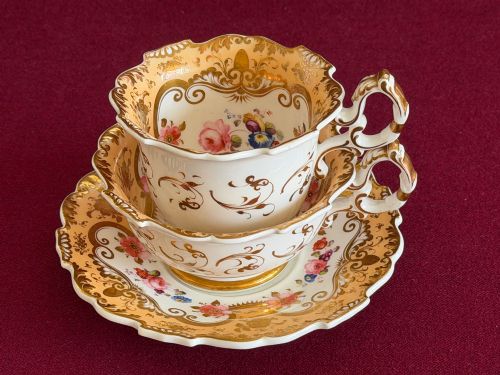
Ceramic services often appear as tea sets, coffee sets or individual trios comprising a teacup, coffee cup and saucer. Alongside ceramics, silver plate and sterling silver services provide the metallic counterpart for formal hospitality.
How they were made
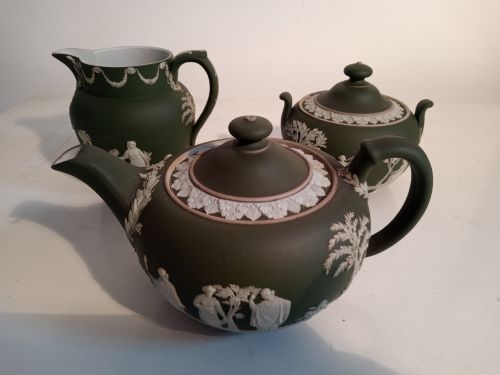
Makers utilised porcelain, bone china, creamware and earthenware, shaping bodies through casting and throwing before applying hand-painted designs or transfer printing. Gilding, gold leaf and enamel enrich many surfaces, particularly on early porcelain pieces from renowned potteries.
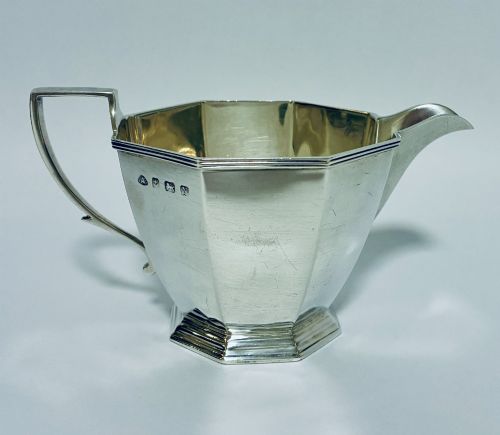
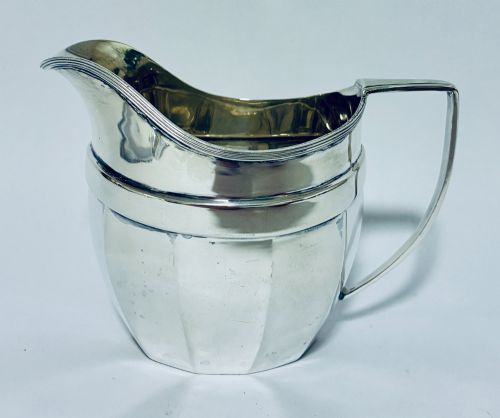
Silversmiths employed sterling silver and silver plate, frequently using techniques such as hand-engraving and mounting to ornament teapots, milk jugs and sugar bowls. Toleware items rely on painted sheet metal treated with specialised lacquers.
Some miniature tea sets were made small enough to serve dolls or fit inside novelty cruet frames for astonishing parlour displays.
What varies in quality
Quality rests upon the crispness of the porcelain paste, the precision of hand-painted motifs and the intactness of any applied gilding or enamel work. Finer ceramics display delicate translucency and careful brushwork by skilled hands rather than mechanical uniformity.
In silver and silver-plated examples, the depth of engraving, the weight of the metal and the integrity of the maker's marks distinguish finer items. Completeness within matched services and preserved original boxes also elevate the standing of a set.
H & R Daniel·Chamberlain Worcester·Newhall·Coalport·Wedgwood·Derby·Flight Barr & Barr·Royal Worcester·Clarice Cliff·Shelley·Minton·Lee & Wigfull·James Dixon·Martin Hall·Atkin Brothers
The Antique English Tea Set Glossary
- Trio
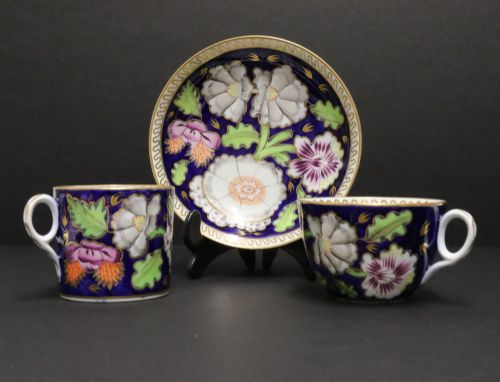
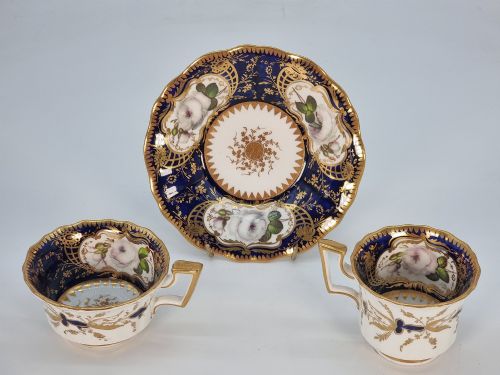
- A matched set consisting of a teacup, a coffee cup and a saucer. These composite groupings became popular in the early nineteenth century.
- Bone china
- A type of soft-paste porcelain containing bone ash, which yields a durable and translucent body. It forms the basis of many traditional English tablewares.
- Creamware
- A refined earthenware developed in the eighteenth century, characterised by its warm cream-coloured glaze. It offered an affordable alternative to porcelain.
- Toleware
- Painted or lacquered sheet metal items, often taking the form of storage canisters or tea caddies. They display decorative finishes developed in the Georgian era.
- Gilding
- The application of gold leaf or powdered gold to ceramic or metallic surfaces. It highlights rims, handles and painted motifs on finer services.
Antique English Tea Set: Frequently Asked Questions
What is a bachelor tea set?
A bachelor tea set is a smaller scale service designed for one or two people rather than a large gathering. These compact arrangements typically include a miniature teapot, creamer, sugar bowl and one or two cups.
Such sets were popular for private use in bedrooms or studies during the Victorian and Edwardian periods.
How do I identify a porcelain trio?
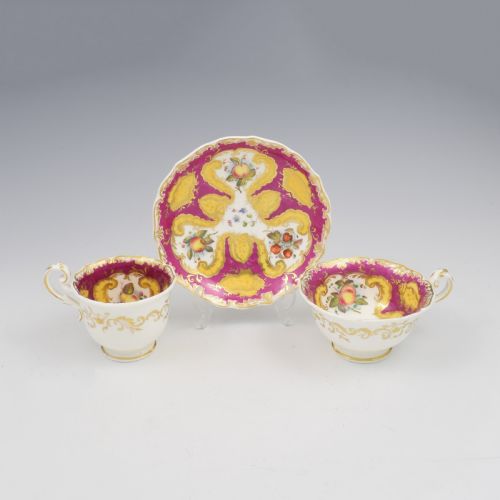
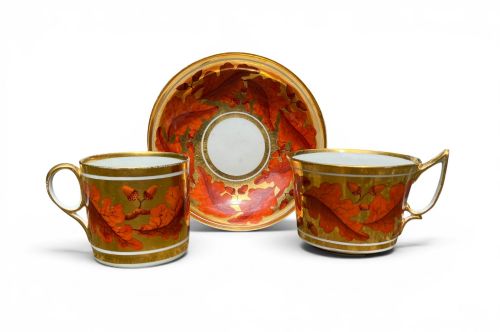
A porcelain trio comprises three matching ceramic items intended for hot drinks: a tea cup, a coffee cup and a saucer. The inclusion of two distinct cup shapes alongside a shared saucer distinguishes a trio from a standard cup and saucer pair.
These groupings are frequently encountered among early nineteenth-century English manufacturers.
Were silver tea sets used daily?
Silver and silver-plated tea sets served as centrepieces for formal hospitality in wealthy households. While silver resisted daily wear better than fragile porcelain, many complete sets remained preserved for special occasions.
Over time, handling and polishing created subtle softening of engraved details on older silver pieces.