


Cobalt Blue Porcelain Service
A cobalt blue porcelain service brings rich, deep mineral tones and hand-painted artistry to the table, offering a striking centrepiece for display or dining.
Cobalt Blue Porcelain Service
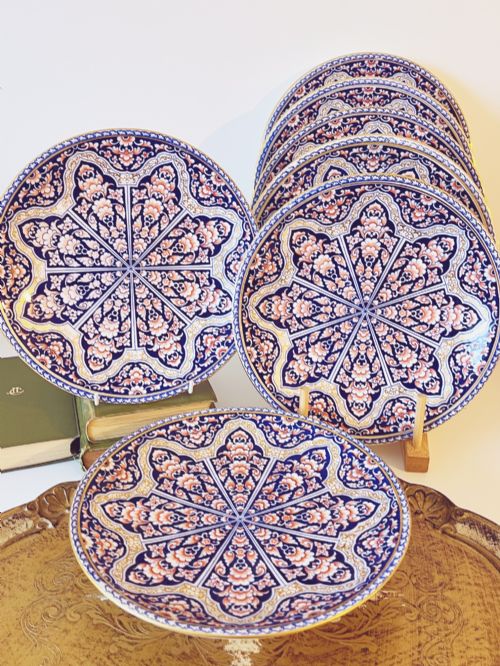
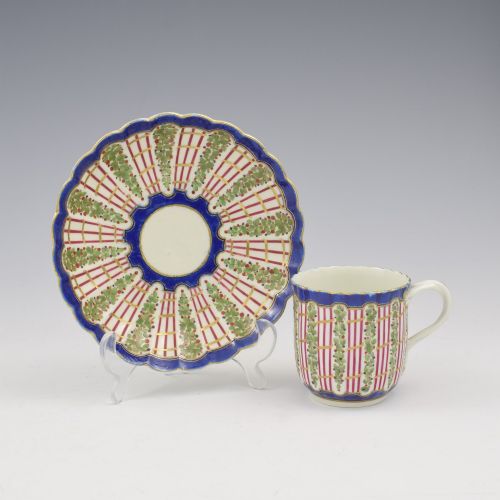
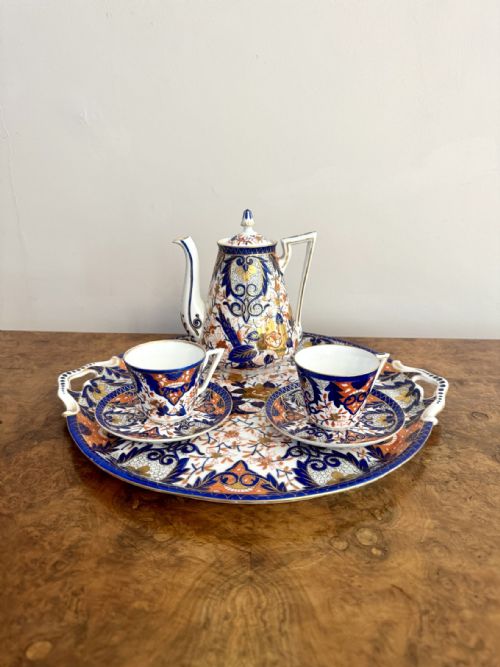
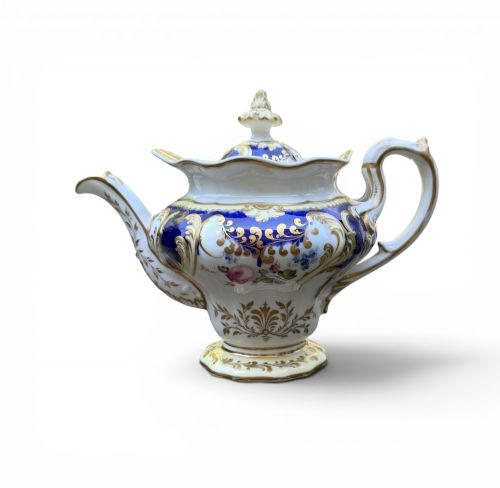
A cobalt blue porcelain service comprises coordinated sets for tea, coffee, dessert, or dining, produced across the eighteenth and nineteenth centuries. These groupings include teacups and saucers, teapots, sugar bowls, dessert plates, and comports designed for formal entertaining.
The selections available here range from eighteenth-century soft-paste pieces by Worcester to nineteenth-century bone china and ironstone productions by factories such as Coalport, Royal Crown Derby, and Masons. Buyers will frequently encounter Victorian tea sets, Regency sugar boxes, and cabinet plates featuring deep blue grounds.
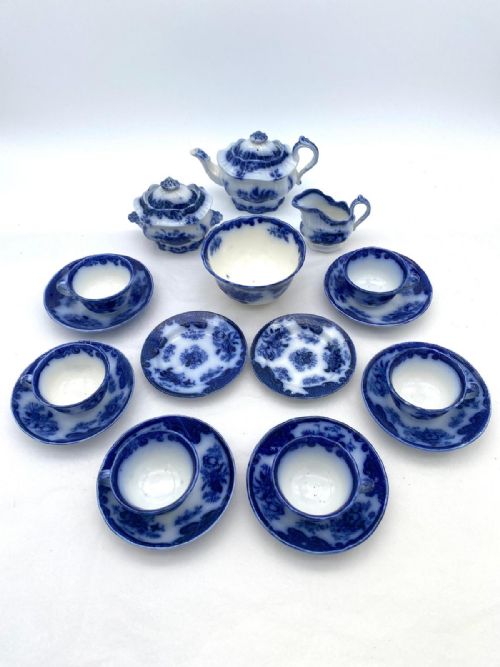
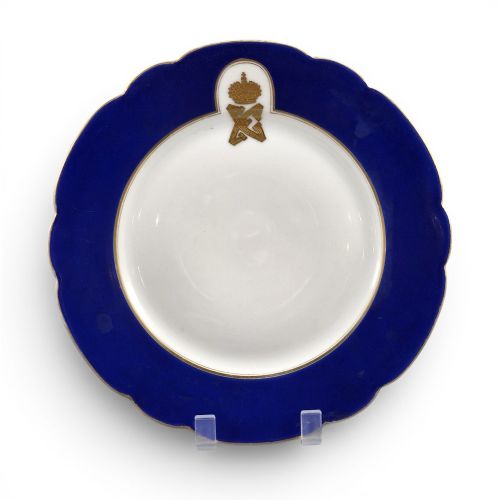
Forms vary from domestic child's tea services and miniature solitaire sets to grand imperial dinner plates and dessert services. Each item demonstrates the utilitarian and decorative purpose characteristic of high-status ceramic production in Britain and Europe.
How they were made
Potters shaped these services using porcelain, bone china, soft-paste porcelain, or ironstone, applying cobalt glaze directly to the body or under the final glaze layer. This mineral oxide withstood high kiln temperatures, producing an indelible, rich blue colour.
Many items incorporate enamel painting, gilding, and gold leaf applied over or under the glaze to accentuate the blue grounds and painted motifs. Skilled artisans hand-painted botanical patterns, hop trellises, and intricate borders before secondary firing.
Object forms range from complete tea sets and dessert services down to individual cabinet plates, comports, and miniature solitaire sets.
What varies in quality
The refinement of the ceramic body and the purity of the cobalt glaze distinguish standard domestic wares from exceptional factory commissions. Early soft-paste pieces and marked factory productions display superior translucency and potting skill.
The precision of the hand-painted decoration, the complexity of the gilding, and the intact survival of matched service components dictate the standing of an item. Services associated with specific historical commissions or notable makers command greater attention from collectors.
Royal Crown Derby·Dr Wall·Copeland·Coalport·Royal Davenport·Flight Barr And Barr·Ridgway·Masons Patent Ironstone China
The Cobalt Blue Porcelain Service Glossary
- Cobalt Glaze
- A deep blue ceramic colourant made from cobalt oxide that remains stable at high kiln temperatures. It forms the rich foundation characteristic of these decorated wares.
- Soft-Paste Porcelain
- An artificial porcelain mixture fired at lower temperatures than hard paste, widely used by eighteenth-century English factories. It yields a warm, slightly creamy body with high translucency.
- Sucrier
- A covered sugar bowl or sugar box designed as part of a tea or coffee service. These often feature matching stands or covers.
- Comport
- A decorative raised dish or pedestal bowl used in dessert services to serve fruit or sweetmeats. It forms the centrepiece of matching plate sets.
- Ironstone
- A heavy, durable type of earthenware patented in the nineteenth century to imitate true porcelain. It offered robust utility for domestic dinner and dessert services.
Cobalt Blue Porcelain Service: Frequently Asked Questions
How do I date an antique cobalt service?
Dating relies on factory mark styles, paste composition, and stylistic evidence such as Regency or Rococo Revival shaping. Hand-painted patterns and glaze characteristics also help narrow the period of manufacture.
Reference marks stamped or painted on the base often link pieces to specific decades, such as the late eighteenth century or the Victorian era.
Are these services safe for daily use?
While historic porcelain and ironstone remain structurally sound, centuries of wear and delicate gilding make gentle handling advisable. Most collectors prefer to use them sparingly or display them as cabinet pieces.
Hand washing in lukewarm water with mild soap preserves the delicate enamel details and gold leaf.
What is the difference between a tea and dessert service?
A tea service typically contains teapots, cups, saucers, and sugar bowls intended for beverage service. A dessert service consists of plates and comports designed for serving fruit or sweets after a meal.
Dessert services often feature larger, highly decorative plates intended to showcase elaborate cobalt and gilt painting.