


Vintage China Tea Service
A vintage china tea service brings the tactile grace of a bygone parlour straight to the modern table.
Vintage China Tea Service
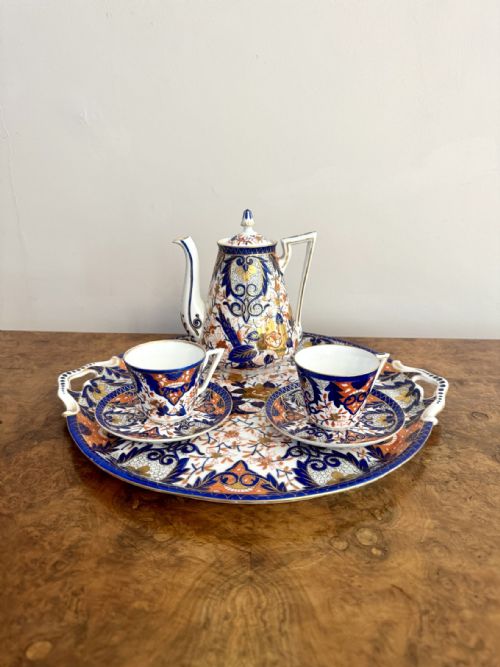
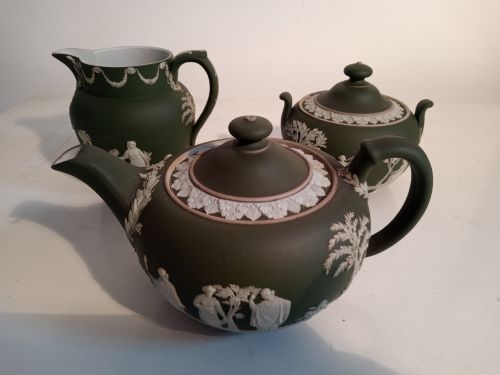
A vintage china tea service gathers cups, saucers, teapots, and jugs into a coordinated setting designed for hospitality. When exploring a vintage china tea service, expect to encounter forms spanning from Victorian gatherings to Art Deco designs.
The pieces on offer draw from nineteenth-century origins through to the mid-twentieth century, capturing shifts in British taste. Traditional English patterns and Victorian Imari styles sit alongside Edwardian and early twentieth-century creations.
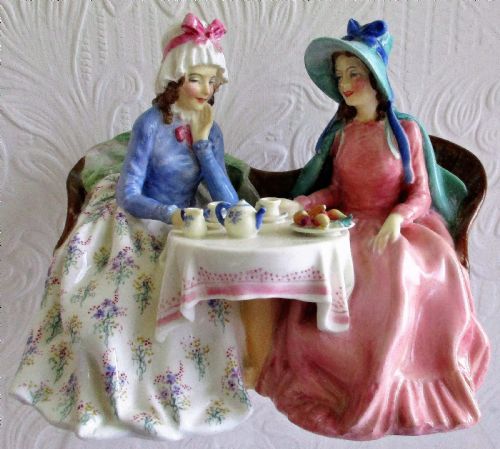
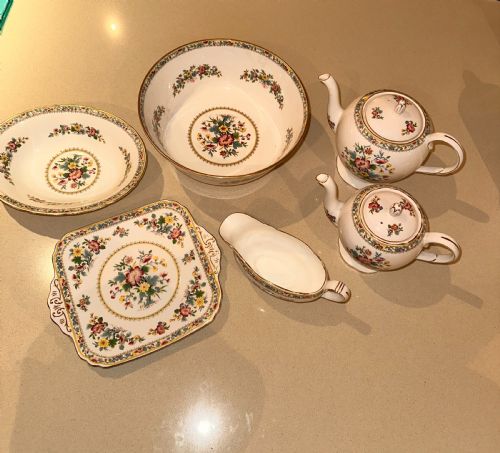
Compositions vary from compact bachelor sets to large afternoon gatherings and extensive dinnerware combinations. Porcelain and bone china dominate these formations, often accompanied by matching coffee services and figurines.
Materials and construction methods
Makers utilised fine porcelain and bone china as the structural body for these services, providing a delicate yet resilient canvas. Potters shaped these materials into cups, saucers, and teapots before applying intricate surface designs.
Enamel and glaze seal the painted decoration, protecting the colours through decades of use and washing. Artisans layered gold leaf and gilding to highlight handles, rims, and borders with metallic brilliance.
Hand-painting brought individual character to patterns such as bat wing designs, trailing daisies, and painted fruit motifs. Ironstone offered a heavier, robust alternative for everyday durability while retaining refined aesthetics.
Listings feature porcelain and bone china enhanced by gold leaf, enamel, and gilding across Victorian, Edwardian, and Art Deco periods.
Markers of distinction and finesse
The crispness of the painted detail separates ordinary production from exceptional craftsmanship. Brushwork executed with precision reveals the hand of a skilled decorator working within established potteries.
The application of gilding and gold leaf indicates the tier of a service. Even wear across heavy gold trim speaks to careful custodianship over generations.
The translucency and thinness of the bone china body demonstrate the refinement of the ceramic paste. Complete sets retaining matching components display a higher level of preservation than assembled groupings.
Royal Doulton·Coalport·Royal Albert Crown China·Doric China Longton Stafford·Masons Patent Ironstone China·Royal Worcester·Wileman Foley Shelley·Copeland Spode·Sutherland·Gladstone potteries·Wedgwood
The Vintage China Tea Service Glossary
- Bone china
- A type of porcelain incorporating animal bone ash, producing a strong, milky-white body with high translucency. This material allowed makers to fashion thinner walls without sacrificing durability.
- Gilding
- The application of gold leaf or gold paint to ceramic surfaces, typically edging rims and handles. It elevates the decorative appeal of the service.
- Imari
- A decorative style inspired by Japanese export wares, featuring rich cobalt blue and iron red contrasted with gold. Victorian potteries adopted this palette for striking visual impact.
- Ironstone
- A patented ceramic body known for its stone-like hardness and durability. It bridges the gap between earthenware and porcelain.
- Bat wing
- A specific transfer-printed or hand-painted panel design resembling spreading wings, found on porcelain pieces from specific makers. This pattern creates a distinctive radiating effect around the vessel body.
Vintage China Tea Service: Frequently Asked Questions
How do I date a tea service?
Examination of maker marks, registration numbers, and stylistic cues reveals the period of manufacture. Potteries altered their backstamps across decades, providing a reliable chronological key for collectors.
Material composition and shape also point toward specific eras, such as the heavier forms of the nineteenth century compared to lighter twentieth-century profiles.
Can I use my vintage tea set daily?
Many collectors enjoy using their services for occasional afternoon tea, provided proper care is taken. Hand washing preserves fragile gilding and enamel details that modern dishwashers would strip away.
Avoid thermal shock by warming pots gently before pouring boiling water into aged ceramic vessels.
What constitutes a complete service?
A standard afternoon tea service typically includes cups, saucers, and a teapot, often accompanied by a milk jug and sugar bowl. Larger configurations expand to host six or ten participants with matching side plates.
Dinnerware combinations may incorporate serving platters and tureens alongside the core beverage items.
How should I store delicate china?
Store pieces on stable shelving lined with acid-free paper or felt to prevent friction damage. Stack cups and saucers carefully with felt separators between individual items to protect rims.
Keep sets away from direct sunlight and extreme temperature fluctuations to safeguard the glaze and enamel.