
Antique Floral Porcelain Set
An antique floral porcelain set brings hand-painted botanicals and refined craftsmanship directly to the table.
Antique Floral Porcelain Set
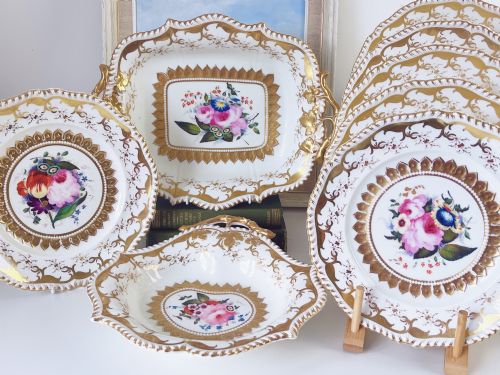
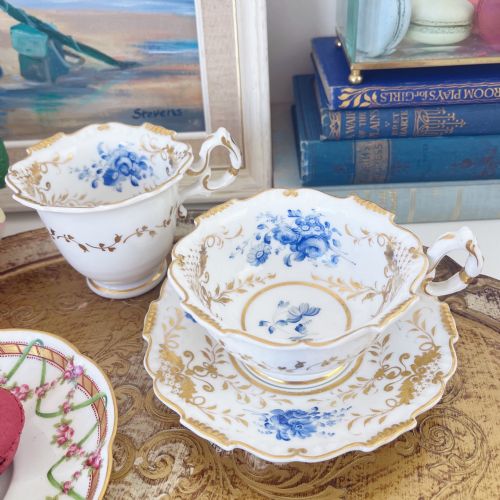
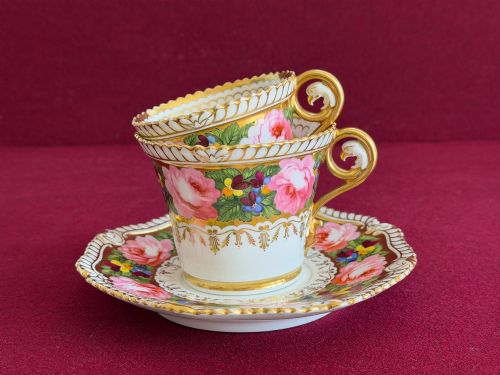
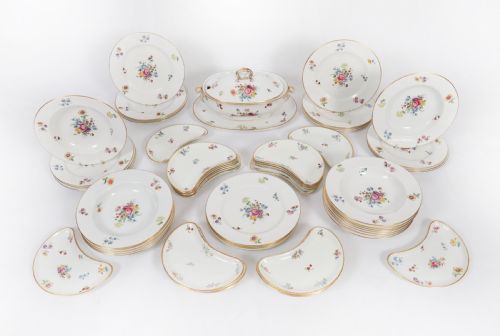
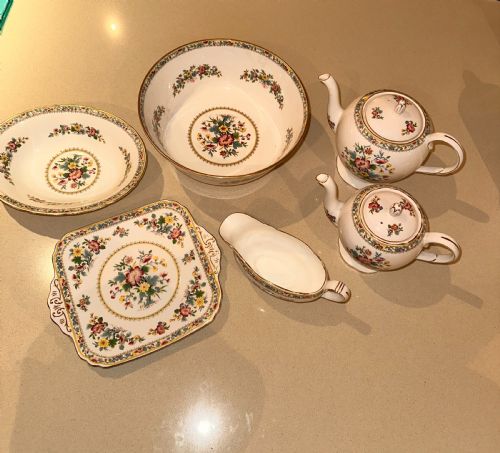
An antique floral porcelain set comprises matching items intended for dining, tea service, or decorative display, spanning periods from the Georgian era through to the Edwardian years. The selections range from intimate tea and coffee trios to extensive dinner and dessert services numbering dozens of pieces.
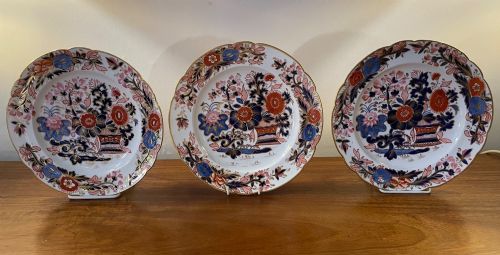
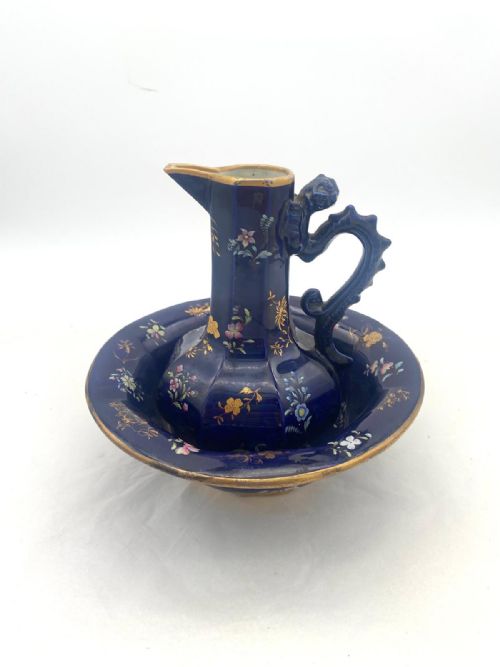
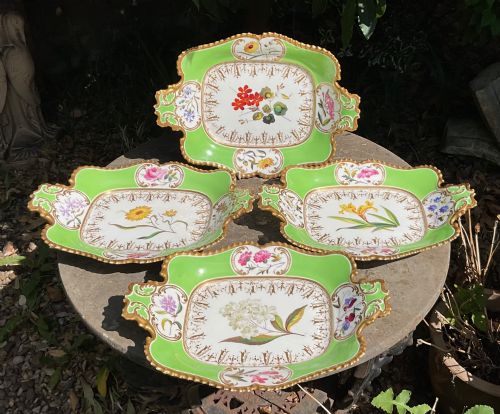
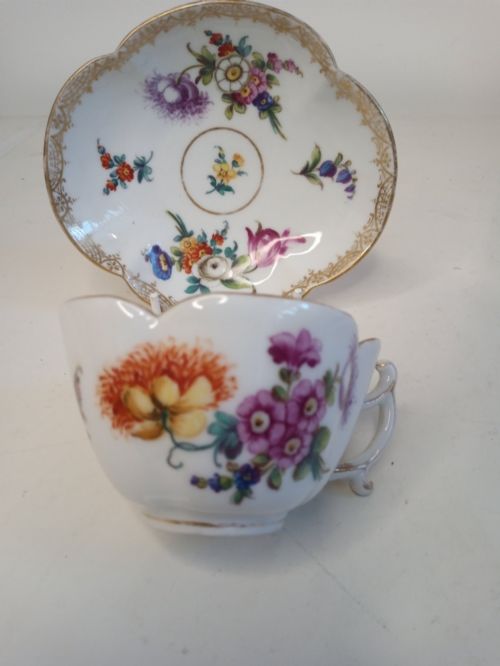
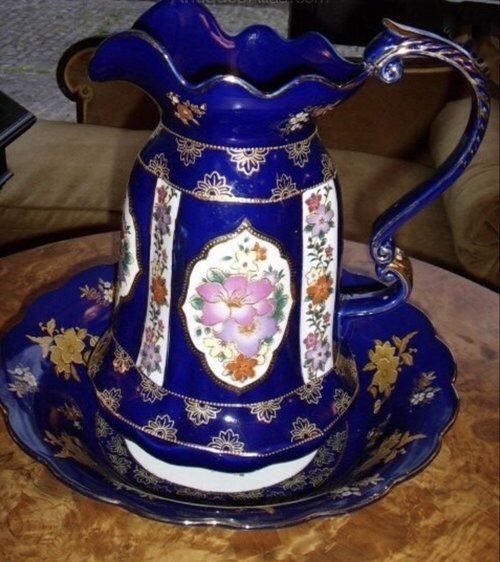
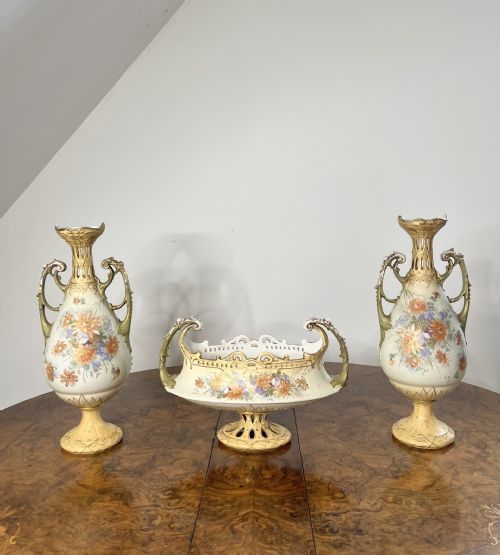
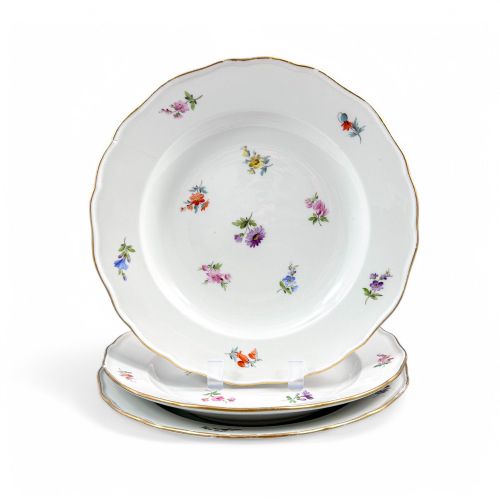
Most examples encountered date from the nineteenth century, reflecting Victorian and Regency aesthetics alongside influences from Japanese Imari and Rococo styles. Forms include teacups and saucers, decorative plates, large service platters, washstand sets, and garnitures.
How they were made
Potters utilised fine porcelain, earthenware, and soft-paste ceramic bodies, shaping them into tableware before applying underglaze or overglaze treatments. Many wares incorporate transfer printing alongside meticulous hand-painting to build up botanical motifs.
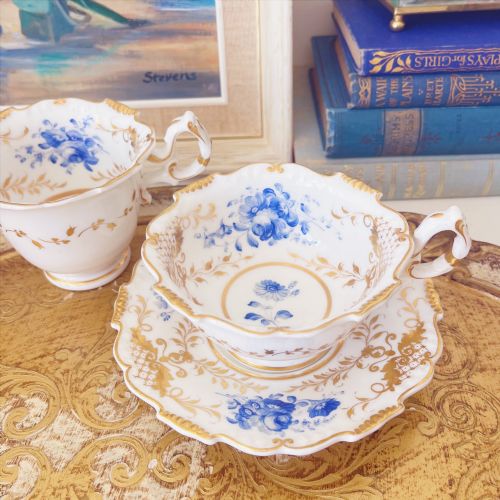
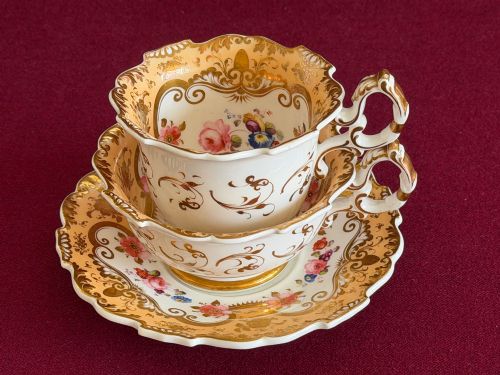
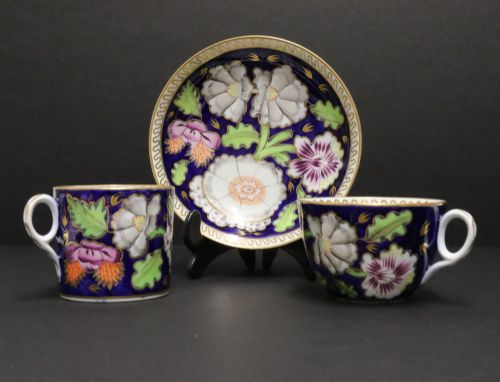
Makers integrated rich surface decoration through the application of enamel colours, gold leaf, and hand gilding. Firing processes fixed the cobalt blue glazes, polychrome floral enamels, and gilt accents onto the ceramic surface.
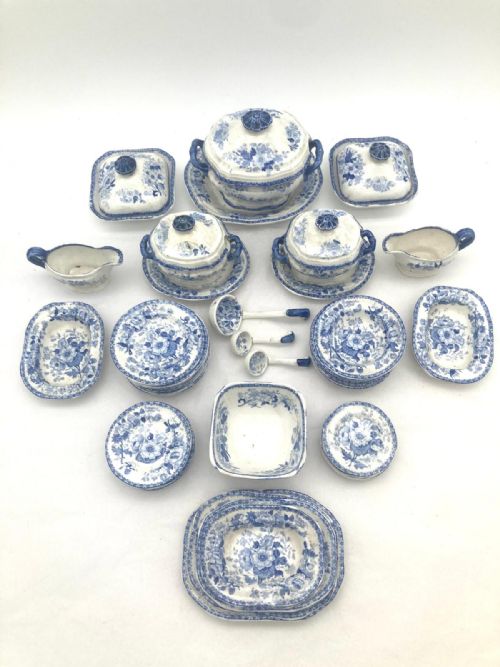
Some nineteenth-century tea services include washstand sets and miniature vessels, proving that even early Victorians needed tiny basins for miniature hands.
What varies in quality
The degree of artistic execution in the hand-painted floral decoration dictates much of the distinction between ordinary utility wares and exceptional cabinet pieces. Finer sets display delicate brushwork and nuanced shading, whereas more basic production relies on simpler transfer-printed outlines.
The completeness and uniformity of a surviving service heavily influence its standing, as matching large groupings from the Regency or Victorian periods requires careful preservation. The application of gold leaf and the crispness of the porcelain paste further separate standard factory output from premier potteries.
Grainger Lee And Co·H And R Daniel·Chamberlains Worcester·Newhall Porcelain·Masons Ironstone·Minton·Royal Vienna·Spode·Meissen·Doulton Burslem·John Ridgway·Coalport·Royal Worcester·Müller Volkstedt·Sevres·Chantilly
The Antique Floral Porcelain Set Glossary
- Porcelain
- A fine, hard, white ceramic material traditionally made from kaolin and petuntse fired at high temperatures. It forms the translucent base for most fine antique teacups and decorative plates.
- Gilding
- The application of gold leaf or powdered gold onto the ceramic surface to highlight rims, handles, and painted motifs. This decorative technique adds a lustrous metallic finish to nineteenth-century table services.
- Imari
- A decorative style originating in Japan and widely imitated by European potteries, characterised by a palette of cobalt blue, iron red, and extensive gold. Pieces in this manner frequently feature floral and panel designs.
- Soft-paste
- An early form of artificial porcelain composed of white clay and fritted glass, fired at lower temperatures than true hard-paste porcelain. It is frequently identified in eighteenth-century French and English wares.
- Trio
- A matching ceramic grouping consisting of a teacup, a coffee cup, and a matching saucer. These sets were popular for social gatherings during the Regency and Georgian periods.
Antique Floral Porcelain Set: Frequently Asked Questions
How do I care for antique porcelain?
Wash each piece gently by hand in warm water using a mild detergent, avoiding harsh scrubbing or modern dishwashers that can damage delicate enamel and gold leaf.
Store cups and saucers carefully without stacking heavy items too high to prevent chipping the historic ceramic bodies.
Were these sets used daily?
Many dinner, tea, and dessert services were commissioned for formal dining and social entertaining rather than rough everyday use.
Complete surviving services often indicate that the items were carefully preserved in cupboards between special occasions.
How do I date a floral porcelain set?
Examine the base of the ceramics for maker marks, registration diamonds, or factory ciphers that point to specific decades of production.
The style of the floral painting, the shape of the handles, and the composition of the paste also provide strong clues to whether a set originates from the Georgian, Regency, or Victorian era.
What is a garniture set?
A garniture typically consists of a matching set of three or more vases or vessels designed to be displayed together on a mantelpiece or sideboard.
These decorative groupings often showcase elaborate hand-painted floral motifs or Imari patterns intended to catch the eye.