
Antique Tableware Ceramics
These antique tableware ceramics bring centuries of dining history to the table, offering functional artistry from Georgian and Victorian service pieces.
Antique Tableware Ceramics
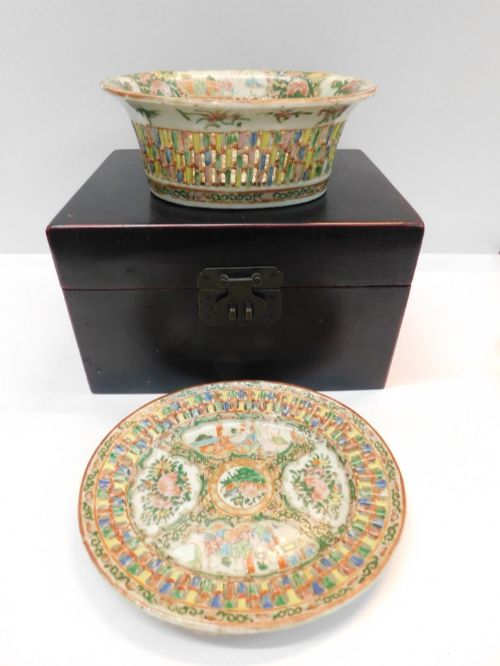
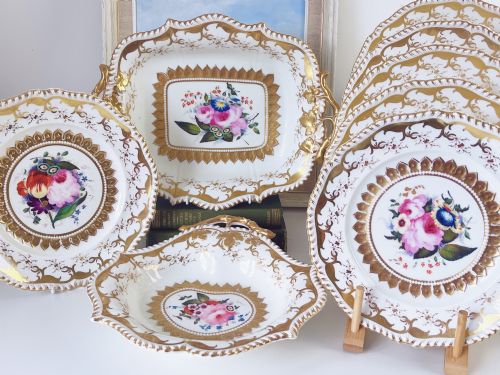
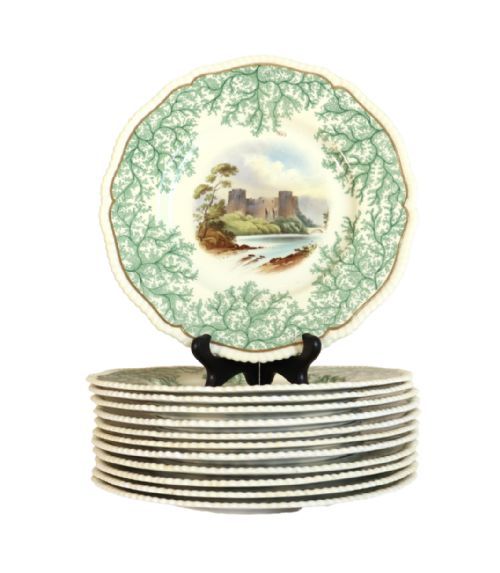
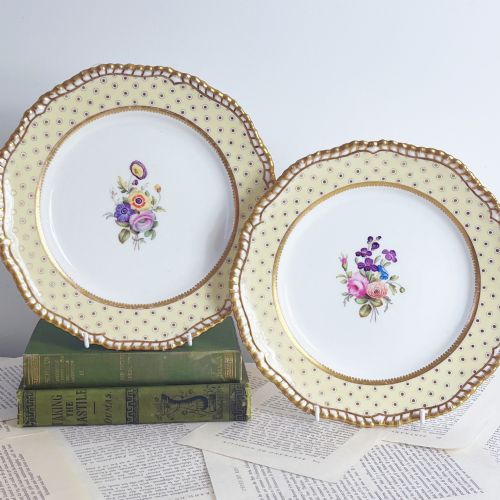
When you search for antique tableware ceramics, you encounter utilitarian and decorative vessels designed for historical dining practices. These pieces range from extensive dinner services to individual dessert plates, creamers, and tureens.
The selections on this page draw heavily from the Georgian and Victorian eras, alongside select 18th-century and Edwardian examples. You are most likely to meet transfer-printed earthenware, creamware, and bone china pieces intended for formal hospitality.
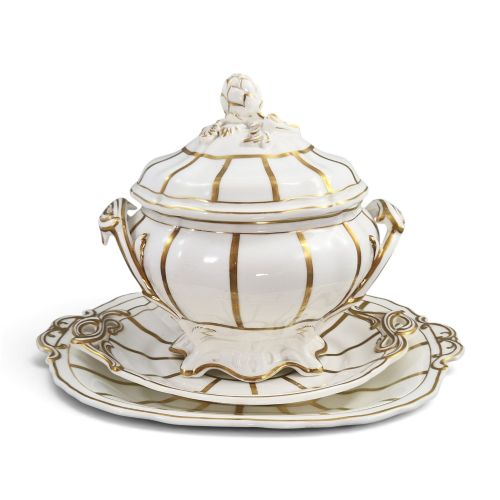
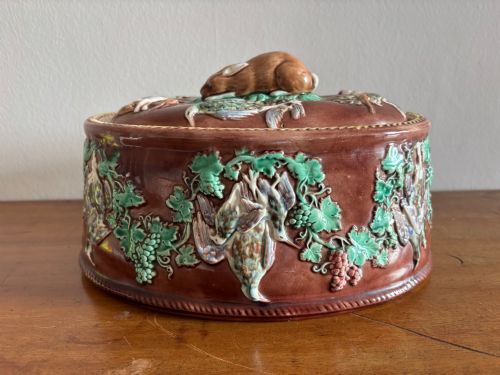
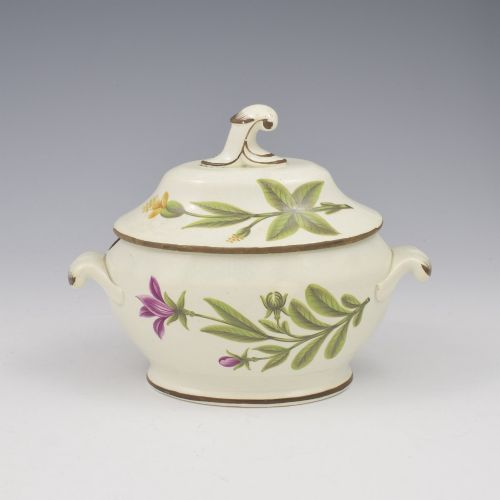
Forms include large vegetable tureens, sauceboats, and specialised dishes such as game pie dishes and cheese covers. Each item reflects the domestic routines and dining rituals of its period of manufacture.
How they were made
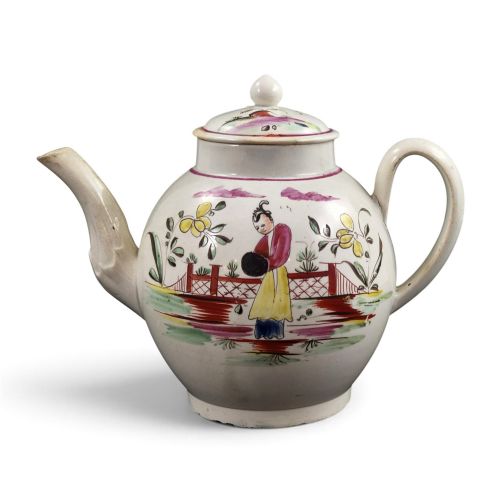
Potters utilised materials such as creamware, pearlware, earthenware, and bone china, shaping them on the wheel or pressing them into moulds. Stoneware and faience also appear among the regional variations.
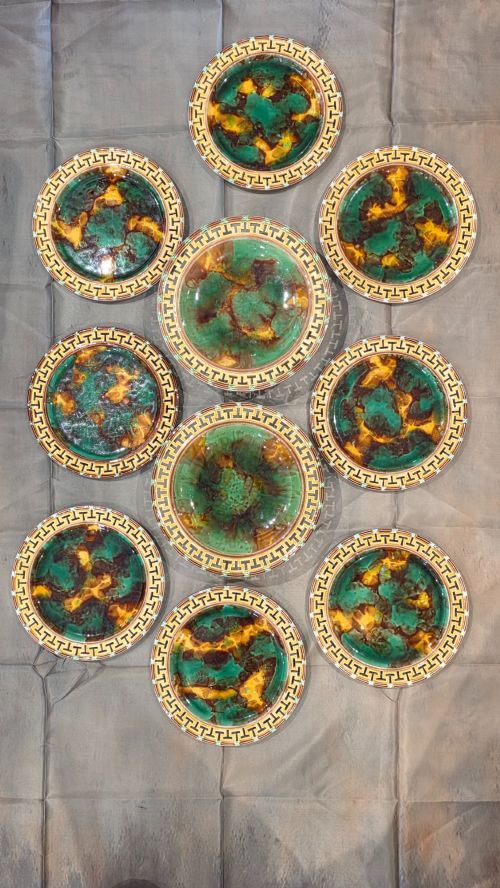
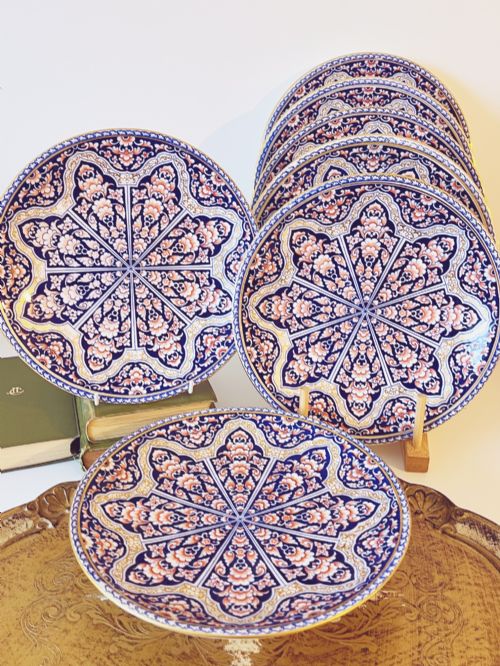
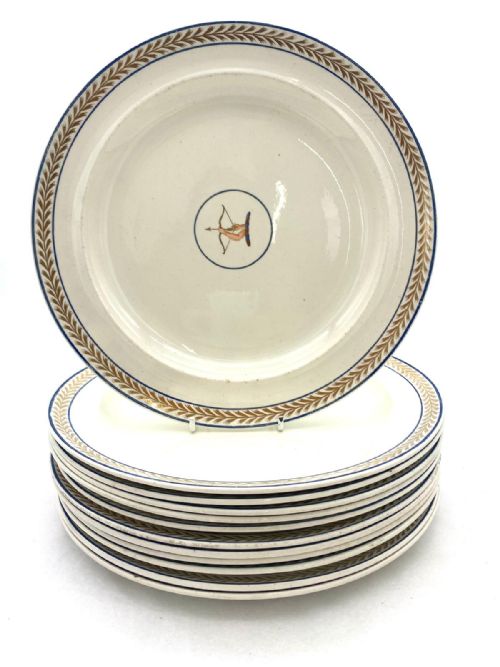
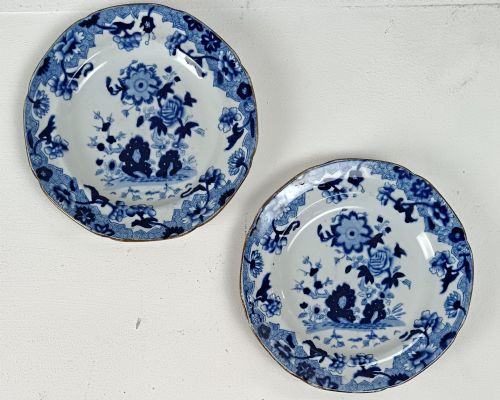
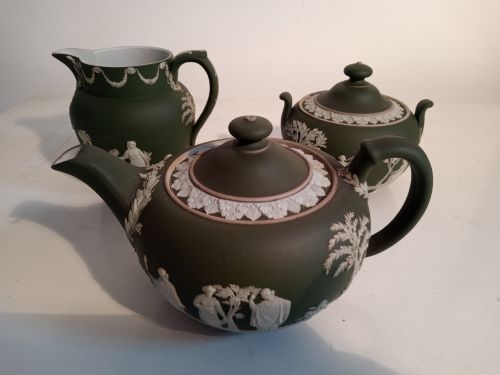
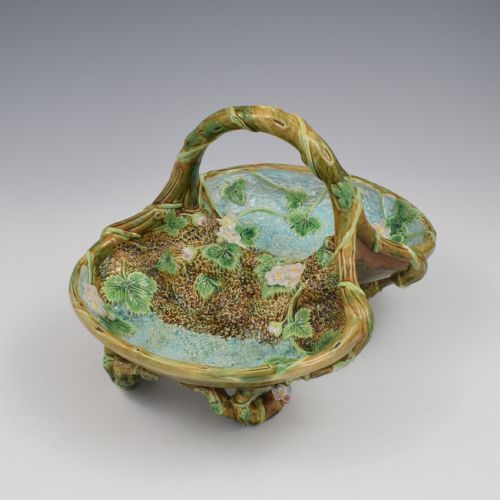
Decoration relied on hand-painted botanical or figurative motifs, transfer printing in blue and white, and rich glazes including majolica and enamel. Gilding with gold leaf frequently highlighted moulded borders and handles.
Victorian cows served as creamers, pouring milk directly from their spotted ceramic mouths.
What varies in quality
Quality rests upon the crispness of the moulding and the execution of the painted or transfer-printed decoration. Finer services demonstrate meticulous hand-painting, precise pattern registration, and uniform glaze application.
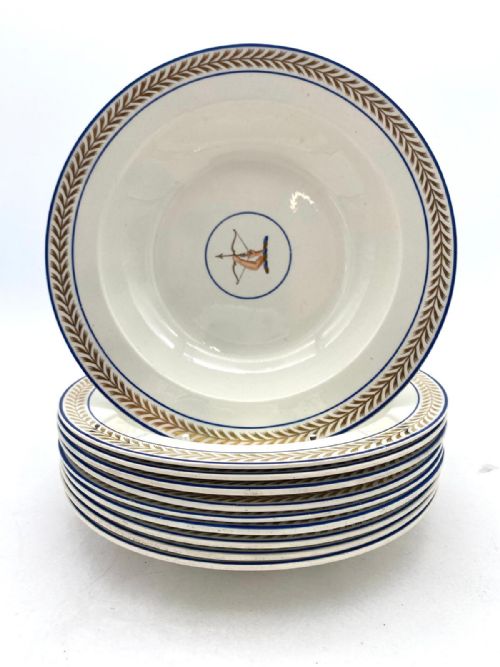
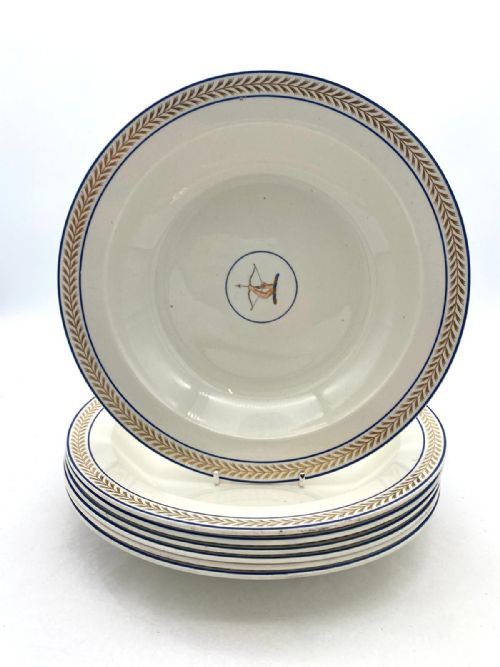
The distinction between standard domestic wares and top-tier pieces lies in the sophistication of the ceramic body and the prestige of the maker. Armorial commissions and named botanical studies represent the elevated tier of production.
Grainger Lee And Co·Spode·Wedgwood·Royal Crown Derby·Davenport·George Jones·J And R Riley·Caughley·Mintons·John Ridgway·Bow·Doulton Burslem
The Antique Tableware Ceramics Glossary
- Creamware
- A refined earthenware with a pale yellowish-white glaze, developed in Yorkshire during the 18th century.
- Pearlware
- An earthenware body with a bluish-tinted glaze designed to mimic the appearance of Chinese porcelain, popular in the Georgian period.
- Majolica
- A colourful, lead-glazed earthenware characterised by vibrant hues, widely produced during the Victorian era for decorative serving pieces.
- Transfer printing
- A method of applying complex decorative patterns to ceramics using a copperplate engraving and tissue paper.
- Comport
- A raised dish or bowl placed centrally on the table for serving fruit or sweets during a formal dessert course.
Antique Tableware Ceramics: Frequently Asked Questions
How do I use antique tableware ceramics today?
Many collectors use these ceramic pieces for special dinner parties and seasonal displays. Care must be taken to hand wash them gently and avoid thermal shock.
Larger vessels like tureens and vegetable dishes function well as decorative centrepieces when not in active use. Plates and dessert sets can handle light service if treated with care.
How do I identify a Victorian service?
Victorian ceramic services often feature heavier moulding, bolder polychrome or transfer-printed patterns, and robust earthenware bodies. Majolica glazes and naturalistic forms like leaves and animals point directly to this period.
Maker marks stamped or impressed into the base help narrow down the production decade. Aesthetic movement and Gothic revival influences also signal late 19th-century manufacture.
Were these ceramics used daily?
Most surviving dinner services and tea sets were reserved for formal entertaining and guests. Everyday utilitarian pottery endured heavy wear and rarely survived in large, matching sets.
Wealthy households maintained separate sets for breakfast, dinner, and dessert courses. This specialisation explains why many surviving services focus exclusively on dessert or tea.