



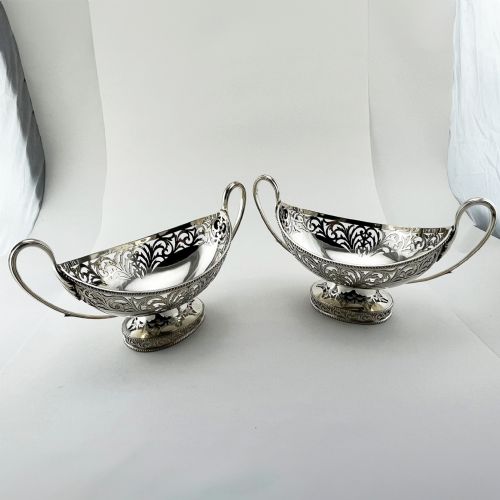
Pierced Silver Sweetmeat Dish
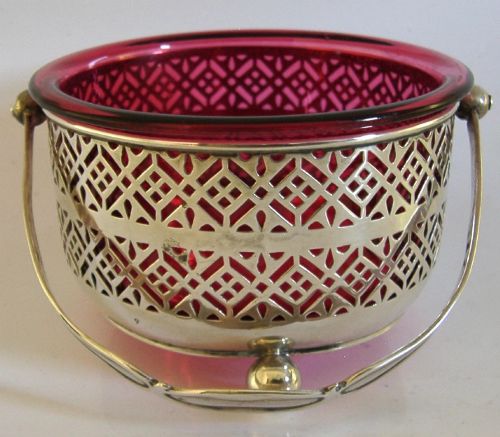
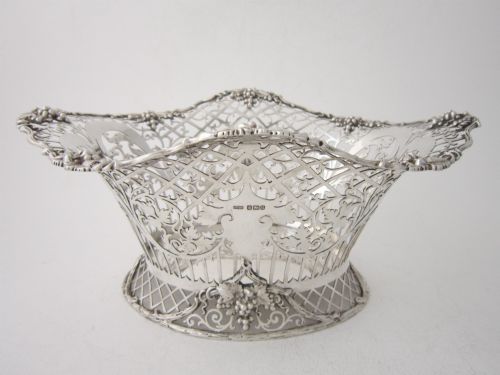
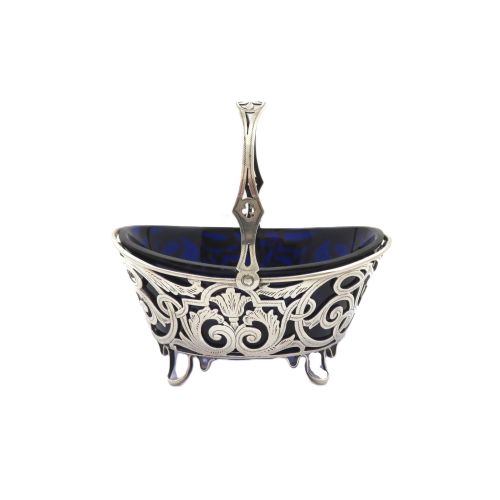
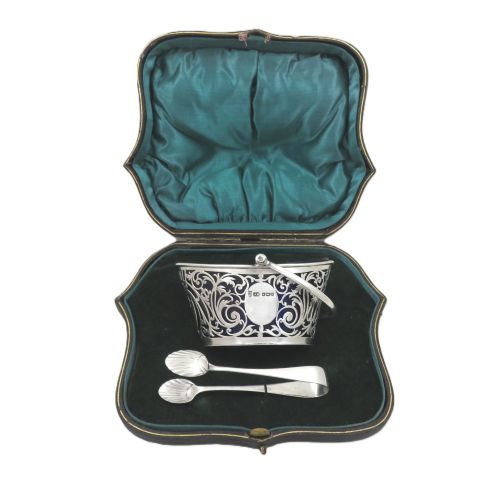
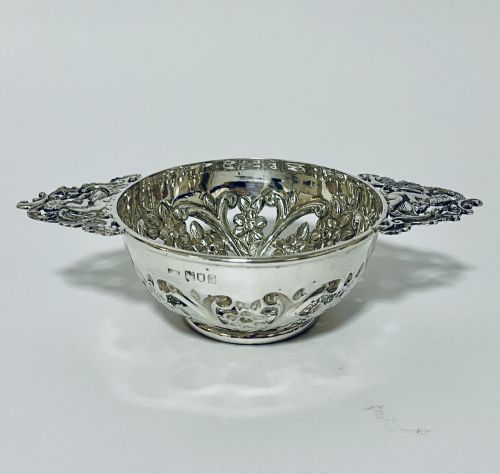
A pierced silver sweetmeat dish brings delicate metalwork and colour to the table, and collectors prize them for their intricate fretwork and coloured glass liners.
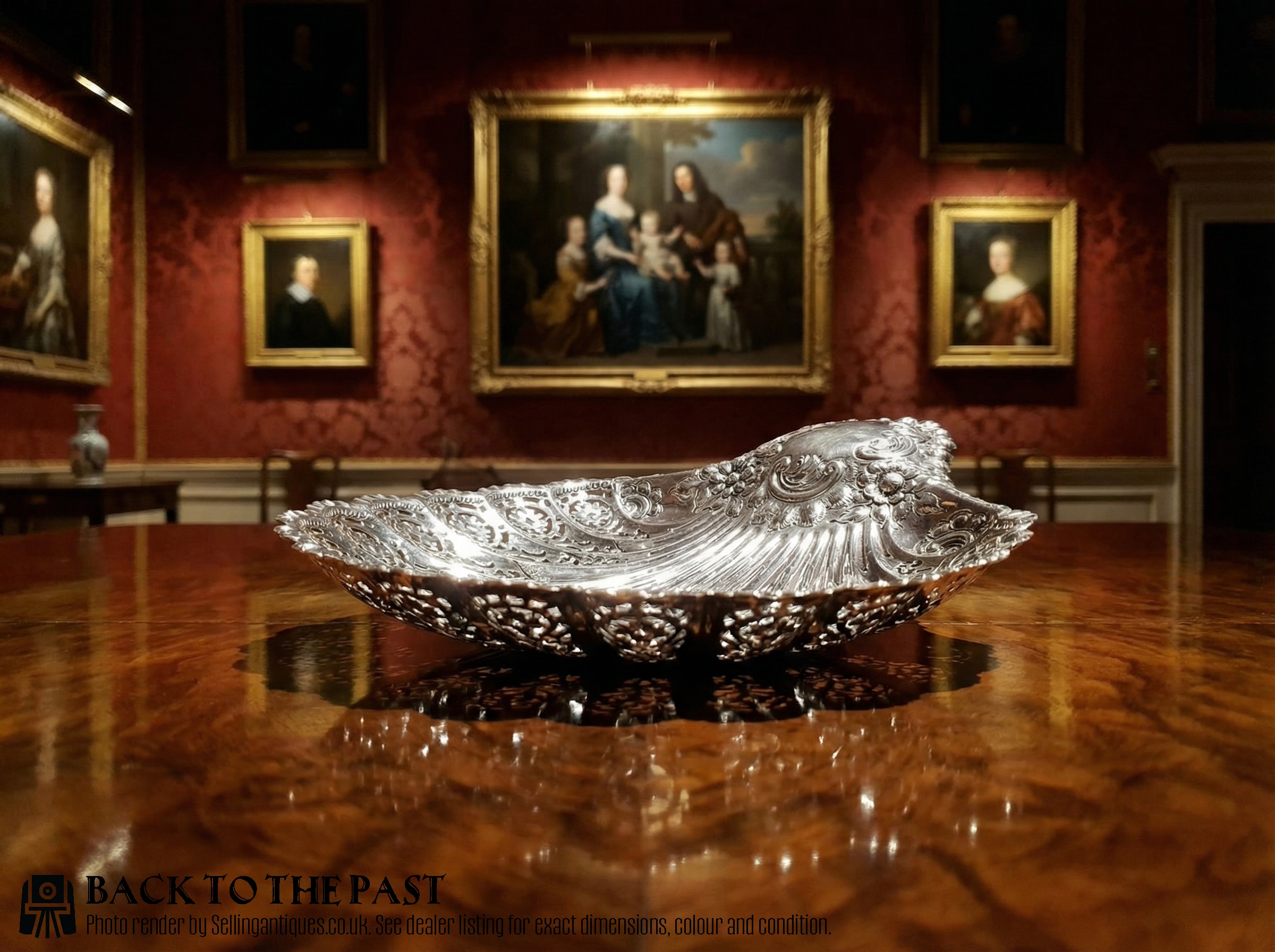
Pierced Silver Sweetmeat Dish
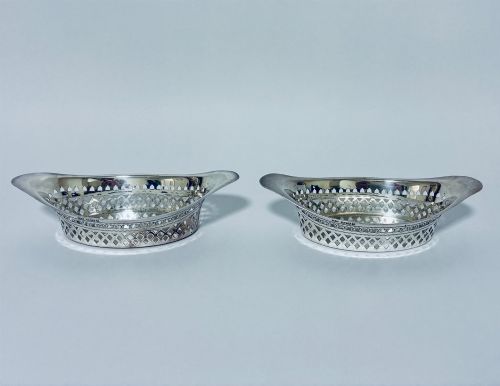
A pierced silver sweetmeat dish is a small decorative vessel designed for serving confectionery, nuts or small fruits during formal dining. When you search for this phrase, you encounter forms ranging from sugar baskets and bonbon dishes to swing-handled serving baskets.
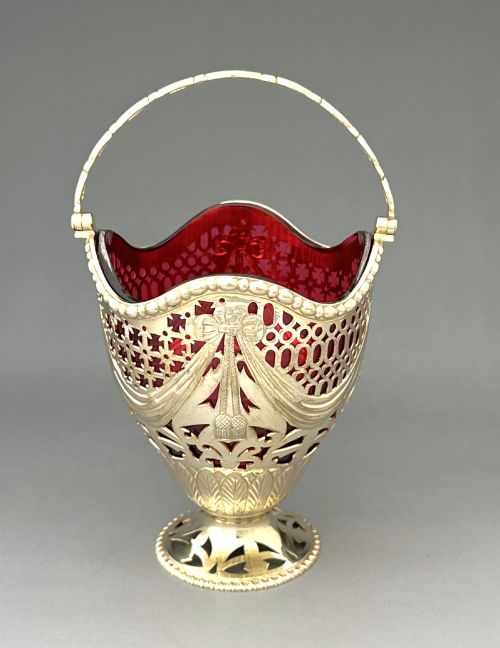
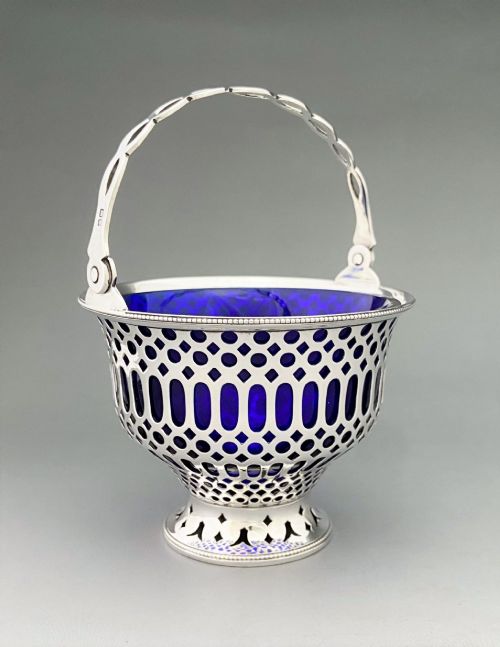
The pieces on this page span several periods, with the majority originating in the Victorian, Edwardian and Georgian eras. You will frequently find them paired with contrasting glass liners in cobalt blue, cranberry or ruby glass.
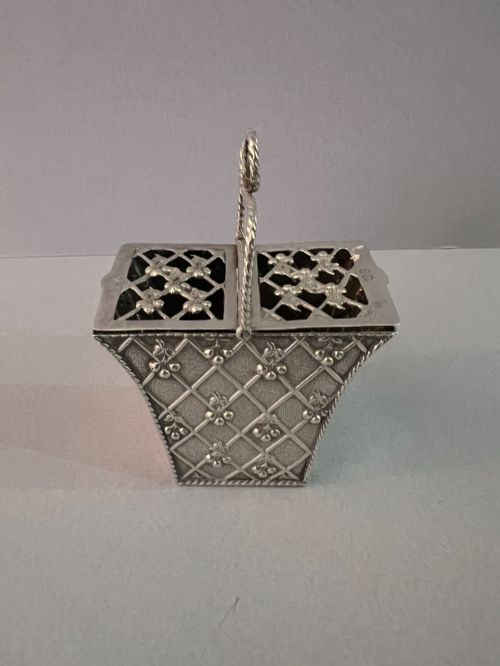
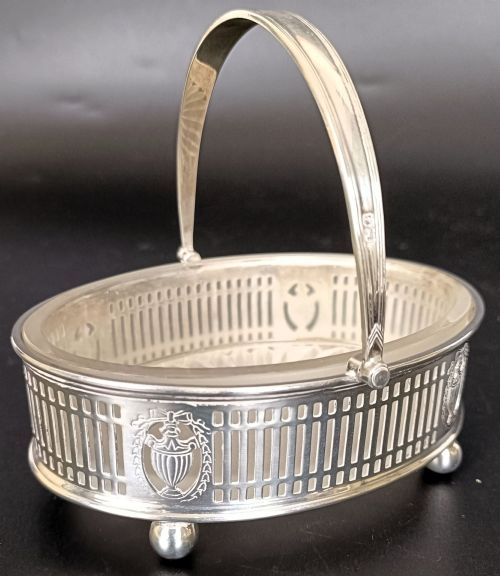
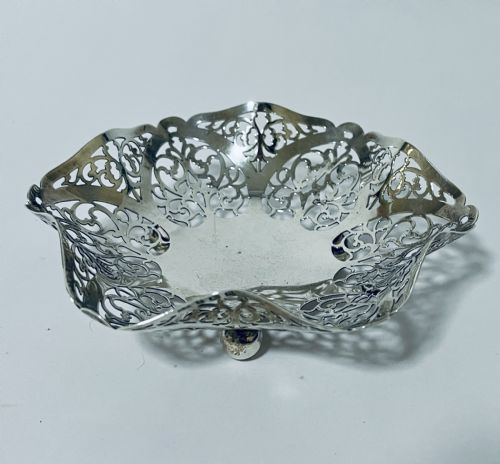
Makers utilised various formats, including footed bowls, oval serving dishes and potpourri baskets with pierced lattice designs. These tableware items reflect the shifting decorative tastes of the nineteenth and early twentieth centuries.
How they were made
Silversmiths constructed these dishes using sterling silver, silver plate and occasionally silver-gilt, shaping the metal through piercing, casting and hammering. Pierced lattice patterns required meticulous hand-sawing or punching to create intricate geometric and floral openwork.
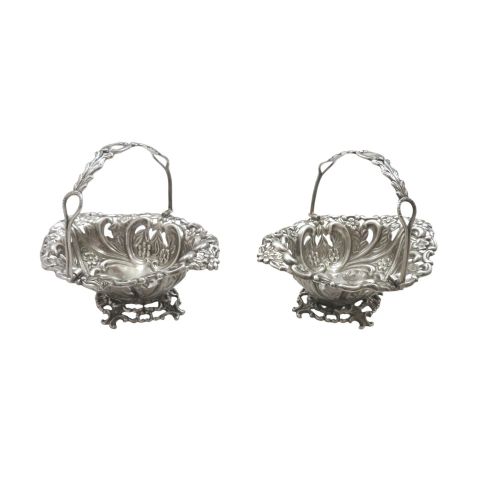
Many examples incorporate removable glass liners, such as cranberry or cobalt glass, which were blown and fitted to sit securely within the pierced silver framework. Swing handles and cast floral details were soldered or hinged to the main body to complete the form.
Pierced Silver Sweetmeat Dish Retail Price Guide 2026
Typical asking prices for pierced silver sweetmeat dish among the pieces listed under this phrase on Sellingantiques today, from the lower quarter to the upper quarter. They describe what is for sale here now, not the wider market.
Some delicate sweetmeat baskets are small enough to sit in the palm of your hand yet feature fully functional swing handles.
What varies in quality
The standard of piercing dictates much of the visual appeal, with superior items displaying crisp, uniform apertures without distortion to the surrounding metal. The weight of the silver and the complexity of the cast handles or feet also separate standard production from finer craftsmanship.
The presence and condition of the original coloured glass liner significantly influence the desirability of a piece. Intact glass liners that fit the silver framework precisely denote higher quality and greater original completeness.
Thomas Bradbury·Fenton Brothers·Viners·William Comyns·Martin Hall·George Fox
The Pierced Silver Sweetmeat Dish Glossary
- Sweetmeat
- A small confection, such as a candied fruit or sweet, served in small dishes during dessert courses. These vessels were specifically proportioned for such delicacies.
- Pierced
- A metalworking technique involving cutting or piercing holes through the silver sheet to create decorative patterns and openwork. It lightens the visual weight of the object.
- Swing handle
- A movable handle attached to the rim of a basket by pivots, allowing it to swing freely to one side. This feature is common on sugar and bonbon baskets.
- Silver-gilt
- Silver that has been coated with a thin layer of gold on its surface, giving it a warm golden appearance. It was frequently used for the interiors of sugar baskets.
Pierced Silver Sweetmeat Dish: Frequently Asked Questions
What were sweetmeat dishes used for?
These dishes held sweet confections, nuts and dried fruits served at the end of a meal or during afternoon gatherings.
Their small scale made them suitable for passing around the dining table among guests.
How do I identify an Edwardian silver dish?
Edwardian pieces date between nineteen hundred and nineteen ten, often displaying Neoclassical Revival influences or lighter pierced lattice work.
Assay office marks and date letters stamped on the silver provide the exact year of manufacture.
Are glass liners original to the baskets?
Many baskets were manufactured with fitted glass liners in cobalt, cranberry or ruby glass to hold moist foods safely.
Matching the contours of the glass to the interior of the pierced silver helps determine if they belong together.
How should I clean silver baskets?
Gentle washing with warm soapy water and a soft cloth removes dust without harming the delicate pierced metal.
Harsh abrasive polishes should be avoided to preserve the crisp edges of the fretwork and any silver-gilt finish.