


Silver Scallop Shell Dish
These silver scallop shell dish examples bring organic marine form to the table, prized for centuries as butter dishes, salts, and sweetmeat servers.
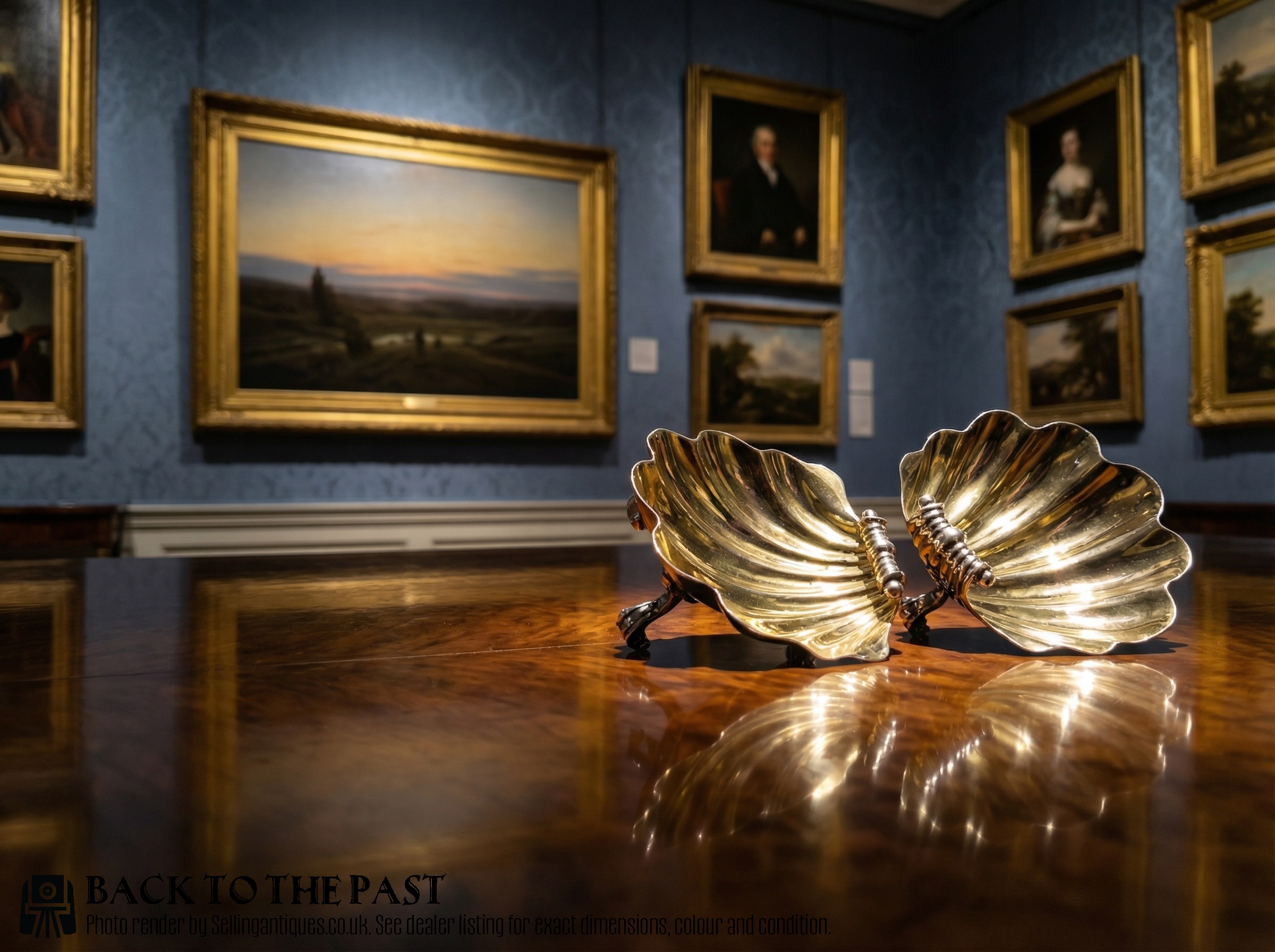
What these silver scallop shell dish pieces are
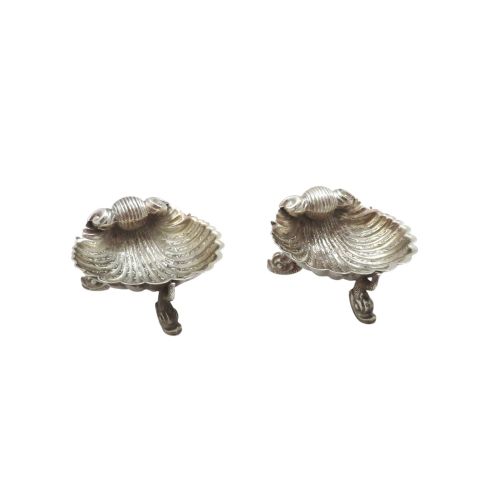
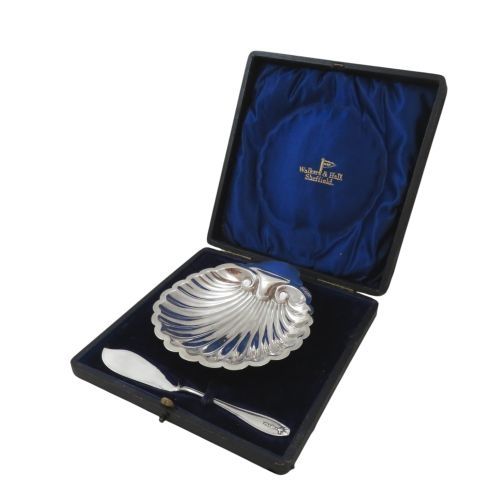
When you search for a silver scallop shell dish, you encounter historic tableware shaped directly from marine motifs. The evidence shows forms functioning as butter dishes, salt cellars, bonbon dishes, and sweetmeat servers across multiple eras.
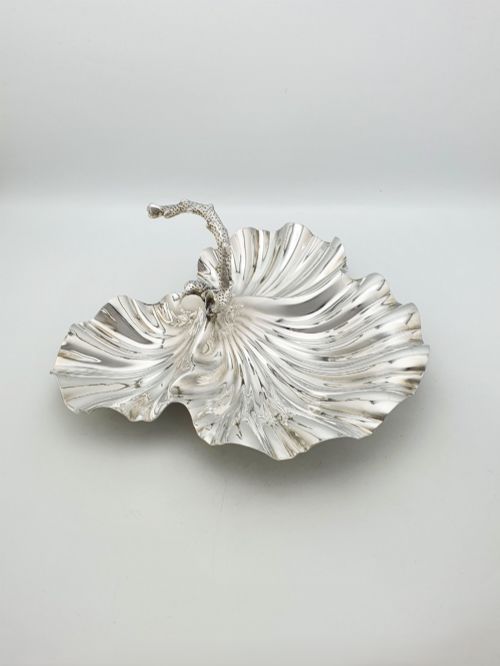
The versions you meet most frequently on this page range from Georgian solid silver butter dishes to Victorian plated examples with stylised coral handles. Origins span the eighteenth century through to the Edwardian period and nineteen hundred and nine, reflecting enduring dining traditions.
How they were made
Makers fashioned these pieces using sterling silver, silver plate, electroplated nickel silver, and silver gilt. Silversmiths hammered, cast, and chased the metal to capture the natural ribbing and fluted edges of the marine shell.
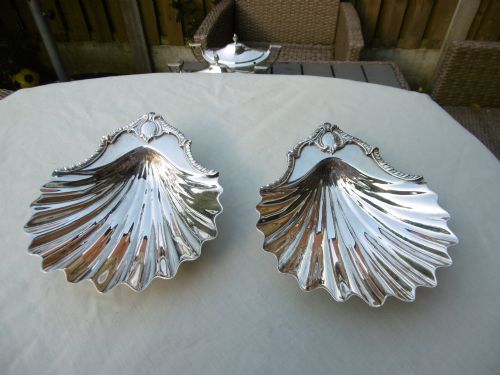
Craftsmen incorporated structural details such as pierced bodies, scalloped borders, and cast coral handles. Pairs and trios demonstrate uniform workmanship across matching table sets.
Listings span Georgian, Victorian, and Edwardian periods, recording both solid sterling silver and electroplated nickel silver materials.
What varies in quality
The distinction between standard domestic items and high-end pieces rests upon the crispness of the chasing and the weight of the metal. Solid sterling silver vessels with defined hinges and substantial gram weights sit at the upper end of the range.
Design complexity also dictates the tier, moving from simple pressed silver plate to detailed rococo items with bespoke handles and gilt interiors. Maker attribution adds another layer of distinction when crisp hallmarks survive.
William Plummer·Edward Farrell·J T Younge·Walker and Crowder·Peter Archambo I
The Silver Scallop Shell Dish Glossary
- Butter shell
- A small dish specifically shaped for serving individual portions of butter at the dining table. They frequently stand on small cast feet.
- Silver gilt
- Silver that has been coated with a thin layer of gold on the interior or exterior surface. This technique protected the base metal from corrosion by acidic foods.
- Rococo
- An ornate artistic style characterised by asymmetry, scrollwork, and naturalistic shell motifs. It heavily influenced mid-eighteenth-century silver design.
- Salt cellar
- A small container used to hold salt at the table before the advent of mechanical shakers. Shell forms were a popular choice for this vessel.
- Electroplated nickel silver
- A base metal alloy of copper, nickel, and zinc coated with a layer of pure silver using electrical current. This process emerged in the nineteenth century as an affordable alternative to solid silver.
Frequently Asked Questions
What were silver scallop shell dishes used for?
These dishes historically served butter, loose salt, bonbons, and sweetmeats at formal dining tables. Their shallow fluted basins held portions that complemented larger table service.
Over successive periods, dining fashions shifted how owners utilised them, moving from functional dairy service to decorative Victorian display and sweetmeat presentation.
How do I date a silver shell dish?
Dating relies heavily upon the assay office marks, maker stamps, and date letters struck directly into the metal. Georgian pieces often display distinct hallmarks indicating London assay offices and specific monarchical reigns.
Stylistic shifts also help differentiate eras, such as the exuberant rococo chasing of the mid-eighteenth century compared to the stylised coral handles found on later Victorian plated items.
Are these dishes solid silver or plated?
The evidence shows a mix of solid sterling silver, silver plate, and electroplated nickel silver across different periods. Eighteenth-century examples are typically solid silver, while later nineteenth-century items introduce plated alternatives.
Examining the underside and hallmarks reveals whether the piece is solid sterling or an electroplated base metal alloy.
How should I display a shell dish at home?
You can display these pieces on sideboards, within cabinets, or utilised practically on a dining table for condiments. Their reflective surfaces catch light particularly well when grouped in pairs or trios.
Ensure placement avoids prolonged contact with corrosive substances, and clean them with appropriate silver care products to preserve the chased details.