


Silver Plated Trinket Tray
These silver plated trinket tray pieces offer small resting places for daily odds and ends, combining practical service with decorative flair.
Silver Plated Trinket Tray
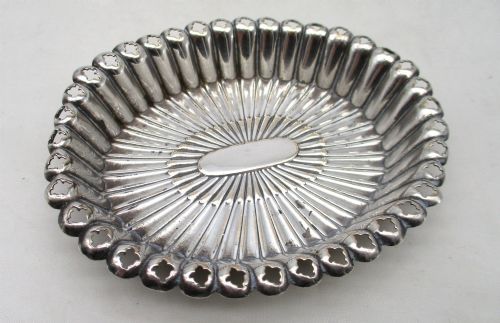
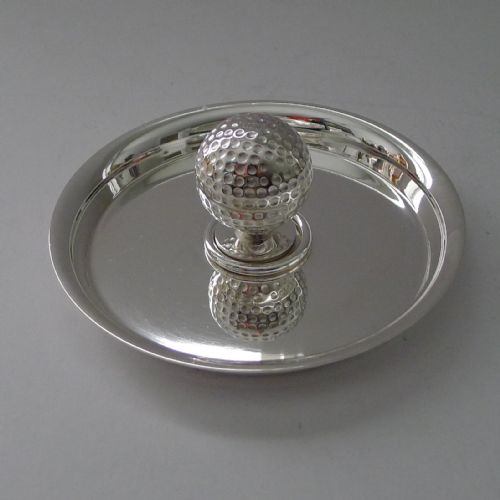
When you search for a silver plated trinket tray, you are looking at small dishes, vide poche vessels, and card trays designed to hold pocket items. These objects appear in forms ranging from mid-eighteenth century Old Sheffield plate to mid-century modern designs.
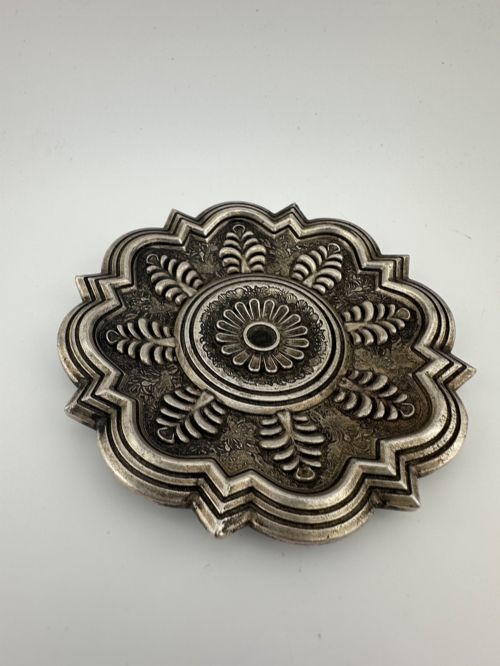
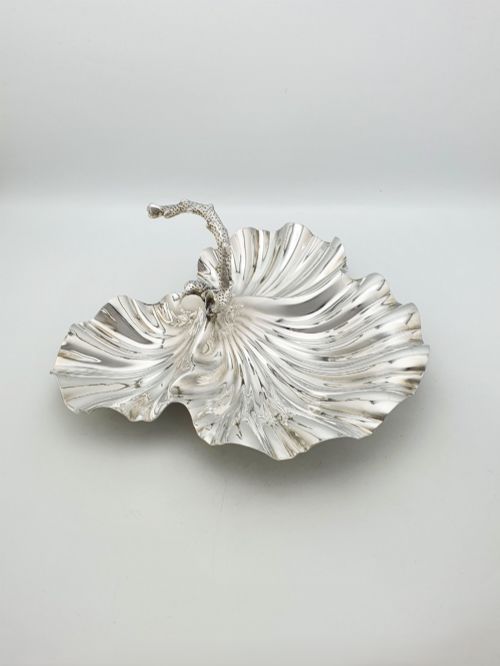
You are most likely to meet Victorian and twentieth-century examples on this page, spanning styles from art nouveau and art deco to naturalistic shell and leaf shapes. They serve as desktop or hallway catchalls for keys, coins, and pins.
The materials vary beyond standard plate to include white metal, pewter, and Old Sheffield plate, reflecting the shifting manufacturing methods of different eras. Chinese export and European workshops both contribute to the variety of small dishes available.
How they were made
Makers shaped these trays using silver plate over copper, Britannia metal, and nickel silver, utilising electroplating techniques that developed during the nineteenth century. Earlier pieces like Old Sheffield plate relied on fusing a thin sheet of silver to a thicker copper base before forming the vessel.
Foundry work and hand-chasing created the figural and naturalistic details, such as coral handles, stylised leaves, and maiden figures. Workers hammered, cast, and stamped the white metal, pewter, and silver plated surfaces to achieve crisp decorative motifs.
Materials represented include silver plate, Old Sheffield plate, copper, pewter, white metal, and electroplated nickel silver.
What varies in quality
Quality rests in the crispness of the casting and the proportion of the decorative elements, such as figural maidens or coral handles. The integrity of the underlying base metal, particularly where silver plate or Old Sheffield plate has thinned through polishing, defines the durability of the piece.
Design ambition separates standard commercial production from distinctive studio and maker output. Pieces bearing specific marks or attributed to known firms demonstrate greater attention to surface detail and structural balance.
Hermes Paris·Maria Pergay·John Collyer Birmingham·WMF
The Silver Plated Trinket Tray Glossary
- Old Sheffield Plate
- A method of fusing a layer of silver to a copper base before rolling them into sheets. This early technique often reveals a faint line of copper at the cut edges.
- Vide Poche
- French for empty pocket, this is a small tray or dish placed in a hallway to receive pocket contents. They appear frequently in mid-century French designs.
- Britannia Metal
- A form of pewter alloy composed of tin, antimony, and copper that provides a bright, silver-like surface for casting vessels. It served as a stable base for electroplating.
- Bonbon Dish
- A small decorative vessel originally intended to hold sweets or confections. These dishes often feature elevated feet or swing handles.
- Card Tray
- A small shallow plate historically used for presenting calling cards in a formal household. They frequently incorporate shaped rims and central pedestals.
Silver Plated Trinket Tray: Frequently Asked Questions
How do I clean a silver plated tray?
Use a soft cloth and a gentle silver cream formulated to protect thin metal platings. Avoid harsh dips that strip the remaining silver layer from the base metal.
Wash the tray in warm soapy water and dry it thoroughly with a lint-free towel to prevent spotting or tarnishing.
Are these trays safe for food use?
Most of these small dishes are intended for decorative use or holding dry items like keys and small trinkets. Over decades of use, thin silver plate can wear down and expose the underlying copper or brass.
Keep food service to pieces specifically marked as solid silver or modern food-safe stainless alternatives.
How do I date an unmarked tray?
Examine the overall style, such as the geometric lines of art deco or the flowing plant motifs of art nouveau. The weight and base metal often indicate whether the piece originates from the eighteenth-century Old Sheffield period or the later electroplate era.
Compare the construction of the rim and footring against known dated examples from similar workshops.
What is the difference between a pin tray and a vide poche?
Pin trays are traditionally shallow rectangular or shaped dishes meant for sewing pins and vanity table accessories. A vide poche functions as a general pocket emptier for a hallway or desk.
Both serve similar roles today as catchalls, though vide poche designs often lean towards mid-century or continental European aesthetics.