


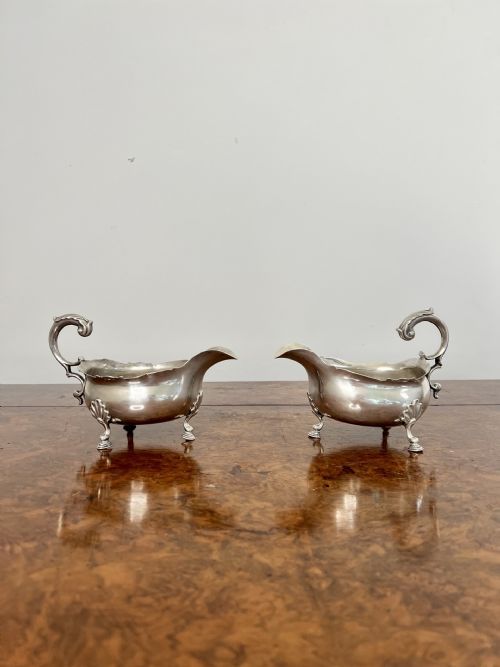


Georgian Sterling Silver Shell
Georgian sterling silver shell pieces bring tangible Rococo elegance to the table through butter dishes, caddy spoons and vinaigrettes.
Georgian Sterling Silver Shell
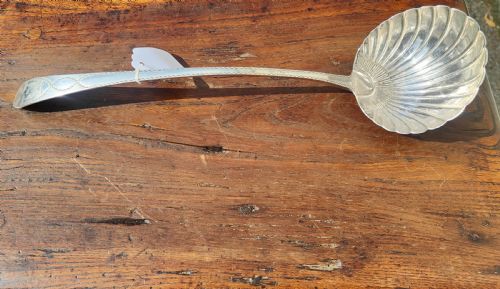
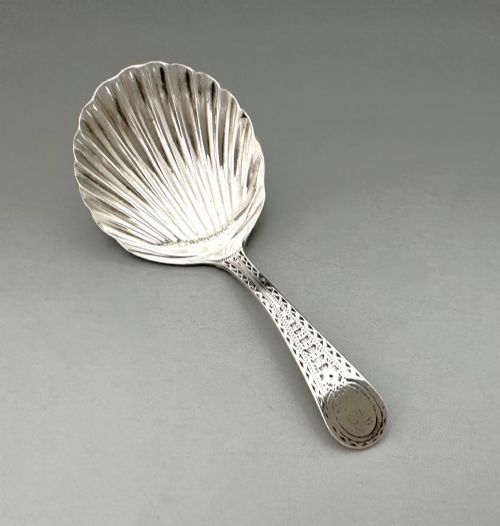
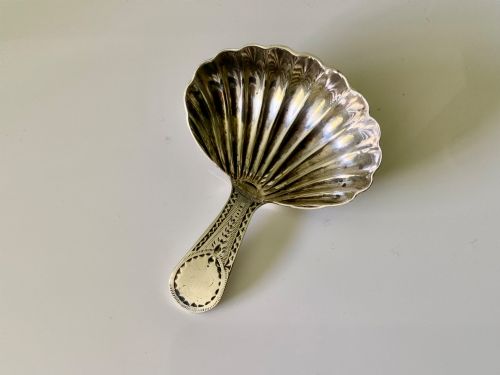
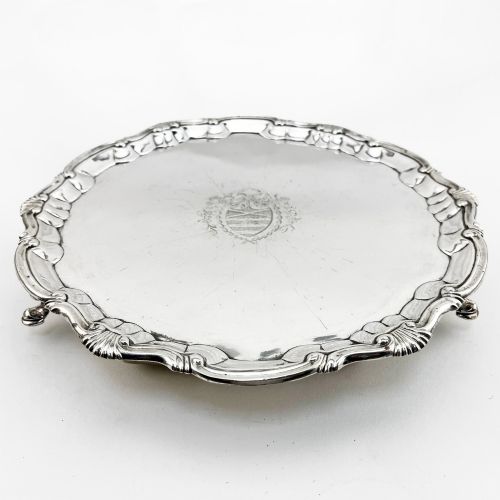
When you search for georgian sterling silver shell, you meet items designed around the scallop form, from butter dishes and salt cellars to caddy spoons and sauce boats. These utensils and vessels span the Georgian, George II, and George III periods, showing distinct Rococo influence in their scrolling edges and fluted bowls.
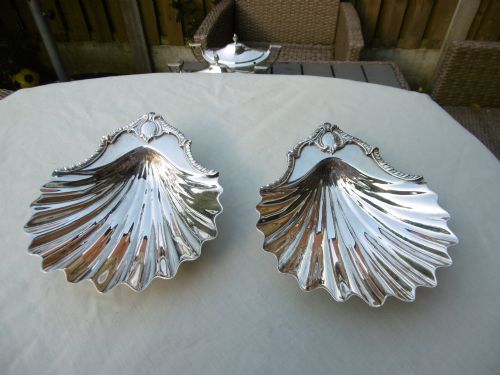
The most common forms on this page are caddy spoons and butter shells, alongside salt cellars and serving utensils. Makers utilised the natural marine motif to shape functional tableware, producing pieces that combine practical service with the decorative tastes of the eighteenth and early nineteenth centuries.
How they were made
Silversmiths worked sterling silver through casting, embossing, and piercing techniques to capture the natural ridges and curves of shell forms. Handles and bowls were frequently shaped by hand, utilising parcel-gilt highlights or engraved details to accentuate the fluted design.
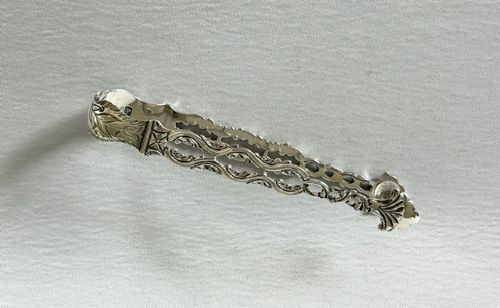
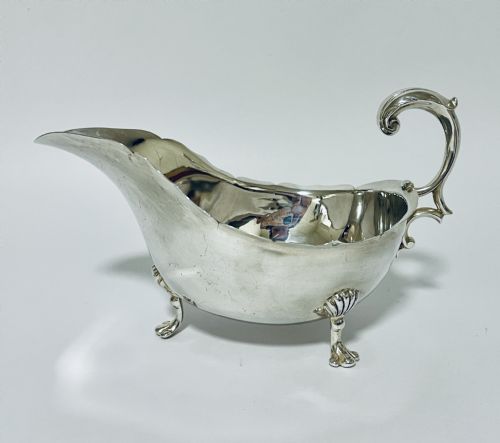
Certain objects integrate natural materials alongside silver, combining cowrie shell, tortoiseshell, leather, or velvet within vinaigrettes and boxes. Cast silver tongs and sauce boats demonstrate heavy metalworking skill, relying on soldered joints and detailed chasing to define the scallop edges.
Tea caddy spoons often mimic tiny scallop shells so well that one almost expects them to whisper of the sea.
What varies in quality
The distinction between items rests on the crispness of the chasing and the weight of the sterling silver. Pieces with deeply embossed shell ribs and well-defined cast handles display superior craftsmanship compared to simpler, flatter pressings.
Makers and origin marks heavily influence standing, with London and provincial English or Irish hallmarks adding distinct provenance. The integration of organic materials like cowrie shell alongside solid silver also separates standard tableware from more intricate personal accessories.
William Plummer·Edward Farrell·Paul Storr·Michael Smith·Robert Garrard
The Georgian Sterling Silver Shell Glossary
- Sterling silver
- A silver alloy containing 92.5 percent pure silver by mass and 7.5 percent other metals, usually copper, ensuring durability for tableware.
- Caddy spoon
- A short-handled spoon designed for measuring tea leaves from a caddy, frequently fashioned with a shell-shaped bowl during the Georgian era.
- Butter shell
- A small dish modelled on a scallop shell, utilised for serving butter at the dining table.
- Vinaigrette
- A small ornamental box containing a sponge soaked in aromatic vinegar, often mounted with a cowrie shell lid.
- Sauce boat
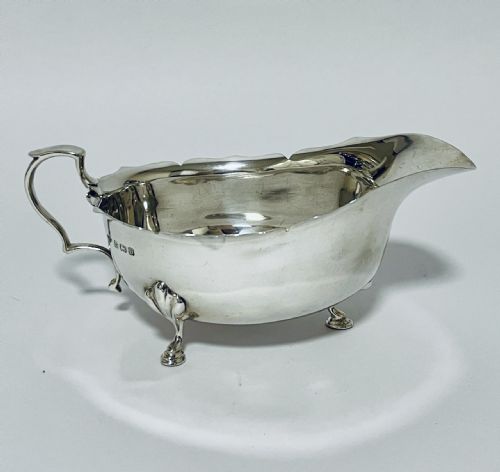
- An open vessel with a lip for pouring gravy or sauce, commonly supported on three feet in Georgian designs.
Georgian Sterling Silver Shell: Frequently Asked Questions
What is a caddy spoon?
A caddy spoon is a small utensil created specifically to scoop dry tea leaves from a storage canister into a teapot. Their bowls often took the shape of scallop shells to match the tea equipage.
These pieces feature short, engraved handles designed for easy handling inside small containers and represent a distinct category of Georgian silver production.
How do you date Georgian silver?
Dating Georgian silver relies upon standard English hallmarking systems stamped directly onto the metal. These small marks identify the assay office, the standard of silver, and a specific date letter corresponding to the year of manufacture.
Makers' marks also appear alongside the date stamps, allowing collectors to trace items back to specific silversmiths working in London, Dublin, Newcastle, and other centres.
What are sugar nips?
Sugar nips are spring-action tongs used to break off and lift small pieces of sugar from a loaf before the widespread availability of refined sugar cubes. Their handles often terminate in shell or claw grips.
These early tools preceded modern sugar tongs and reflect the domestic tea-drinking habits of the mid eighteenth century.
Are these pieces dishwasher safe?
Antique sterling silver requires hand washing with warm water and mild soap to preserve its finish and historical patina. Modern dishwashers use harsh detergents and abrasive heat that damage fragile engraved details and soldered joints.
Proper drying with a soft cloth prevents water spotting and maintains the lustre of the metal over years of careful use.