



Silver Butter Server
A silver butter server brings tactile dining history to the table, combining functional metalwork with period glass and fitted cases.
Silver Butter Server
A silver butter server encompasses covered dishes, knives, and scoops designed for table service, frequently appearing alongside matching glass liners. The forms span Victorian and Edwardian periods, stretching into Art Deco items from around nineteen twenty.
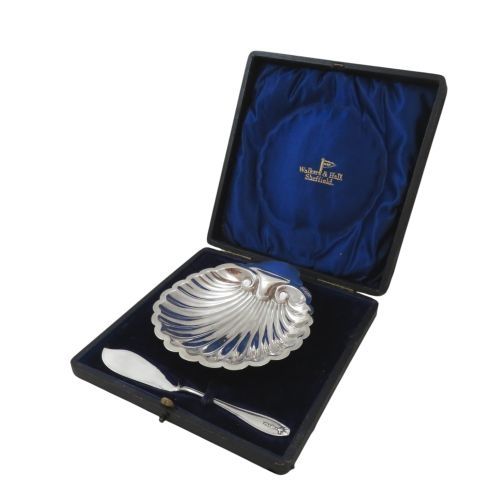
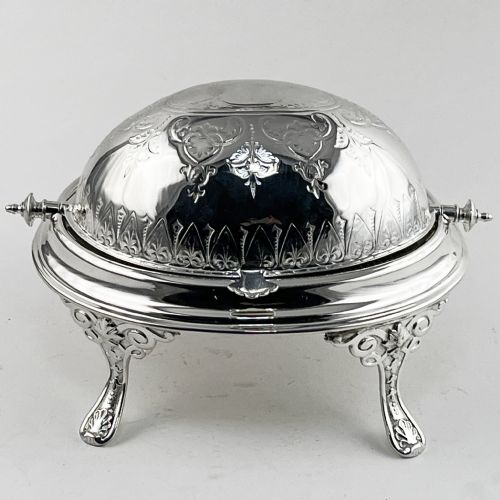
Buyers frequently encounter cased sets alongside standalone pieces featuring pierced metalwork or revolving lids. Materials extend beyond metal to incorporate mother-of-pearl handles and fitted velvet or silk interiors.
Origin points range from London and Sheffield workshops to American sterling productions and continental styles. Tableware categories shift between dedicated butter dishes and broader serveware classifications.
Materials and construction
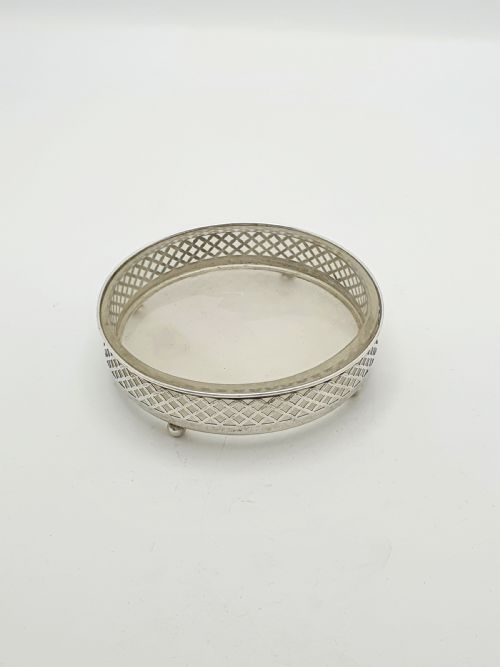
The primary structures combine sterling silver or silver plate with blown and moulded glass liners designed to protect the metal from dairy fats. Electroplated nickel silver also appears as a durable base for plated wares.
Detailing often involves piercing techniques for the metal bodies, alongside mother-of-pearl grips fitted to serving knives and scoops. Fitted presentation cases integrate leather exteriors lined with silk and velvet.
Materials appearing across the inventory include sterling silver, silver plate, glass, mother-of-pearl, leather, silk, and velvet.
Judging quality and execution
Quality rests in the crispness of pierced decorative motifs and the precise fit of glass liners within their metal frames. Substantial gauge silver and robust hinging on revolving lids distinguish finer examples.
The presence of original fitted cases with intact silk and velvet linings elevates the standing of an item. Matching cutlery sets and clear hallmarks provide additional indicators of workshop origin.
The Goldsmiths & Silversmiths
The Silver Butter Server Glossary
- Sterling silver
- A silver alloy containing ninety-two point five percent pure silver by mass, valued for durability in tableware. It carries official assay marks.
- Silver plate
- A layer of silver fused to a base metal core, offering the appearance of solid silver at a different cost. Electroplated nickel silver is a common variant.
- Glass liner
- A removable insert fitted inside a metal butter dish to hold the spreadable dairy. This protects the silver from corrosion.
- Pierced work
- Metal perforated with decorative patterns using saws or punches. This technique lightened the visual weight of serving dishes.
- Revolving lid
- A dome-shaped cover that rotates on a central axis to open the dish. It allows access to the contents while remaining attached to the frame.
Silver Butter Server: Frequently Asked Questions
What is a silver butter server?
A silver butter server is a tableware piece designed for presenting and portioning butter at the dining table. These items typically include a dish with a glass liner, a cover, and a dedicated knife.
They emerged in various forms across the Victorian and Edwardian eras, often supplied in fitted presentation cases for gifting or storage.
Are glass liners original?
Original glass liners fit snugly into the contours of the metal frame without excessive movement. They often feature hand-cut or pressed patterns appropriate to the period of the outer dish.
Replacements generally lack the precise fit and glass characteristics of nineteenth and early twentieth-century production methods.
How were cased sets used?
Cased sets served primarily as wedding gifts or high-end household acquisitions for formal dining tables. The velvet and silk interiors protected the metalwork and glass components when not in active use.
Such presentation boxes indicate pieces intended for special occasions rather than everyday pantry storage.