
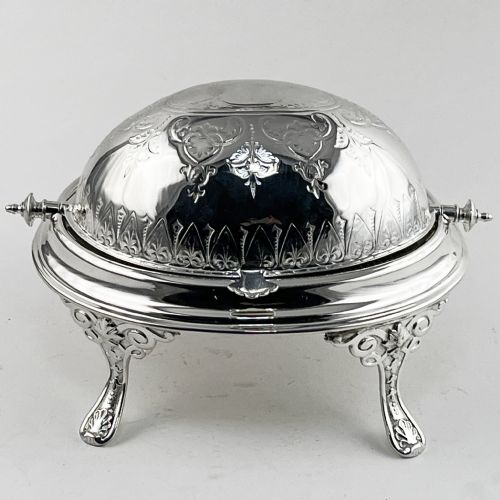


Antique Butter Keeper
An antique butter keeper brings Victorian and Edwardian dining tables to life with practical elegance and charm.
Antique Butter Keeper
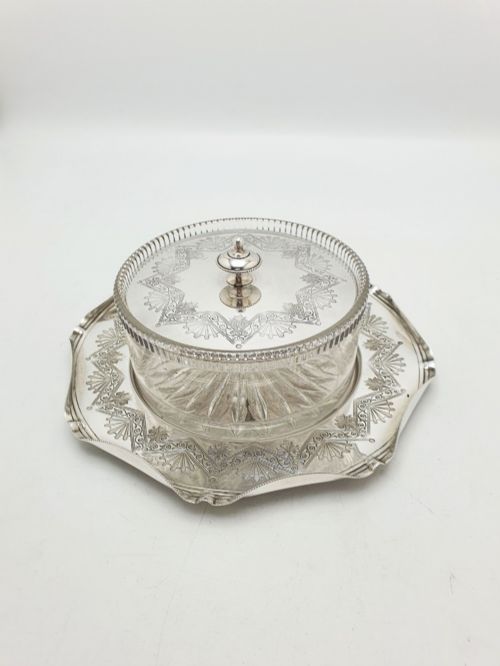
When you search for an antique butter keeper, you are looking at nineteenth and early twentieth century serveware designed to store and present butter or cheese at the table. These domestic pieces appear in forms spanning the Victorian and Edwardian eras, encompassing both individual butter dishes and larger cheese dishes.
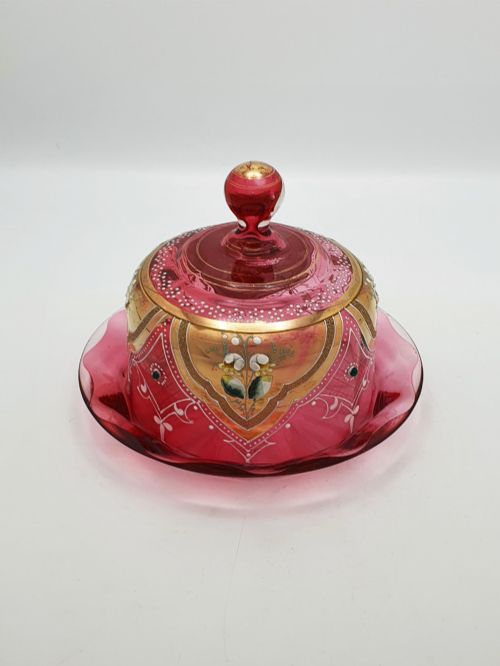
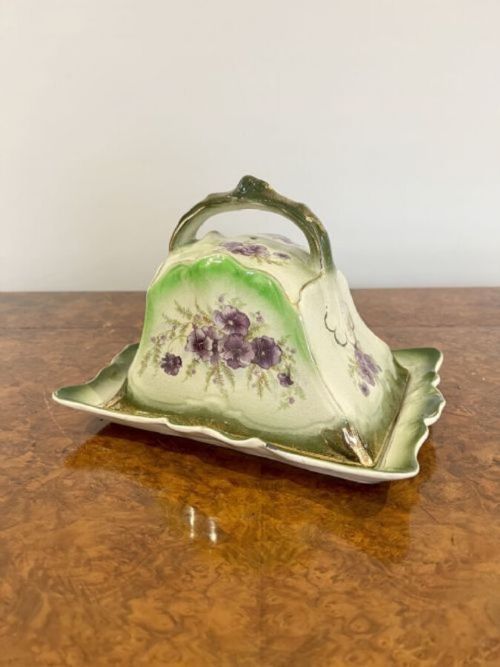
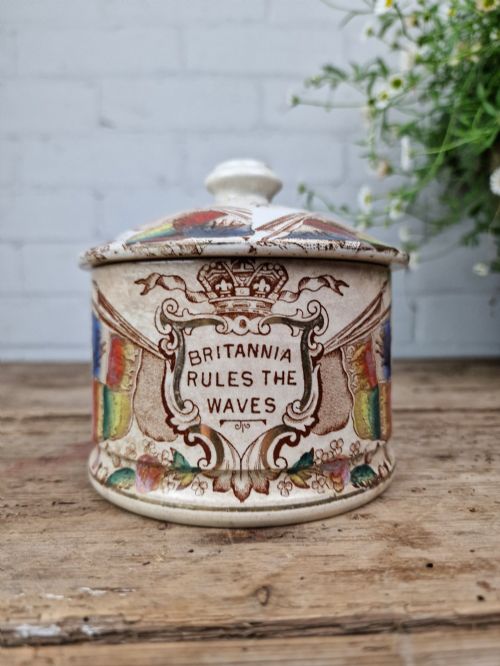
You are most likely to meet silver plated designs featuring removable glass liners, alongside ceramic, majolica, and cranberry glass covered dishes. Originating from periods like 1850 through to 1920, these tableware items reflect the refined dining customs of past households.
How they were made
Maker workshops utilised silver plate, solid silver, and gold leaf to shape the metal mounts, revolving lids, and knives of these serving dishes. Piercing and chasing techniques decorated the metal frameworks.
Glassmakers blew and cut coloured and clear glass to form liners and matching covers, while potteries moulded earthenware, porcelain, and majolica into elaborate bird forms and traditional covered dishes.
What varies in quality
The distinction between standard domestic serveware and finer pieces rests in the weight of the metal, the crispness of the glass cutting, and the hand-painted detail on the ceramics. Heavier silver plate and intricate porcelain mouldings indicate superior workshop production.
Preservation of fragile glass liners and intact enamel or gold leaf decoration elevates the standing of a piece within its period and style.
Kuznetsov
The Antique Butter Keeper Glossary
- Glass liner
- A removable glass insert that sits inside a metal frame to hold the butter safely. It protects the silver plate from the salt content in dairy.
- Cranberry glass
- A rich red-pink glass coloured with gold chloride during melting. It was widely utilised for decorative Victorian tableware.
- Majolica
- A type of earthenware coated with an opaque tin glaze and painted with vibrant metallic oxide colours. It often takes naturalistic animal or plant forms.
- Revolving lidded dish
- A clever mechanical design where the cover rolls back on a pivot into the base. This allowed easy access to the butter during breakfast.
Antique Butter Keeper: Frequently Asked Questions
What is an antique butter keeper?
An antique butter keeper is a covered dish made to store and serve butter on the dining table. These items date from the Victorian and Edwardian periods.
They combine materials such as silver plate, glass, and ceramics to keep dairy cool and protected before refrigeration.
How were butter dishes used?
These dishes held butter during formal breakfasts and afternoon teas in middle and upper-class homes. Servants brought them to the table ready for guests to help themselves.
Revolving lids and matching knives made spreading butter clean and straightforward during the meal.
How do I clean an antique butter keeper?
Wash glass liners and ceramic bases gently in warm soapy water with a soft cloth. Avoid harsh scrubbing brushes that can scratch old surfaces.
Polish silver plate sparingly using a dedicated cloth to preserve the underlying metal without wearing away the plating.
Can I use an antique butter keeper today?
These dishes remain entirely functional for everyday dining or special occasions. Standard butter blocks fit neatly inside most historical glass liners.
Careful handling ensures these nineteenth-century tableware items continue serving modern households.
How do I date an antique butter dish?
Dating relies on stylistic clues, manufacturing materials, and maker marks stamped into the metal or ceramic bases. Victorian pieces often feature heavy silver plating and ornate decoration.
Edwardian and later items tend towards simpler forms or specific glass types like cranberry glass.