


Silver Glass Butter Dish
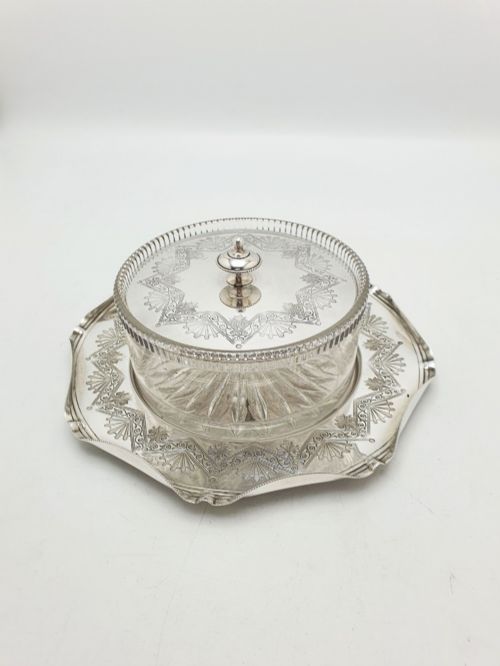
A silver glass butter dish combines metalwork and glass to serve the table, prized for period dining elegance.
Silver Glass Butter Dish
A silver glass butter dish sits on the dining table as a functional container, pairing a fitted glass insert with a decorative metal frame or lid. When searching this phrase, a buyer encounters pieces originating from the Victorian and Edwardian eras through to the Art Deco and Mid-Century periods.
The version most commonly met on this page is the silver plated form with a removable cut glass or frosted glass liner, often accompanied by a matching knife. Pieces range from simple circular designs to figural creations shaped like cows, swans, horseshoes, or scallop shells.
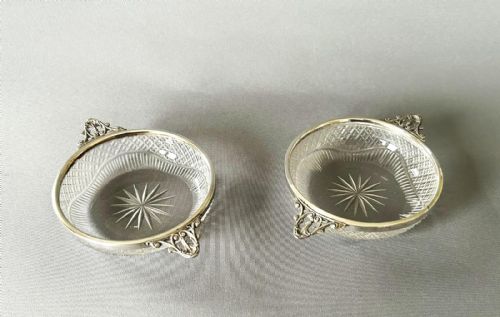
Originating primarily from British workshops, these serveware items also appear in sterling silver and American or French variations. Alongside butter dishes, related tableware includes preserve dishes, jam pots, and bonbon dishes sharing the same dual-material construction.
How They Were Made
Makers combined silver, sterling silver, or silver plate with blown and moulded glass, utilising techniques such as deep cutting, frosting, or adding colour pigments like cobalt blue and vaseline. Metal mounts were frequently pierced, cast with floral or fern motifs, or shaped into figural finials.
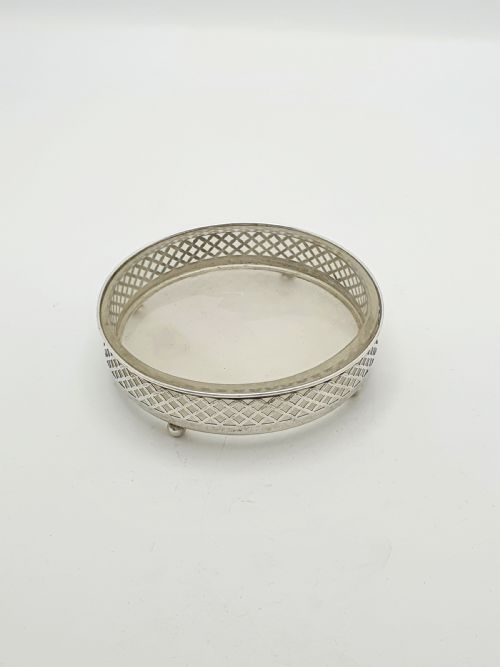
Liners were blown to fit precisely inside the metal frameworks, which provided structural support and decorative handles. Silver plating techniques applied a layer of silver over base metals, while sterling pieces bore hallmarks indicating assay offices and dates.
Early dining tables featured silver cows acting as butter dish lids, allowing startled cows to guard the dairy.
What Varies in Quality
Quality rests upon the crispness of the glass cutting, the weight and thickness of the silver or silver plate, and the integrity of the original glass liner. Pieces featuring figural elements or hand-pierced silver frames indicate higher craftsmanship.
The presence of matching original knives, intact maker marks, and well-preserved plating distinguish finer examples from standard production items.
ADIE BROTHERS·EDWARD SOUTER BARNSLEY·MAPPIN & WEBB·WALKER & HALL
The Silver Glass Butter Dish Glossary
- Silver Plate
- A base metal coated with a thin layer of silver. This technique allowed Victorian manufacturers to produce ornate tableware at a lower cost than solid sterling silver.
- Cut Glass
- Glass decorated by grinding facets or patterns into the surface with a wheel. It catches the light and adds texture to the body of the dish.
- Frosted Glass
- Glass treated to achieve a matte, opaque finish. It provides a soft contrast against polished metal mounts.
- Finial
- A decorative knob or figure placed on top of a lid. Animal motifs like cows and swans frequently serve this purpose on butter dishes.
- Liner
- The removable glass vessel that sits inside the silver frame. It holds the butter and protects the metal from dairy fats.
Silver Glass Butter Dish: Frequently Asked Questions
What were silver glass butter dishes used for?
These dishes held butter on formal dining tables, keeping it cool and protected during meals. The glass liner prevented the butter from touching the metal directly.
Over time, their use expanded to include serving preserves, jam, and caviar during breakfast and afternoon tea.
How do I clean a silver glass butter dish?
Wash the glass liner gently in warm soapy water using a soft cloth. Avoid harsh scourers that can scratch the surface.
Polish the silver frame with a suitable metal cloth, keeping polish away from the glass to preserve any frosted or coloured finishes.
How can I tell a Victorian dish from an Art Deco one?
Victorian pieces typically feature ornate pierced metalwork, floral engravings, and deep cut glass. Animal finials and horseshoe shapes are common in this period.
Art Deco items present geometric lines, simplified forms, and smoother vaseline or frosted glass liners reflecting 1930s design trends.
Are replacement glass liners easy to find?
Finding an exact replacement glass liner for a specific antique frame can prove challenging due to individual hand-blown dimensions. Buyers generally prefer pieces retaining their original fitted glass insert.