



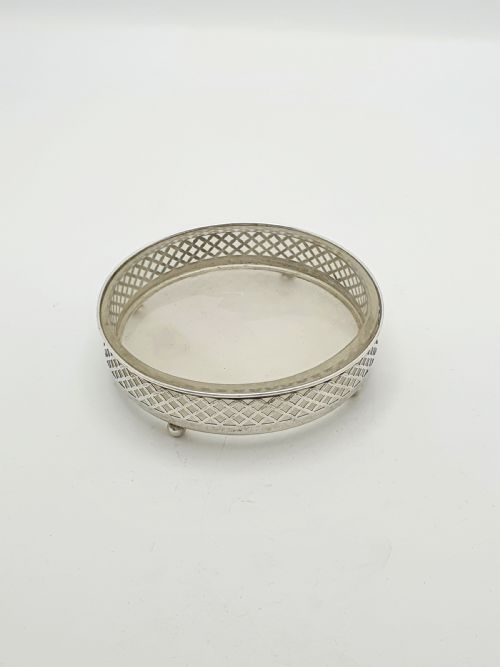
Silver Pierced Table Dish
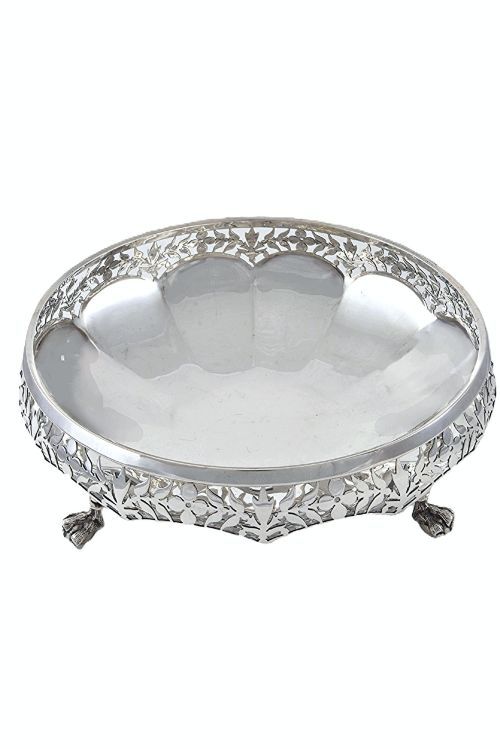
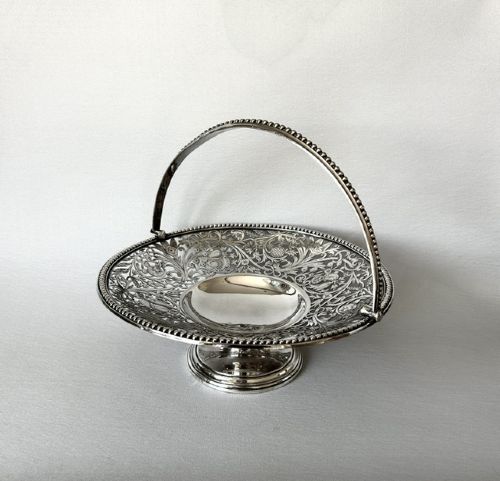
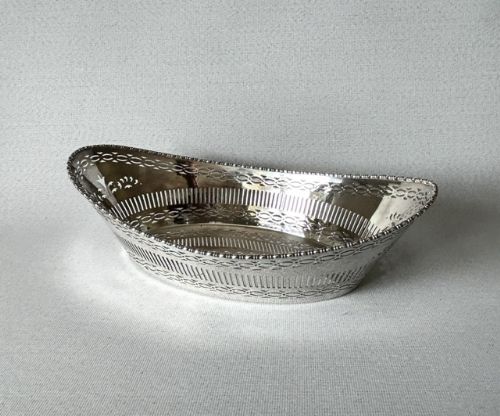
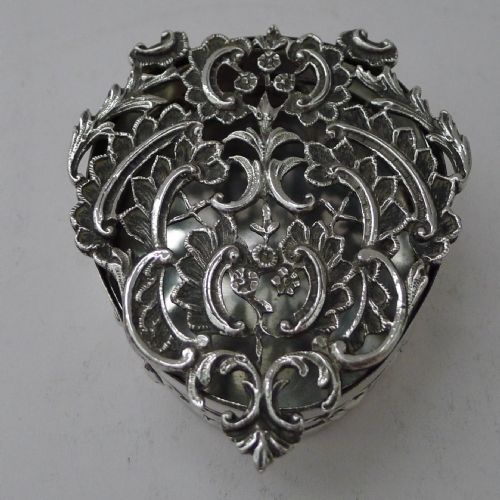
A silver pierced table dish combines openwork metalwork with functional form, offering a decorative vessel suited for serving fruit, bread, or holding glass liners.
Silver Pierced Table Dish
When buyers search for a silver pierced table dish, they encounter items ranging from sugar baskets and fruit bowls to bread dishes and butter dishes. The selections span the Victorian, Edwardian, and Art Deco periods, encompassing both sterling silver and silver plate.
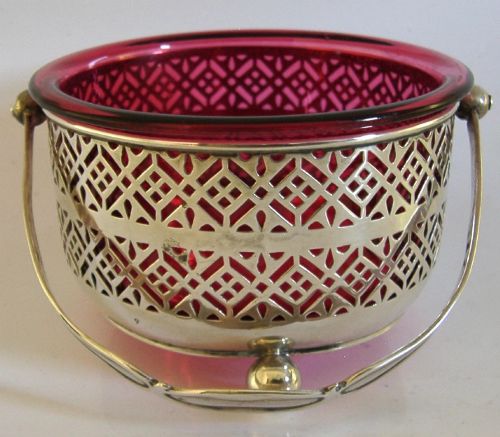
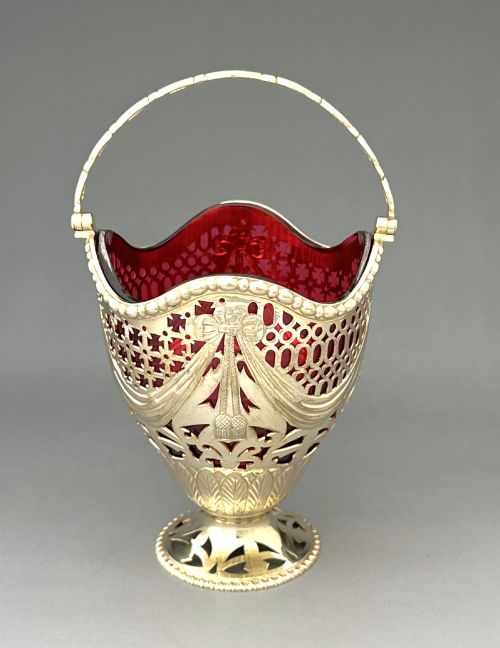
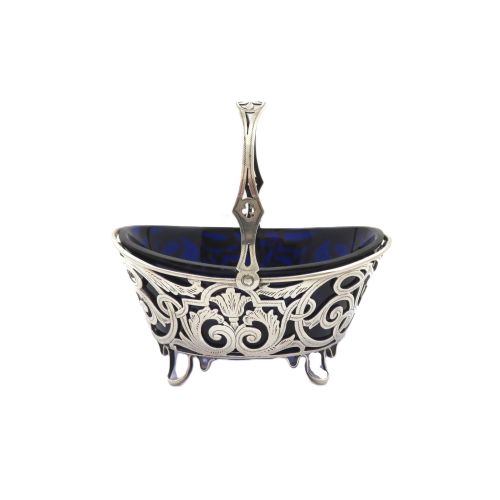
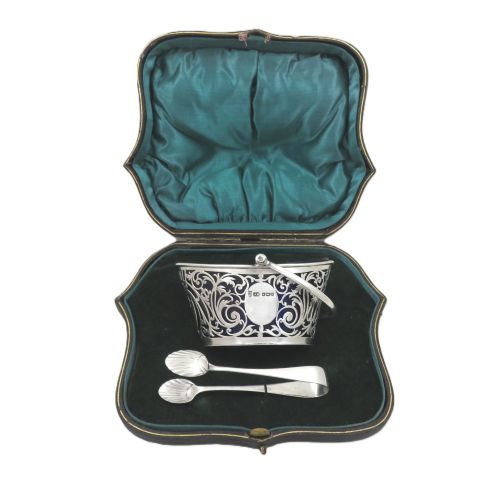
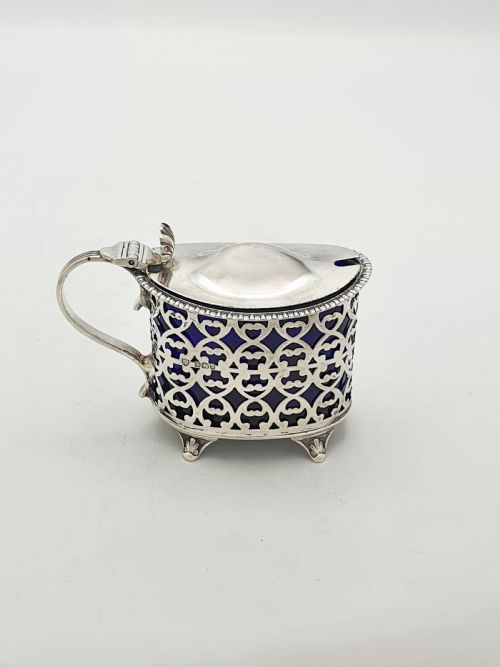
Edwardian and Victorian examples dominate the available forms, often featuring intricate lattice or pierced detailing designed to showcase coloured glass liners in cranberry, ruby, or cobalt blue. These pieces primarily function as table centrepieces, sweet stands, or serving dishes for formal dining.
How they were made
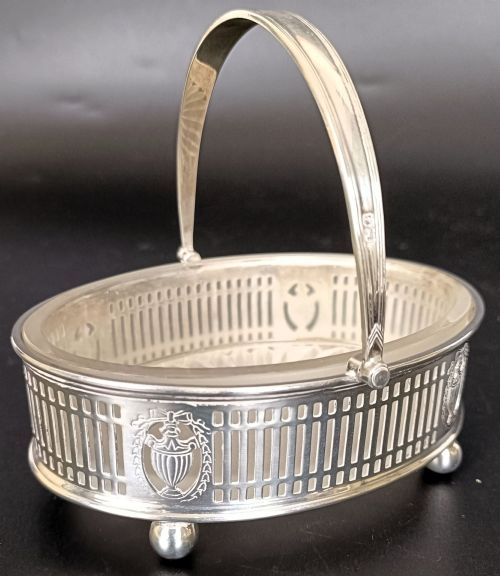
The construction relies heavily on sterling silver, silver plate, and 800 silver, shaped through piercing and lattice work to create open metal patterns. Many of these table dishes incorporate blown glass inserts, such as cranberry or cobalt blue glass liners, secured by swing handles or cast mounts.
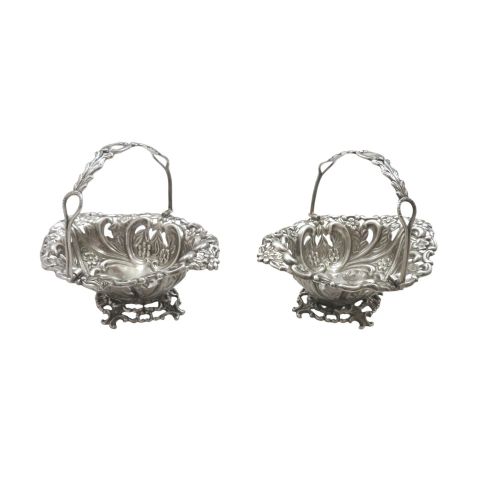
Silversmiths utilised techniques like piercing, chasing, and gilding to embellish the surfaces, occasionally pairing silver with rock crystal or EPNS bases. Handles are frequently cast with floral motifs or reeded details, attached to boat-shaped or oval bodies.
Some Victorian sugar baskets arrived at the table hiding cobalt blue glass beneath intricate floral lattice work, ready for service.
What varies in quality
The distinction between standard and superior pieces rests on the crispness of the piercing work and the weight of the silver. Hand-finished lattice patterns executed by notable makers show greater precision than mass-produced silver plate alternatives.
The presence and integrity of original coloured glass liners significantly influence the character of a piece. Substantial gauge silver and robust cast handles separate simpler utilitarian vessels from more decorative centrepieces.
William Comyns·Mappin & Webb·Elkington·Fenton Brothers·George Fox·Walker & Hall
The Silver Pierced Table Dish Glossary
- Piercing
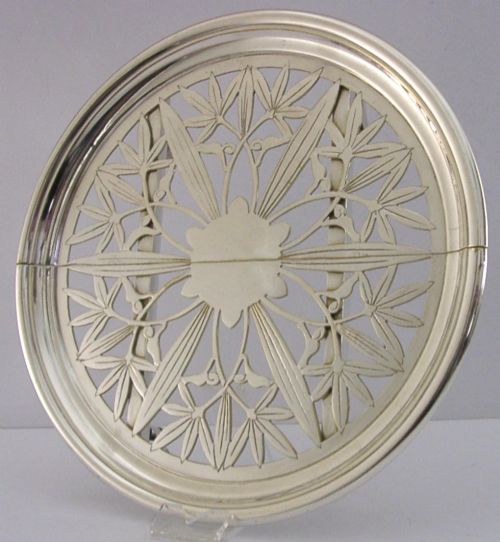
- The technique of cutting decorative patterns through sheet metal to create openwork designs. This method defines the lattice and scroll motifs seen on Edwardian baskets.
- Silver Plate
- A base metal coated with a thin layer of silver, commonly utilised for Victorian and Edwardian serving dishes. Manufacturers like Elkington and Christofle produced substantial plated wares.
- Swing Handle
- A movable arched handle attached to the sides of a basket or dish by pivots. It allows the vessel to be easily lifted or tilted during service.
- Liner
- A removable glass vessel, often in cobalt blue or cranberry glass, placed inside an openwork silver frame. It protects the metal from moisture and acidic foods.
- Bon Bon Dish
- A small open vessel specifically designed for holding sweets, small pastries, or confectionery. These often feature delicate pierced galleries and swing handles.
Silver Pierced Table Dish: Frequently Asked Questions
How do I clean silver pierced dishes?
Cleaning requires warm soapy water and a soft cloth to remove dust from the intricate pierced gaps without scratching the surface. Harsh dips should be avoided, especially on silver-plated items or pieces with silver gilt finishes.
Glass liners can be removed and washed separately before being placed back into the metal frame.
Are these dishes safe for food?
Most solid silver and silver-plated table dishes were originally designed for serving food items such as bread, fruit, or bon bons. When used with the original glass liners, they safely contain edibles without direct contact with the metal.
Modern use generally involves dry goods or pre-prepared foods placed within the protective glass inserts.
How can I date a silver dish?
Dating relies heavily on hallmarks stamped into the silver, which indicate the assay office, the year of production, and the maker's mark. Stylistic indicators, such as Edwardian lattice work or Art Deco geometric lines, provide additional chronological context when hallmarks are absent or worn.