

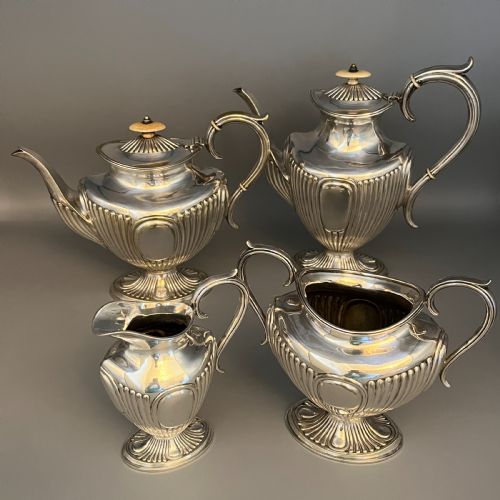
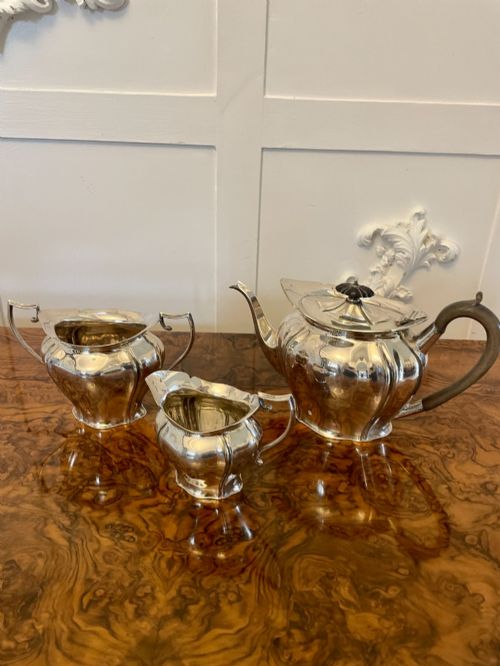
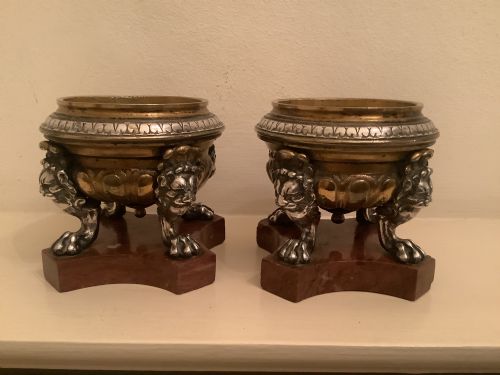
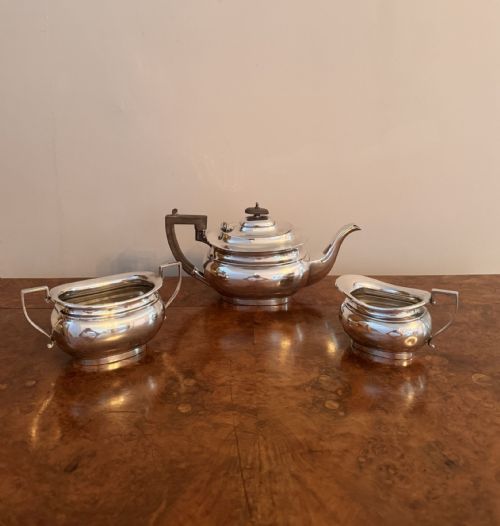
Antique Silver Plate Bowl
An antique silver plate bowl brings domestic dining history to life through practical metalwork, coloured glass liners and oak mounts spanning the Georgian era to Art Deco.
Antique Silver Plate Bowl
The term antique silver plate bowl encompasses a wide array of domestic vessels designed for serving fruit, salads, condiments, sugar and punch across the eighteenth, nineteenth and early twentieth centuries.
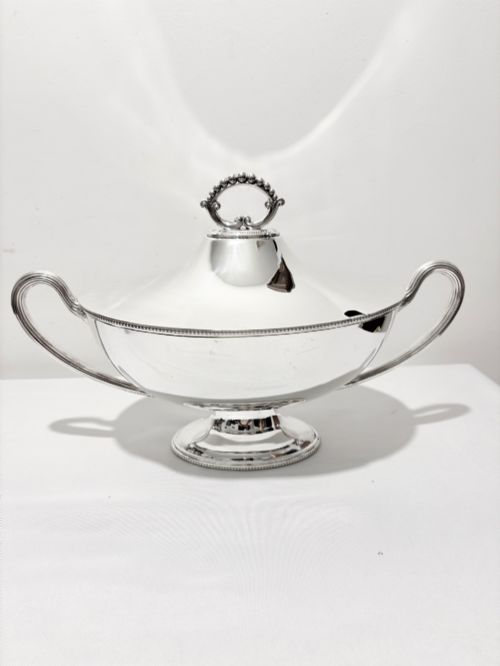
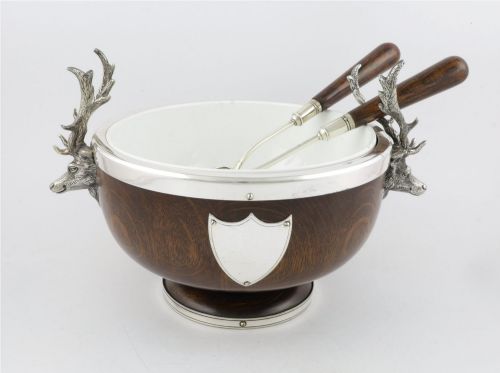
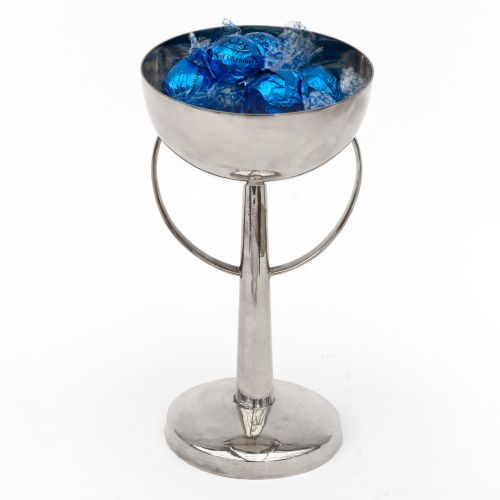
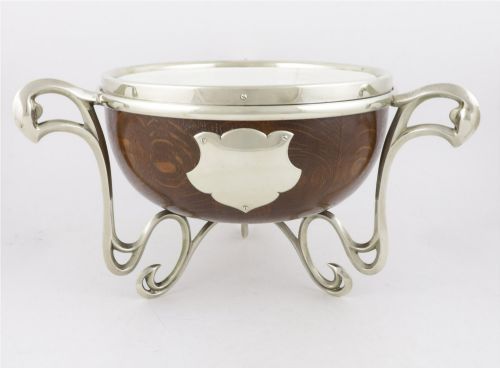
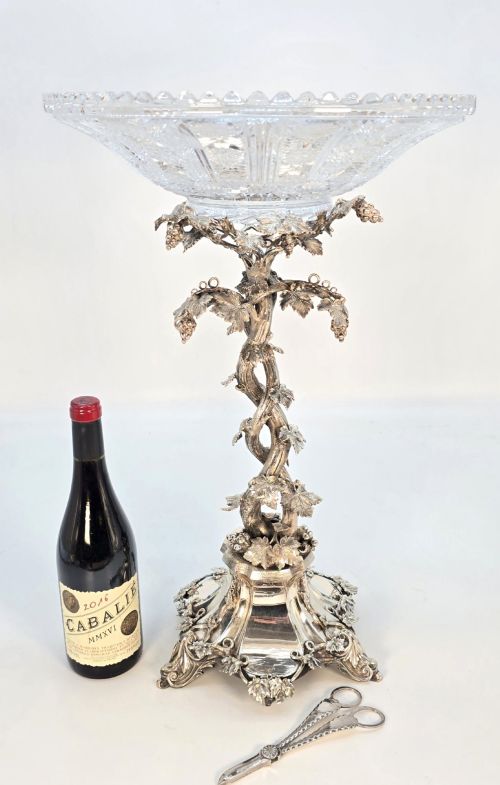
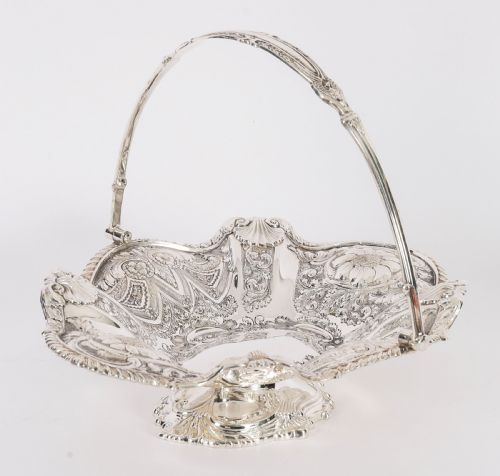
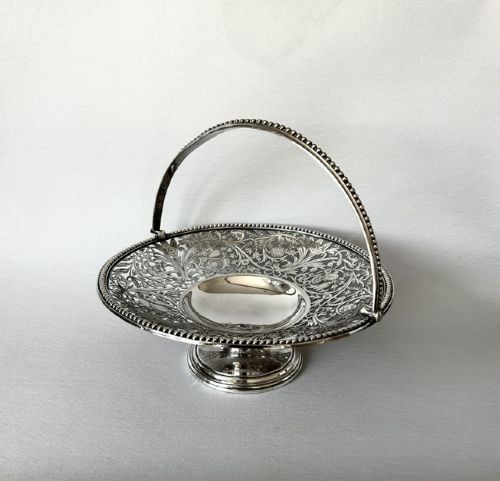
Buyers browsing this selection encounter heavy Victorian fruit baskets, Edwardian table centrepieces with glass inserts, Old Sheffield plated vessels and rustic oak salad bowls mounted with silver plated hardware.
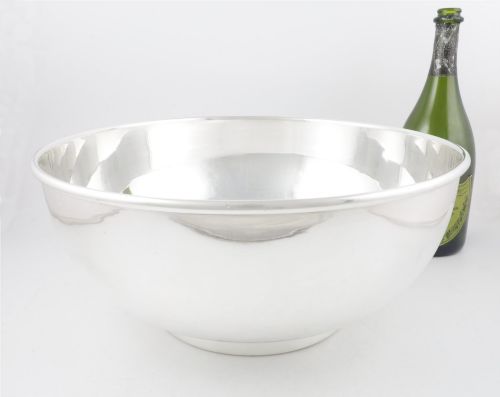
Originating largely from British workshops and continental manufacturers, these pieces range from simple sugar basins to monumental champagne coolers and Monteith bowls.
Materials and methods of manufacture
Early examples utilise Old Sheffield plate, fusing a thin layer of sterling silver onto a copper base before the widespread adoption of nineteenth century electroplated nickel silver and standard silver plate.
Many vessels incorporate contrasting elements such as cut glass, ruby glass, amber glass, vaseline glass, ceramic liners, ebonised wood or solid oak bodies.
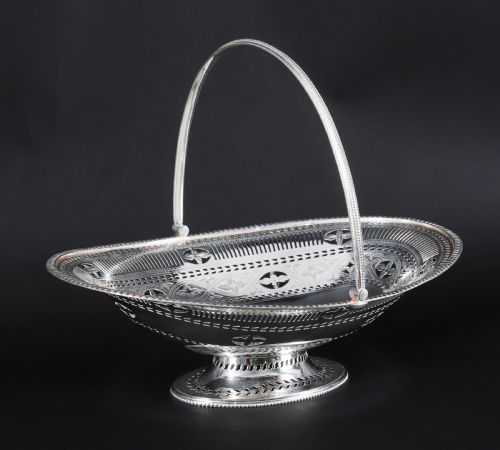
Decorative surfaces display pierced metalwork, repoussé floral rims, cast figural mounts, hand engraving and applied handles shaped like coral or antlers.
Antique Silver Plate Bowl Retail Price Guide 2026
Typical asking prices for silver plate bowl among the pieces listed under this phrase on Sellingantiques today, from the lower quarter to the upper quarter. They describe what is for sale here now, not the wider market.
Listings feature items spanning the 18th century, Victorian period, Edwardian era, 1920s and 1930s, incorporating silver plate, copper, oak, cut glass and ceramic.
Factors influencing quality and craftsmanship
Superior items exhibit crisp casting in structural mounts, substantial weight in the underlying metal base and well-balanced proportions between the silver plate and integrated glass or wood components.
The presence of original coloured glass liners, matching servers and clear maker stamps elevates a piece above standard mass-produced domestic wares.
Execution of decorative styles, from restrained Neo-Classical pierced borders to sweeping Art Nouveau botanical motifs and modernist geometric lines, dictates the overall refinement of the object.
George W. Scott And Sons Ltd·Walker And Hall·Mappin And Webb·Wmf·Hukin And Heath·Thomas Bradbury·Daniel And Arter·Roberts And Belk·Fenton Brothers·W Briggs
The Antique Silver Plate Bowl Glossary
- Old Sheffield Plate
- An early method of fusing silver to a copper ingot by heat and pressure. Items made this way often reveal thin lines of copper along exposed edges.
- Electroplated Nickel Silver
- A process introduced in the nineteenth century using an electrical current to bond a layer of silver onto a nickel alloy base. This technique largely superseded earlier plating methods.
- Monteith Bowl
- A large punch bowl featuring a removable scalloped or notched rim. The rim was traditionally used to hold wine glasses by their stems to chill them before drinking.
- Repoussé
- A metalworking technique where the design is hammered into relief from the reverse side. This creates raised ornamental patterns such as floral scrolls and fruit clusters.
- Vaseline Glass
- A type of glass coloured with uranium oxide that exhibits a distinct yellow-green hue. It glows brightly under ultraviolet light and frequently appears in Edwardian bowl liners.
Antique Silver Plate Bowl: Frequently Asked Questions
What were silver plate bowls used for?
These vessels served various functions at the dining table, ranging from holding fresh fruit and salads to presenting punch, champagne and sugar cubes.
Many designs included specialised glass inserts to accommodate acidic foods or liquids without tarnishing the metal plating.
How do I clean an antique silver plate bowl?
Regular maintenance requires gentle washing in warm soapy water with a soft cloth to remove dust and grease.
Abrasive dips and harsh chemical polishes should be avoided, particularly on Old Sheffield plate where excessive rubbing can expose the underlying copper base.
How can I tell Old Sheffield plate from electroplate?
Old Sheffield plate often displays subtle seams or tiny lines of pinkish copper showing through where the silver layer has worn thin over time.
Electroplated pieces usually show a uniform silvery surface and may feature nineteenth-century manufacturer stamps indicating the plating technique.
What periods do these bowls come from?
The selection spans from the late eighteenth century through the Victorian and Edwardian eras up to the 1930s Art Deco period.
Georgian and early nineteenth-century items typically employ Old Sheffield plating, while later Victorian and Edwardian pieces showcase diverse revival styles and coloured glass combinations.