



Edwardian Silver Plated Bowl
An edwardian silver plated bowl brings the domestic elegance of the early twentieth century to a table, combining substantial metalwork with functional design.
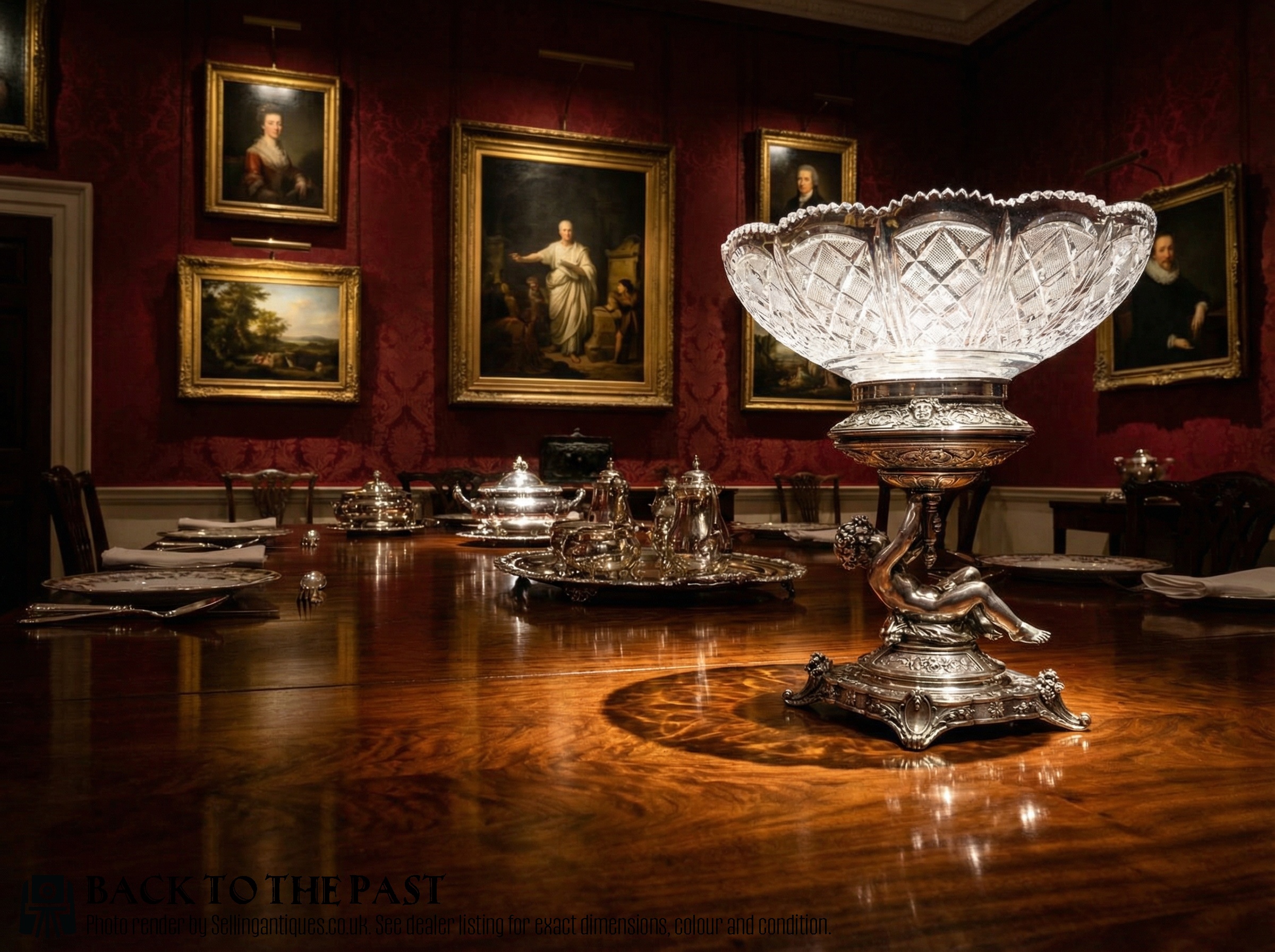
Edwardian Silver Plated Bowl
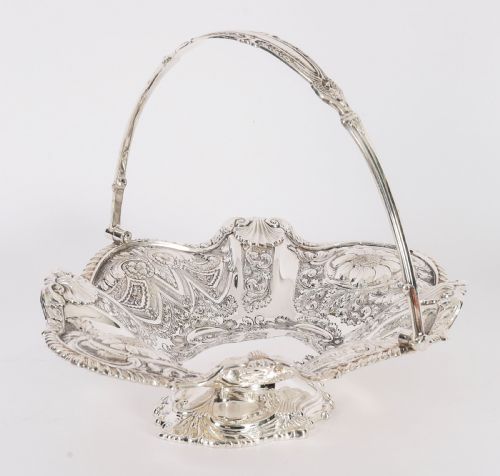
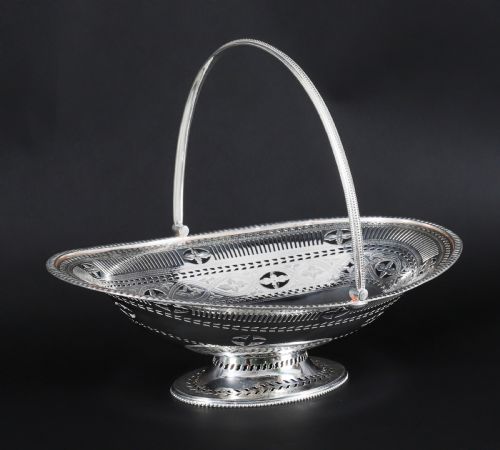
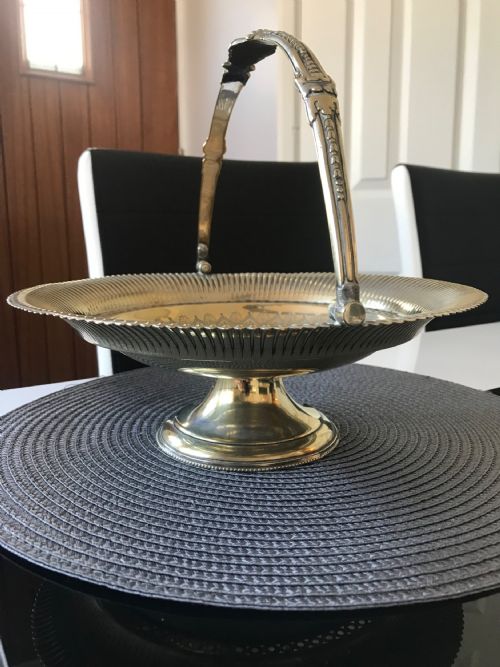
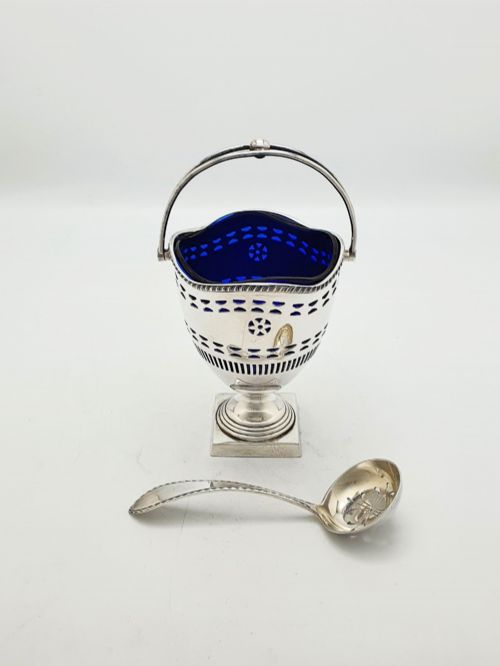
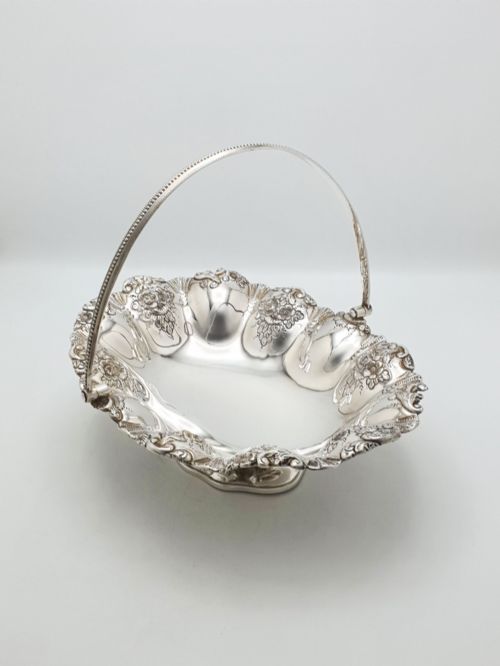
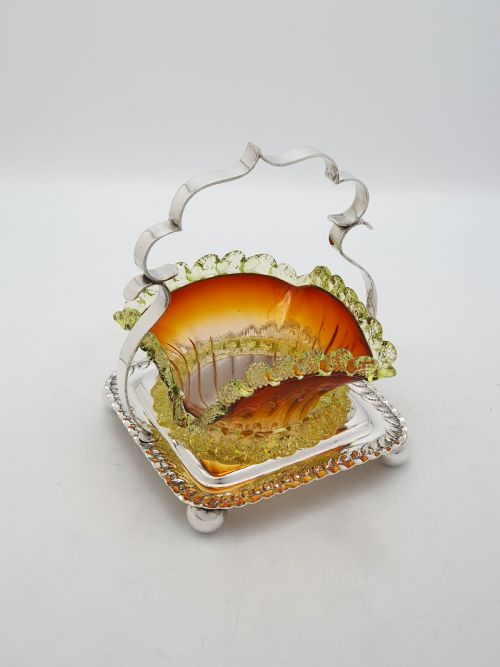
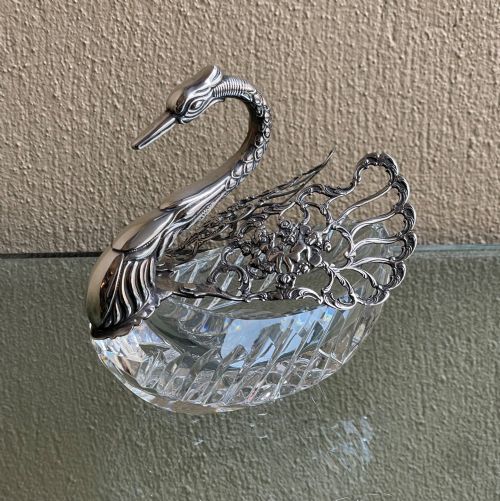
The edwardian silver plated bowl category encompasses a wide variety of serving vessels, from fruit baskets and rose bowls to elaborate punch bowls and preserve dishes. Many examples incorporate coloured glass liners, such as cobalt, ruby, amber or cranberry glass, held within pierced or repoussé metal frames.
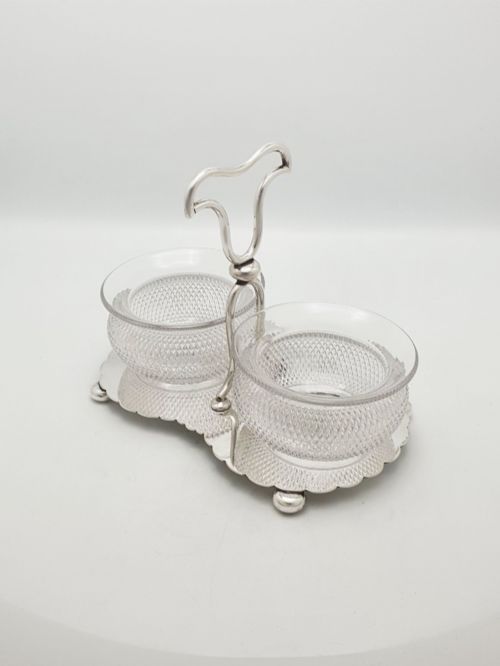
Most pieces date from the Edwardian period and the early twentieth century, though the selection also extends to Victorian and later twentieth-century iterations. Forms range from swing-handle cake baskets and nut dishes to twin preserve bowls and large centrepieces.
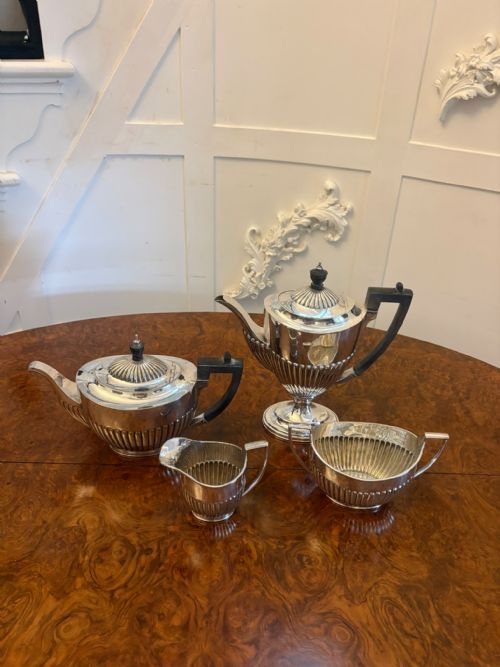
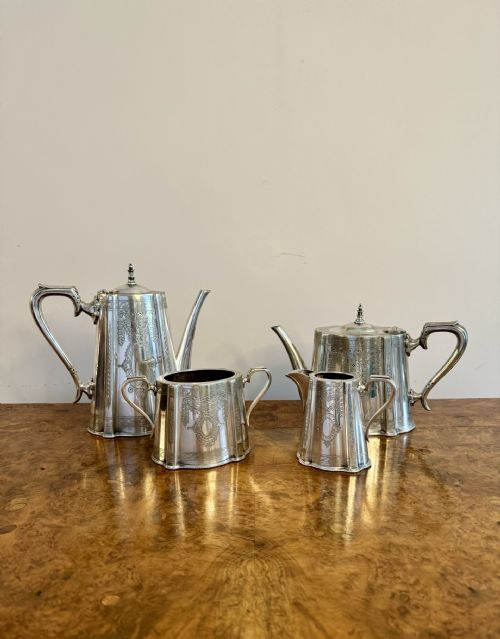
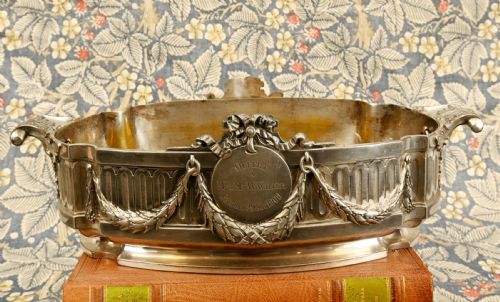
Buyers will find both standalone decorative bowls and matching components of larger tea and coffee sets. The prevailing aesthetics draw upon Edwardian, Art Nouveau and Neoclassical styles, often featuring floral motifs or classical banding.
What varies in quality
The weight and gauge of the metal foundation dictate the structural rigidity of the bowl and its resistance to denting over time. Thicker electroplating ensures the silver layer remains intact through decades of cleaning and use.
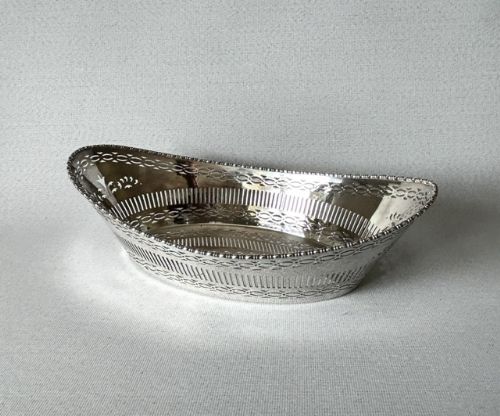
The crispness of decorative chasing, repoussé work and pierced detailing distinguishes standard utilitarian vessels from finer presentation pieces. The quality, clarity and original presence of matching glass liners also significantly influence the overall standard of a piece.
Edwardian Silver Plated Bowl Retail Price Guide 2026
Typical asking prices for edwardian silver plated bowl among the pieces listed under this phrase on Sellingantiques today, from the lower quarter to the upper quarter. They describe what is for sale here now, not the wider market.
George W. Scott and Sons Ltd·Walker and Hall·Mappin and Webb·Elkington and Co·Thomas Bradbury·Hamilton and Inches
The Edwardian Silver Plated Bowl Glossary
- Electroplated Nickel Silver
- A base alloy of copper, nickel and zinc coated with a thin layer of silver through an electrolytic process. This material served as the standard foundation for quality tableware of the era.
- Repoussé
- A metalworking technique where the artisan hammers the design from the reverse side to form raised relief patterns on the surface. It appears frequently on floral rims and decorative bowls.
- Pierced
- Metalwork perforated with decorative cut-out patterns, often designed to reveal a coloured glass liner placed within the vessel. This method lightened the visual weight of heavy serving pieces.
- Vaseline glass
- A type of glass coloured with uranium oxide that exhibits a distinct yellow-green hue and fluoresces brightly under ultraviolet light. It is often found paired with Edwardian silver plate.
- Rose bowl
- A low, wide bowl traditionally used for floating short-stemmed rose heads, frequently fitted with a removable metal mesh grid across the top.
Edwardian Silver Plated Bowl: Frequently Asked Questions
How were these bowls originally used?
These vessels served various domestic functions in Edwardian dining rooms, from holding fresh fruit and sugar lumps to presenting punch or preserves. Many were paired with glass liners to safely contain liquids and moist foods without tarnishing the metal.
Larger footed bowls acted as table centrepieces or presentation prizes, while smaller dishes accompanied afternoon tea services. Their versatile forms allowed households to utilise them across multiple dining occasions.
How do I clean silver plate?
Cleaning requires a soft microfibre cloth and a mild silver polish formulated specifically for plated items. Vigorous scrubbing must be avoided to prevent wearing away the thin silver layer over the underlying base metal.
Removable glass liners should be washed separately in warm soapy water before being dried and placed back into the frame. Storing the bowl in a dry environment helps reduce future tarnishing.
How can I tell an Edwardian piece apart from a Victorian one?
Victorian pieces often display heavier, more ornate Neoclassical ornamentation and deep embossing, reflecting mid to late nineteenth-century tastes. They tend to be heavier in hand and employ dense, formal design motifs.
Edwardian designs frequently lean towards lighter proportions, simpler pierced patterns and flowing Art Nouveau influences. Hallmarks and registration numbers stamped on the metal can also help narrow down the exact decade of manufacture.
Can I use these bowls for serving food today?
Most silver plated bowls remain suitable for serving dry foods, fruit, bread or wrapped confectionery. Items fitted with intact glass liners work well for preserves, jams and condiments.
Acidic foods should not be left in direct contact with aged silver plate for extended periods to protect the finish. Hand washing ensures the longevity of both the metal and any delicate glass inserts.