
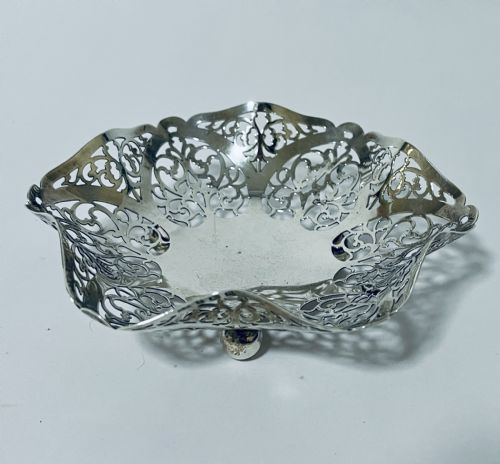


Silver Candy Dish
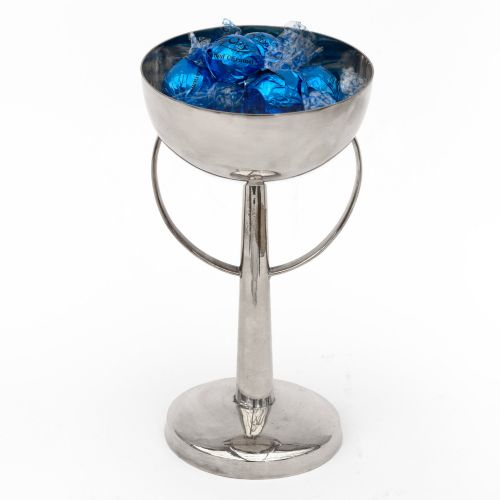
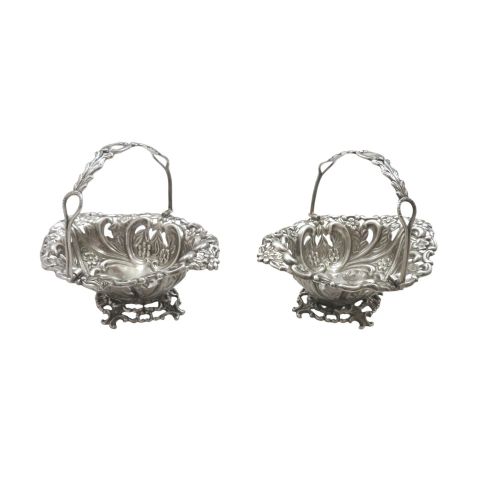
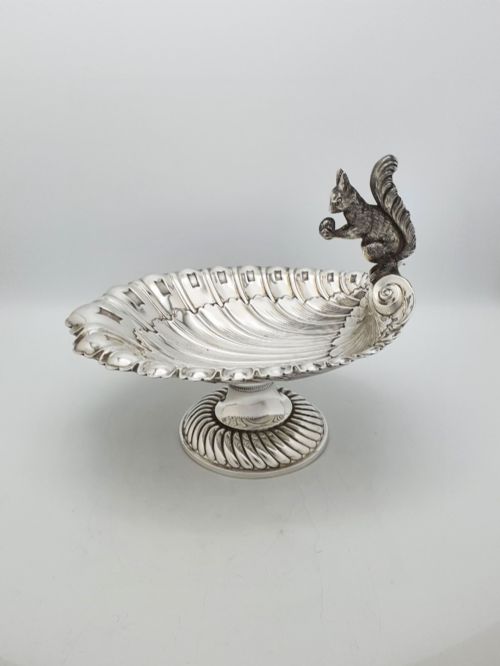
These silver candy dish examples offer a refined way to serve treats, combining period metalwork with glass bowls.
Silver Candy Dish
A silver candy dish brings traditional elegance to a table, often taking the form of an open bowl, basket or bonbon dish. When you search for a silver candy dish, you encounter items designed for sweets, nuts and preserves across several distinct eras.
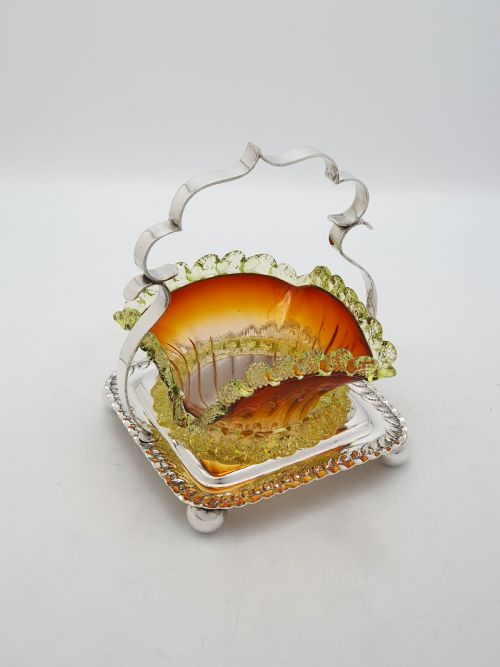
You are most likely to meet silver-plated items alongside sterling silver examples, frequently paired with amber glass, pink opaque glass or cut crystal inserts. These smaller decorative dishes served a specific social function in formal dining rooms and drawing rooms.
How they were made
Maker workshops utilised traditional silversmithing techniques alongside electroplating methods to produce these decorative vessels. Sterling silver pieces involve shaping and hammering solid metal, while silver-plated items rely on depositing a thin layer of silver over a base metal foundation.
Glass elements such as cut crystal, amber glass and pink opaque glass were manufactured separately before being fitted into pierced metal baskets or frames. Artisans employed cutting, moulding and blowing techniques to create the glass liners that sit within the metal framework.
Listings feature items from the Victorian period through to the Art Deco era, incorporating sterling silver, silver plate, cut crystal, and coloured glass.
What varies in quality
The standard of craftsmanship depends heavily on the crispness of the chased or pierced decoration on the metal body and the weight of the silver used. Heavier sterling silver pieces and substantial silver-plated items indicate a higher grade of manufacture than thin, lightweight alternatives.
The quality of associated glass inserts also dictates the overall standard, with heavy cut crystal and rich coloured glass commanding more attention than plain, thin pressed glass. Maker attribution, such as work by Mappin and Webb or WMF, adds further distinction to individual pieces.
Mappin and Webb·WMF
The Silver Candy Dish Glossary
- Sterling silver
- A silver alloy containing 92.5 percent pure silver and 7.5 percent other metals, usually copper, ensuring durability for tableware.
- Silver plate
- A base metal object coated with a thin layer of pure silver through electroplating or older mechanical methods.
- Bonbon dish
- A small open vessel specifically intended for holding sweets, bonbons or small confectioneries.
- Cut crystal
- High-clarity glass that has been hand-cut and polished with facets to reflect light brilliantly.
- Art Nouveau
- A decorative style characterised by flowing, organic lines and floral motifs, prominent around the turn of the twentieth century.
- Art Deco
- A design movement defined by geometric shapes, streamlined forms and symmetry, emerging strongly in the nineteen-twenties and thirties.
Silver Candy Dish: Frequently Asked Questions
What is a silver candy dish used for?
These vessels were originally manufactured to hold small sweets, bonbons, nuts or preserves during formal dining and afternoon tea. They sat upon sideboards or tables for guests to help themselves.
Today, they function well on a dressing table for small trinkets or as decorative accent pieces in a living space.
How do I identify a silver plate dish?
Silver-plated items generally reveal a base metal underneath where wear occurs, and they often lack the standard hallmarks associated with solid sterling silver.
Many pieces bear maker marks or stamps that denote the plating process rather than solid metal purity.
Are these dishes dishwasher safe?
These antique and vintage items require hand washing with mild soap and warm water to protect the metal finish and any glass inserts.
Harsh detergents and automatic dishwashers can strip silver plating and damage delicate glass or crystal components.
How do I date a piece?
Dating relies on identifying stylistic markers such as Victorian floral embossing, Art Nouveau curves, or Art Deco geometric lines. Maker marks and silver hallmarks also provide specific years or registration periods.
Matching the type of glass insert to the metal frame helps confirm the era of manufacture.