


Vintage Pedestal Bowl
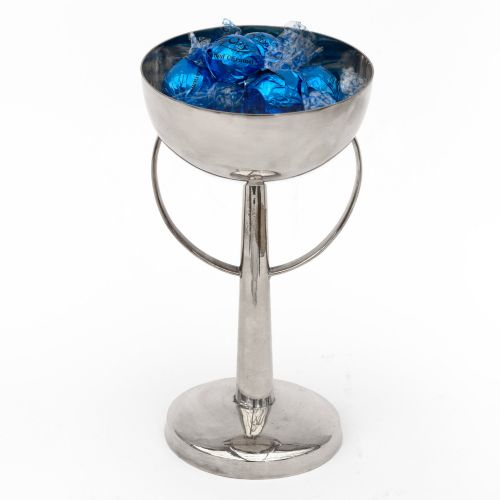
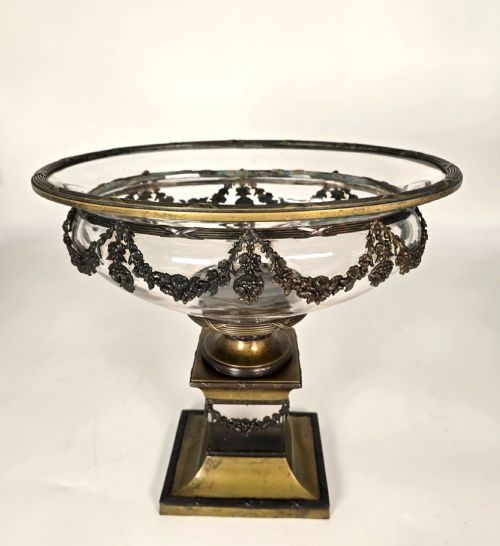
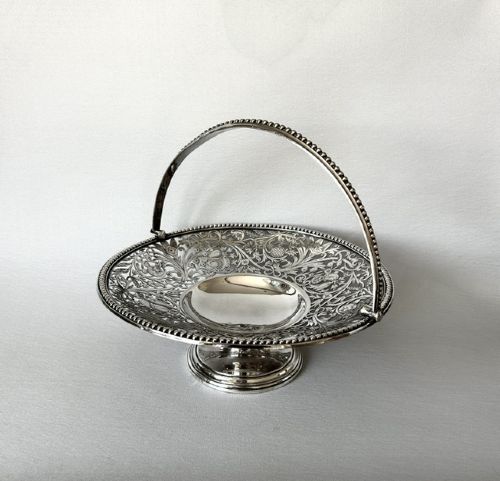
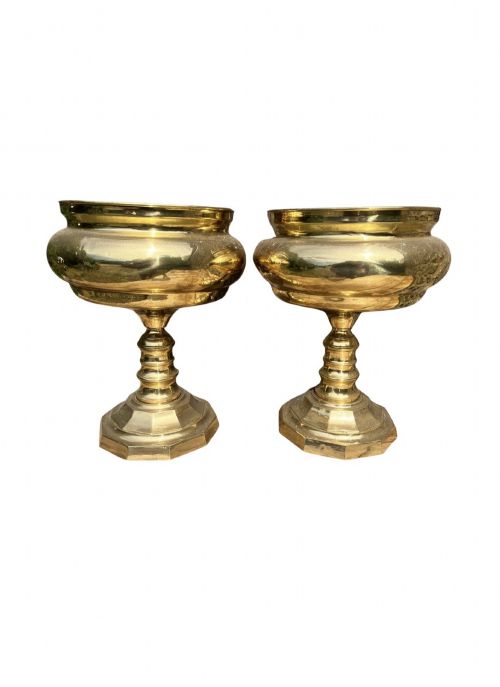
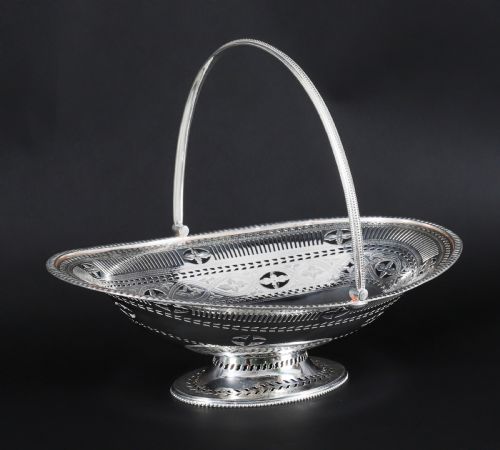
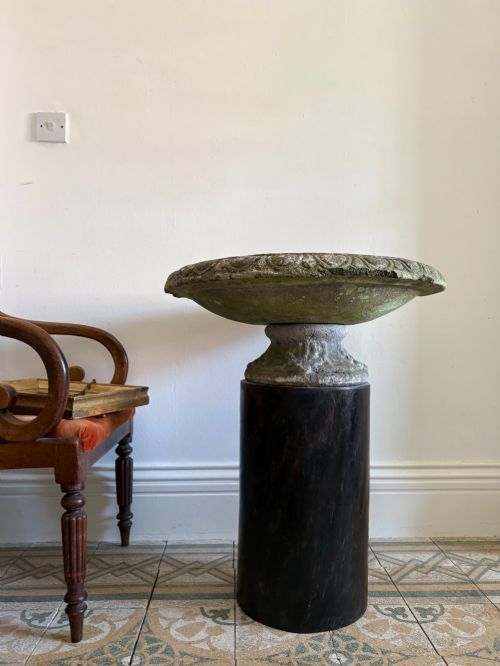
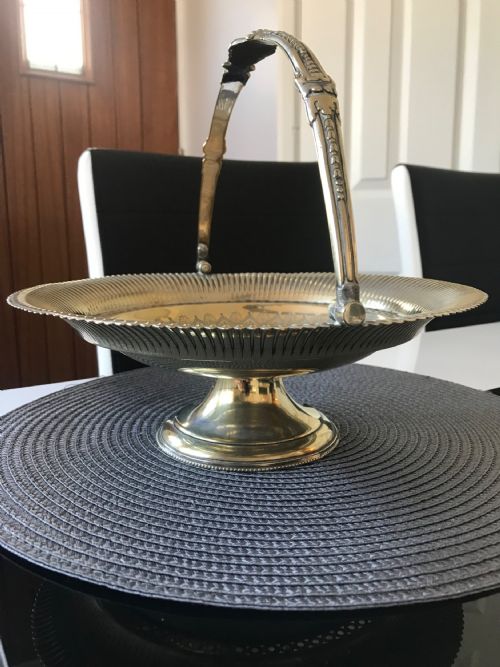
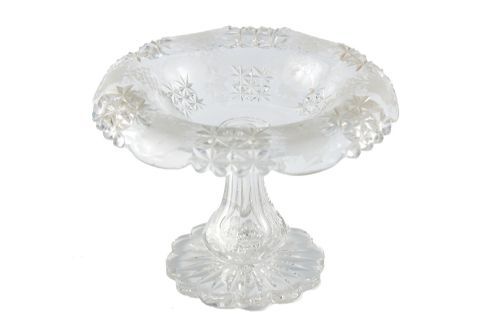
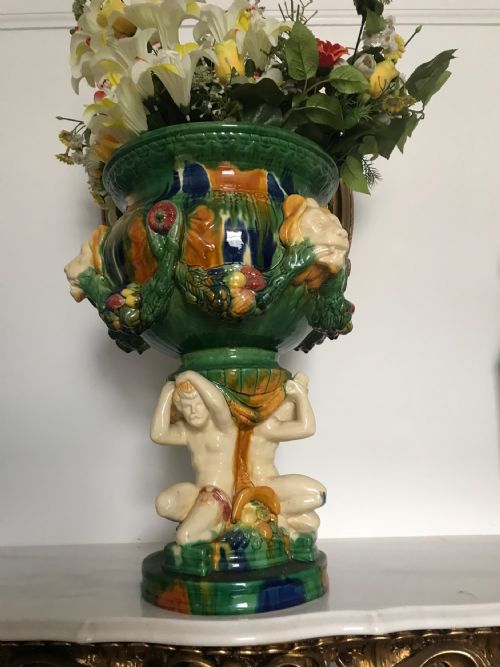
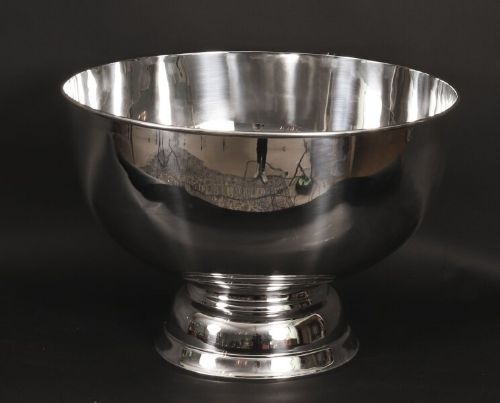
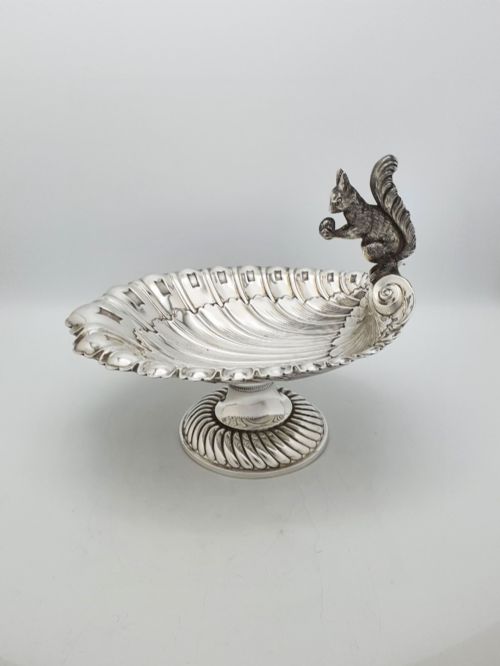
These raised vessels, known as a vintage pedestal bowl, elevate fruit, flowers, and sweets on a footed base to anchor a room.
Vintage Pedestal Bowl
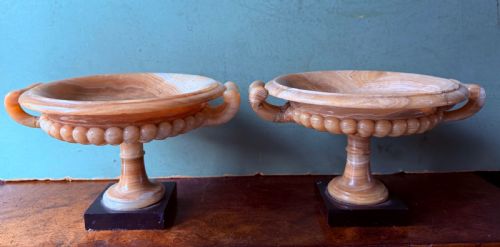
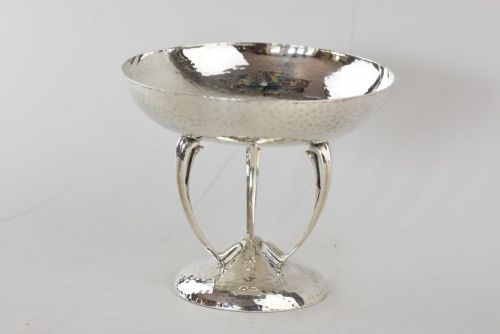
A vintage pedestal bowl takes various forms ranging from fruit baskets and centrepieces to tazze, comports, and tazzine resting on raised feet or bases.
Makers fashioned these raised vessels across the nineteenth and early twentieth centuries in styles spanning Victorian, Edwardian, Art Nouveau, Art Deco, Neoclassical, and Arts and Crafts.
The selection includes glass, cut glass, lead crystal, porcelain, majolica, ironstone, silver plate, sterling silver, brass, copper, oak, walnut, alabaster, marble, and cast stone.
Materials and construction
Metal vessels combine casting, spinning, and hand-hammering techniques, often applying silver plate or enamel onto copper, brass, or white metal cores.
Glass and ceramic pieces involve mould-blowing, cutting, etching, or turning on a lathe, supplemented by hand-painted glazes, applied transfer patterns, and fired enamel decoration.
Carved stone, alabaster, and treen items rely on skilled hand-shaping and polishing of raw blocks or timber to create distinct raised profiles.
Listings feature pedestal vessels produced across the nineteenth and early twentieth centuries, incorporating materials from cut glass and silver plate to oak and cast stone.
Assessing quality and craftsmanship
Quality rests on the crispness of the hand-chased or hammered detail, the depth of cut glass facets, and the integrity of applied mounts, handles, and figural feet.
Superior examples display balanced proportions between the bowl and its pedestal stem, alongside clean casting seams and well-preserved plating or glaze colours.
Goldsmiths and Silversmiths Company·Mappin and Webb·Graystan·WMF·Barker Ellis·Schierholz Plaue·Maling
The Vintage Pedestal Bowl Glossary
- Tazza
- A shallow bowl or plate mounted on a stem and foot. This Italian form frequently serves as a centrepiece or fruit dish.
- Compote
- An American term often interchangeable with comport, denoting a deep or shallow bowl raised on a pedestal base. They typically hold fruit or compote.
- Planishing
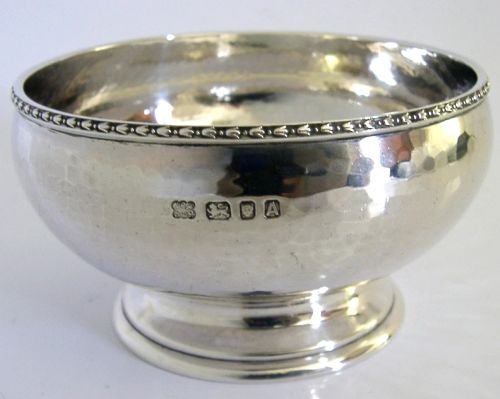
- A hammering technique used on metal bowls to finish the surface with small, controlled facet marks. It hardens the metal while creating texture.
- Treen
- Small handmade wooden household objects. These turned walnut or hardwood items display natural grain patterns from the nineteenth century.
- Majolica
- A heavy earthenware pottery coated in an opaque tin glaze and painted with brightly coloured metal oxides. German and Italian factories produced large figural centrepieces in this technique.
Vintage Pedestal Bowl: Frequently Asked Questions
What is the difference between a comport and a pedestal bowl?
Comports and pedestal bowls both feature elevated footed bases designed to display fruit or table arrangements. In practice, makers and collectors use the terms interchangeably for raised serving dishes.
Older ceramic and glass comports often have shallower profiles, while metal or wooden pedestal bowls can be deeper, but their decorative purpose remains the same.
How do I care for antique silver plated bowls?
Silver plate requires gentle cleaning with a soft cloth and a specialised non-abrasive silver polish to remove tarnish. Avoid harsh scrubbing that can wear through the thin plated layer.
Keep these vessels away from damp environments and rubber bands, which can accelerate tarnishing on the metal surface.
Can I use these bowls for serving food?
Many silver plated, glass, and ceramic pieces served originally for fruit, sweets, or dining table centrepieces. You can use them for dry foods, wrapped sweets, or whole fruit.
Avoid placing acidic foods directly onto older silver plate or unglazed ceramics for extended periods to protect the interior finish.
How do I identify the period of a pedestal bowl?
Dating relies on stylistic clues such as the flowing organic lines of Art Nouveau, the geometric symmetry of Art Deco, or the heavy ornamentation of Victorian design. Maker marks, registry numbers, and base materials also point to specific manufacturing decades.
Examining the manufacturing marks and construction techniques helps narrow down the production era from the nineteenth century into the twentieth.