



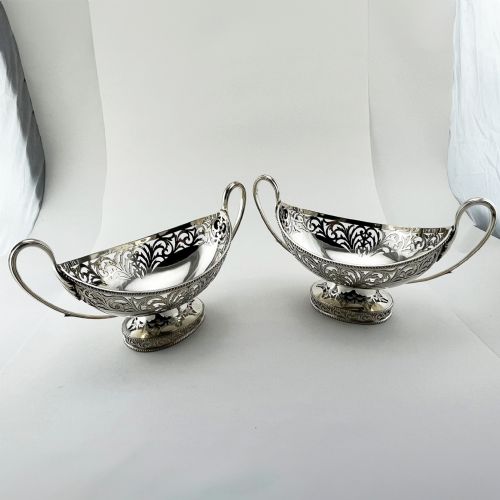
Pierced Silver Bonbon Dish
A pierced silver bonbon dish combines intricate metalwork with coloured glass or openwork silver, offering a decorative centrepiece for the table that collectors prize.
Pierced Silver Bonbon Dish
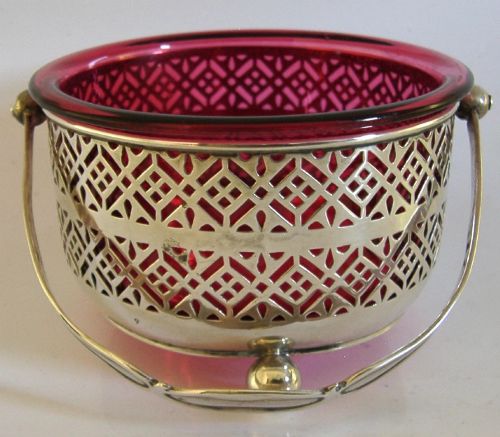
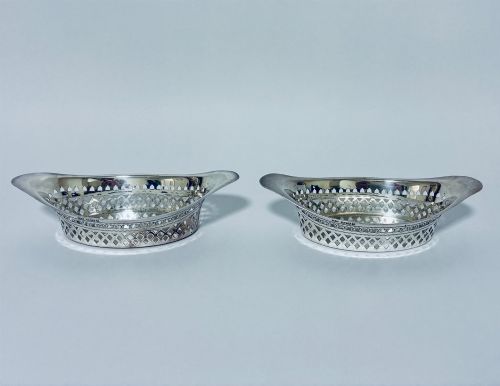
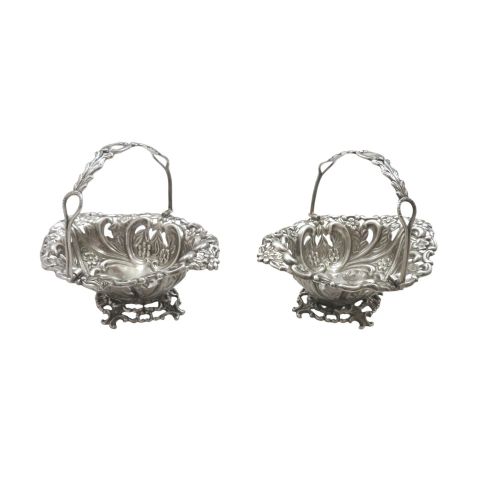
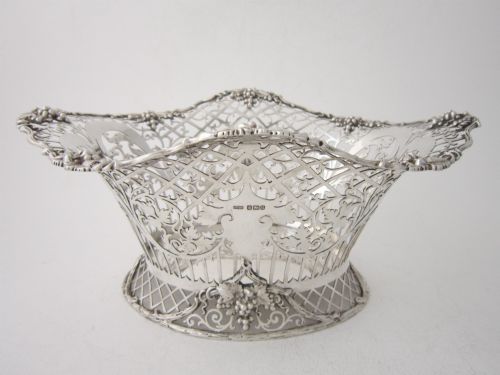
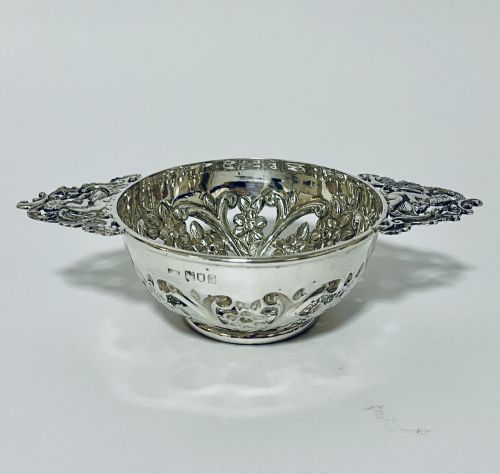
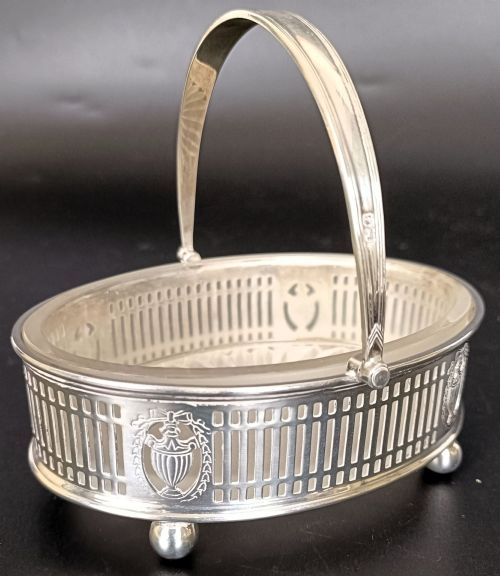
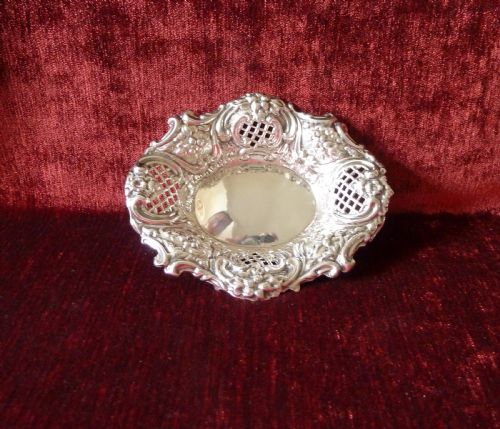
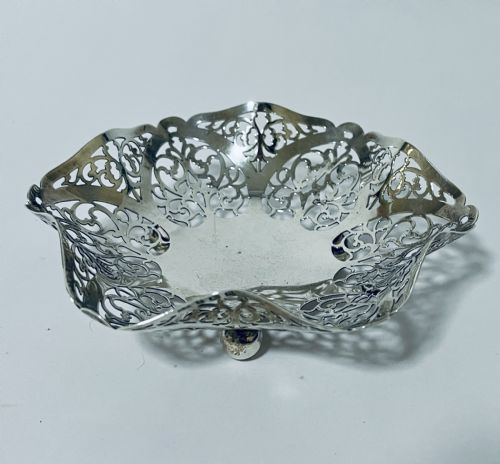
A pierced silver bonbon dish is typically an openwork vessel designed to hold sweets, sugar, or small confiture during formal dining. These items appear across the Victorian, Edwardian, and Art Deco periods, taking the form of baskets, bowls, and pedestal dishes.
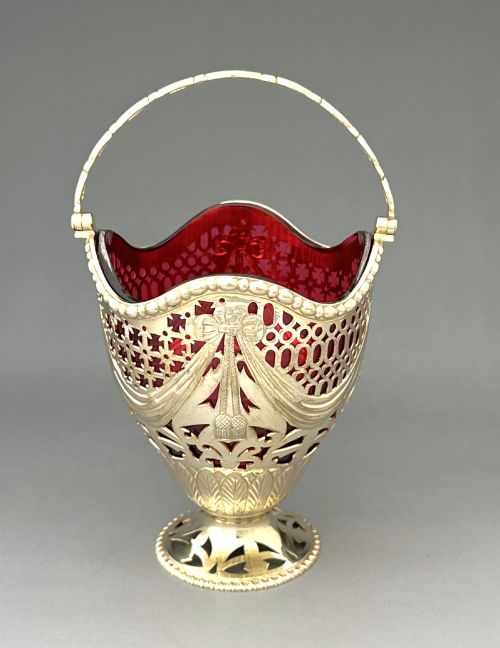
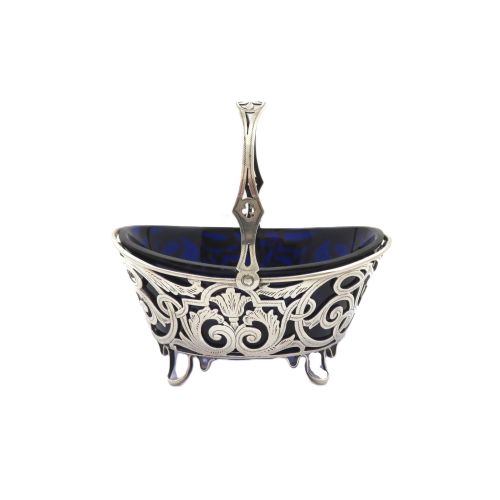
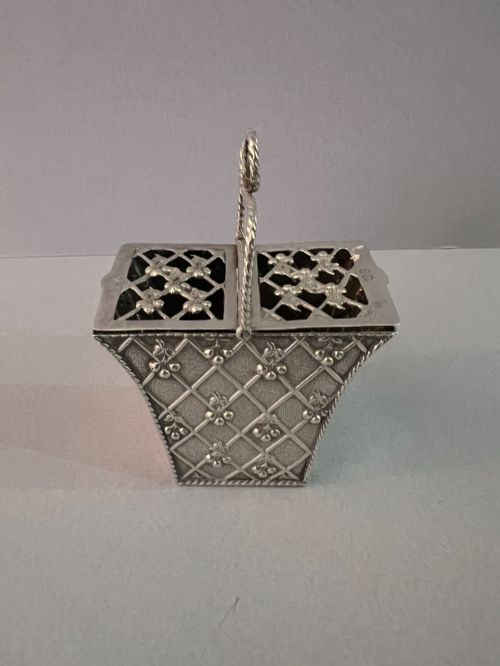
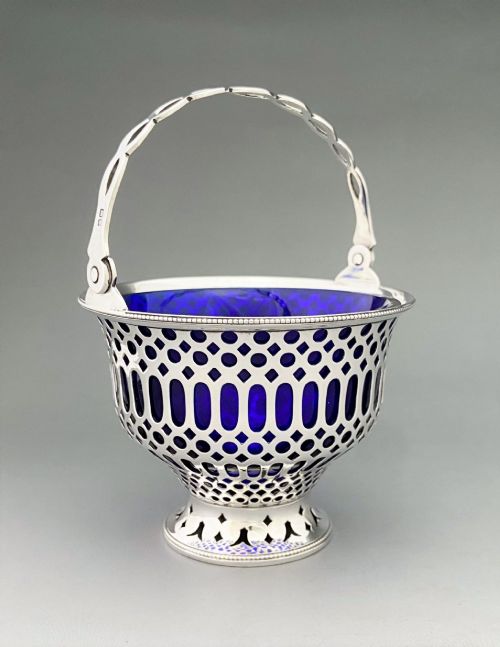
The pieces often incorporate swing handles or fixed decorative mounts, sometimes paired with glass liners in cobalt, cranberry, or ruby hues. Buyers frequently encounter Edwardian and Victorian examples featuring lattice or pierced patterns alongside Georgian and 1930s variations.
How they were made
Silversmiths created the openwork designs through piercing and sawing sheet sterling silver or silver plate, sometimes applying chased floral motifs or cast handles. Many vessels utilise coloured glass liners, including cranberry and cobalt glass, held securely within the silver framework.
Certain pieces feature silver-gilt finishes for a rich golden appearance, while others combine silver with tortoiseshell or rock crystal glass. Workshops utilised hallmarks stamped directly into the metal to record the assay office, year, and maker.
Craftsmen applied intricate wickerwork, lattice, and neoclassical revival styles to silver bonbon dishes across multiple British assay offices.
What varies in quality
The finesse of the piercing distinguishes the finest examples from standard production, with intricate fretwork and detailed wickerwork showing superior hand skill. The weight of the solid silver and the presence of crisply cast handles or original coloured glass liners elevate a piece.
Makers known for exceptional output, such as William Comyns or Fenton Brothers, typically command attention through heavier gauge metal and balanced proportions. The clarity of the assay marks and the preservation of the delicate openwork without distortion define the upper tier.
Thomas Bradbury·Fenton Brothers·Viners·William Bond·Martin Hall·Edward H Stockwell·William Comyns·George Fox·Goldsmiths & Silversmiths Co
The Pierced Silver Bonbon Dish Glossary
- Pierced
- Metalwork decorated by cutting or sawing open patterns through the sheet silver. This technique creates lightweight, decorative lattices and geometric motifs.
- Bonbon dish
- A small vessel intended for holding sweets, nuts, or small confections. These items sit upon dining tables or sideboards.
- Swing handle
- A movable arched handle attached to the sides of a basket or dish by pivots. This feature allows the handle to lie flat when not in use.
- Silver-gilt
- Sterling silver that has been coated with a thin layer of gold on the surface. This treatment provides a rich, warm tone to the interior or exterior of the vessel.
- Hallmark
- A series of stamped marks on precious metal indicating the standard of purity, assay office, and year of manufacture. These symbols authenticate British silver.
Pierced Silver Bonbon Dish: Frequently Asked Questions
What were pierced silver bonbon dishes used for?
These dishes held small sweets, sugar lumps, or sweetmeats during formal dining and tea services. They served both a practical function on the table and a decorative purpose in the drawing room.
Over time, owners also utilised them as trinket containers or rose bowls. The inclusion of glass liners allowed them to hold damp items without harming the silver.
How do I identify an Edwardian silver dish?
Edwardian pieces date from the reign of King Edward VII between 1901 and 1910. Assay office marks and date letters stamped on the silver provide the exact year of creation.
Stylistically, these items often display Neoclassical Revival motifs, intricate lattice piercing, and swing handles. Makers such as William Comyns frequently produced works during this era.
Why do some dishes have coloured glass liners?
Liners made from cranberry, ruby, or cobalt glass provided a striking visual contrast against the polished pierced silver. They also protected the metal from sticky residues left by sweets.
Finding a piece with its original glass liner intact enhances its completeness. The glass was often blown and fitted specifically to the dimensions of the silver basket.
How should I care for silver bonbon dishes?
Cleaning requires a soft cloth and specialised silver polish to maintain the shine without wearing down the delicate pierced details. Gentle handling prevents the thin openwork lattice from bending.
When glass liners are present, they can be removed and washed separately in warm soapy water. Storing the pieces away from direct moisture helps preserve the polished finish.